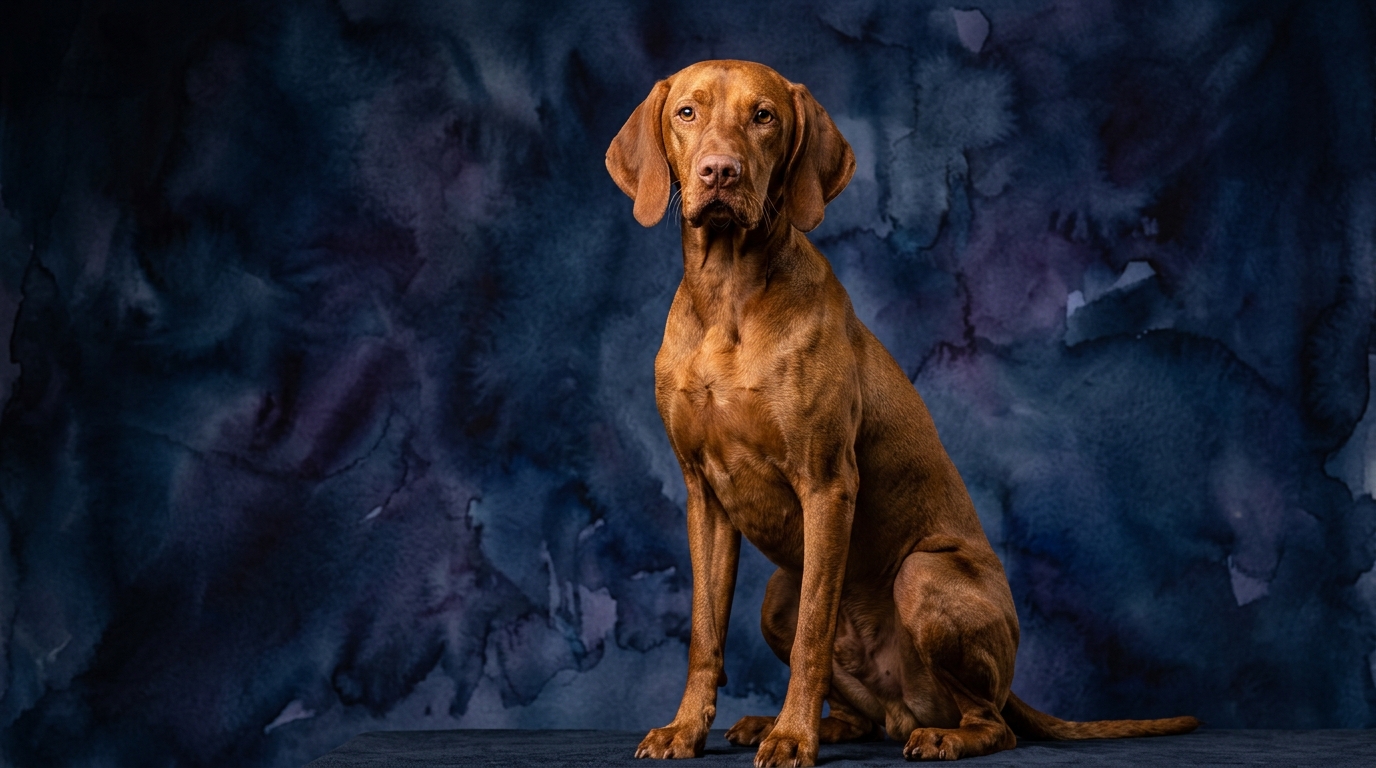
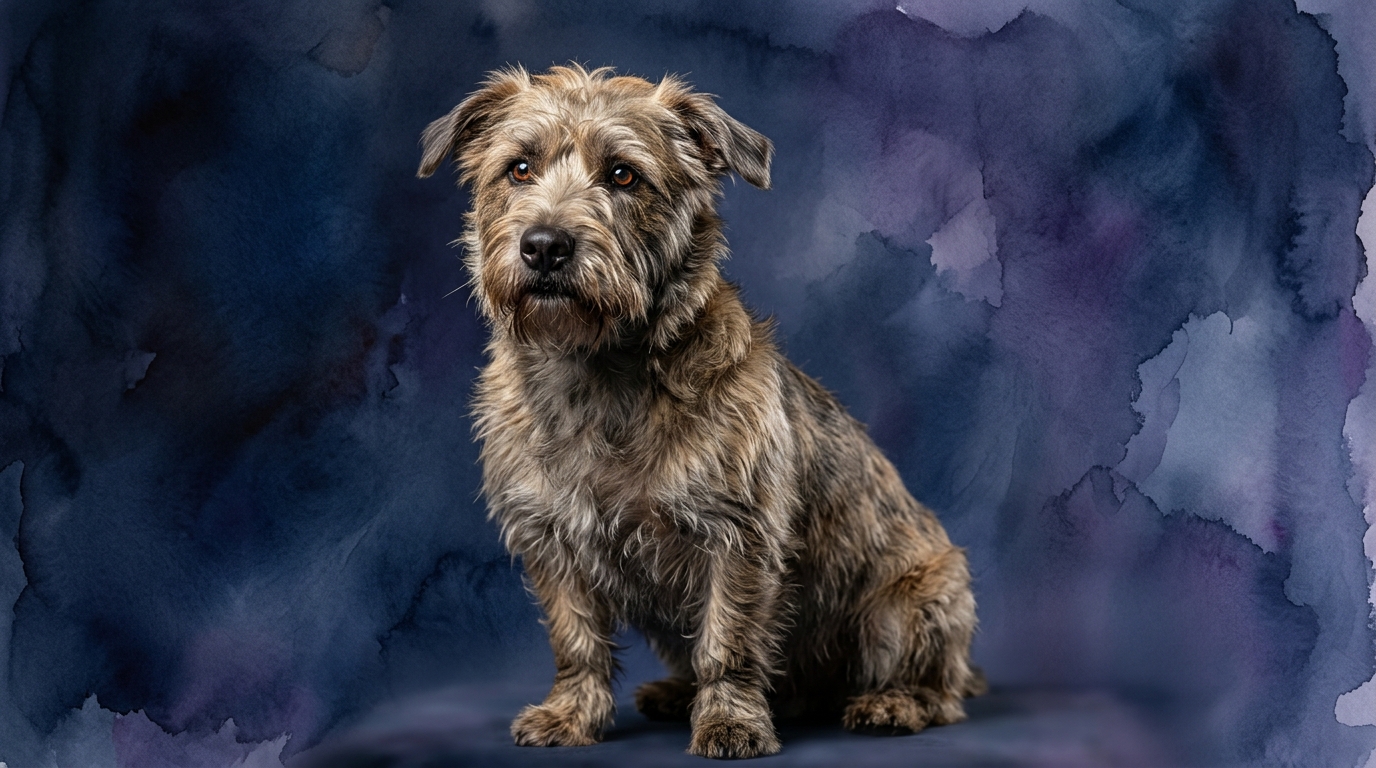
Side-by-Side Cognitive Profile: Vizsla vs. Glen of Imaal Terrier
At The Cosmic Pet Pet IQ Lab, we evaluate canine intelligence across five key dimensions, offering a nuanced understanding beyond simple rankings. For the Vizsla, a Sporting breed ranked #31 by Coren, its Problem Solving scores 4/5, indicating an adeptness at navigating complex situations and figuring out solutions, often through observation and strategic action. Its Training Speed is also 4/5, reflecting a quick grasp of new commands and routines, eager to please and respond efficiently to cues. Social Intelligence shines at 5/5, demonstrating an exceptional attunement to human emotions and intentions, often anticipating needs and forming deep, empathetic bonds. An Instinctive Drive of 5/5 highlights a formidable inclination for hunting, retrieving, and working alongside humans, channeling natural impulses into cooperative activities. Finally, its Memory at 4/5 means it retains learned behaviors and associations over extended periods, remembering past experiences and routines with clarity.
In contrast, the Glen of Imaal Terrier, a Terrier breed not Coren-ranked, presents a different cognitive landscape. Its Problem Solving is rated 3/5, signifying a practical capability, particularly when achieving a desired outcome through sheer persistence, such as navigating obstacles for a scent. Training Speed stands at 3/5, indicating a moderate learning pace that often requires consistent, patient repetition and positive reinforcement due to their independent nature. Social Intelligence is 3/5, meaning they form strong bonds with their immediate family but can be more reserved with strangers, interpreting social cues primarily within their established circle. An Instinctive Drive of 3/5 showcases a tenacious drive for digging and pursuit, typical of terriers, focused on independent tasks rather than cooperative hunting. Its Memory at 3/5 suggests it remembers routines and learned behaviors, though perhaps not with the same immediate recall or nuanced associations as some other breeds.
Where the Vizsla Excels Cognitively
The Vizsla’s superior Social Intelligence (5/5 vs. Glen’s 3/5) is a standout cognitive advantage. They exhibit an almost uncanny ability to read human emotions, often anticipating their owner's moods and reacting with comforting presence or playful invitation. This deep social awareness translates into a profound desire for close companionship and a strong understanding of social dynamics within the household, making them exceptional partners for activities requiring mutual understanding and emotional connection.
Their Training Speed (4/5 vs. Glen’s 3/5) also gives the Vizsla a significant edge. The Vizsla's quick uptake of new commands stems from a powerful combination of their desire to work cooperatively and their focused attention. They process new information rapidly, linking cues to actions with remarkable efficiency. This makes them highly adaptable to various training disciplines, from advanced obedience to agility, often excelling due to their responsiveness and eagerness to engage.
The Vizsla’s Instinctive Drive (5/5 vs. Glen’s 3/5) is primarily geared towards cooperative work with a human partner, differentiating it significantly. Their retrieving and pointing instincts are not just about personal pursuit, but about a shared objective, making them exceptional partners in field sports or activities that require synchronized effort. This cooperative instinct enhances their cognitive engagement in structured tasks, allowing them to channel their natural drives into productive, human-directed endeavors.
Where the Glen of Imaal Terrier Shows Unique Cognitive Strengths
While its Problem Solving score is 3/5, the Glen of Imaal Terrier’s cognitive strength lies in its independent, persistent approach to challenges. Unlike the Vizsla, which often looks to humans for cues, the Glen will methodically work through a task on its own, especially if it involves a reward or a perceived goal, such as exploring a scent trail or maneuvering around an obstacle to reach a specific spot. This tenacity, often described as a 'big dog in a small body,' demonstrates a unique cognitive resilience and self-reliance.
The Glen's Instinctive Drive (3/5), while lower in score, is characterized by an unwavering focus on specific, often independent, tasks like digging or hunting vermin. This persistence allows them to concentrate intensely on a singular objective, filtering out distractions. Their cognitive energy is channeled into seeing a task through to completion, demonstrating a distinct mental fortitude and determination that differs from the Vizsla's cooperative drive, making them formidable at their chosen 'work.'
Regarding Training Speed (3/5) and Memory (3/5), the Glen's cognitive framework allows for deep embedding of routines and boundaries, despite a moderate learning pace. They may require more repetitions initially, but their resilience means that once a lesson is ingrained, it tends to stick. This stability in learned behaviors makes them reliable once trained, especially for established household rules, showcasing a cognitive benefit in long-term retention even if initial acquisition is slower.
Training Dynamics: Vizsla's Eagerness vs. Glen's Independence
The Vizsla, with its Training Speed of 4/5 and Social Intelligence of 5/5, is generally more straightforward to train. Their innate desire to please and their keen awareness of human cues mean they pick up commands quickly and respond enthusiastically. They thrive on positive reinforcement and clear communication, viewing training as a collaborative activity where their input and effort are valued. This eagerness makes them highly receptive to various training methods and capable of excelling in complex disciplines.
In contrast, the Glen of Imaal Terrier, with a Training Speed of 3/5 and a more independent nature, requires a different training approach. While intelligent, they are less inclined to blindly follow commands and will often question the 'why' or attempt to find a more efficient, self-serving solution. Their terrier persistence means training needs to be engaging, consistent, and highly motivating, often relying on high-value rewards to capture and maintain their attention. Training a Glen demands patience and creativity to channel their independent spirit productively, rather than trying to suppress it.
Matching Canine Companions to Owner Lifestyles
The Vizsla is unequivocally suited for active owners. Their high instinctive drive (5/5), coupled with their social intelligence, means they require significant physical exercise and mental engagement daily. They thrive on long runs, hiking, retrieving games, and dog sports, forming a deep bond through shared activities. A Vizsla with insufficient outlets for its energy and intellect can develop behavioral issues, becoming restless, anxious, or destructive, as their cognitive and physical needs are not being met.
Conversely, the Glen of Imaal Terrier can adapt to somewhat more relaxed owners, though 'relaxed' should not be confused with 'inactive.' While they enjoy their comfort and can be content with moderate walks and garden play, their terrier instincts still demand mental stimulation and opportunities for independent exploration, such as scent work or puzzle toys. They are not as demanding in terms of constant high-impact exercise as the Vizsla, making them a better fit for those who enjoy consistent, but perhaps less intense, daily engagement, appreciating a companion with a strong sense of self.
The Verdict
Choose a Vizsla if you are an active, outdoors-oriented individual or family seeking a highly social, cooperative, and emotionally attuned canine partner for shared adventures and consistent mental engagement.
Opt for a Glen of Imaal Terrier if you appreciate an independent, persistent, and resilient companion who enjoys moderate activity, thrives on specific tasks, and offers a unique blend of loyalty and self-reliance.
🧠 Find Your Pet's IQ Score
Our Pet IQ Lab assessment covers 25+ tests across 5 cognitive dimensions — personalized to your breed.
Take the Full IQ Test →Frequently Asked Questions
Do Vizslas need a lot of exercise?
Yes, Vizslas possess a very high instinctive drive and require substantial daily exercise, typically including vigorous activities like running, retrieving, or long hikes, to keep them mentally and physically content.
Are Glen of Imaal Terriers good with other pets?
Glen of Imaal Terriers can coexist with other pets, especially if socialized early, but their strong prey drive means careful introductions and supervision are crucial, particularly with smaller, rodent-like animals.
How do their problem-solving skills differ in daily life?
A Vizsla might problem-solve by observing you open a cabinet and then mimicking the action, while a Glen might persistently dig under a fence to reach a perceived interesting scent on the other side.