The Cosmic Pet IQ Profile: Vizsla vs. Great Dane
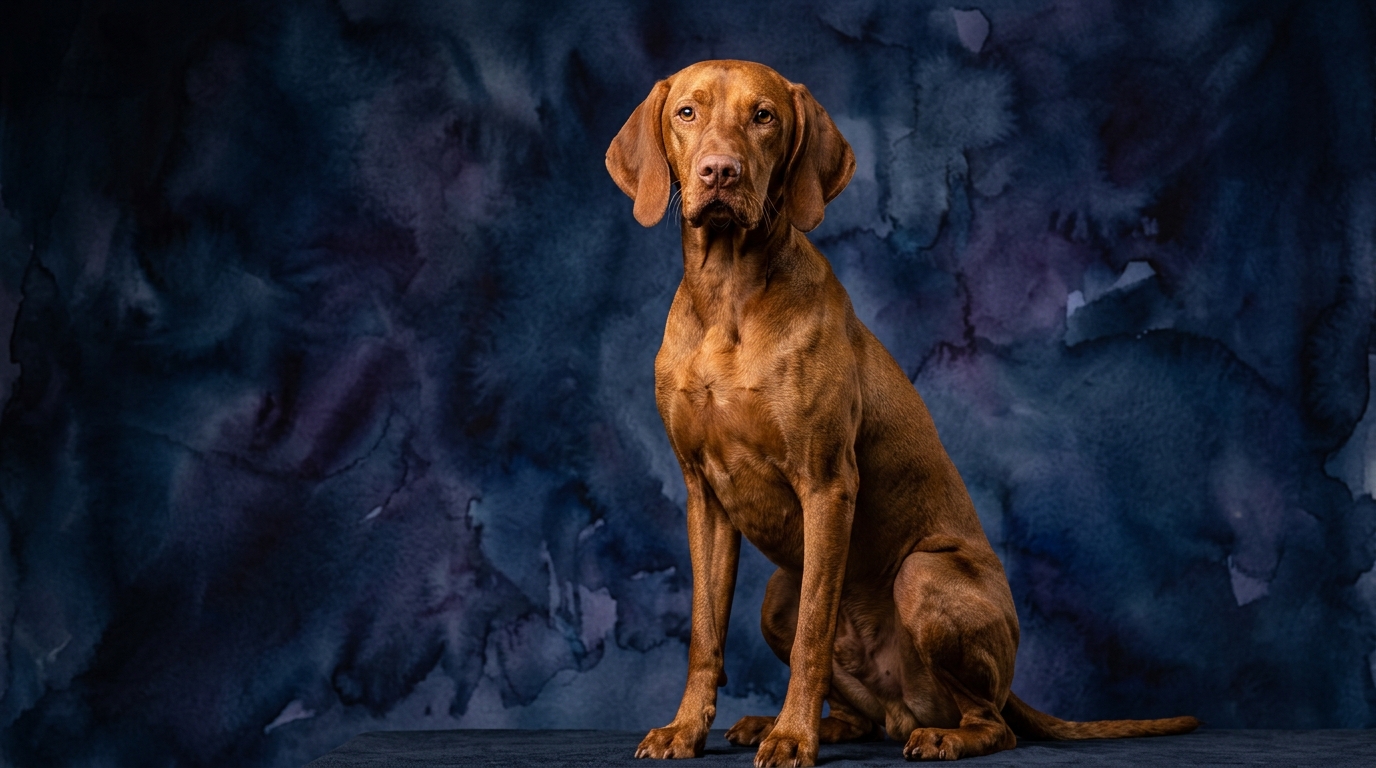
At The Cosmic Pet Pet IQ Lab, we evaluate canine intelligence across five key dimensions to provide a nuanced understanding of each breed's cognitive architecture. For the Vizsla, a breed from the Sporting Group, their Coren rank of #31 hints at a sharp mind, and our detailed analysis confirms this. They score 4/5 in Problem Solving, indicating an aptitude for navigating novel situations and figuring out solutions independently, rather than merely relying on rote learning. Their Training Speed also rates 4/5, suggesting they grasp new commands and routines with relative swiftness, often requiring fewer repetitions than many other breeds. Social Intelligence is a standout at 5/5, reflecting an exceptional ability to read human cues, understand emotional states, and form deep, cooperative bonds. Instictive Drive, at 5/5, points to a powerful natural inclination for their original working purpose, whether it's hunting, retrieving, or following scents with intense focus. Finally, their Memory at 4/5 means they retain learned behaviors and experiences over long periods, making training efforts highly durable.
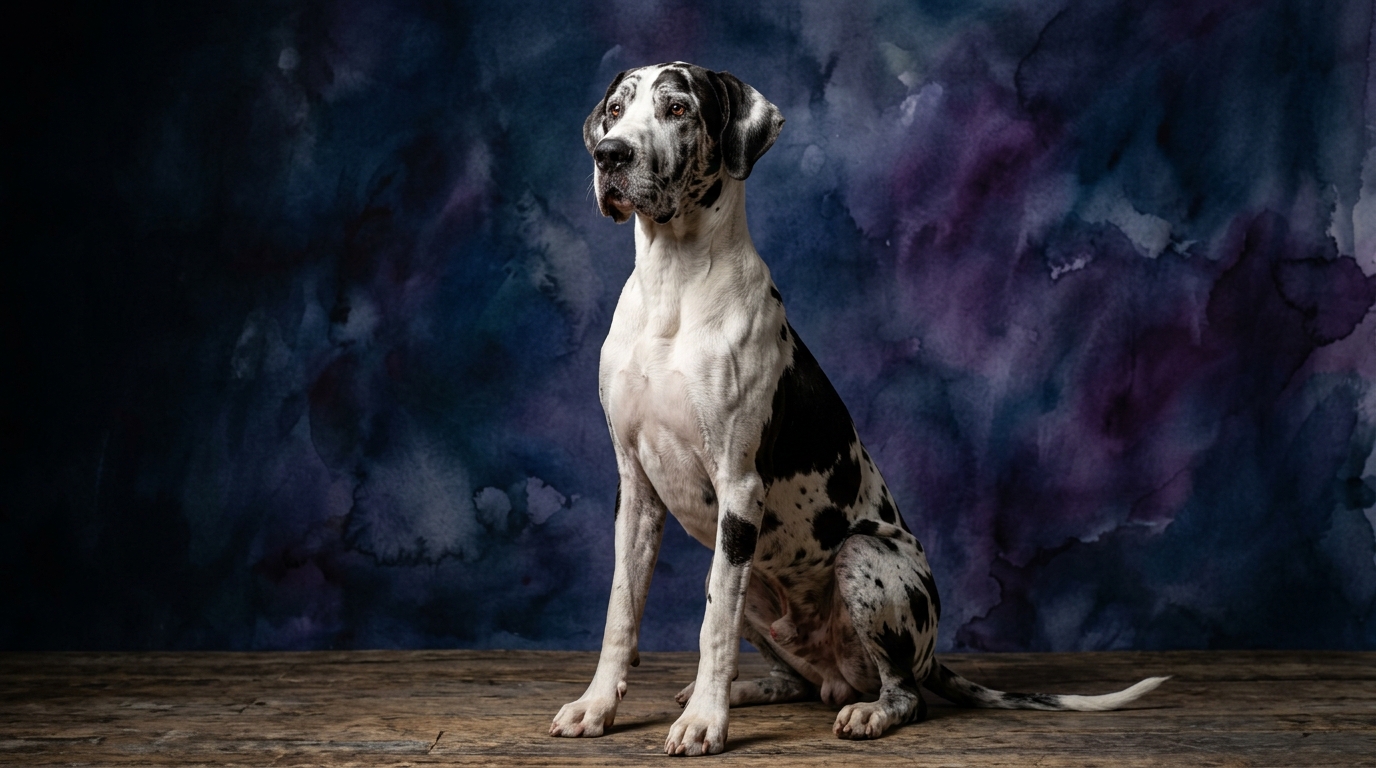
The Great Dane, a member of the Working Group, holds a Coren rank of #48. While still a capable and beloved companion, their cognitive profile differs considerably from the Vizsla. In Problem Solving, they rate 3/5, meaning they are perfectly capable of learning but might prefer to follow established routines or seek guidance from their human rather than independently strategizing complex solutions. Their Training Speed also scores 3/5, indicating they are trainable, but owners should anticipate needing more patience and consistent repetition during the learning process compared to a faster-paced learner. Social Intelligence for the Great Dane is 4/5; they are affable and can connect well with their families, demonstrating a good understanding of social dynamics within their household, though perhaps not with the same intensity or nuanced emotional attunement as a Vizsla. Instinctive Drive is 3/5, suggesting their working heritage is present but often manifests as a desire to protect their family rather than an overwhelming urge for specific tasks like tracking or retrieving. Their Memory also comes in at 3/5, meaning they will remember commands and experiences, but perhaps with a slightly longer recall time or requiring periodic refreshers to maintain peak performance.
Where the Vizsla Excels Cognitively
The Vizsla's cognitive strengths are particularly evident in their capacity for intricate learning and responsive companionship. Their 4/5 Problem Solving ability means they are adept at tasks requiring sequential thinking or overcoming obstacles, such as navigating complex agility courses or figuring out how to open child-proof latches. This mental agility makes them engaging partners for puzzle toys and advanced obedience. Coupled with a 4/5 Training Speed, Vizslas absorb new instructions rapidly, often anticipating what is expected of them after only a few repetitions, making them highly receptive to advanced training in various disciplines from scent work to competitive obedience.
Their 5/5 Social Intelligence is a profound advantage, allowing them to form exceptionally close bonds with their human families. This manifests as a deep sensitivity to tone of voice, body language, and even subtle shifts in mood, enabling them to offer comfort or adjust their behavior based on human emotional states. This high social acumen makes them extraordinarily cooperative and eager to please, reducing resistance during training and fostering a harmonious household environment. Furthermore, a 5/5 Instinctive Drive fuels their motivation for activity and purpose, making them ideal for owners who enjoy engaging in structured tasks like field trials or dock diving, where their natural drive to work aligns perfectly with the activity's demands. Their 4/5 Memory ensures that once a skill is learned, it is deeply ingrained, providing a reliable and consistent performance over time.
Where the Great Dane Offers Unique Cognitive Advantages
While the Great Dane's IQ scores may be numerically lower in some categories, their cognitive profile presents distinct advantages for specific living situations and owner preferences. Their 3/5 Instinctive Drive, for example, means they are typically less prone to being overwhelmed by intense working urges compared to breeds with higher scores. This can translate into a calmer disposition indoors, with less inherent need to constantly be 'doing' a job, making them well-suited for a relaxed family life where their primary role is companionship rather than a working partner. This reduced drive can also mean less inclination to independently pursue prey, which can be a beneficial trait in environments with small pets or children.
The Great Dane's 3/5 Problem Solving ability, while not indicating a genius for intricate puzzles, often means they are less likely to outsmart their owners or devise elaborate schemes to get into mischief. They tend to be more straightforward in their approach to the world, relying on direct instruction and established routines, which can be a 'win' for owners who prefer a less cognitively demanding companion. Their 4/5 Social Intelligence, while not as acutely sensitive as a Vizsla's, is still robust enough to foster strong family bonds and allows them to be very affectionate and responsive to their human's presence. They are generally tolerant and good-natured, making them excellent family dogs who enjoy being part of the pack without necessarily needing to be the center of every complex interaction. This balance of social awareness and a more grounded approach to problem-solving creates a wonderfully stable and loving presence in the home.
Training Dynamics: Which Breed is Easier?
When it comes to ease of training, the Vizsla generally presents a more straightforward path for owners seeking rapid progress and advanced capabilities. Their 4/5 Training Speed means they pick up new commands and behaviors quickly, often requiring fewer repetitions to solidify a lesson. This is complemented by their 4/5 Problem Solving, allowing them to generalize learned behaviors to new situations and understand complex sequences. For instance, teaching a Vizsla a multi-step retrieve, like finding a specific object and bringing it to hand, is often a smoother process because they can grasp the underlying concept and strategize the execution.
The Great Dane, with a 3/5 Training Speed and 3/5 Problem Solving, will certainly learn, but the process typically demands more patience and consistency from the owner. They might require more repetitions to fully internalize a command and may be less inclined to independently figure out solutions if a task isn't immediately clear. For example, teaching a Great Dane to 'stay' amidst distractions might take more sessions and reinforcement, as their cognitive process is less about rapid strategic adaptation and more about consistent conditioning. However, their 3/5 Memory ensures that once a command is truly learned, it sticks, meaning that while the initial training might take longer, the results are enduring with regular practice. Owners committed to consistent, positive reinforcement will find the Great Dane a willing, if sometimes ponderous, student.
Matching Lifestyles: Active vs. Relaxed Owners
The distinct cognitive profiles of the Vizsla and Great Dane make them suited for very different owner lifestyles. The Vizsla, with its high scores across the board—particularly its 5/5 Instinctive Drive, 4/5 Problem Solving, and 5/5 Social Intelligence—thrives with active owners who can provide consistent mental and physical engagement. These dogs need a 'job' or regular structured activities that challenge their intellect and satisfy their strong drive. This could involve daily long runs, advanced obedience classes, agility training, scent work, or even participation in field sports. Owners who enjoy spending significant time outdoors, engaging in collaborative activities, and providing consistent mental stimulation will find a Vizsla to be an incredibly rewarding and responsive companion. Their deep social intelligence means they also crave close interaction and can become anxious if left alone for extended periods without sufficient outlet for their energy and need for connection.
Conversely, the Great Dane, with its lower Instinctive Drive (3/5) and more moderate Problem Solving (3/5), is often better suited for owners seeking a more relaxed pace of life. While they are large dogs and require adequate exercise to maintain their physical health—including daily walks and opportunities to stretch their long legs—their mental demands are generally less intense than a Vizsla's. They are content with a comfortable spot on the sofa, enjoying the presence of their family. Owners who prefer a calm home environment, appreciate a gentle giant's companionship, and can commit to consistent but perhaps less intensive training will find the Great Dane a wonderful fit. Their 4/5 Social Intelligence ensures they are affectionate and bond deeply, making them excellent family dogs who are happy to be a part of daily life without requiring constant, high-energy mental tasks.
The Verdict
Choose the Vizsla if you are an active, engaged owner seeking a highly cooperative, intelligent partner for advanced training, outdoor adventures, and a deep, responsive bond.
Opt for the Great Dane if you desire a gentle, affectionate giant who thrives on companionship, fits into a more relaxed home environment, and appreciates consistent, patient guidance.
🧠 Find Your Pet's IQ Score
Our Pet IQ Lab assessment covers 25+ tests across 5 cognitive dimensions — personalized to your breed.
Take the Full IQ Test →Frequently Asked Questions
Are Vizslas difficult to manage due to their high instinctive drive?
Vizslas possess a powerful 5/5 instinctive drive, which means they have a strong innate desire to work and explore. While this makes them excellent partners for active pursuits, it requires consistent training and ample mental and physical stimulation to prevent boredom-related behaviors. Without proper outlets, their drive can manifest as restlessness or destructive tendencies, so dedicated engagement is key.
Do Great Danes require less exercise because of their lower instinctive drive?
Great Danes have a 3/5 instinctive drive, meaning they are generally calmer than many working or sporting breeds. However, as very large dogs, they still require regular, moderate exercise to maintain their physical health and prevent obesity and joint issues. Daily walks and opportunities to play are essential, but they typically don't demand the intense, high-impact activities favored by breeds like the Vizsla.
Which breed is better with children based on their social intelligence?
Both breeds can be wonderful with children when properly socialized and trained, but their social intelligence scores offer insight into their approach. The Vizsla's 5/5 social intelligence means they are highly attuned and responsive, often forming deep, empathetic bonds. The Great Dane's 4/5 social intelligence indicates they are generally tolerant and affectionate, making them gentle giants who are good-natured companions, though perhaps less acutely sensitive to a child's subtle emotional shifts.