Side-by-Side IQ Profile
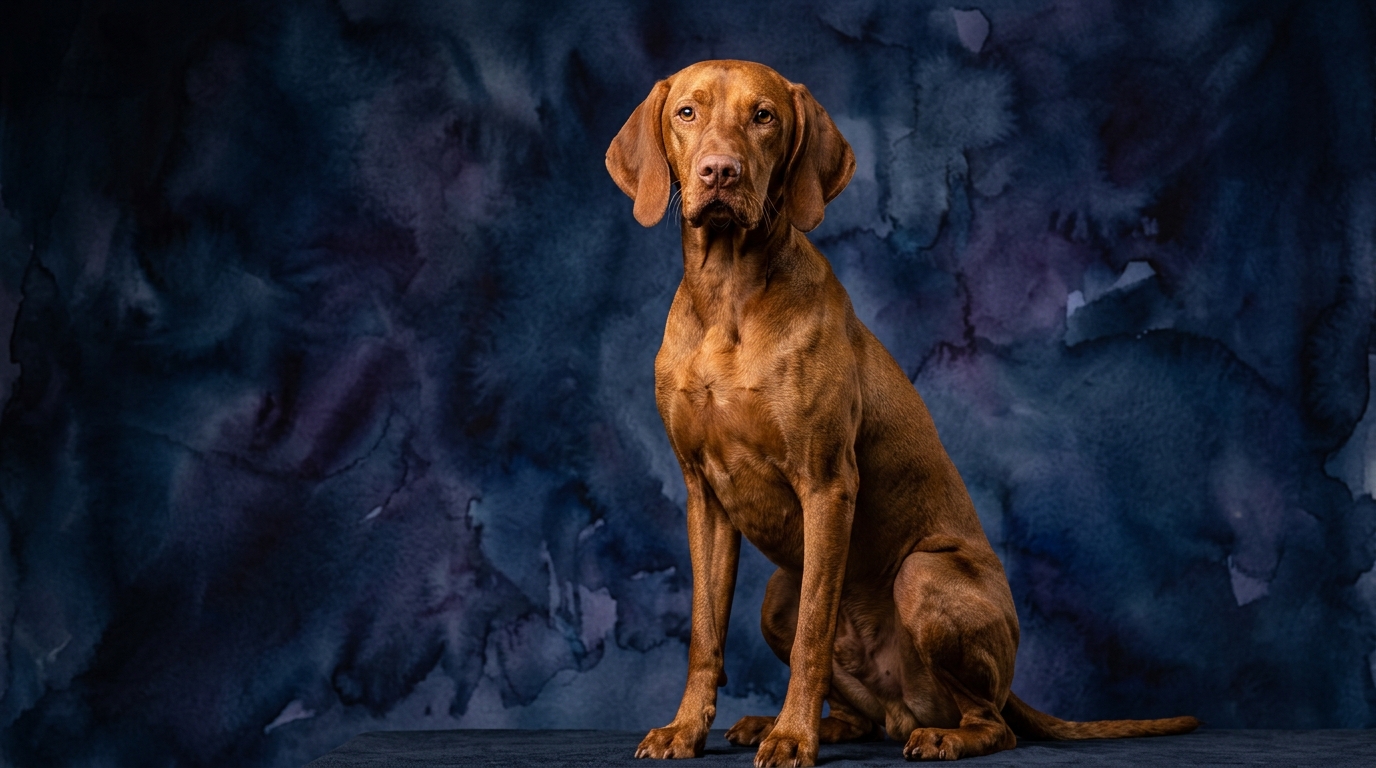
At The Cosmic Pet Pet IQ Lab, we assess canine cognition across five vital dimensions to provide a nuanced understanding of each breed's mental aptitude. For the Vizsla, their profile is marked by notable strengths: Problem Solving (4/5) indicates a strong aptitude for navigating novel situations and figuring out complex tasks, often employing creative solutions. Training Speed (4/5) reflects a rapid grasp of new commands and concepts, absorbing information quickly during training sessions. Social Intelligence (5/5) showcases exceptional understanding of human cues and emotions, fostering deep bonds and anticipating owner intentions with remarkable sensitivity. Instinctive Drive (5/5) highlights powerful innate hunting and retrieving instincts, coupled with an intense desire to work and engage in purposeful activities. Memory (4/5) signifies a robust ability to retain learned behaviors, routines, and experiences over extended periods, making them reliable in recalling past training or environmental details.
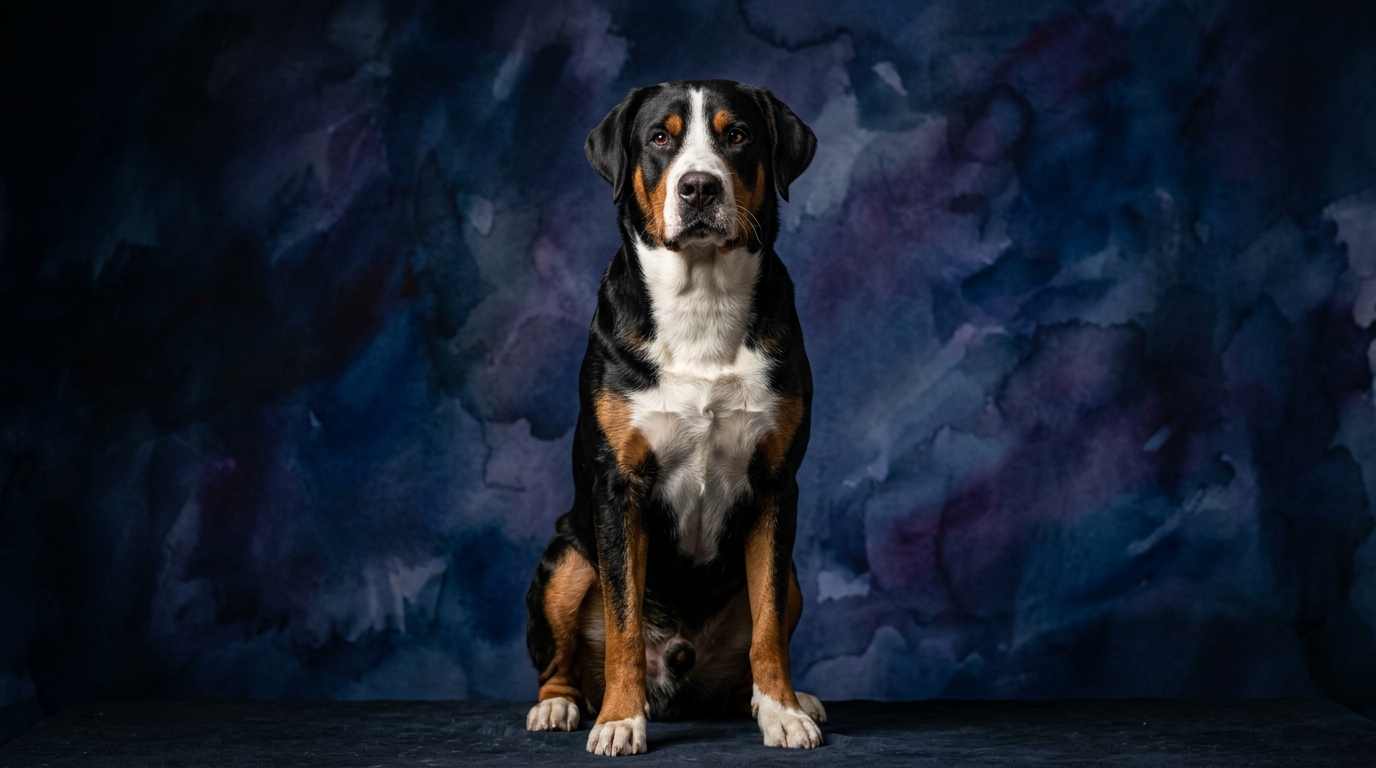
The Greater Swiss Mountain Dog presents a different cognitive blueprint, reflecting its working heritage: Problem Solving (3/5) suggests an approach to challenges with a steady, methodical mindset, capable of resolving issues but perhaps without the same quick ingenuity as the Vizsla. Training Speed (3/5) indicates learning at a moderate pace, requiring consistent repetition and clear instruction to solidify new commands, valuing clarity over rapid absorption. Social Intelligence (3/5) shows they connect well with their family, demonstrating loyalty and affection, though they might not exhibit the same nuanced emotional sensitivity or predictive behavior. Instinctive Drive (3/5) reveals a foundational working dog drive, historically suited for drafting and herding, but this drive is typically less intense and persistent than that of a dedicated hunting breed. Memory (3/5) means they retain information adequately for daily routines and learned behaviors, benefitting from regular reinforcement to keep lessons fresh.
Where Vizsla Wins Cognitively
The Vizsla's higher scores across the board indicate a general cognitive advantage in terms of mental agility and processing speed. Their 4/5 in Problem Solving means they are often adept at navigating new environments or puzzles independently, quickly assessing situations and devising strategies, whether it's figuring out how to open a gate or locating a hidden toy. This contrasts with the Greater Swiss Mountain Dog's 3/5, which suggests a more deliberate, less spontaneous approach to novel challenges.
The Vizsla's 4/5 Training Speed is another clear win, allowing them to pick up complex command sequences and intricate routines with fewer repetitions. This makes them excellent candidates for advanced obedience, agility, or field trials where rapid learning is paramount. Their 5/5 Social Intelligence stands out, enabling them to read human body language and vocal inflections with remarkable precision, often anticipating owner intentions before a command is even given. This profound emotional attunement fosters a partnership built on subtle communication and mutual understanding, a dimension where the Swissy's 3/5, while still capable of strong bonds, offers a less intricate level of social responsiveness. Finally, the Vizsla's 5/5 Instinctive Drive fuels an unwavering desire for engagement and purpose, making them tireless partners in activities that tap into their natural abilities, a level of intrinsic motivation that surpasses the Swissy's more moderate 3/5 drive. This intense drive, coupled with their 4/5 Memory, means once a task or routine is learned and associated with their drive, it is deeply ingrained and reliably performed.
Where Greater Swiss Mountain Dog Wins Cognitively
While the Vizsla demonstrates a quicker, more agile cognitive profile, the Greater Swiss Mountain Dog's distinct mental makeup offers its own unique advantages, particularly for specific roles and owner expectations. Their 3/5 in Problem Solving, while not indicating rapid innovation, suggests a steady, robust approach to tasks. This means they are less likely to overthink or become overly stimulated by complex environmental changes; instead, they tackle problems with a grounded persistence. This cognitive steadiness can be a strength in environments requiring reliability over lightning-fast reactions, such as calmly navigating a bustling family home or performing repetitive, strength-based tasks without becoming easily distracted by extraneous stimuli.
The Swissy's 3/5 Training Speed and Memory, while moderate, align well with their historical role as a dependable farm and draft dog. They learn and retain practical, consistent routines effectively, valuing clarity and repetition. This means once a task is thoroughly understood, it is performed with unwavering commitment, making them highly reliable in established roles. Their 3/5 Social Intelligence, though not as nuanced as the Vizsla's, translates into a straightforward, loyal companionship. They form deep attachments and are generally less prone to anxiety stemming from subtle shifts in human mood, offering a stable and predictable emotional presence. Furthermore, their 3/5 Instinctive Drive, while lower than the Vizsla's, is perfectly suited for a working companion whose tasks are often more about strength, endurance, and guarding than high-speed pursuit. This moderate drive means they are typically content with a balanced routine of exercise and mental engagement without constantly seeking out intense, demanding activities, making them less prone to destructive behaviors born from unfulfilled high-octane drives. In essence, the Swissy's cognitive profile excels in providing steadfast, reliable companionship and practical utility, where consistency and resilience are prioritized over rapid-fire intellectual agility.
Which is Easier to Train and Why
The Vizsla, with its 4/5 Training Speed and 4/5 Problem Solving, presents as a generally easier breed to train, especially for those seeking to engage in complex activities. Their rapid absorption of new commands means fewer repetitions are needed for a concept to click, making training sessions efficient and often enjoyable for both dog and owner. Their high Social Intelligence (5/5) further aids this, as they are exceptionally attuned to human body language, tone, and expectations, allowing for nuanced communication during training. If a Vizsla isn't grasping a concept, they are more likely to quickly pick up on subtle cues from the trainer, adjusting their behavior accordingly. Their strong Instinctive Drive (5/5) means they are inherently motivated to work and please, especially when training taps into their natural retrieving and hunting instincts, turning training into a highly rewarding game.
In contrast, the Greater Swiss Mountain Dog, scoring 3/5 in both Training Speed and Problem Solving, requires a more patient, consistent, and clear approach to training. They are not slow learners, but they are deliberate. New commands need more repetitions and a slower progression to ensure full comprehension and retention. Their moderate Social Intelligence (3/5) means while they are loyal and responsive, they might not pick up on subtle human cues as readily as a Vizsla, necessitating more explicit communication. Their Instinctive Drive (3/5), while present, is less intense, meaning trainers need to find strong external motivators (like high-value treats or specific toys) to maintain engagement, rather than relying solely on an inherent desire to work. While the Swissy can achieve high levels of training, it typically demands more time, consistency, and a less subtle hand from the owner, focusing on clear commands and positive reinforcement to build solid habits.
Which Suits Active Owners vs Relaxed Owners
For the active owner, the Vizsla is an undeniable match. Their 5/5 Instinctive Drive and 4/5 Problem Solving mean they thrive on daily physical exertion and mental challenges. They are partners for running, hiking, biking, hunting, or dog sports like agility and obedience. An owner who enjoys spending several hours a day engaging in vigorous activities and providing consistent mental stimulation will find the Vizsla to be an enthusiastic and tireless companion. Their high social intelligence also means they crave close interaction and are not content to be left alone for long periods; they want to be involved in their human's active life. Failing to meet their substantial exercise and mental needs can lead to frustration and undesirable behaviors, making them unsuitable for a predominantly relaxed lifestyle.
The Greater Swiss Mountain Dog, while certainly needing regular exercise, is better suited for owners who might describe themselves as active-moderate or who appreciate a more relaxed pace at home. Their 3/5 Instinctive Drive means they enjoy walks, hikes, and some playtime, but they generally don't possess the relentless energy of a Vizsla. They are content with a few good walks or a solid play session daily, followed by periods of calm companionship. Their moderate Problem Solving and Social Intelligence mean they are less likely to demand constant mental engagement and are often more self-sufficient in terms of entertainment once their exercise needs are met. They are robust and enjoy outdoor activities, but they are equally happy to relax with their family. This makes them a better fit for owners who want a capable, strong companion for adventures but also value a dog that can settle down easily indoors without needing constant stimulation, making them ideal for a family seeking a loyal, enduring presence rather than a high-octane partner.
The Verdict
Choose the Vizsla if you seek a highly engaged, agile partner for demanding physical activities and enjoy a dog that thrives on intricate mental challenges and profound social interaction.
Opt for the Greater Swiss Mountain Dog if you desire a steadfast, robust companion that appreciates consistent routines, moderate activity, and offers a loyal, predictable presence in a family setting.
🧠 Find Your Pet's IQ Score
Our Pet IQ Lab assessment covers 25+ tests across 5 cognitive dimensions — personalized to your breed.
Take the Full IQ Test →Frequently Asked Questions
Is the Vizsla prone to separation anxiety due to its high social intelligence?
Vizslas, with their 5/5 social intelligence, form extremely strong bonds and crave close companionship. This can indeed predispose them to separation anxiety if not properly socialized and trained to be comfortable alone from a young age, as they deeply value human presence.
Can a Greater Swiss Mountain Dog excel in dog sports despite its moderate training speed?
Absolutely. While the Greater Swiss Mountain Dog has a 3/5 training speed, their robust build and steady demeanor allow them to excel in strength-based sports like carting or even some forms of obedience, provided training is consistent, clear, and patient.
How do their instinctive drives influence their suitability for families with children?
The Vizsla's 5/5 instinctive drive means they need outlets for their energy, which can make them boisterous with children if not properly exercised and trained. The Greater Swiss Mountain Dog's 3/5 drive generally translates to a calmer, more patient demeanor around children, making them a sturdy, watchful companion, though supervision is always key.