Side-by-Side IQ Profile
The Cosmic Pet Pet IQ Lab evaluates canine intelligence across five key dimensions: problem-solving, training speed, social intelligence, instinctive drive, and memory. Each dimension is scored on a scale of 1 to 5, providing a nuanced perspective on a breed's cognitive strengths and how they interact with their world. Let's examine how the Vizsla, a Sporting Group dog, and the Japanese Chin, a Toy Group companion, measure up.
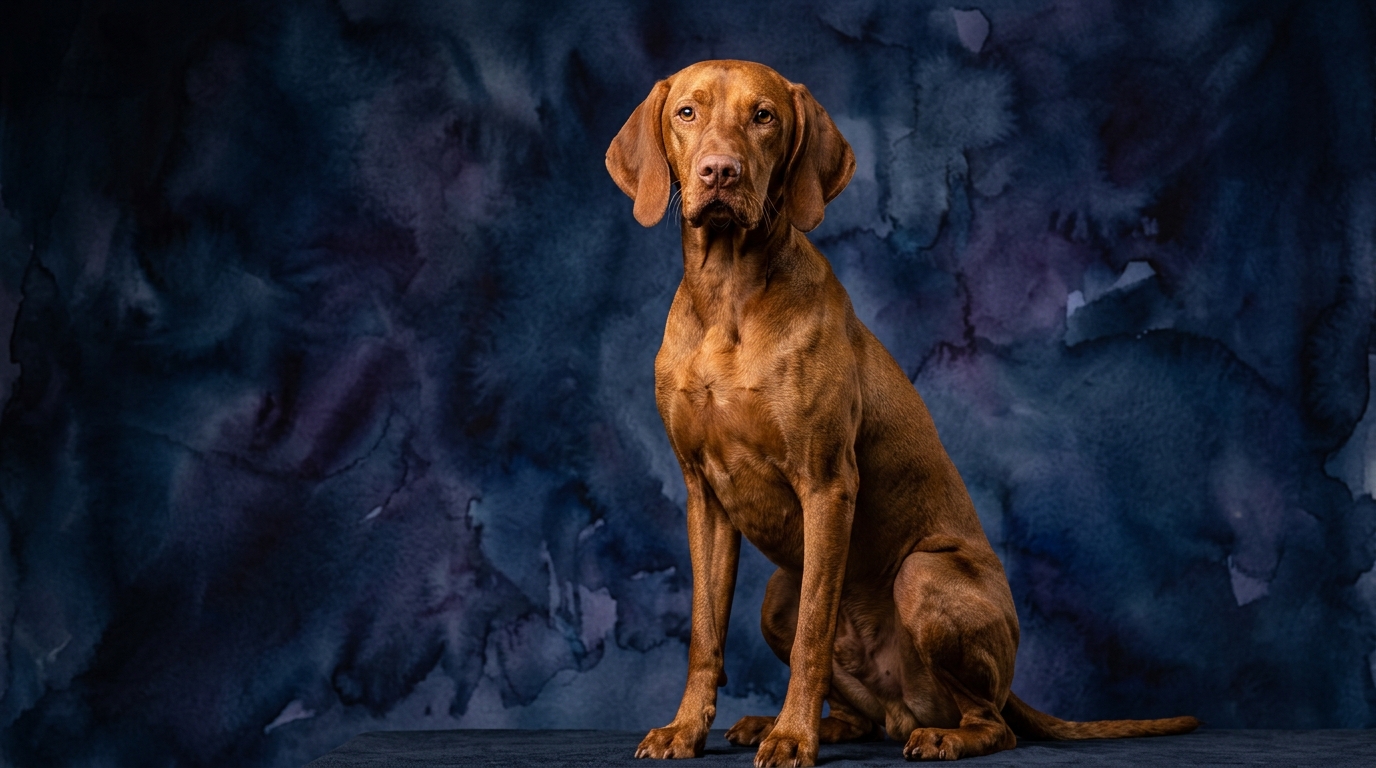
For the Vizsla (Coren rank #31), their profile reflects a breed crafted for active partnership and intricate work. Their Problem Solving is rated 4/5, indicating a strong capacity to navigate complex situations and devise solutions to novel challenges. Training Speed stands at 4/5, signifying their quick grasp of new commands and routines. A remarkable Social Intelligence of 5/5 highlights their exceptional ability to read human cues and form deep, empathetic bonds. Their Instinctive Drive is a powerful 5/5, reflecting a profound innate motivation for hunting, tracking, and purposeful activity. Finally, their Memory is rated 4/5, allowing for excellent retention of learned behaviors and experiences.
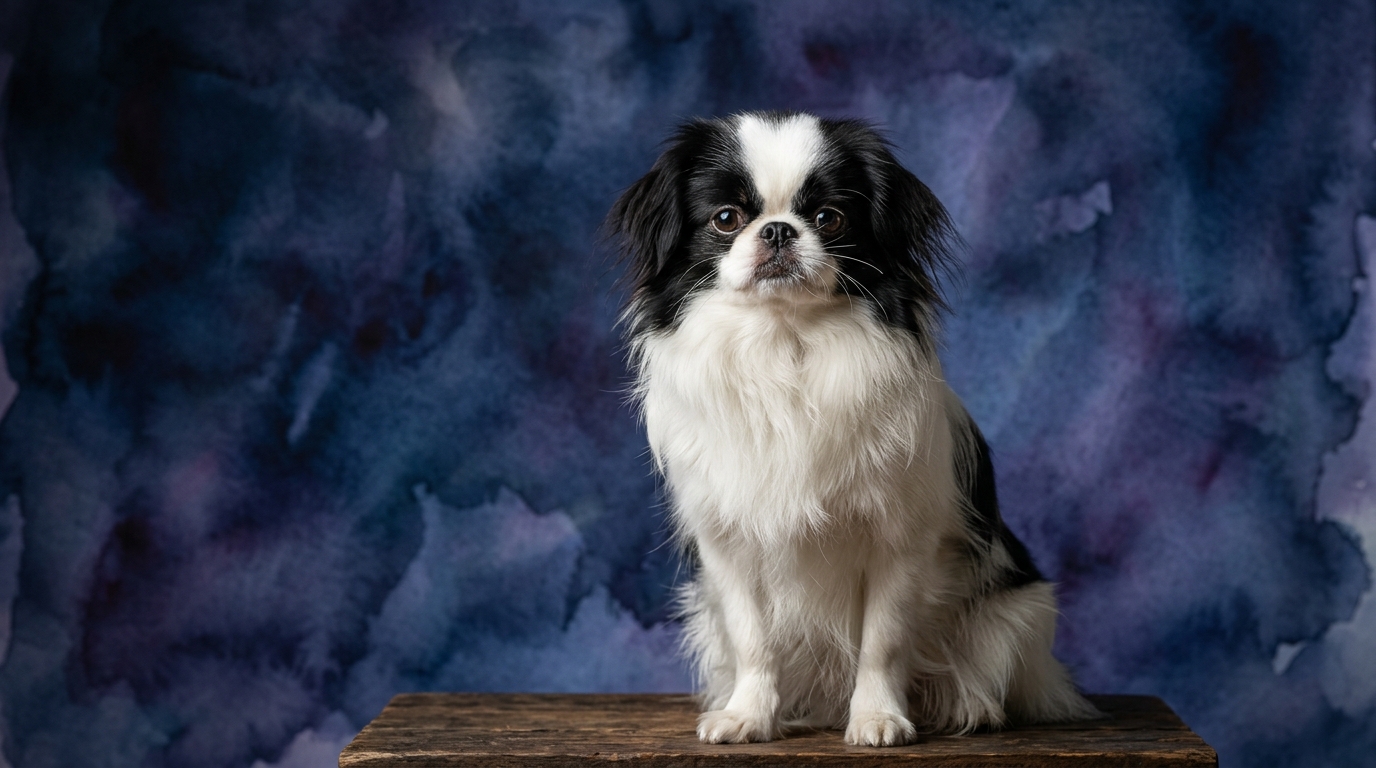
In contrast, the Japanese Chin (not Coren-ranked) presents a cognitive profile optimized for devoted companionship and a more relaxed lifestyle. Their Problem Solving is 3/5, suggesting a moderate ability to figure out everyday puzzles without an intense drive for abstract challenges. Training Speed is also 3/5, indicating they learn at a steady pace, requiring consistent but gentle guidance. Social Intelligence is 3/5, demonstrating a focused capacity for intimate bonding with their chosen people, though perhaps less broadly expressive than some. Their Instinctive Drive is 3/5, primarily centered on comfort and interaction within the home rather than intense working behaviors. Lastly, their Memory is 3/5, allowing them to reliably recall routines and basic commands.
Where Vizsla Wins Cognitively
Vizslas clearly shine in areas demanding proactive engagement and intricate understanding. Their 4/5 problem-solving score means they don't just follow instructions; they can strategize. For instance, a Vizsla might not just retrieve a dropped item, but figure out how to navigate around furniture to reach it, or even use a paw to dislodge it from a tight spot. Their 5/5 social intelligence allows them to interpret subtle shifts in human tone or posture, often anticipating a family member's needs or moods before any verbal cue is given. This depth of understanding fosters a profound, almost telepathic bond, making them highly responsive partners in shared activities. Furthermore, their 5/5 instinctive drive, while requiring careful management, translates into an inherent motivation for purposeful work. This isn't merely about energy; it's a cognitive drive to engage with tasks, whether it's scent work, agility, or retrieving, where they apply their intelligence to solve challenges within their natural predispositions.
Where Japanese Chin Wins Cognitively
While the Japanese Chin's scores are generally lower, their cognitive strengths are uniquely tailored to their role as devoted companions. Their 3/5 social intelligence, though not as broad as a Vizsla's, is intensely focused and specialized. They excel at forming deep, singular attachments, becoming exquisitely attuned to the micro-expressions and routines of their primary human. This allows them to be exceptionally comforting and intuitive companions, often seeming to “know” when their person needs quiet presence or gentle play. Their moderate instinctive drive (3/5) means they are less burdened by the incessant need for complex mental stimulation that can challenge owners of breeds with higher drive. This translates to a simpler, more contented existence within a home environment, where their cognitive energy is directed towards maintaining harmonious human relationships rather than seeking out challenging “work.” Their cognitive “win” lies in their ability to provide uncomplicated, consistent emotional support without requiring extensive mental exercises to prevent boredom or destructive behaviors, making them masters of peaceful companionship.
Which is Easier to Train and Why
When considering ease of training for formal commands and complex tasks, the Vizsla generally presents a more straightforward experience. Their 4/5 training speed means they pick up new cues quickly, often with just a few repetitions, and their strong memory (4/5) ensures retention. This breed thrives on learning and working alongside their handler, making them highly responsive to positive reinforcement and eager to engage in structured training sessions. Their 4/5 problem-solving ability also means they can generalize learned behaviors to new situations and understand multi-step commands. Their innate desire to track, retrieve, and work with their human companion makes them highly cooperative in training scenarios.
In contrast, the Japanese Chin, with its 3/5 training speed and problem-solving, requires more patience and consistency. They are capable of learning basic obedience and house manners, but they may take longer to grasp new concepts and might not be as motivated by complex tasks or prolonged sessions. Their training often benefits from shorter, more playful sessions to maintain engagement, as their drive is less about performing intricate sequences and more about pleasant interaction and receiving affection. While a Vizsla might be easier to teach a complex agility course, a Japanese Chin might excel at a "sit" for a treat right next to their favorite person, demonstrating a different kind of trainability rooted in connection.
Which Suits Active Owners vs Relaxed Owners
The cognitive profiles of the Vizsla and Japanese Chin clearly delineate their suitability for different lifestyles. The Vizsla, with its 5/5 instinctive drive and 4/5 problem-solving, is an ideal match for active owners who relish engaging their dog in various physical and mental pursuits. Their cognitive makeup demands consistent mental stimulation through activities like advanced obedience, agility, scent work, or extensive outdoor adventures. An owner who can channel this innate drive into purposeful tasks will find an incredibly focused and capable partner. Without adequate mental outlets, a Vizsla’s sharp mind and high drive can lead to boredom, manifesting as persistent exploration, vocalization, or seeking out their own “puzzles” like counter-surfing.
Conversely, the Japanese Chin, with its moderate 3/5 instinctive drive and problem-solving, is perfectly suited for more relaxed owners. Their cognitive needs are primarily met through companionship, gentle play, and comfortable routines within the home. They appreciate short, engaging walks and interactive toys, but their mental well-being doesn't hinge on conquering complex challenges or extended field work. An owner seeking a calm, affectionate presence that thrives on intimate connection rather than demanding cognitive tasks will find the Japanese Chin an excellent fit, as their cognitive framework is designed for peaceful cohabitation and emotional support.
The Verdict
Select a Vizsla if you seek a highly engaged, responsive partner for active pursuits, appreciating a dog that thrives on complex learning, problem-solving, and deep social reciprocity in a dynamic lifestyle.
Opt for a Japanese Chin if your preference is for a serene, devoted companion whose intelligence is primarily expressed through intimate bonding and a contented presence within a calm, predictable home environment.
🧠 Find Your Pet's IQ Score
Our Pet IQ Lab assessment covers 25+ tests across 5 cognitive dimensions — personalized to your breed.
Take the Full IQ Test →Frequently Asked Questions
Does a Vizsla's high instinctive drive make them difficult to live with?
A Vizsla's 5/5 instinctive drive means they need consistent mental and physical engagement. Without appropriate outlets, they can become restless, but for owners who provide structured activities like training, sports, or regular vigorous exercise, this drive translates into an eager, focused, and highly trainable companion.
Can a Japanese Chin learn tricks and advanced commands?
Yes, a Japanese Chin can certainly learn tricks and advanced commands, though their 3/5 training speed means it may take more patience and repetition. They respond best to positive reinforcement and short, fun training sessions, and excel when the learning is framed as an enjoyable interaction with their beloved person.
How does social intelligence differ between these two breeds?
The Vizsla's 5/5 social intelligence allows them to broadly read and adapt to various social cues and emotions, making them highly empathetic and communicative in diverse settings. The Japanese Chin's 3/5 social intelligence is more narrowly focused on deep, intimate bonding with their immediate family, making them exceptionally attuned to their primary human's needs within a close relationship.