Side-by-Side IQ Profile: Vizsla vs. Keeshond
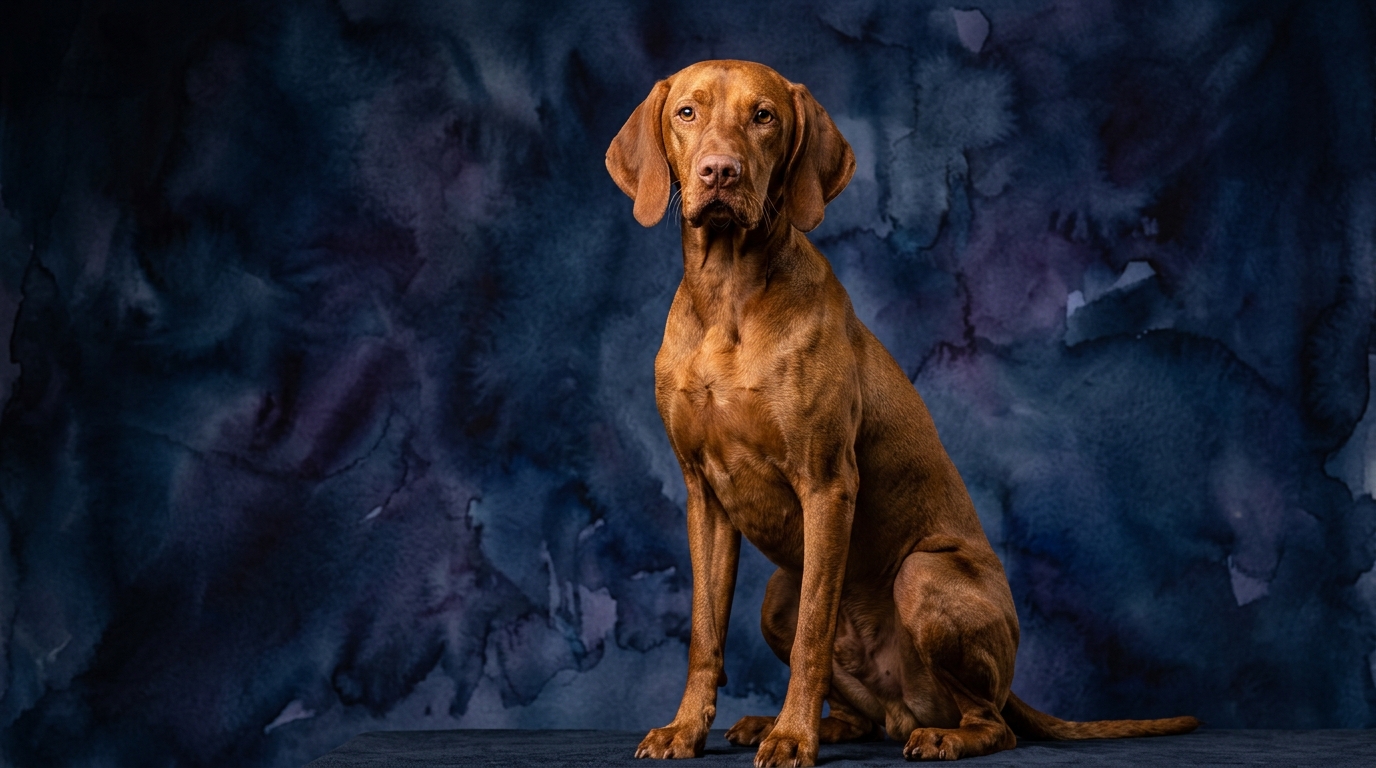
The Cosmic Pet Pet IQ Lab's framework offers a detailed look at the specific cognitive strengths of each breed. The Vizsla, ranked #31 by Coren, embodies the traits of a dedicated sporting dog. Their Problem Solving is rated 4/5, reflecting an ability to navigate complex environments and devise solutions in hunting scenarios. Training Speed, also 4/5, indicates a quick grasp of commands and routines, eager to learn new tasks. Social Intelligence stands at an impressive 5/5, showcasing a profound understanding of human cues and emotional states, vital for close partnership. Their Instinctive Drive, a perfect 5/5, speaks to a powerful inherent motivation for seeking, retrieving, and physical exertion. Memory, rated 4/5, allows them to recall intricate commands and past experiences effectively, essential for consistent performance.
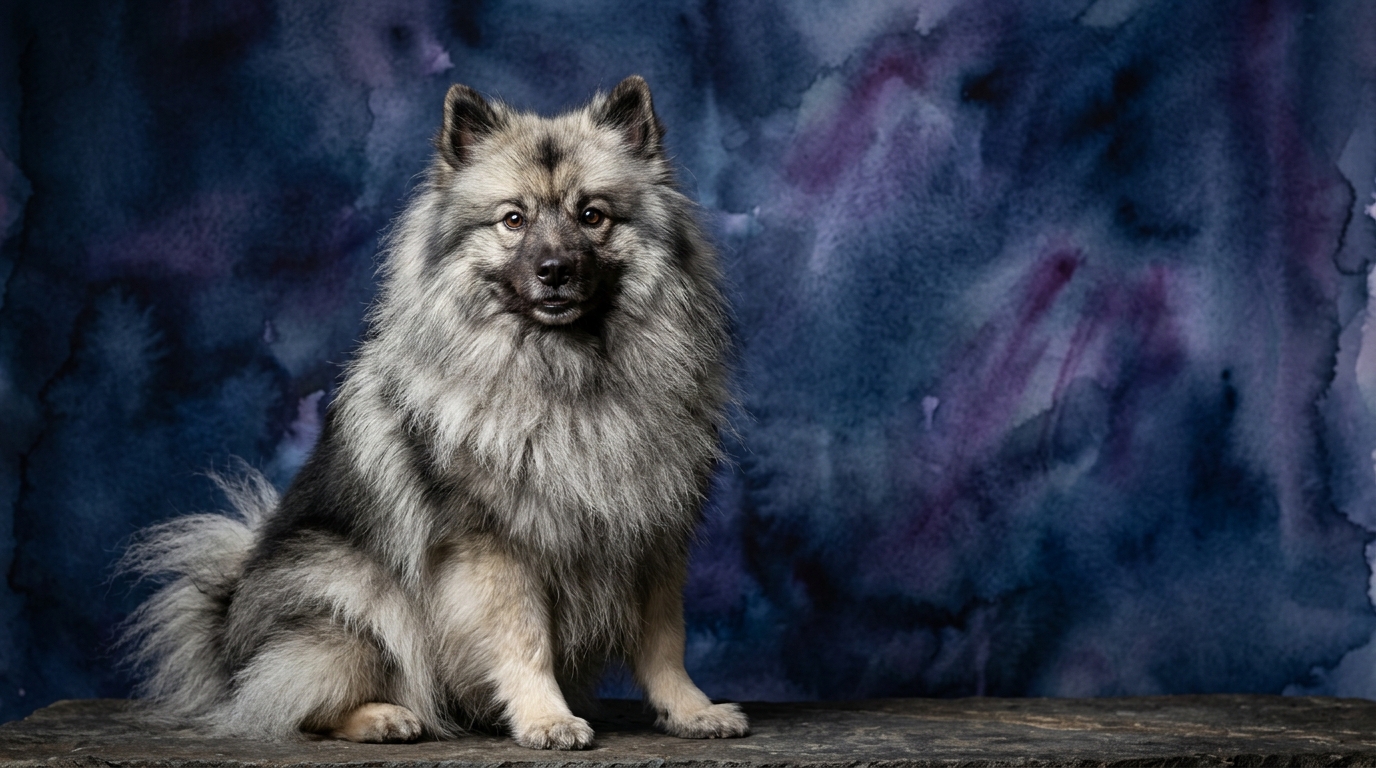
The Keeshond, holding a Coren rank of #16, presents a different, yet equally compelling, cognitive makeup, optimized for companionship and observation. Their Problem Solving is 4/5, demonstrating a capacity for figuring out novel situations, often related to their domestic environment or for personal gain. Training Speed, also 4/5, suggests they learn new behaviors efficiently, though perhaps with a different motivation than a working dog. Social Intelligence is 3/5, indicating a good understanding of human interaction but potentially a more independent streak compared to highly co-dependent breeds. Instinctive Drive is 3/5, reflecting a moderate level of inherent motivation, less geared towards intense physical tasks and more towards vigilance or companionship. Memory, however, shines at 5/5, allowing them to retain information, routines, and experiences with exceptional clarity and duration.
Where the Vizsla Wins Cognitively
The Vizsla's cognitive strengths distinctly align with their historical role as a versatile hunting companion, particularly in areas demanding dynamic interaction and physical prowess. Their perfect 5/5 Social Intelligence is a standout, enabling them to form exceptionally strong bonds with their human handlers, often anticipating needs and responding to subtle cues with remarkable precision. This translates into a dog that isn't just obedient, but deeply attuned to its owner's mood and intentions, making them natural partners in complex activities.
Coupled with their 5/5 Instinctive Drive, Vizslas excel in tasks requiring sustained motivation, focus on a goal, and the drive to pursue and retrieve. Whether it's tracking scents, navigating varied terrain, or performing intricate agility sequences, their innate desire to work and their capacity for sustained effort give them an edge. This combination means a Vizsla will often initiate engagement, seeking out opportunities to participate and requiring less external prompting once a task is understood. Their problem-solving abilities, at 4/5, are frequently applied in real-time, dynamic situations, such as finding a hidden object or figuring out the quickest route through an obstacle course, driven by that powerful internal motivation.
Where the Keeshond Wins Cognitively
The Keeshond's cognitive profile emphasizes a different set of strengths, primarily centered around observation, retention, and independent thought, making them adept companions. Their most striking cognitive advantage lies in their 5/5 Memory. This superior recall allows a Keeshond to master complex routines, remember specific commands for extended periods, and retain detailed information about their environment and the people within it. They are likely to remember past interactions, positive or negative, with precision, which can be a double-edged sword: excellent for reinforcing good habits, but also for holding onto perceived slights.
This exceptional memory also underpins their problem-solving ability (4/5), as they can draw upon a vast reservoir of past experiences to navigate new challenges, often finding clever, sometimes self-serving, solutions. While their Social Intelligence is 3/5, suggesting a more discerning approach to relationships, this doesn't mean a lack of affection; rather, it indicates an independent mind that chooses its engagements deliberately. Their moderate Instinctive Drive (3/5) means they are less compelled by external pressures to "work" and more by internal logic or the desire to maintain their comfortable routine, making them thoughtful observers of their surroundings rather than constant participants.
Training Dynamics: Vizsla vs. Keeshond
When evaluating ease of training, the distinction between a Vizsla and a Keeshond becomes particularly clear, stemming from their core motivations and social orientation. The Vizsla, with its 4/5 Training Speed and unparalleled 5/5 Social Intelligence, often presents as the "easier" dog to train for most owners seeking a responsive partner. Their deep desire to please their human and their acute sensitivity to human cues mean they are highly motivated by positive reinforcement and social interaction. A Vizsla thrives on collaboration and quickly understands what is expected of them, often anticipating commands before they are even fully given. Their 5/5 Instinctive Drive further fuels their engagement in training, especially when it involves movement, scent work, or retrieving. This means they are less likely to "check out" during a training session and more likely to commit fully.
The Keeshond, while matching the Vizsla's 4/5 Training Speed, approaches learning with a more independent spirit, influenced by their 3/5 Social Intelligence and 3/5 Instinctive Drive. They learn commands efficiently due to their excellent 5/5 Memory, but their motivation might be different. A Keeshond might learn a command perfectly but choose not to execute it if they don't see the immediate benefit or if something more interesting captures their attention. Training a Keeshond often requires more patience, consistency, and a greater emphasis on making the training itself rewarding and fun, rather than relying solely on the desire to please. They are not less capable of learning, but their willingness to perform on command is more conditional, reflecting their thoughtful and sometimes stubborn nature.
Matching Breeds to Lifestyles: Active vs. Relaxed Owners
The cognitive and behavioral profiles of the Vizsla and Keeshond create distinct matches for different owner lifestyles. For active owners, the Vizsla is often the quintessential match. Their 5/5 Instinctive Drive and 4/5 Problem Solving mean they require significant physical and mental engagement daily. A Vizsla thrives when given a "job," whether it's long runs, hiking, field work, or participating in dog sports like agility or dock diving. Their robust memory and quick training speed make them excellent candidates for advanced obedience or complex trick training that keeps their minds occupied. Owners who lead an adventurous outdoor life and want a canine partner to share every moment, one who is eager to participate and constantly engaged, will find the Vizsla's temperament and cognitive makeup perfectly aligned. Their high social intelligence means they genuinely enjoy being an integral part of family activities and will often initiate play or seek interaction.
Conversely, the Keeshond, with its moderate 3/5 Instinctive Drive and 5/5 Memory, is often a better fit for more relaxed owners, though "relaxed" doesn't mean sedentary. Keeshonds still benefit from regular walks and mental stimulation, but they are generally content with a less rigorous schedule than a Vizsla. Their strong memory means they excel at learning routines and will appreciate a predictable environment. While they enjoy playtime and affection, their lower social intelligence compared to the Vizsla means they are often more self-sufficient and can be content observing family life from a comfortable spot. Owners who appreciate a dog that is alert and attentive but not constantly demanding high-energy interaction will find the Keeshond's calm demeanor and thoughtful nature appealing. They are excellent companions for those who enjoy a brisk walk, a puzzle toy, and a quiet evening by their side, rather than a demanding training regimen or intense sporting pursuits.
The Verdict
Choose a Vizsla if you are an active, outdoors-oriented individual or family seeking a highly engaged, collaborative canine partner for sports, adventure, and constant interaction. Their deep desire to work alongside you and their boundless energy make them ideal for a dynamic lifestyle.
Opt for a Keeshond if you appreciate a thoughtful, observant companion with an exceptional memory, suited for a more relaxed but still engaged home life, where consistency and a predictable routine are valued. They offer devoted companionship without the intense physical demands of a working breed.
🧠 Find Your Pet's IQ Score
Our Pet IQ Lab assessment covers 25+ tests across 5 cognitive dimensions — personalized to your breed.
Take the Full IQ Test →Frequently Asked Questions
Is a Vizsla or Keeshond better for a first-time dog owner?
A Vizsla's intense energy and social demands can be challenging for a first-time owner not prepared for their commitment. A Keeshond, while still requiring consistent training, might be a more manageable choice for a novice due to their more moderate exercise needs and independent streak, provided the owner is committed to mental stimulation.
Do Keeshonds really remember things more than Vizslas?
Yes, according to their cognitive profiles, Keeshonds have a 5/5 memory compared to the Vizsla's 4/5. This means Keeshonds are likely to retain commands, routines, and experiences with exceptional clarity and for longer durations, which can be advantageous in establishing consistent behaviors.
Which breed requires more mental stimulation?
While both breeds benefit from mental engagement, the Vizsla's high instinctive drive and problem-solving skills often translate into a greater need for constant mental challenges and tasks. The Keeshond also requires mental stimulation, but their excellent memory means they may find satisfaction in mastering complex routines rather than constantly seeking novel, high-intensity puzzles.