Side-by-Side IQ Profile: Vizsla vs. Norwegian Buhund
The Cosmic Pet Pet IQ Lab employs a five-dimensional framework to assess canine intelligence, providing a nuanced view beyond simple obedience. Here's how the Vizsla and Norwegian Buhund measure up:
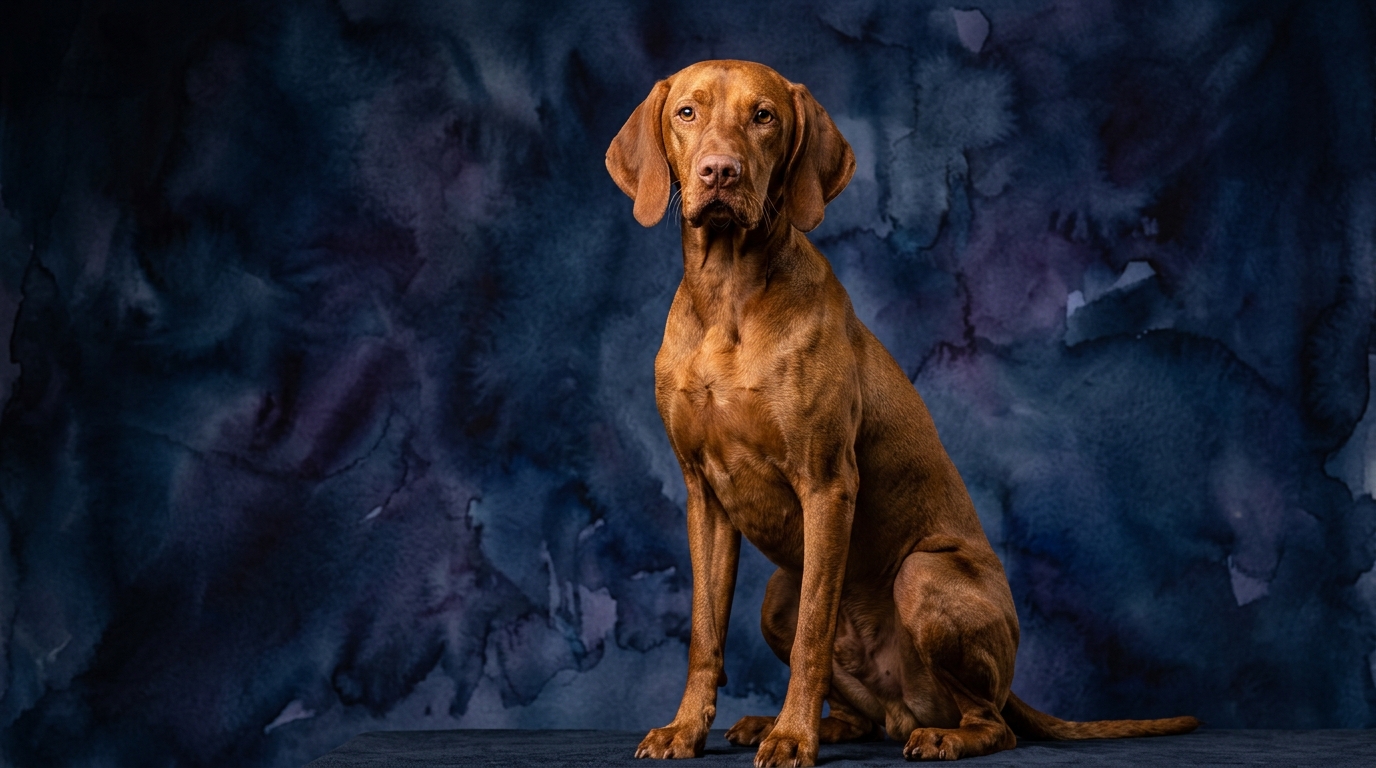
**Vizsla (Sporting Group, Coren Rank #31):**
**Problem Solving (4/5):** Vizslas show strong aptitude for navigating new situations and devising solutions, often employing keen observation and adaptable strategies to overcome environmental challenges. Their field work demands quick, effective cognitive processing.
**Training Speed (4/5):** These dogs acquire new commands and routines with impressive swiftness, frequently needing fewer repetitions. Their inherent drive and willingness to please make them highly receptive and efficient learners.
**Social Intelligence (5/5):** A hallmark trait, Vizslas exhibit exceptional attunement to human moods and intentions, fostering profound empathy and strong communicative bonds. This deep understanding of social dynamics enhances their partnership.
**Instinctive Drive (5/5):** Their hunting heritage instills a powerful prey drive and an innate desire for purposeful work alongside their human. This intense internal motivation requires consistent, channeled engagement.
**Memory (4/5):** Vizslas possess a solid memory for commands, learned routines, and past experiences, contributing to their reliability and ability to form lasting associations.
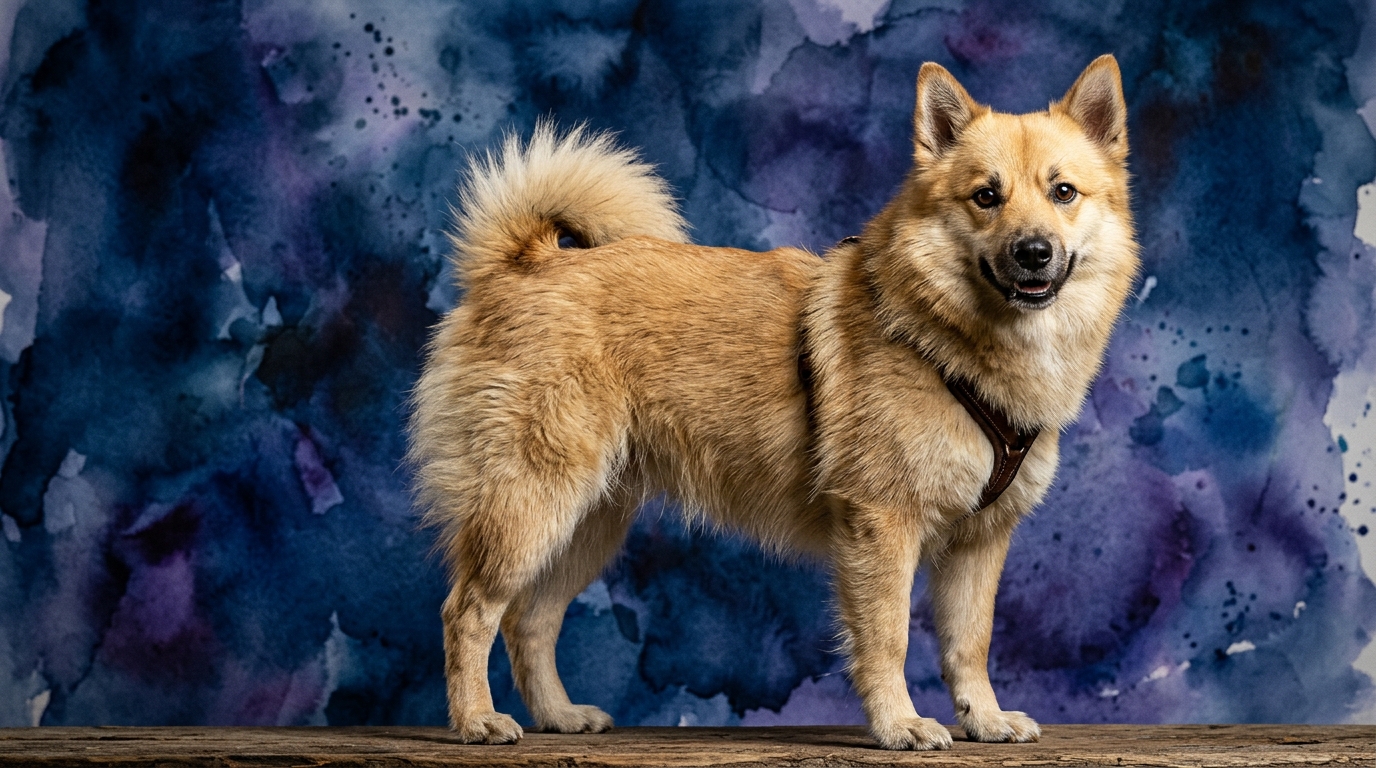
**Norwegian Buhund (Herding Group, Not Coren-Ranked):**
**Problem Solving (3/5):** Buhunds exhibit a moderate capacity for problem-solving, often favoring learned patterns or herding instincts over abstract reasoning in novel situations. They may require more direct guidance.
**Training Speed (3/5):** These dogs learn at a steady pace, benefiting from consistent, positive reinforcement and clear structure. They are receptive but may require more repetition than breeds with higher scores.
**Social Intelligence (3/5):** While affectionate with their families, Buhunds' social intelligence is more focused on their immediate pack, showing moderate sensitivity to subtle human emotional shifts. They are generally friendly within their established circle.
**Instinctive Drive (3/5):** Their herding drive is present but less intensely specialized than a hunting drive, manifesting as a desire to gather and manage their 'flock.' This drive is channeled into watchful supervision.
**Memory (3/5):** Buhunds demonstrate reliable memory for training and routines within their familiar environment, adequately recalling commands and experiences without the same detailed retention for complex sequences.
Where the Vizsla Excels Cognitively
The Vizsla's cognitive profile consistently outpaces the Norwegian Buhund across all measured dimensions, particularly in social intelligence, instinctive drive, and training speed. Their 5/5 social intelligence highlights an exceptional ability to read human cues and form profound, almost intuitive bonds, a trait significantly more pronounced than the Buhund's 3/5. This makes Vizslas remarkably perceptive and empathetic partners. Furthermore, the Vizsla's 5/5 instinctive drive, stemming from their demanding hunting heritage, means they possess a deep internal motivation for tasks and direction. This inherent drive, coupled with a 4/5 training speed, allows them to absorb complex sequences and commands with fewer repetitions, making them highly efficient learners compared to the Buhund's 3/5 in training speed. Their 4/5 problem-solving also indicates greater adaptability and a more proactive approach to novel challenges.
Where the Norwegian Buhund Shows Unique Cognitive Strengths
While the Vizsla holds a numerical edge, the Norwegian Buhund's cognitive strengths lie in the *nature* of its herding intelligence and a resilient, self-reliant mindset. Their 3/5 instinctive drive, though lower, is geared towards watchful, protective, and organizational impulses rather than intense prey pursuit. This fosters an independent problem-solving approach in certain contexts. A Buhund's historical role demanded self-sufficiency in remote settings, nurturing a practical, robust discernment distinct from a need for constant human partnership. Their 3/5 social intelligence, while less empathetic than a Vizsla's, provides a solid, loyal connection within their family, often less prone to the intense 'velcro dog' tendencies, allowing for a degree of independent thought and action that some owners value. This enables them to be content with more self-directed periods while remaining keenly aware of their family's general well-being.
Which Breed is Easier to Train and Why?
Based on Cosmic Pet Pet IQ Lab data, the Vizsla is demonstrably easier to train than the Norwegian Buhund. The Vizsla's 4/5 training speed, combined with 5/5 social intelligence and 5/5 instinctive drive, creates a powerful synergy for teachability. Vizslas possess an innate desire to work alongside humans, making them exceptionally responsive and eager to please. Their profound social attunement means they quickly grasp subtle cues and intentions, reducing repetition. Furthermore, their strong instinctive drive provides internal motivation; when channeled into training, they become remarkably focused and tenacious students. In contrast, the Buhund's 3/5 in both training speed and social intelligence suggests a more deliberate learning process. While willing, Buhunds require more patience, consistent positive reinforcement, and clear structure. Their herding instinct, less intensely focused on human partnership than a hunting dog's drive, means their motivation might be more internal or situation-dependent, requiring trainers to be more creative in engagement.
Matching Canine Cognition to Owner Lifestyles
The Vizsla unequivocally suits active owners who embrace a dynamic lifestyle. Their 5/5 instinctive drive and high energy demand substantial daily physical exercise and mental engagement. A Vizsla thrives on long runs, demanding retrieve games, scent work, or dog sports. Their need for continuous partnership and profound social intelligence means they are 'velcro dogs' desiring constant interaction and purposeful activity with their family. Owners dedicating several hours daily to their Vizsla's stimulation will find a deeply rewarding, athletic companion. Conversely, the Norwegian Buhund, while active, aligns better with owners maintaining a moderately active lifestyle who appreciate canine independence. Their herding background means they enjoy being outdoors, patrolling, or going on decent walks, but generally lack the relentless energy of a Vizsla. A Buhund's 3/5 instinctive drive is more about watchful engagement and bursts of activity, less constant motion. They can tolerate more alone time, provided exercise and companionship needs are met, fitting owners with slightly less time for intense, daily dog-centric activities.
The Verdict
Choose a Vizsla if you are an exceptionally active individual or family seeking a highly engaged, intensely social, and profoundly trainable partner for demanding activities and constant companionship. Their cognitive profile demands significant daily investment in physical exercise and mental challenges, rewarding you with an incredibly devoted and perceptive canine athlete.
Opt for a Norwegian Buhund if you appreciate a moderately active, self-reliant, and watchful companion who enjoys participating in family life without the same intense demand for constant, high-energy interaction. Their resilient nature and steady intelligence make them a loyal guardian for those seeking a more independent, yet still affectionate, presence.
🧠 Find Your Pet's IQ Score
Our Pet IQ Lab assessment covers 25+ tests across 5 cognitive dimensions — personalized to your breed.
Take the Full IQ Test →Frequently Asked Questions
Are Vizslas prone to separation anxiety due to their high social intelligence?
Yes, Vizslas' exceptional social intelligence (5/5) and strong desire for companionship can make them susceptible to separation anxiety if not properly socialized and trained for independence. Their "velcro dog" nature means they thrive on constant human interaction and can become distressed if left alone for extended periods without adequate stimulation.
Can a Norwegian Buhund live in an apartment, given its herding background?
While adaptable, Norwegian Buhunds' herding background and moderate instinctive drive (3/5) mean they thrive best with a yard and regular opportunities for exercise and mental engagement. Apartment living is possible but requires a dedicated owner to provide consistent daily walks, playtime, and mental enrichment to prevent boredom.
How do the different instinctive drives impact daily life for these breeds?
A Vizsla's 5/5 hunting drive translates to a powerful prey drive and constant readiness for action, requiring owners to channel this energy into structured activities like retrieving or scent work. The Buhund's 3/5 herding drive manifests as a watchful nature, a desire to "gather" family, and alertness to surroundings, making them good watchdogs but less prone to intense pursuit.