Side-by-Side Cognitive Profiles
The Cosmic Pet Pet IQ Lab employs a comprehensive five-dimensional framework to assess canine intelligence, moving beyond simplistic notions to explore the nuances of a breed's cognitive strengths. For the Vizsla and the Nova Scotia Duck Tolling Retriever, this framework illuminates their unique mental landscapes.
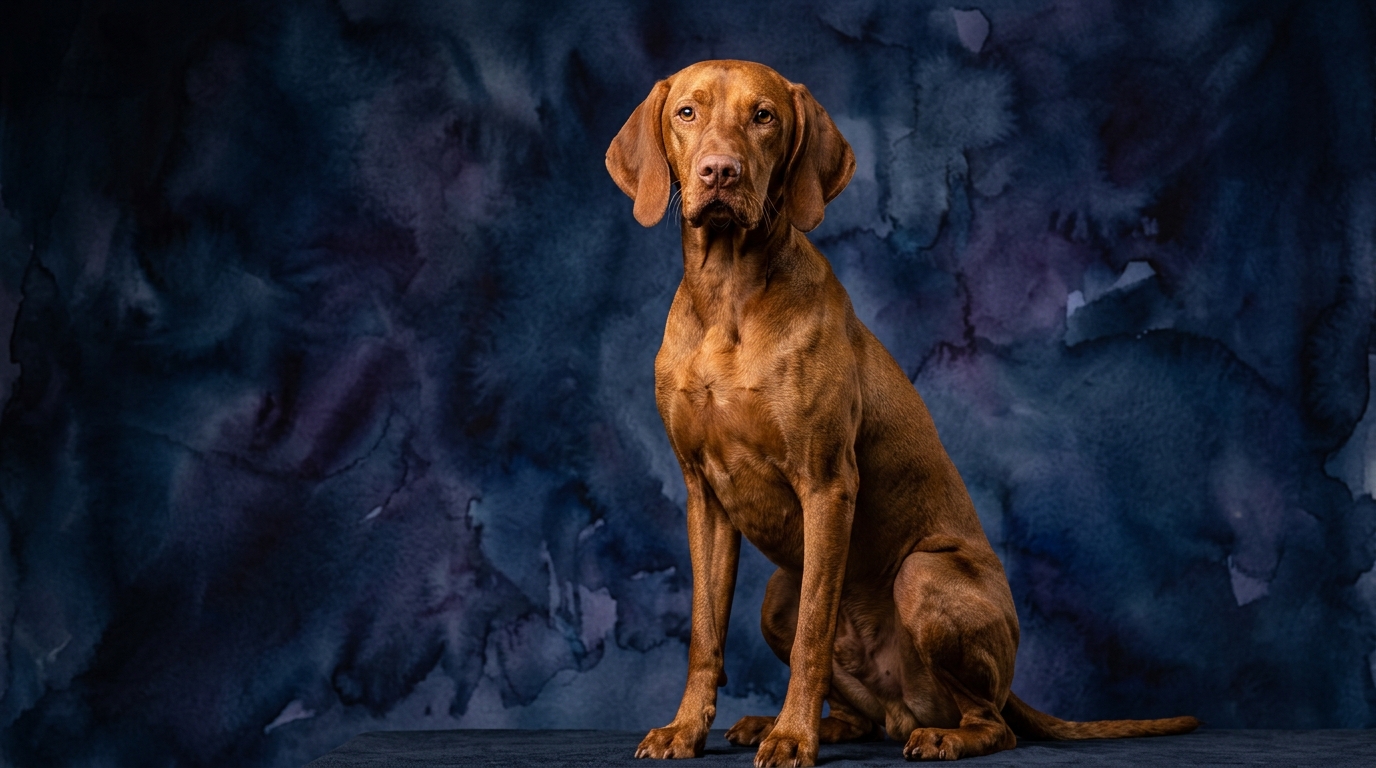
The Vizsla, holding Coren rank #31, demonstrates a well-rounded and often superior cognitive capacity across multiple dimensions. Their Problem Solving is rated 4/5, indicating a notable capacity for analytical thinking, often scrutinizing novel situations and devising clever strategies to achieve their objectives. This might involve intricate puzzle toys, navigating complex environments, or even figuring out how to open doors, showcasing an adaptive intelligence that goes beyond simple trial-and-error. Their Training Speed of 4/5 reflects their remarkable eagerness to learn and strong desire to collaborate with their human partners, often picking up new commands and routines with impressive swiftness. Social Intelligence is where Vizslas truly shine with a perfect 5/5, displaying an almost unparalleled ability to read human emotions, intentions, and subtle body language; they form exceptionally deep, empathetic bonds with their families, often anticipating needs and reacting with profound sensitivity. Their Instinctive Drive is also 5/5, intensely powerful and deeply ingrained for pointing, retrieving, and tracking, manifesting as unwavering focus and relentless determination in the field. Lastly, their Memory is 4/5, enabling them to retain complex sequences of commands, intricate scent trails, and past experiences with considerable detail and longevity.
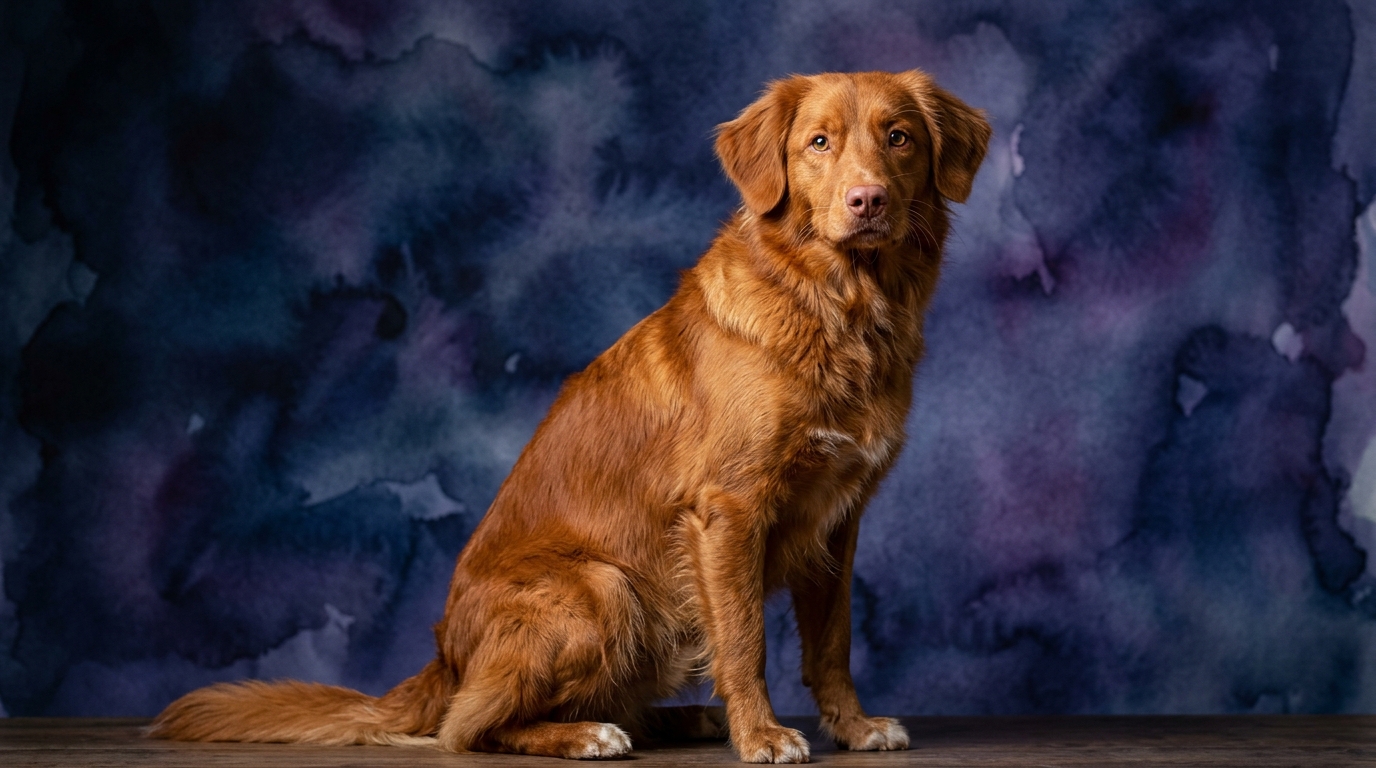
The Nova Scotia Duck Tolling Retriever, while not Coren-ranked, possesses a distinct set of working abilities and cognitive traits. Their Problem Solving is rated 3/5, demonstrating a moderate aptitude for mastering straightforward tasks and routines through consistent practice. While they can figure out solutions to common challenges, they might require more structured guidance for complex, abstract problems, often relying more on established patterns than spontaneous innovation. Training Speed for Tollers is 3/5; they are intelligent and willing learners, but typically require a more patient and consistent training approach compared to breeds with higher scores, often needing more repetitions to fully grasp new commands. Their Social Intelligence is 3/5; while affectionate and devoted to their immediate family, Tollers tend to be more reserved with strangers and less overtly expressive in reading subtle human emotional shifts, with their social interactions often being more direct and task-oriented. Instinctive Drive is also 3/5; their namesake “tolling” and retrieving instincts are present and effective, but their drive tends to be less singularly intense than some high-octane sporting breeds, and their intensity is often more manageable for a wider range of owners. Finally, their Memory is 3/5, a reliable functional memory enabling them to recall basic commands, routines, and familiar environments effectively, though perhaps not retaining highly intricate multi-step tasks with the same long-term recall as breeds scoring higher.
Where the Vizsla Excels Cognitively
Vizslas exhibit a clear cognitive edge in social intelligence, scoring a perfect 5/5. This translates to an almost uncanny ability to read and respond to human emotions, forming extraordinarily deep, intuitive bonds and making them exceptionally responsive companions. Their 4/5 in problem-solving also means they are more likely to independently strategize and overcome obstacles, showcasing adaptive thinking that can be both impressive and, occasionally, mischievous. The Vizsla's 5/5 instinctive drive is also more pronounced, manifesting as a relentless focus and determination in field work, making them highly dedicated partners for hunting or advanced dog sports where intense, sustained effort is paramount.
Where the Nova Scotia Duck Tolling Retriever Shines Cognitively
While the Toller's scores are generally moderate, their cognitive profile is well-suited for specific roles and lifestyles. Their 3/5 in instinctive drive, though lower than the Vizsla, means their working intensity is often more manageable for owners who desire a capable hunting companion without the constant, all-consuming drive that some high-score breeds possess. This allows them to switch off from work more readily and integrate into a more relaxed home environment. Their moderate problem-solving (3/5) encourages owners to engage them in structured learning and collaborative training, fostering a partnership where the owner guides the dog through challenges rather than relying solely on the dog's independent ingenuity, which can sometimes lead to unwanted self-taught behaviors.
Trainability: Vizsla vs. Toller
The Vizsla, with its impressive 4/5 training speed and exceptional 5/5 social intelligence, generally presents a more straightforward and rewarding training experience. Their inherent eagerness to please, coupled with their profound capacity to understand and respond to human cues, means they absorb new commands and behaviors with remarkable speed and enthusiasm. They thrive on positive reinforcement and the close partnership forged during training, often requiring fewer repetitions to solidify a behavior and demonstrating a keen desire to anticipate their owner's next instruction. This makes them highly responsive and a joy to guide through complex sequences, often performing with a seamless grace that speaks to their collaborative spirit.
In contrast, the Nova Scotia Duck Tolling Retriever, scoring 3/5 in training speed and social intelligence, typically requires a more patient, consistent, and creative approach. While intelligent and capable of learning a vast array of commands, Tollers can sometimes exhibit a more independent streak. They may need more repetitions to fully ingrain new behaviors, and repetitive drills can lead to disengagement if not made interesting. Their focus tends to be more on the task itself rather than overtly seeking social appeasement, meaning trainers need to be adept at finding varied motivators and keeping sessions novel and stimulating to maintain their attention and drive. Understanding their innate working tendencies and channeling them into productive training exercises is key to success, as a bored Toller might invent their own less desirable activities.
Ideal Owners: Active Pursuits or Relaxed Companionship?
The Vizsla is unequivocally suited for highly active owners. Their 5/5 instinctive drive and 4/5 memory for complex tasks demand significant physical and mental engagement, thriving on long runs, demanding field work, or competitive dog sports like agility, obedience, or scent work. A Vizsla without sufficient outlets for their energy and mental acuity might become restless, destructive, or develop undesirable behaviors stemming from boredom. They need a partner who can match their enthusiasm for adventure and provide consistent, purposeful activity. A relaxed owner might find themselves overwhelmed by a Vizsla's profound need for constant stimulation and purposeful engagement, as these dogs are truly working machines that thrive on having a job.
The Nova Scotia Duck Tolling Retriever, while still a sporting breed, offers a more adaptable energy level. Their 3/5 instinctive drive, combined with a 3/5 social intelligence, means they enjoy activity but can also be content with a moderate exercise routine, provided they receive mental enrichment and quality time with their family. They suit active owners who enjoy outdoor pursuits like hiking, fetching, or casual field work but also appreciate a dog that can transition gracefully to a more relaxed home life without becoming overly destructive or restless. Tollers are excellent companions for families that enjoy a balance of outdoor adventure and cozy evenings at home, as long as their core needs for exercise and mental stimulation are consistently met.
The Verdict
Choose the Vizsla if you are a dedicated, active owner seeking a profoundly connected and highly responsive partner for rigorous outdoor activities, advanced training, or competitive dog sports, appreciating a dog that actively seeks to understand and please.
Opt for the Nova Scotia Duck Tolling Retriever if you desire a spirited, capable sporting companion with a moderate drive that can enjoy both active pursuits and more relaxed family time, and you are prepared for a consistent, patient training approach.
🧠 Find Your Pet's IQ Score
Our Pet IQ Lab assessment covers 25+ tests across 5 cognitive dimensions — personalized to your breed.
Take the Full IQ Test →Frequently Asked Questions
Are Vizslas good with children given their social intelligence?
Vizslas, with their 5/5 social intelligence, are often very good with children, demonstrating empathy and a strong desire to be part of the family unit. However, their high energy and enthusiastic nature mean supervision is crucial, especially with very young children, to ensure gentle interactions and prevent accidental bumps during play.
Do Nova Scotia Duck Tolling Retrievers bark a lot?
Tollers are known for their distinctive “toller scream” and can be quite vocal, especially when excited, frustrated, or when alerting to strangers, which aligns with their moderate social intelligence and watchfulness. Consistent training from a young age can help manage excessive barking and channel their vocalizations appropriately, but their tendency to vocalize is a notable breed trait.
Which breed is better for first-time dog owners?
The Vizsla's quicker training speed and strong social intelligence can make them a rewarding, albeit energetic, choice for a first-time owner committed to meeting their significant exercise and mental stimulation needs. The Toller, while also trainable, might present more challenges for a novice due to its slightly more independent nature and need for consistent, engaging, and often creative training methods to maintain focus and motivation.