Side-by-Side Cognitive Profile
The Cosmic Pet Pet IQ Lab employs a five-dimensional framework to assess canine cognition, offering a granular view beyond simplistic labels. Here's how the Vizsla and Otterhound compare across these specific traits:
**Vizsla Scores:** Problem Solving (4/5), Training Speed (4/5), Social Intelligence (5/5), Instinctive Drive (5/5), Memory (4/5).
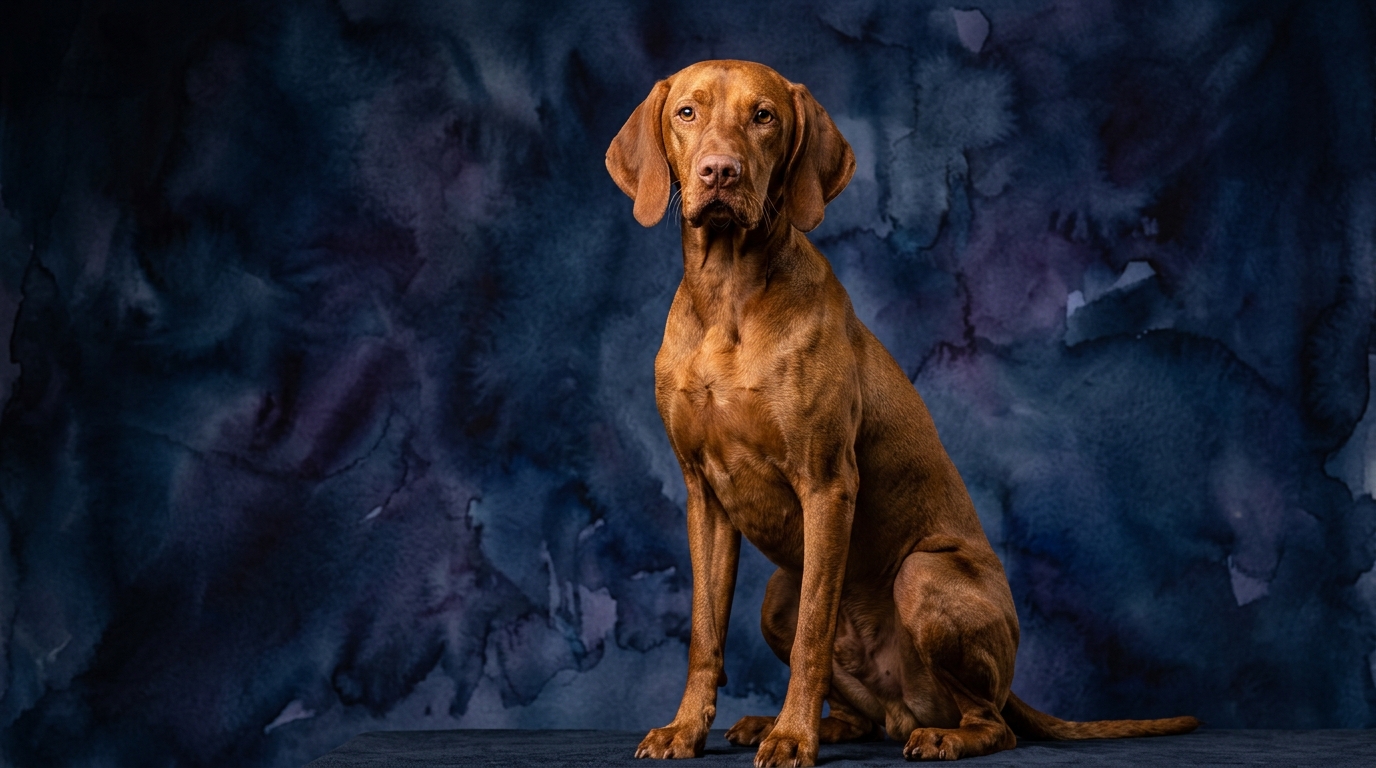
**Vizsla Cognitive Breakdown:** With a Problem Solving score of 4/5, the Vizsla demonstrates a strong capacity for independent thought and strategic action, often figuring out how to achieve goals like opening gates or retrieving objects, showcasing adaptive thinking. Their 4/5 Training Speed means they quickly grasp new commands and routines, absorbing information rapidly and connecting actions with consequences, making them highly responsive to consistent training. A perfect 5/5 in Social Intelligence signifies exceptional attunement to human emotions and cues; Vizslas are deeply connected to families, anticipating needs, mirroring moods, and seeking close interaction for collaborative partnership. Their 5/5 Instinctive Drive reflects an intense, inherent motivation for breed-specific tasks like hunting and retrieving, manifesting as boundless energy, a keen desire to work, and persistent focus. Finally, their 4/5 Memory indicates they retain learned behaviors, routes, and associations over extended periods, contributing to consistent training performance and recall of complex actions or locations.
**Otterhound Scores:** Problem Solving (3/5), Training Speed (3/5), Social Intelligence (3/5), Instinctive Drive (3/5), Memory (3/5).
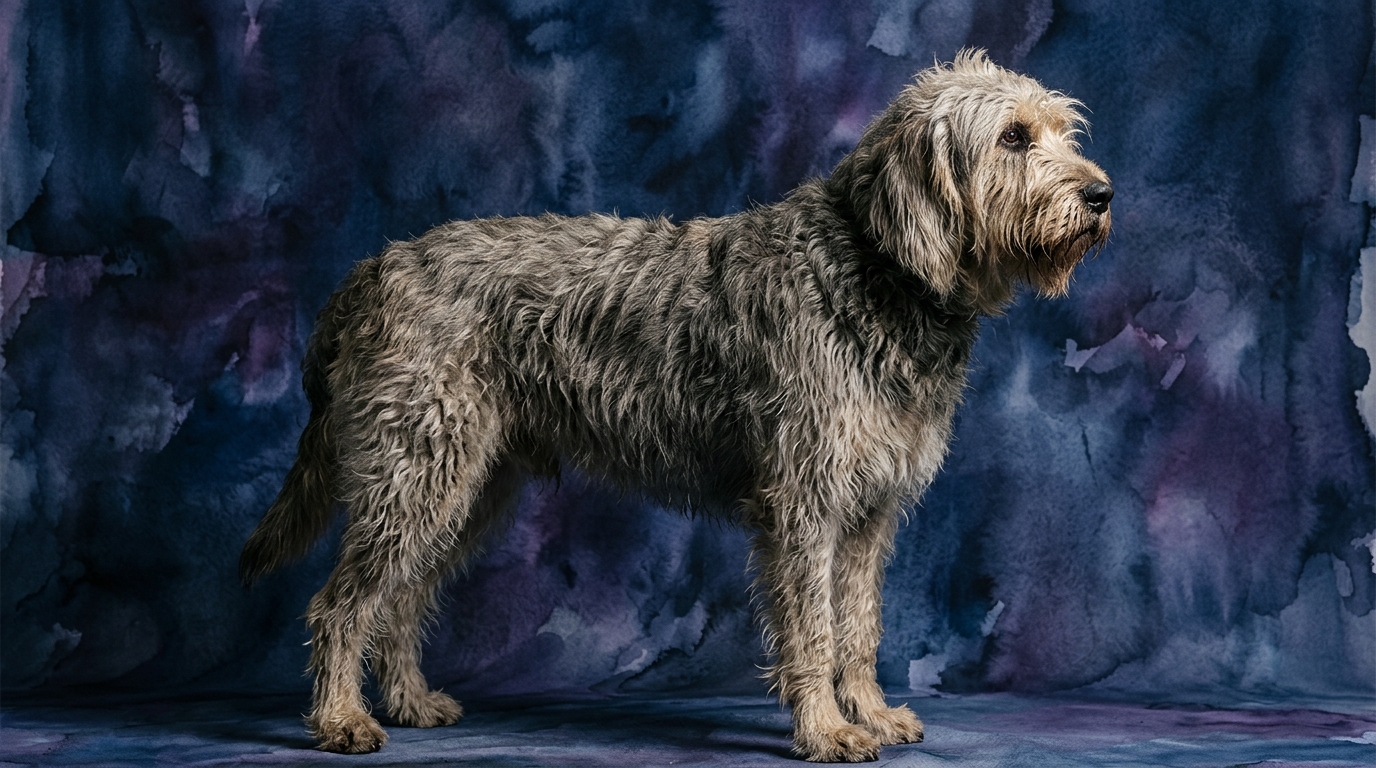
**Otterhound Cognitive Breakdown:** The Otterhound's 3/5 in Problem Solving shows they are capable of navigating challenges, often relying on persistence and their nose rather than complex strategic planning, methodically working through scent-related issues. Their 3/5 Training Speed means they learn at a moderate pace, requiring patience and consistency due to their independent hound nature which can prioritize environmental stimuli over human instruction. A 3/5 in Social Intelligence indicates they are affectionate but more independent socially, enjoying companionship without intense emotional mirroring or constant seeking of human validation, often content to observe. Their 3/5 Instinctive Drive is primarily focused on scent work and tracking, less about human collaboration and more about following their powerful nose, persistent in pursuit of a trail. Their 3/5 Memory reflects a functional memory for learned commands and routines, especially those associated with hunting instincts, though recall can be selective, influenced by immediate distractions like scent.
Where the Vizsla Excels Cognitively
The Vizsla's cognitive profile highlights a dog built for dynamic partnership. Their perfect 5/5 social intelligence signifies exceptional attunement to human emotions and intentions, translating into a dog that often anticipates commands and thrives on reciprocal interaction. Coupled with a 5/5 instinctive drive, Vizslas possess an internal engine for sustained activity and a compelling desire to work alongside their human partners, whether in field sports or advanced obedience. Their 4/5 problem-solving ability allows them to navigate complex tasks with ingenuity, often finding creative solutions to obstacles, while a 4/5 training speed means they pick up new concepts and commands with remarkable alacrity. This combination of cognitive strengths results in a breed that is not only capable but deeply eager to learn and collaborate, flourishing in environments that offer consistent mental and physical challenges.
Where the Otterhound Shows Unique Strengths
While the Otterhound's scores appear more moderate in a general comparison, their cognitive strengths are uniquely tailored to their heritage as a scent hound. Their 3/5 instinctive drive, intensely focused on olfactory exploration, means their 'win' lies in an unparalleled ability to follow a scent trail with unwavering focus and endurance – a complex cognitive task demanding significant specialized memory and problem-solving within an olfactory context. Their moderate social intelligence (3/5) fosters a degree of independence, allowing them to work autonomously without constant human direction, which was crucial for their original hunting purpose. This independence can be a cognitive advantage for owners who appreciate a dog capable of self-amusement and less prone to intense separation distress. Their 3/5 memory is robust for retaining scent patterns and tracking routes, showcasing a specialized form of cognitive recall. The Otterhound's cognitive profile emphasizes tenacity and sensory mastery over broad collaborative intelligence, making them uniquely effective in tasks requiring deep, persistent olfactory engagement.
Trainability: Vizsla's Eagerness vs. Otterhound's Independence
Comparing training ease, the Vizsla presents a significantly more straightforward experience for most owners. Their 4/5 training speed, combined with a perfect 5/5 social intelligence, means they are highly motivated to understand and please their human counterparts. They absorb new commands rapidly and are eager to engage in structured learning, often perceiving training as a collaborative game rather than a chore. Their strong memory (4/5) ensures that once a concept is learned, it tends to stick. In contrast, the Otterhound's 3/5 training speed and 3/5 social intelligence mean training requires more patience and a different approach. Their independent nature and powerful instinctive drive for scenting can make them easily distracted by environmental odors, often prioritizing these over human commands. While capable of learning, an Otterhound might require more repetition and creative methods to maintain focus, as their motivation is less about pleasing and more about their own interests, particularly their nose. Therefore, consistent, positive reinforcement methods are crucial for both, but the Vizsla's inherent desire for partnership makes the process generally smoother and faster.
Matching Breeds to Owner Lifestyles
For active owners seeking a highly engaged and collaborative partner, the Vizsla is an ideal match. Their 5/5 instinctive drive translates into immense energy and a profound need for regular, vigorous exercise that includes mental stimulation. Owners who enjoy running, hiking, dog sports like agility, or field work will find a Vizsla thrives on these activities, using their 4/5 problem-solving and 4/5 memory to excel. They require daily outlets for their physical and cognitive capacities; otherwise, their pent-up energy can manifest in less desirable behaviors. Conversely, the Otterhound, while still an active breed, might better suit owners who appreciate a dog with a more independent streak and a different kind of activity preference. Their 3/5 instinctive drive is largely focused on scent, meaning they benefit from long, meandering walks where they can follow their nose, or engaging in scent work games. While they need regular exercise, their energy profile is less about constant human-directed interaction and more about persistent exploration. A truly relaxed owner might struggle with either breed's exercise needs, but the Otterhound’s moderate social intelligence means they are often content with less constant human engagement after their physical needs are met, making them a slightly better fit for owners who appreciate some independent downtime.
The Verdict
Choose the Vizsla if you seek an intensely collaborative, highly trainable companion eager for constant engagement in activities like dog sports, field work, or active family life, thriving on mutual interaction and mental challenges.
Opt for the Otterhound if you value a charming, independent companion with a profound love for olfactory exploration, suited for owners who enjoy long, scent-driven walks and appreciate a dog with a more self-reliant disposition.
🧠 Find Your Pet's IQ Score
Our Pet IQ Lab assessment covers 25+ tests across 5 cognitive dimensions — personalized to your breed.
Take the Full IQ Test →Frequently Asked Questions
Are Vizslas prone to separation anxiety due to their high social intelligence?
Vizslas, with their 5/5 social intelligence, form deep bonds and often seek constant interaction. This strong attachment can indeed predispose them to separation anxiety if not properly managed with early training and gradual independence building, as they genuinely thrive on companionship.
Can Otterhounds be trained for obedience despite their independent nature?
Yes, Otterhounds can certainly be trained for obedience, though their 3/5 training speed and independent drive mean it requires more patience and consistency. Positive reinforcement, engaging scent-based rewards, and making training fun are key to working with their unique cognitive style and maintaining their focus.
Which breed would adapt better to living in an apartment if exercise needs are met?
Neither breed is ideally suited for apartment living without significant commitment to daily, vigorous exercise. However, the Vizsla's intense social intelligence and higher energy for human-directed activities might make them more prone to boredom and destructive behavior in a small space without constant stimulation. The Otterhound, while still needing ample outdoor time, might tolerate an apartment better due to their more independent nature and lower demand for constant human interaction once their physical needs are satisfied through dedicated walks and scent work.