Side-by-Side IQ Profile: Vizsla vs. Petit Basset Griffon Vendéen
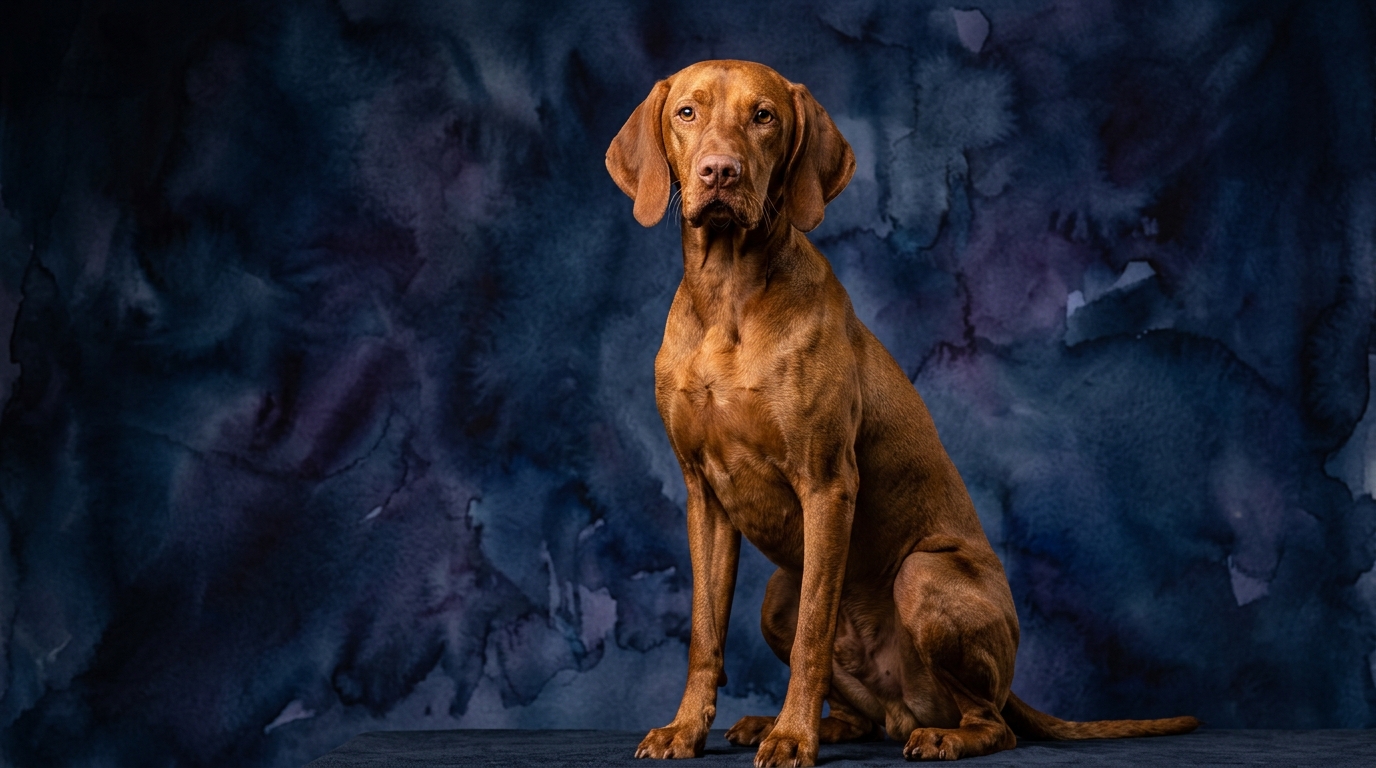
The Vizsla, a Hungarian pointer, consistently demonstrates a sharp intellect, earning a respectable #31 on Stanley Coren's canine intelligence ranking. Their Problem Solving at 4/5 indicates a dog capable of complex reasoning, quickly figuring out how to retrieve toys from tricky spots or navigate novel environments. Training Speed, also 4/5, reflects their eagerness to absorb new commands and routines, often grasping concepts in fewer repetitions than many other breeds. A standout Social Intelligence score of 5/5 highlights their profound connection with humans, showing exceptional ability to read cues, anticipate needs, and form deep bonds, making them highly attuned companions. Their Instinctive Drive, a perfect 5/5, is rooted in their hunting heritage, manifesting as an intense desire to search, point, and retrieve, often with remarkable focus and endurance. Finally, a Memory score of 4/5 suggests they retain learned behaviors and environmental information with impressive longevity, remembering past training sessions or the location of hidden objects.
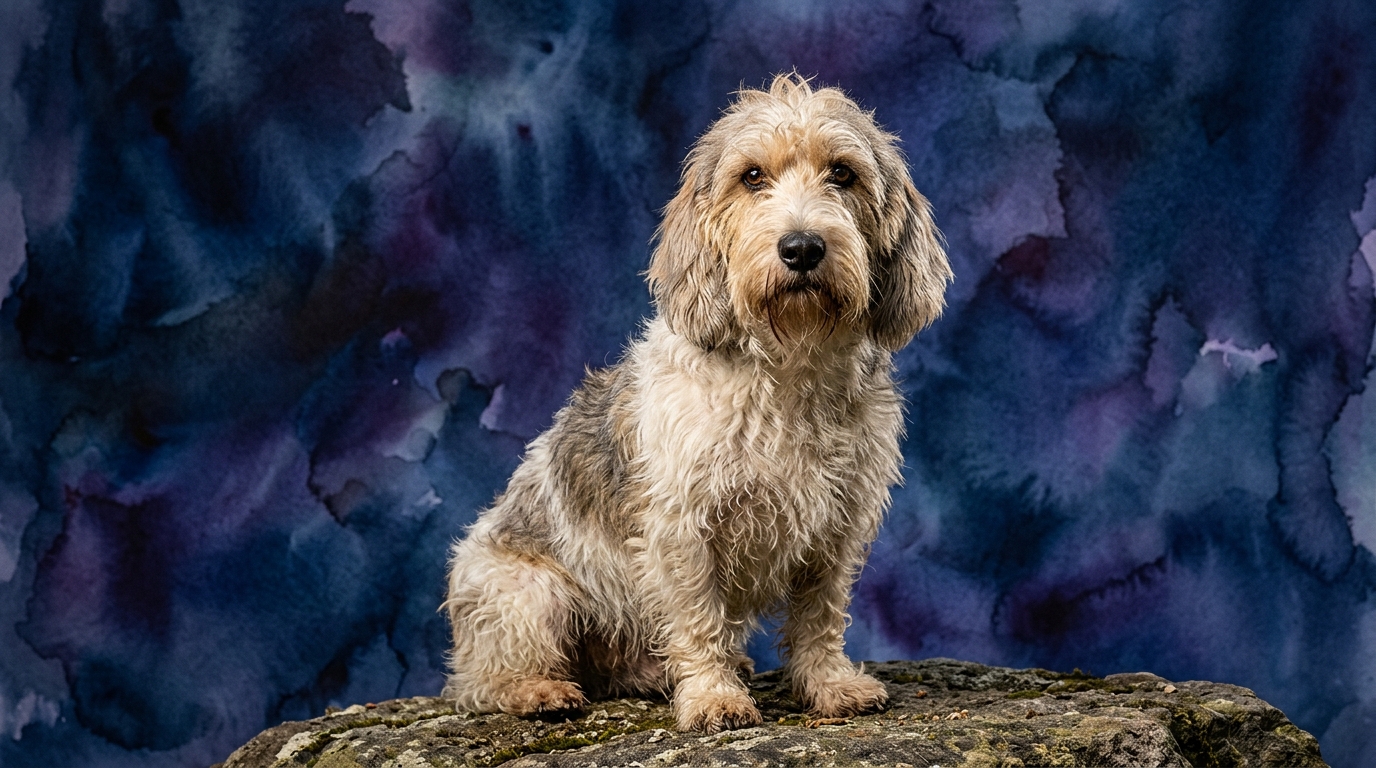
In contrast, the Petit Basset Griffon Vendéen, a charming French scent hound, presents a different cognitive blueprint, reflecting its independent hunting origins. While not featured on Coren's specific ranking, their IQ profile suggests a distinct approach to intelligence. Their Problem Solving at 3/5 indicates they can navigate challenges, but often through persistence and instinct rather than rapid analytical deduction, for instance, figuring out how to get to a scent by trial and error. Training Speed, also 3/5, means they learn at a moderate pace, requiring more patience and consistent repetition to solidify commands, often prioritizing their nose over human instruction. A Social Intelligence score of 3/5 suggests they are affectionate but less overtly attuned to human emotional nuances than the Vizsla, valuing their independence while still enjoying companionship. Their Instinctive Drive, rated 3/5, is profoundly guided by their powerful sense of smell, leading them to follow interesting trails with singular focus, sometimes to the exclusion of other stimuli. Their Memory score of 3/5 implies they remember things well enough for their purposes, but perhaps not with the same detailed recall as breeds bred for complex tasks, often remembering a good scent trail more vividly than a specific command learned weeks ago.
Where the Vizsla Excels Cognitively
The Vizsla's cognitive strengths shine particularly bright in areas demanding close partnership and rapid adaptation. Their superior Social Intelligence (5/5) means they excel at understanding human intentions, making them remarkably intuitive companions who often seem to anticipate their owner's next move. This translates into an almost symbiotic relationship, where a Vizsla can pick up on subtle body language or vocal inflections, adjusting their behavior accordingly. This acute awareness makes them exceptional therapy dogs or service animals, provided their energy needs are met. Coupled with their high Training Speed (4/5), Vizslas absorb new commands and complex sequences with impressive alacrity, often mastering a trick in a handful of repetitions. Their Problem Solving (4/5) also gives them an edge in navigating novel situations or figuring out puzzles, whether it's opening a gate or retrieving an item from an enclosed space. This cognitive flexibility allows them to excel in advanced obedience, agility, and field trials, where quick thinking and responsiveness are paramount. Furthermore, their Instinctive Drive (5/5), while rooted in hunting, is highly trainable and directed, meaning they can channel their intense desire to work into structured tasks, making them formidable partners in canine sports or working roles. Their strong Memory (4/5) ensures that once a lesson is learned, it is not easily forgotten, reinforcing consistent good behavior over time.
Where the Petit Basset Griffon Vendéen Excels Cognitively
While the PBGV's IQ profile doesn't boast the same high numerical scores as the Vizsla, their cognitive makeup is perfectly tailored for their historical role as a robust scent hound, and in this specific domain, they truly excel. Their Instinctive Drive (3/5), though numerically lower, is intensely focused on scent work, giving them an unparalleled ability to follow a trail with unwavering determination, often for hours. This specialized intelligence allows them to dissect complex scent information that would be imperceptible to other breeds, making them exceptional trackers. Their Problem Solving (3/5) manifests not as rapid analytical thought, but as persistent, methodical exploration when confronted with a scent puzzle. A PBGV will tirelessly work through obstacles, using their nose and physical agility to navigate challenging terrain, rather than waiting for human direction. This independence, a hallmark of many hounds, means they are less reliant on constant human instruction, capable of making their own decisions in the field. Their moderate Social Intelligence (3/5) fosters a companionable yet self-sufficient nature, preventing them from becoming overly dependent or anxious when left to their own devices, allowing them to entertain themselves with a good sniffing expedition in the yard. Their Memory (3/5) is particularly strong when it comes to recalling scent trails or areas of past interest, demonstrating a practical, purpose-driven recall rather than an emphasis on human-centric commands.
Training Dynamics: Which is Easier to Train and Why?
Based on their cognitive profiles, the Vizsla is generally easier to train for a wide range of obedience and companion tasks. Their Training Speed (4/5) combined with a high Social Intelligence (5/5) means they are eager to learn and highly responsive to human cues. A Vizsla's desire to please and profound connection with their owner makes them intrinsically motivated to engage in training sessions, often viewing it as a collaborative game. They pick up new commands quickly and are keen to demonstrate their understanding, thriving on positive reinforcement and consistent communication. Real behavioral differences include a Vizsla's tendency to maintain eye contact, check in with their handler, and adjust their behavior based on subtle corrections. In contrast, the Petit Basset Griffon Vendéen presents a more unique training challenge. Their Training Speed (3/5) and lower Social Intelligence (3/5) mean they require more patience and repetition. Crucially, their strong Instinctive Drive (3/5) towards scent often overrides other stimuli. A PBGV's nose is their primary guide, and once they've picked up an interesting trail, their focus can become singular, making recall particularly challenging in distracting environments. They are independent thinkers, bred to make decisions in the field without constant human input, which translates into a dog less inclined to blindly follow commands if a more interesting scent presents itself. Training a PBGV requires understanding their hound nature, making sessions engaging, short, and highly rewarding, often incorporating scent-based games to harness their natural inclinations.
Matching Breeds to Owner Lifestyles: Active vs. Relaxed
The choice between a Vizsla and a PBGV largely depends on an owner's lifestyle and their definition of 'active.' A Vizsla is an ideal match for highly active owners who are prepared to integrate their dog into a demanding daily routine. Their 5/5 Instinctive Drive paired with high Problem Solving and Memory means they require substantial physical exercise – often an hour or two of vigorous activity daily – coupled with consistent mental stimulation. Owners who enjoy running, hiking, biking, or participating in dog sports like agility, dock diving, or field work will find the Vizsla an unparalleled partner. They thrive when given a job to do and can become restless or destructive if their physical and mental needs are not adequately met. For relaxed owners, or those seeking a more sedate companion, a Vizsla's intensity would likely be overwhelming. The Petit Basset Griffon Vendéen, while also requiring regular exercise, suits a different kind of active owner. Their activity is often centered around their nose; they thrive on long walks where they can explore scents, making them perfect for owners who enjoy leisurely but extended strolls in varied environments. While they can keep up on a hike, their energy isn't as relentlessly driven as a Vizsla's, and they are generally more content with moderate daily exercise, provided they get ample opportunity for sniffing. They can adapt to a slightly more relaxed household, as long as their independent nature is respected and they have opportunities to 'work' their nose, whether through scent games or outdoor exploration. They are not typically suited for extreme athletic pursuits in the same way a Vizsla is, preferring a more meandering, investigative approach to their daily outings.
The Verdict
Choose the Vizsla if you seek a highly engaged, responsive, and athletic partner eager to learn complex tasks and share an intense bond, thriving on extensive physical activity and mental challenges.
Opt for the Petit Basset Griffon Vendéen if you appreciate an independent, persistent companion with a keen nose, content with moderate exercise and ample sniffing opportunities, valuing their distinct hound personality.
🧠 Find Your Pet's IQ Score
Our Pet IQ Lab assessment covers 25+ tests across 5 cognitive dimensions — personalized to your breed.
Take the Full IQ Test →Frequently Asked Questions
Which breed is better for first-time dog owners?
The Vizsla's eagerness to please and higher training speed generally make them a more straightforward choice for first-time owners willing to commit to their significant exercise needs. The PBGV's independence and strong scent drive can be more challenging for novice handlers, requiring extra patience in training.
Do PBGVs really 'think' differently due to their scent drive?
Yes, a PBGV's cognitive process is heavily influenced by their olfactory world; their problem-solving and memory are often oriented around scent trails and environmental exploration. This means they might prioritize following a fascinating smell over a learned command, demonstrating a distinct, purpose-driven intelligence.
How do their memory scores impact daily life?
A Vizsla's 4/5 memory means they quickly recall learned commands and routines, making training progress cumulative and consistent. A PBGV's 3/5 memory, while sufficient for daily life, might require more consistent reinforcement of commands, though they will vividly remember rewarding scent experiences or favored foraging spots.