Side-by-Side IQ Profile: Vizsla vs. Plott Hound
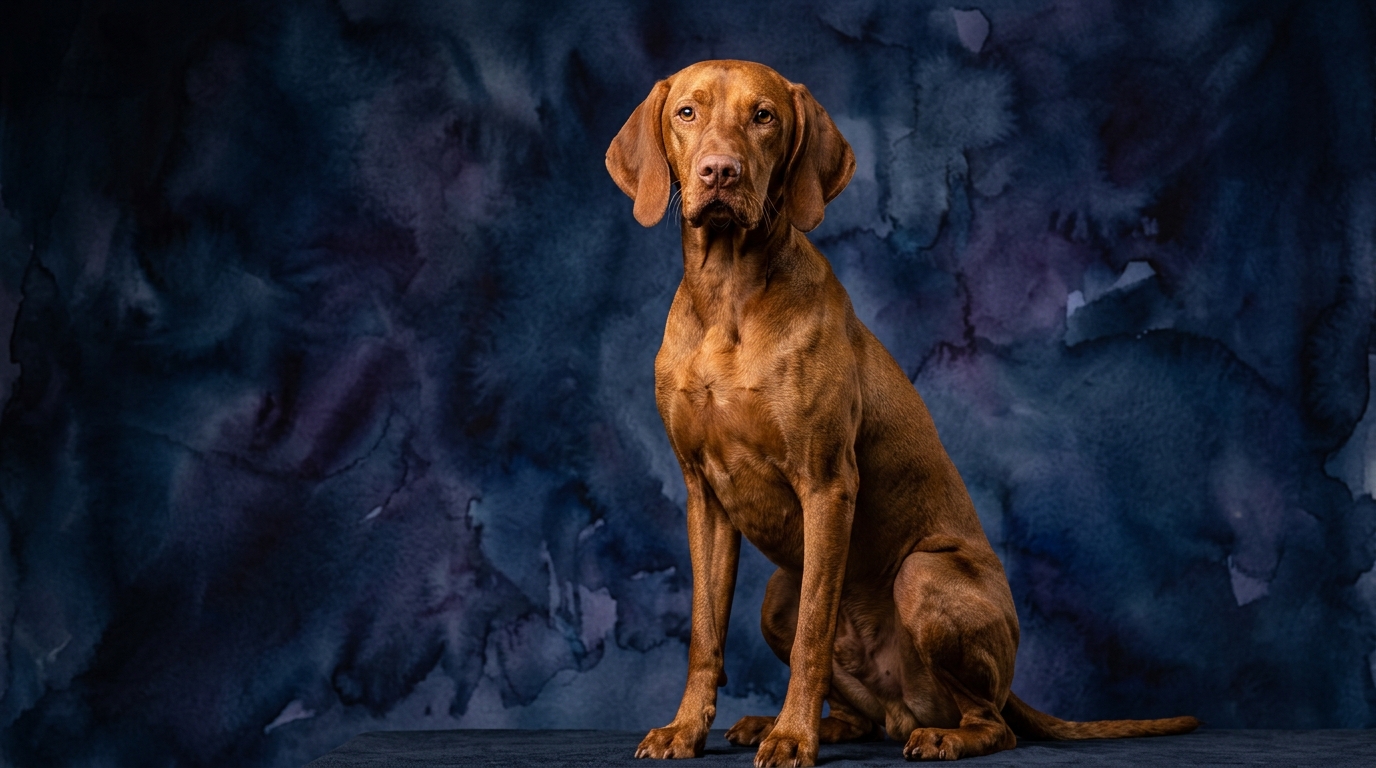
The Vizsla, a Sporting group member, holds a respectable Coren rank of #31, reflecting a good balance of cognitive skills. Their problem-solving ability is rated 4/5, indicating a capacity for navigating new situations and understanding cause-and-effect beyond simple commands. Training speed, also 4/5, suggests they pick up new cues and routines with relative ease, often eager to please their human companions. Where the Vizsla truly shines is in social intelligence, scoring a perfect 5/5; this means they are acutely attuned to human emotions, body language, and intentions, making them exceptional partners. Their instinctive drive is a strong 5/5, manifesting as a powerful desire to hunt, retrieve, and engage in vigorous activity, while their memory stands at a solid 4/5, allowing them to recall learned behaviors and experiences effectively.
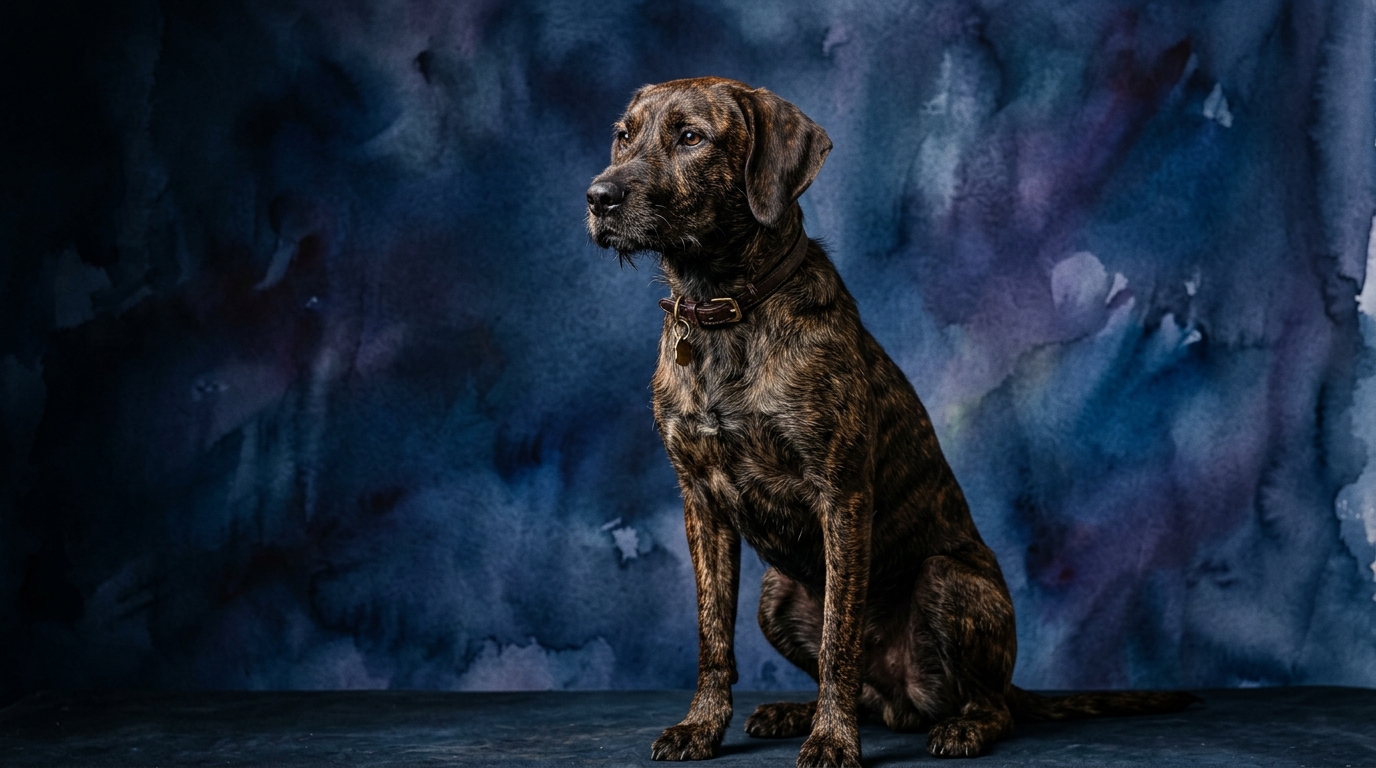
In contrast, the Plott Hound, a dedicated member of the Hound group, is not included in Coren's ranking, which often focuses on general obedience and adaptability rather than specialized hunting prowess. Across all five IQ dimensions – problem-solving, training speed, social intelligence, instinctive drive, and memory – the Plott Hound scores a consistent 3/5. This doesn't imply a lack of mental capacity, but rather a cognitive architecture highly specialized for their primary role: tracking big game. Their problem-solving is often applied to complex scent trails, navigating challenging terrain to pursue a quarry. Their training speed reflects a more independent nature, requiring significant motivation to engage in tasks not directly related to their primal hunting instincts. Social intelligence at 3/5 suggests they are less focused on human collaboration and more on their immediate task, while their instinctive drive, though rated 3/5, is singularly powerful and relentless when on a scent. Their memory, also 3/5, is excellent for retaining complex scent patterns and the geography of their hunting grounds.
Where the Vizsla Wins Cognitively
The Vizsla's cognitive strengths are particularly evident in their capacity for versatile partnership and rapid adaptation. Their perfect 5/5 social intelligence allows them to form exceptionally deep bonds with their families, readily interpreting subtle human cues and responding with empathy. This makes them highly cooperative, eager to participate in a wide array of activities, from agility to therapy work. Their 4/5 problem-solving skill isn't confined to the hunting field; Vizslas can figure out how to open gates, retrieve dropped items, or navigate complex puzzle toys, demonstrating a flexible intellect. Coupled with a 4/5 training speed, they quickly internalize new commands and routines, often anticipating what is expected of them. Their 4/5 memory ensures they retain these lessons and remember past experiences, building a rich understanding of their environment and their role within it. This combination fosters a dog that learns quickly, connects deeply, and thrives on intellectual engagement alongside their human companions.
Where the Plott Hound Wins Cognitively
While the Plott Hound’s IQ scores may appear lower in general cognitive metrics, their true brilliance lies in their highly specialized and tenacious intellect, honed for the relentless pursuit of game. Their 3/5 problem-solving ability, though not broadly applied, is acutely powerful when it comes to deciphering complex scent trails, discerning subtle shifts in air currents, and making independent decisions in the field to outsmart a quarry. This isn't about solving a puzzle box for a treat; it's about navigating a dynamic, unpredictable environment with singular focus. Their 3/5 instinctive drive, while appearing moderate, describes an unwavering, almost obsessive focus on scent work that can override all other stimuli. This drive, combined with a 3/5 memory, allows them to recall intricate scent patterns and the layout of vast hunting territories, making them formidable tracking specialists. Their independence, often perceived as a challenge in general training, is a cognitive advantage in the wilderness, enabling them to make critical decisions without constant human direction. The Plott Hound's cognitive prowess is a testament to natural selection, perfectly optimized for its demanding, specialized role.
Which is Easier to Train and Why
When considering ease of training for general obedience and diverse tasks, the Vizsla generally presents a more straightforward path. Their 4/5 training speed is bolstered by their exceptional 5/5 social intelligence, which translates into a strong desire to collaborate and please their human partners. Vizslas are highly receptive to positive reinforcement, quickly grasping new commands and enjoying the mental stimulation of learning. Their sensitivity means they respond well to gentle, consistent guidance and thrive on the bond formed during training sessions. In contrast, the Plott Hound, with its 3/5 training speed and more independent temperament, requires a different approach. Their cognitive focus is primarily on scent work, and they may view general obedience commands as less inherently rewarding than following a compelling trail. Training a Plott Hound demands immense patience, unwavering consistency, and a deep understanding of their innate drives. While capable of learning, their engagement is often contingent on tapping into their natural instincts or providing extremely high-value rewards, making them less inclined towards rote obedience for its own sake. Their independence means they might prioritize an interesting scent over a recall command, a behavioral difference that stems directly from their specialized cognitive architecture.
Which Suits Active Owners vs. Specific Activity Owners
Neither the Vizsla nor the Plott Hound are suitable companions for truly relaxed owners, as both breeds possess substantial energy and cognitive needs. However, the type of activity and engagement they require differs significantly. The Vizsla, with its 5/5 instinctive drive and 4/5 problem-solving, thrives with owners who can provide diverse, high-energy activities and mental challenges. They excel in dog sports like agility, flyball, or advanced obedience, and need daily opportunities for vigorous exercise, such as running, hiking, or swimming. Their high social intelligence (5/5) means they prefer to be active with their people, making them an ideal choice for owners seeking a highly engaged, versatile partner for all their adventures. The Plott Hound, while equally active, possesses a drive (3/5) that is intensely focused on scent work. They require owners who understand and can accommodate this powerful instinct, offering outlets like scent work, tracking, or long, exploratory hikes in varied terrain where they can follow interesting smells. While they can be affectionate, their independence means they might be content to pursue a scent independently rather than engaging in cooperative games with the same intensity as a Vizsla. Therefore, the Vizsla suits owners seeking a highly interactive, all-around athletic companion, whereas the Plott Hound is better for dedicated, outdoorsy owners who appreciate a tenacious, independent scenting dog and can provide specific outlets for their unique cognitive strengths.
The Verdict
Opt for a Vizsla if you seek a highly engaged, adaptable, and affectionate canine partner eager to participate in diverse family activities and training challenges, thriving on close collaboration.
Select a Plott Hound if you are an experienced, dedicated owner who values a tenacious, independent dog with an unparalleled drive for scent work, capable of excelling in specialized outdoor pursuits.
🧠 Find Your Pet's IQ Score
Our Pet IQ Lab assessment covers 25+ tests across 5 cognitive dimensions — personalized to your breed.
Take the Full IQ Test →Frequently Asked Questions
Are Plott Hounds difficult to train?
Plott Hounds are not inherently difficult, but they are independent and highly motivated by scent, which can make general obedience training challenging. Success requires patience, consistency, and tapping into their natural instincts.
Do Vizslas need a lot of exercise?
Yes, Vizslas have a very high energy level and strong instinctive drive, requiring significant daily physical and mental exercise to prevent boredom and destructive behaviors. They thrive on varied activities with their owners.
Which breed is better with families?
The Vizsla's high social intelligence and desire for close companionship often make them a more naturally integrated family pet, eager to interact with all members. Plott Hounds can be good family dogs, but their independence and intense scent drive mean they might be less overtly collaborative.