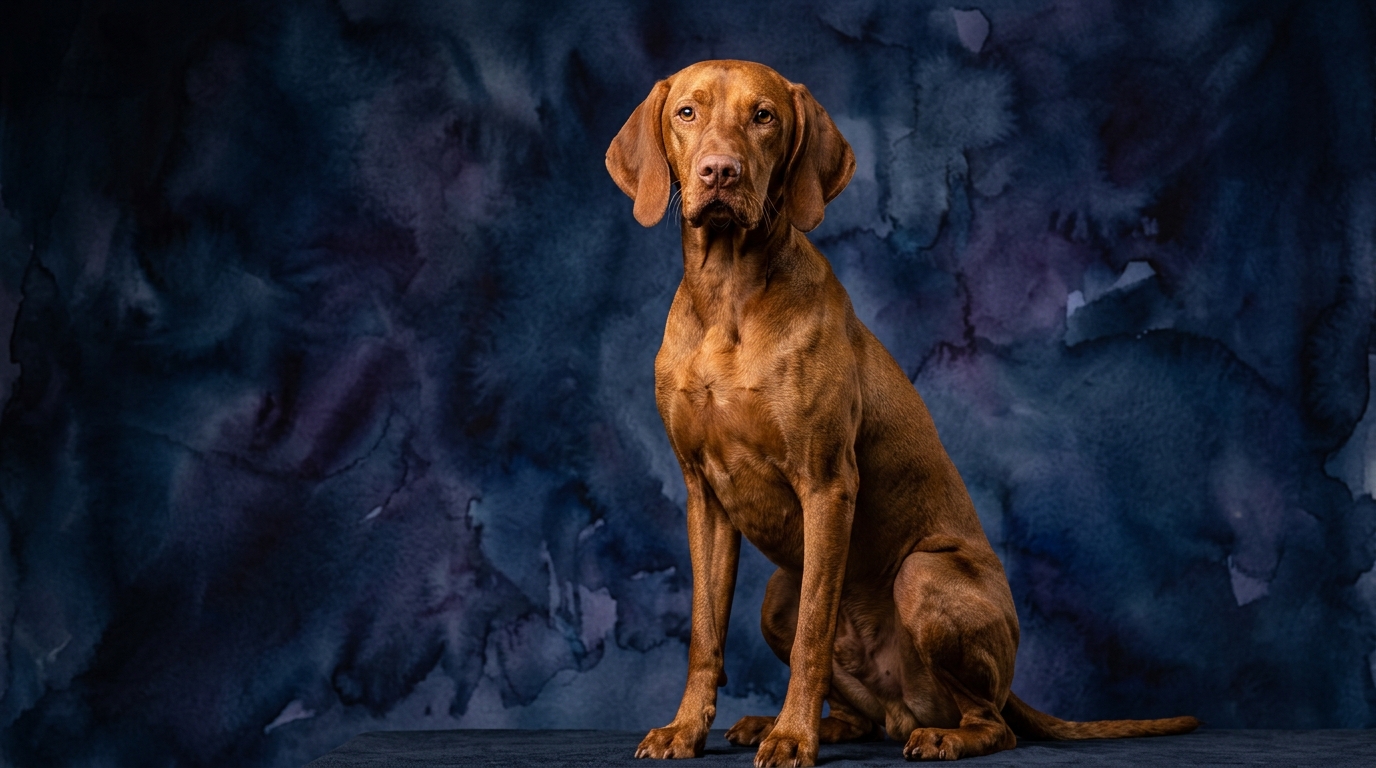
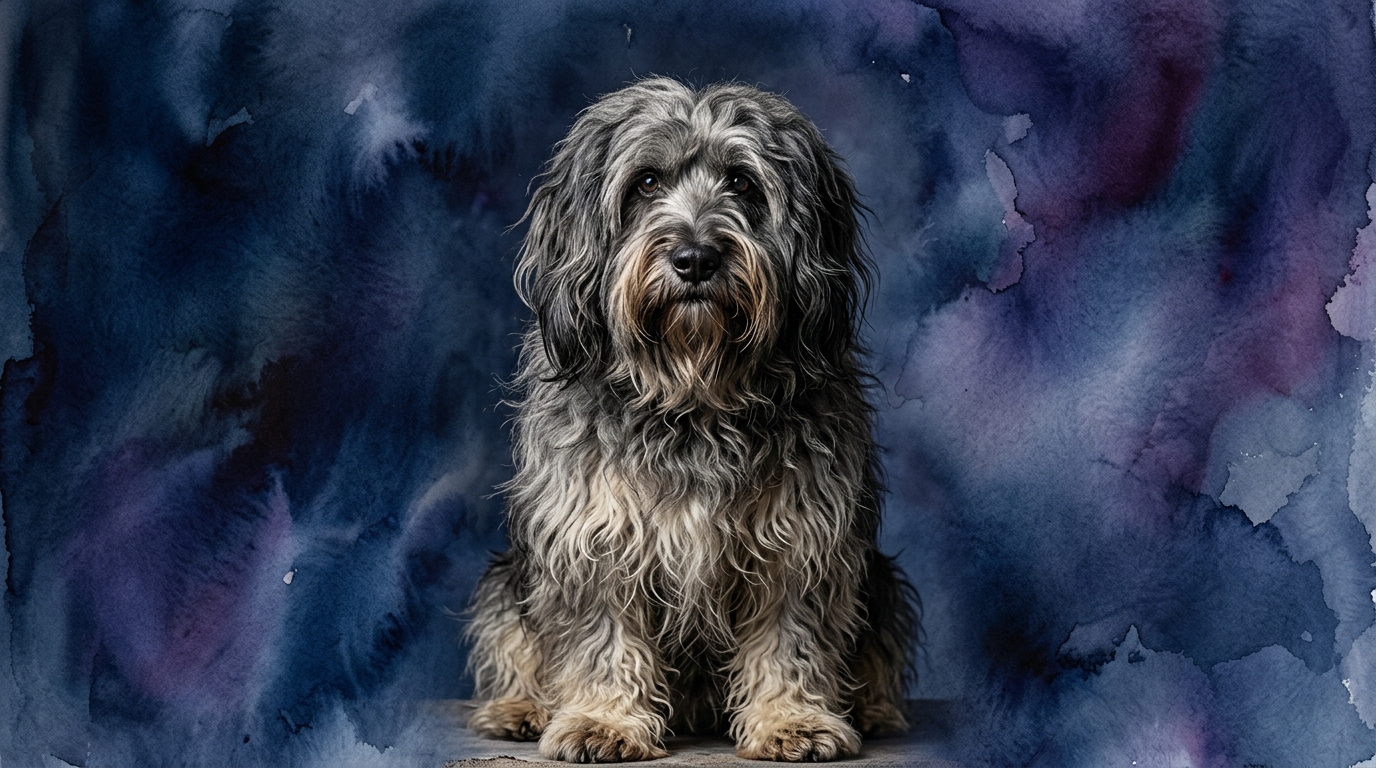
Side-by-Side Cognitive Profile
The Vizsla, a Sporting breed ranked #31 by Coren, demonstrates a remarkable cognitive blend. Their Problem Solving is rated 4/5, indicating a strong capacity for navigating novel situations and figuring out solutions to environmental challenges, often displaying ingenuity in retrieving or scent work. Training Speed stands at 4/5, as Vizslas are quick studies, absorbing commands and routines with impressive efficiency, aided by their eagerness to please. Social Intelligence is an exceptional 5/5, showing an unparalleled ability to read human emotions and intentions, forming profound, empathetic bonds. Their Instinctive Drive is a powerful 5/5, fueled by an intense, inherent desire for hunting, retrieving, and scent work. Memory is also strong at 4/5, allowing them to retain a vast repertoire of commands and recall past experiences.
The Polish Lowland Sheepdog (PON), a Herding breed not Coren-ranked, presents a different cognitive blueprint. Their Problem Solving is rated 3/5; they approach challenges with a methodical, sometimes independent, mindset, working through problems using their own judgment. Training Speed is 3/5, meaning learning new commands requires consistent effort, as their independent nature might demand more repetition and motivation. Social Intelligence also scores 3/5; while affectionate with their families, PONs often display a more reserved social intelligence, observing and processing cues without overt enthusiasm. Instinctive Drive is 3/5, rooted in herding, manifesting as a watchful, protective nature towards their “flock.” Memory is 3/5, functional for retaining commands with consistent reinforcement, but benefiting from regular practice.
Where the Vizsla Excels Cognitively
The Vizsla's exceptional social intelligence (5/5) allows for a level of partnership and intuitive understanding that few breeds can match. They anticipate human needs and desires, making them extraordinarily attuned companions in any activity, from complex dog sports to quiet moments at home, fostering an almost telepathic bond. Their combined high scores in instinctive drive (5/5) and training speed (4/5) mean Vizslas excel in tasks requiring both motivation and rapid learning, quickly picking up multi-step commands and applying intense focus to master challenging activities like agility courses, scent detection, or complex retrieving sequences.
Vizslas demonstrate a superior capacity for adaptive problem-solving (4/5) in dynamic environments, quickly assessing new situations and adjusting their approach. Whether navigating unfamiliar terrain or figuring out how to access a desired object, their cognitive flexibility is a significant asset. The breed's strong memory (4/5) further supports their training prowess, ensuring that once a lesson is learned, it is retained, reducing the need for constant reteaching and allowing for the build-up of a vast repertoire of skills and behaviors over their lifetime.
Where the Polish Lowland Sheepdog Shines Cognitively
The Polish Lowland Sheepdog’s cognitive strengths are rooted in its independent problem-solving (3/5) and inherent self-reliance, honed over centuries of managing flocks without constant human oversight. While potentially slower to process, they possess a tenacity to work through challenges using their own judgment, which can be invaluable in situations requiring autonomous decision-making. Their social intelligence, while rated 3/5, manifests as a discerning and observational nature rather than overt eagerness; PONs are astute at assessing situations and individuals, often forming deep, albeit less demonstrative, bonds with their core family, offering a calm, watchful presence.
The instinctive drive (3/5) of the PON is uniquely focused on protection and management, a cognitive strength that makes them excellent guardians of their home and family. Their vigilance and ability to distinguish between normal occurrences and potential threats showcase a practical, situation-specific intelligence. PONs often exhibit a cognitive resilience; once they commit to a task or a lesson, they can be remarkably persistent. This steadfastness, even if learning takes more time (training speed 3/5), ensures thoroughness and a durable understanding of what is expected, making them reliable once trained.
Training Ease: Vizsla vs. Polish Lowland Sheepdog
The Vizsla undeniably presents a more straightforward training experience due to its higher scores across the board, particularly in training speed (4/5), social intelligence (5/5), and memory (4/5). They possess an innate desire to cooperate and please their human partners, making them highly receptive to positive reinforcement and quick to form associations between commands and actions. Their acute social awareness means they are highly sensitive to handler cues, even subtle body language, which streamlines the learning process. This collaborative spirit means they actively engage in training, often anticipating the next step, resulting in faster skill acquisition and retention.
Conversely, the Polish Lowland Sheepdog, with its 3/5 ratings in training speed, social intelligence, and memory, requires a more patient and consistent approach. Their herding heritage fostered independent decision-making, which can translate into a “what’s in it for me?” attitude during training. They are capable learners but often need to understand the purpose behind a command and may challenge authority if not convinced. Training a PON demands creativity, variety to prevent boredom, and a firm yet fair hand, focusing on building trust and demonstrating the value of cooperation. They learn at their own pace and might require more repetitions to solidify commands, but once learned, their actions are typically reliable.
Who Suits Which Lifestyle?
For owners seeking an active, engaged canine partner, the Vizsla is the clear choice. Their exceptional instinctive drive (5/5) and high energy levels demand significant daily physical and mental exertion. They thrive on activities like long-distance running, hiking, hunting, agility, or competitive obedience, requiring an owner who is equally committed to an adventurous lifestyle. A Vizsla needs a “job” to channel its boundless energy and cognitive capabilities, and without sufficient outlets, they can become restless or destructive, embodying their need for constant engagement.
The Polish Lowland Sheepdog offers a more nuanced fit. While not a sedentary breed, their instinctive drive (3/5) and energy requirements are less intense than the Vizsla's, making them suitable for owners who enjoy consistent, moderate activity rather than extreme sports. They appreciate daily walks, playtime in a securely fenced yard, and mental stimulation from puzzle toys or scent games. A PON can adapt to a slightly more relaxed home environment once their needs for exercise and mental engagement are met, often content to be a watchful companion indoors after their outdoor excursions. They are not ideal for truly relaxed or sedentary owners, but they don't demand the same relentless pace as a Vizsla.
The Verdict
Choose a Vizsla if you are an active, dedicated owner seeking an intensely bonded, highly trainable partner for sports, outdoor adventures, and constant companionship, valuing their quick learning and empathetic nature.
Opt for a Polish Lowland Sheepdog if you appreciate an independent, watchful companion with a more moderate energy level, valuing their discerning nature, resilience, and unique, self-reliant approach to life.
🧠 Find Your Pet's IQ Score
Our Pet IQ Lab assessment covers 25+ tests across 5 cognitive dimensions — personalized to your breed.
Take the Full IQ Test →Frequently Asked Questions
Are Vizslas good family dogs?
Vizslas often excel as family dogs due to their high social intelligence and desire for companionship. They thrive on being an integral part of family activities and form strong bonds with all members, though their high energy requires consistent engagement from everyone.
Do Polish Lowland Sheepdogs bark a lot?
Polish Lowland Sheepdogs can be prone to barking, especially if not properly socialized or if their watchful instincts are not managed. Their herding heritage makes them alert guardians, and they will often vocalize to alert their family to anything they perceive as unusual.
What are the main exercise differences between them?
Vizslas require intense, prolonged exercise daily, often needing several hours of vigorous activity to satisfy their high drive. Polish Lowland Sheepdogs need regular, moderate exercise, typically enjoying long walks and playtime, but not demanding the same relentless pace or duration as a Vizsla.