The Cognitive Tapestry: Vizsla vs. Samoyed IQ Profiles
At The Cosmic Pet Pet IQ Lab, we assess canine intelligence across five key dimensions: Problem Solving, Training Speed, Social Intelligence, Instinctive Drive, and Memory. These metrics offer a nuanced view beyond general rankings, allowing us to appreciate the unique cognitive architecture of each breed. While the Vizsla holds a Coren rank of #31 and the Samoyed #33, their specific cognitive scores paint a much richer picture of their capabilities.
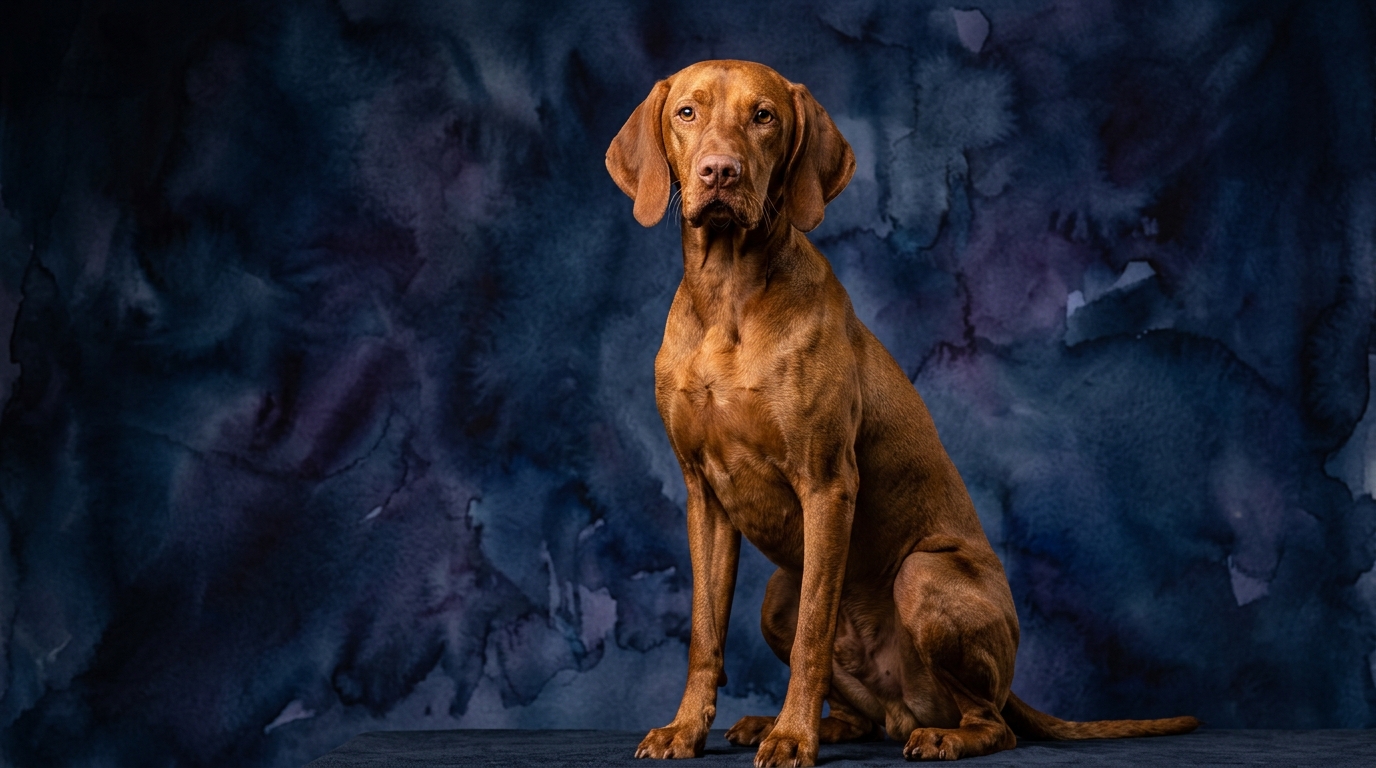
The Vizsla, a Sporting group dog, demonstrates a well-rounded and high-performing cognitive profile. They score 4/5 in Problem Solving, indicating a strong capacity to navigate novel situations and figure out solutions. Their Training Speed is also 4/5, reflecting a quick grasp of new commands. A perfect 5/5 in Social Intelligence highlights their deep connection and responsiveness to human companions. Their Instinctive Drive is exceptionally high at 5/5, underpinning their drive for work and sport, complemented by a solid Memory score of 4/5, enabling them to retain complex information and experiences.
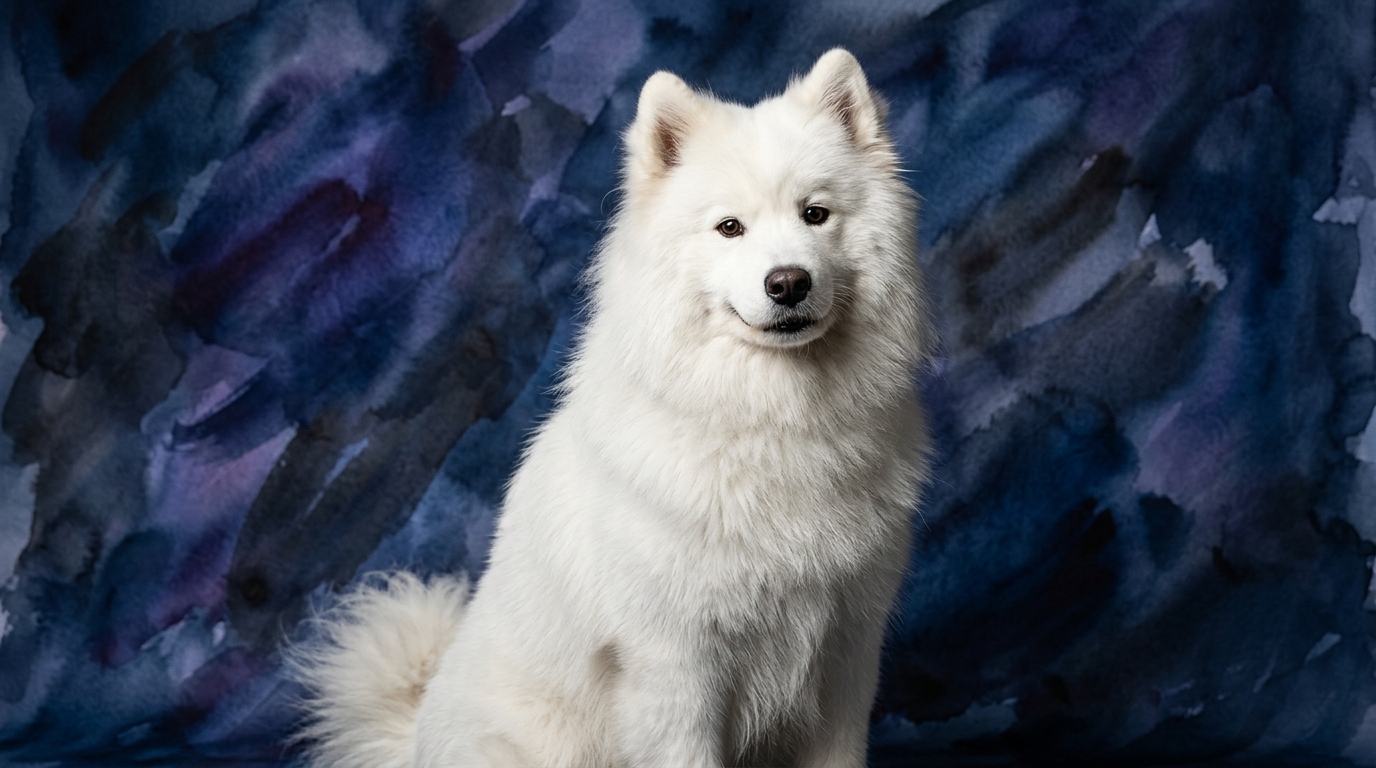
In contrast, the Samoyed, a Working group dog, presents a cognitive makeup tailored to their historical roles. They score 3/5 in Problem Solving, suggesting a practical, perhaps less exploratory, approach to challenges. Their Training Speed is 3/5, indicating they require more repetition and patience in learning new tasks. Like the Vizsla, they achieve a 5/5 in Social Intelligence, emphasizing their cooperative nature and need for companionship. Their Instinctive Drive is 4/5, geared towards endurance and sustained effort, while their Memory stands at 3/5, suggesting a good, but not exceptional, recall of past events and lessons.
Where the Vizsla's Mind Excels
The Vizsla's superior Problem Solving (4/5) and Training Speed (4/5) are direct reflections of their heritage as versatile hunting dogs. They are adept at quickly assessing environmental cues and adapting their strategies in the field, whether it's navigating complex terrain or locating hidden game. This cognitive agility translates into a remarkable ability to learn intricate command sequences rapidly, often requiring fewer repetitions than many other breeds. Owners frequently observe Vizslas independently figuring out how to open latches, retrieve inaccessible toys, or even anticipate routines based on subtle human cues.
Their exceptional Instinctive Drive (5/5) is a powerful cognitive asset, manifesting as an intense focus and motivation for tasks related to their prey drive, such as retrieving, pointing, and scent work. This drive, combined with their strong Memory (4/5), enables them to build an extensive repertoire of learned behaviors and commands, retaining them over long periods. A Vizsla's mind is always engaged, seeking opportunities to work alongside their human, making them highly responsive to training that taps into their innate desires and offers consistent mental stimulation.
The Samoyed's Unique Cognitive Strengths
While the Samoyed shares a perfect 5/5 in Social Intelligence with the Vizsla, its manifestation is distinct, rooted in their history as integral members of nomadic tribes. This high social intelligence for Samoyeds isn't just about bonding with a single owner; it's about thriving within a cooperative social structure, whether it's a human family or a working pack. Their cognitive strength lies in their ability to work harmoniously, read social cues within a group, and maintain a gentle, patient demeanor, which was crucial for herding reindeer and pulling sleds over vast distances alongside people.
The Samoyed's Instinctive Drive (4/5), though a point lower than the Vizsla, reflects a different kind of cognitive endurance and resilience. Their drive is geared towards sustained, independent effort in challenging environments, requiring a mental fortitude to push through adverse conditions without constant direct instruction. Their Problem Solving (3/5) in this context is more about practical navigation and self-preservation on long journeys rather than rapid, complex problem-solving in a handler-directed scenario. This breed possesses a robust mental toughness that allows them to remain steadfast and purposeful even when faced with monotony or harsh elements.
Training Dynamics: Which Breed Learns Faster?
When it comes to training speed, the Vizsla generally presents a more straightforward path for owners. Their 4/5 Training Speed, coupled with a 4/5 Problem Solving ability, means they grasp new concepts and commands with impressive alacrity. Their strong social intelligence (5/5) translates into a deep desire to please their human companions, making them highly receptive to positive reinforcement. Furthermore, their intense instinctive drive (5/5) can be effectively channeled into motivation for learning, especially when training incorporates elements of retrieving, tracking, or agility, allowing them to quickly master complex routines and retain them due to their 4/5 Memory.
The Samoyed, with a 3/5 Training Speed and 3/5 Problem Solving score, requires a more patient and consistent approach. Their history as independent working dogs means they are not always driven by an immediate desire to please a handler in the same intense way as a Vizsla. They are cooperative due to their 5/5 social intelligence, but they often ponder commands before executing them, requiring more repetition and clear, positive reinforcement. Owners need to understand that a Samoyed's mind processes information differently; they respond best to consistent routines, engaging sessions that feel like a partnership, and a training style that respects their thoughtful nature rather than demanding instant, unwavering obedience. Their 3/5 memory also means skills may need more regular refreshing.
Matching Minds to Lifestyles: Active vs. Engaged Owners
For owners seeking a highly active partner for demanding physical and mental pursuits, the Vizsla is an exceptional match. Their Sporting group background and high cognitive scores across the board, particularly their 5/5 Instinctive Drive and 4/5 Problem Solving, mean they thrive on extensive outdoor activities like running, hiking, and participating in dog sports such as agility, flyball, or field trials. A Vizsla requires consistent, vigorous exercise and mental challenges to prevent boredom, which can manifest as undesirable behaviors. They are best suited for individuals or families who can integrate their dog into a very active lifestyle and provide ongoing, stimulating training.
The Samoyed also requires an engaged owner, but their needs manifest somewhat differently. As a Working group dog with a 4/5 Instinctive Drive for endurance and a 5/5 Social Intelligence, they need regular, sustained exercise, such as long walks, jogs, or adventures in cooler weather, but perhaps without the frantic intensity of a Vizsla. More crucially, Samoyeds thrive on companionship and being an integral part of family life. They are not content to be left alone for extended periods; their social intelligence demands interaction. Owners must be prepared for consistent grooming, ample social time, and activities that allow them to be a cooperative family member, rather than solely focusing on high-octane physical challenges.
The Verdict
Choose a Vizsla if you seek a highly energetic, biddable companion eager for complex tasks and extensive outdoor adventures, someone who thrives on a close working partnership.
Opt for a Samoyed if you appreciate a cooperative, socially intelligent companion with a resilient spirit, suited to consistent exercise and a patient, engaging training approach.
🧠 Find Your Pet's IQ Score
Our Pet IQ Lab assessment covers 25+ tests across 5 cognitive dimensions — personalized to your breed.
Take the Full IQ Test →Frequently Asked Questions
How much mental stimulation does a Vizsla need daily?
Vizslas, with their 4/5 Problem Solving and 5/5 Instinctive Drive, require significant mental engagement daily. This can include training sessions, puzzle toys, scent games, or learning new tricks for at least 30-60 minutes, in addition to physical exercise, to keep their sharp minds occupied and prevent boredom.
Are Samoyeds difficult to train due to their 3/5 Training Speed?
While Samoyeds have a 3/5 Training Speed, they are not inherently difficult to train, but they do require more patience and consistency. Their cognitive approach is more thoughtful and less immediately reactive than some breeds, meaning owners should use positive reinforcement, keep sessions engaging, and understand that repetition and time are key to solidifying commands.
How do their 5/5 Social Intelligence scores manifest differently?
For Vizslas, their 5/5 Social Intelligence often translates into an intense, owner-centric bond and a strong desire to be involved in all family activities, often shadowing their person. For Samoyeds, their 5/5 Social Intelligence manifests as a strong need for companionship and cooperative interaction within a family or 'pack,' valuing harmonious group dynamics and a gentle, friendly demeanor with everyone.