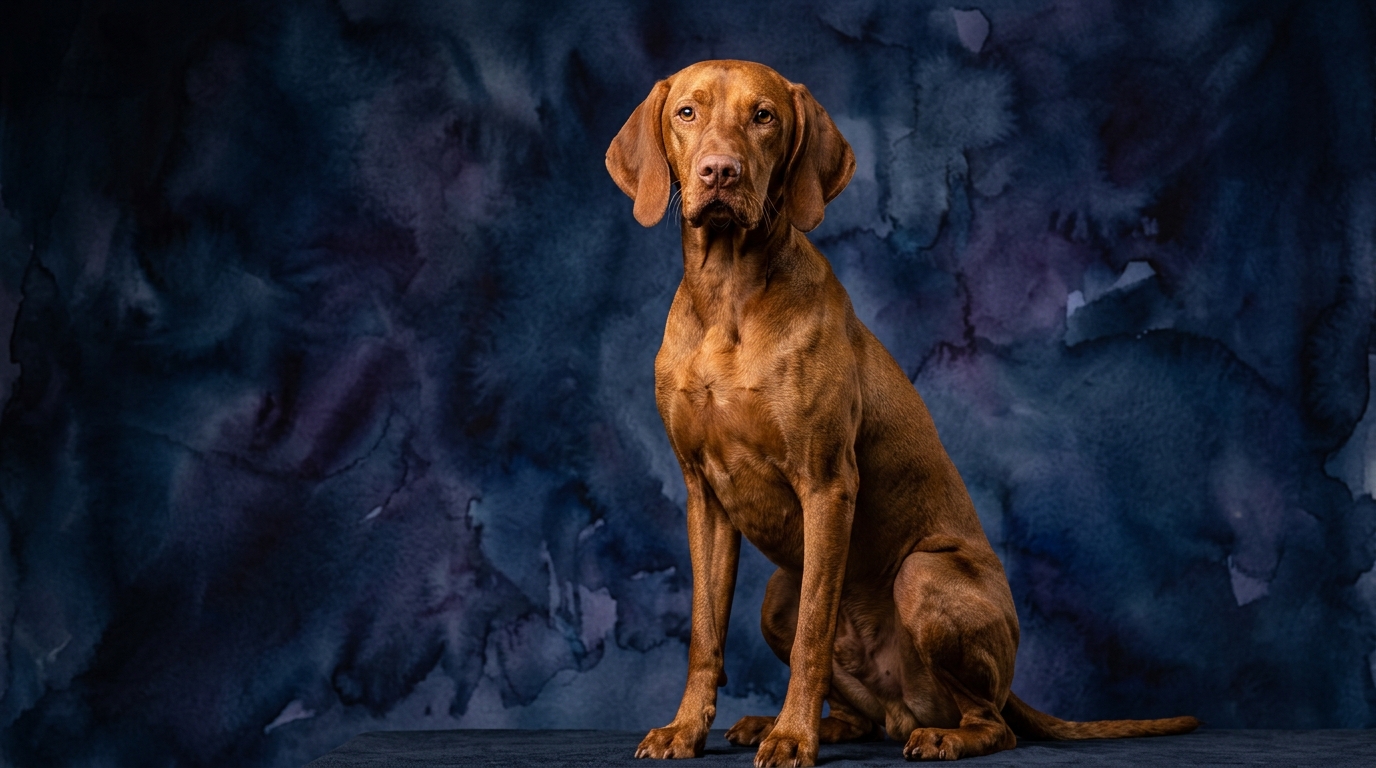
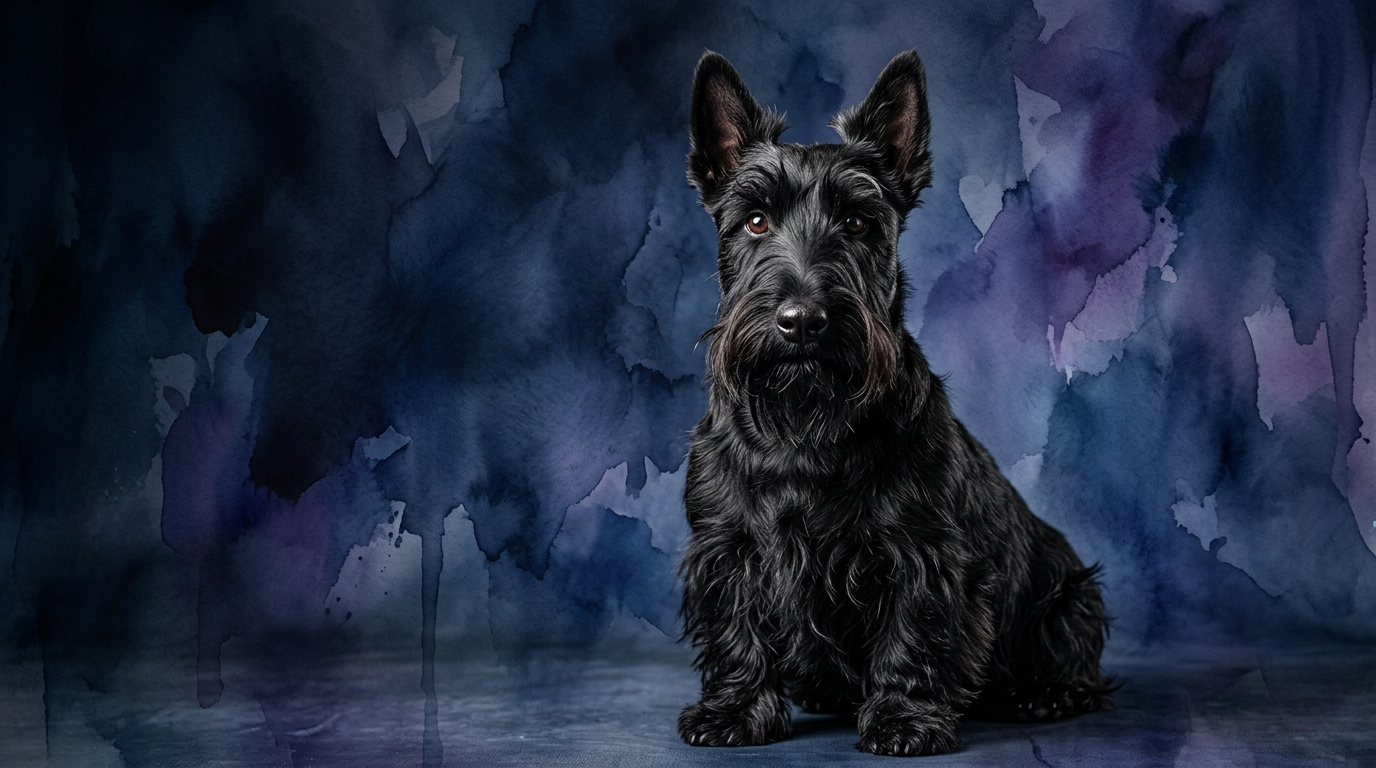
A Side-by-Side Cognitive Profile: Vizsla vs. Scottish Terrier
The Cosmic Pet Pet IQ Lab provides a nuanced framework for understanding canine intelligence, moving beyond generalized notions to specific cognitive dimensions. While Stanley Coren's rankings place the Vizsla at a respectable #31 and the Scottish Terrier at #65, these numbers are merely starting points for a deeper exploration into their unique mental landscapes. Each breed offers a distinct set of cognitive strengths and operational preferences that shape their behavior and suitability for various roles and lifestyles.
The Vizsla, a sporting dog, presents a compelling cognitive profile. Their Problem Solving is rated 4/5, indicating an adaptive mind capable of navigating complex scenarios and learning from experiences. Training Speed is also 4/5, reflecting their eagerness and ability to quickly grasp and execute new commands. Social Intelligence stands out at 5/5, highlighting their exceptional attunement to human cues and a profound capacity for connection. Their Instinctive Drive is a robust 5/5, manifesting as a powerful prey drive and an innate desire for scent work and retrieving tasks. Finally, their Memory is strong at 4/5, enabling them to retain training, routines, and experiences effectively.
In contrast, the Scottish Terrier, a tenacious terrier breed, exhibits a different cognitive makeup. Their Problem Solving is rated 3/5, suggesting they are capable but often prefer to approach challenges with independent thought rather than seeking immediate human collaboration. Training Speed is 3/5, indicating that while they can learn, their independent spirit often necessitates patience and consistency. Social Intelligence is 3/5, meaning they form deep bonds with their chosen family but can be reserved or discerning with strangers, prioritizing loyalty over broad social engagement. Their Instinctive Drive is 3/5, primarily focused on the traditional terrier pursuits of digging and chasing small prey, distinct from the collaborative drive of a sporting dog. Their Memory is also 3/5, robust for what they deem important, though potentially selective when a more compelling terrier instinct arises.
Where the Vizsla Demonstrates Cognitive Edge
The Vizsla's superior social intelligence, rated 5/5, is arguably its most defining cognitive advantage. This dimension means they possess an exceptional capacity to read human emotions, intentions, and body language, fostering an almost intuitive understanding of their owner's desires. This deep emotional attunement translates into a highly responsive and collaborative partnership, where the Vizsla often anticipates commands or seeks to engage in shared activities, making them feel like a true extension of their human companion. Their strong desire to connect and please forms the bedrock of their cognitive interactions.
Coupled with their problem-solving ability (4/5) and rapid training speed (4/5), Vizslas excel in environments where quick learning and adaptive thinking are valued. They readily apply learned solutions to novel situations and demonstrate a remarkable capacity to generalize commands across different contexts. Their powerful instinctive drive (5/5) is not just about chasing; it's a focused energy that, when channeled, makes them formidable in activities requiring sustained attention, such as advanced obedience, agility, or field trials. Their robust memory (4/5) reinforces this, allowing them to build a comprehensive repertoire of behaviors and associations, enabling them to recall complex sequences and routines with impressive accuracy, making them highly effective working partners.
Unpacking the Scottish Terrier's Unique Cognitive Strengths
While the Scottish Terrier's cognitive scores might appear lower than the Vizsla's, it's crucial to interpret them through the lens of their breed heritage and inherent purpose. Their 3/5 in problem-solving and training speed doesn't indicate a lack of intelligence, but rather a preference for independent thought and a self-assured approach to challenges. A Scottie's problem-solving often involves tenacity and a 'figure it out myself' attitude, particularly when their own objectives, like investigating a scent or securing a favored spot, are at stake. They are not as inclined to seek human guidance immediately, preferring to assess and act on their own terms.
The Scottish Terrier's distinctive instinctive drive (3/5) is a testament to their earth-dog origins, characterized by a persistent, focused determination to investigate, dig, and pursue small prey. This drive is less about collaborative retrieving and more about independent exploration and task completion. Their social intelligence (3/5) manifests as deep loyalty and affection for their inner circle, often with a discerning and somewhat reserved approach to new acquaintances. They require trust to be earned, and their bonds, once formed, are fierce and unwavering, though less overtly expressive than a Vizsla's. Their memory (3/5) is robust for things they deem significant, such as territorial boundaries, established routines, or past interactions, even if they might exhibit a selective 'forgetfulness' for a command if a more compelling terrier pursuit presents itself.
Training Dynamics: Vizsla's Eagerness vs. Scottish Terrier's Tenacity
Training a Vizsla is often characterized by a joyful, collaborative experience. Their 4/5 training speed and exceptional 5/5 social intelligence mean they are highly receptive to instruction and deeply motivated by positive reinforcement and the opportunity to engage with their human. They view training as a shared activity, thriving on interaction and praise, and their strong memory (4/5) ensures that commands and complex routines stick effectively. This eagerness to please, combined with their strong instinctive drive (5/5) which can be channeled into specific tasks, makes them highly responsive and a pleasure to guide through various training disciplines, from basic obedience to advanced field work. They often anticipate cues and are quick to offer behaviors they believe will earn approval.
In contrast, training a Scottish Terrier requires a different pedagogical approach. Their 3/5 in training speed and problem-solving, coupled with a 3/5 social intelligence, means they are intelligent but possess a pronounced independent streak. Scotties need consistent, patient, and engaging training that respects their self-assured nature. They are less driven by an innate eagerness to please and more by clear, logical expectations, fair treatment, and rewards that resonate with their motivations. A real behavioral difference lies in their approach: a Vizsla might actively try to anticipate your next command, looking for affirmation, while a Scottish Terrier might pause, consider your command, and then decide if it aligns with their immediate interests or if there's a more compelling 'terrier' objective to pursue. This isn't a lack of ability, but a difference in internal processing and motivational drivers, requiring an owner to be creative and consistent without resorting to harsh methods that can backfire with this proud breed.
Matching Temperaments: Active Partners vs. Composed Companions
For owners seeking an active, highly engaged canine partner, the Vizsla is an exceptional choice. Their high instinctive drive (5/5), strong problem-solving skills (4/5), and unparalleled social intelligence (5/5) make them ideal for individuals or families who enjoy an active, participatory lifestyle. Vizslas thrive in environments where they can engage in dog sports like agility, hiking, running, or field work, activities that challenge both their physical prowess and their sharp minds. They crave constant interaction and mental stimulation, making them unsuitable for passive companionship where they are left to their own devices for extended periods. Their robust memory and quick training speed mean they can master complex routines required for advanced active pursuits, becoming truly integrated members of an adventurous household.
The Scottish Terrier, with its moderate instinctive drive (3/5) and problem-solving (3/5), combined with its discerning social intelligence (3/5), aligns well with owners who appreciate a more composed, self-possessed companion. While not a sedentary breed, Scotties are typically less demanding of constant strenuous activity than a Vizsla. They enjoy brisk walks, secure playtime in a yard, and opportunities to investigate their surroundings, but are generally content to relax indoors once their exercise needs are met. They offer quiet companionship, often observing their domain with a watchful eye. Owners must respect their independent nature and provide outlets for their terrier instincts, such as secure digging areas or engaging puzzle toys, ensuring their mental and physical needs are met without overwhelming them with constant, high-octane demands. They are loyal to their family but generally less overtly effusive with their affections.
The Verdict: When to Choose Each Breed
The Verdict
Choose a Vizsla if you seek a highly engaged, collaborative canine partner eager to participate in an active lifestyle, thriving on deep social connection and mentally stimulating activities.
Opt for a Scottish Terrier if you appreciate a self-reliant, loyal companion with a composed demeanor, valuing quiet companionship and a discerning nature, provided you can respect their independent spirit.
🧠 Find Your Pet's IQ Score
Our Pet IQ Lab assessment covers 25+ tests across 5 cognitive dimensions — personalized to your breed.
Take the Full IQ Test →Frequently Asked Questions
Are Vizslas easy to live with for first-time dog owners?
Vizslas can be a good fit for dedicated first-time owners who are prepared for their significant exercise needs, intense social requirements, and commitment to consistent training. Their eagerness to please and high social intelligence make them responsive, but their energy and need for mental engagement require an owner who can invest considerable time.
Do Scottish Terriers need a lot of grooming?
Yes, Scottish Terriers require regular grooming to maintain their distinctive wiry coat, typically involving weekly brushing and professional stripping or clipping every 6-8 weeks. This grooming routine helps prevent matting and keeps their skin healthy, reflecting their heritage.
Which breed is better with children?
Vizslas, with their high social intelligence and tolerant nature, generally adapt well to children, often enjoying playtime and forming close bonds, though their exuberance requires supervision. Scottish Terriers can be good with respectful children within their own family, but their independent streak and discerning social nature mean they might be less tolerant of boisterous or unfamiliar children, preferring a calmer interaction.