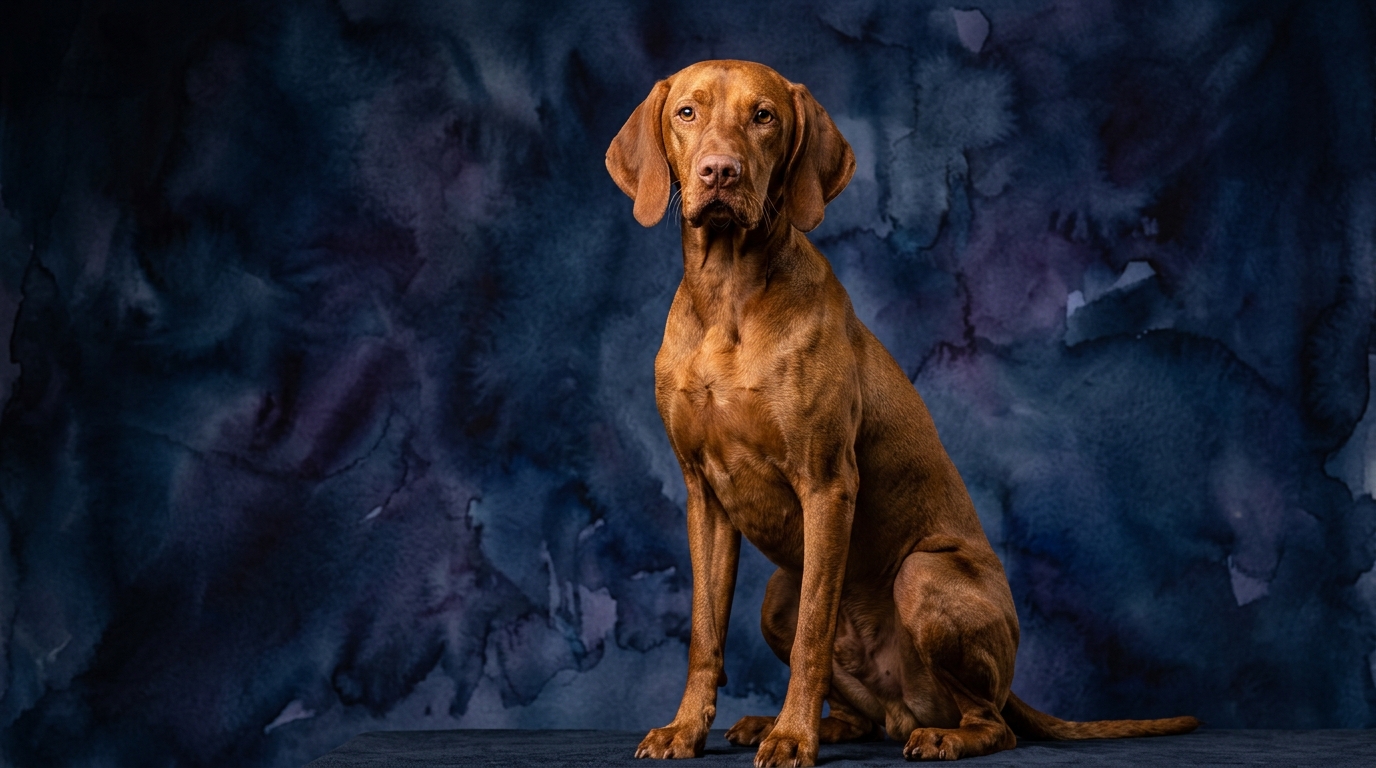
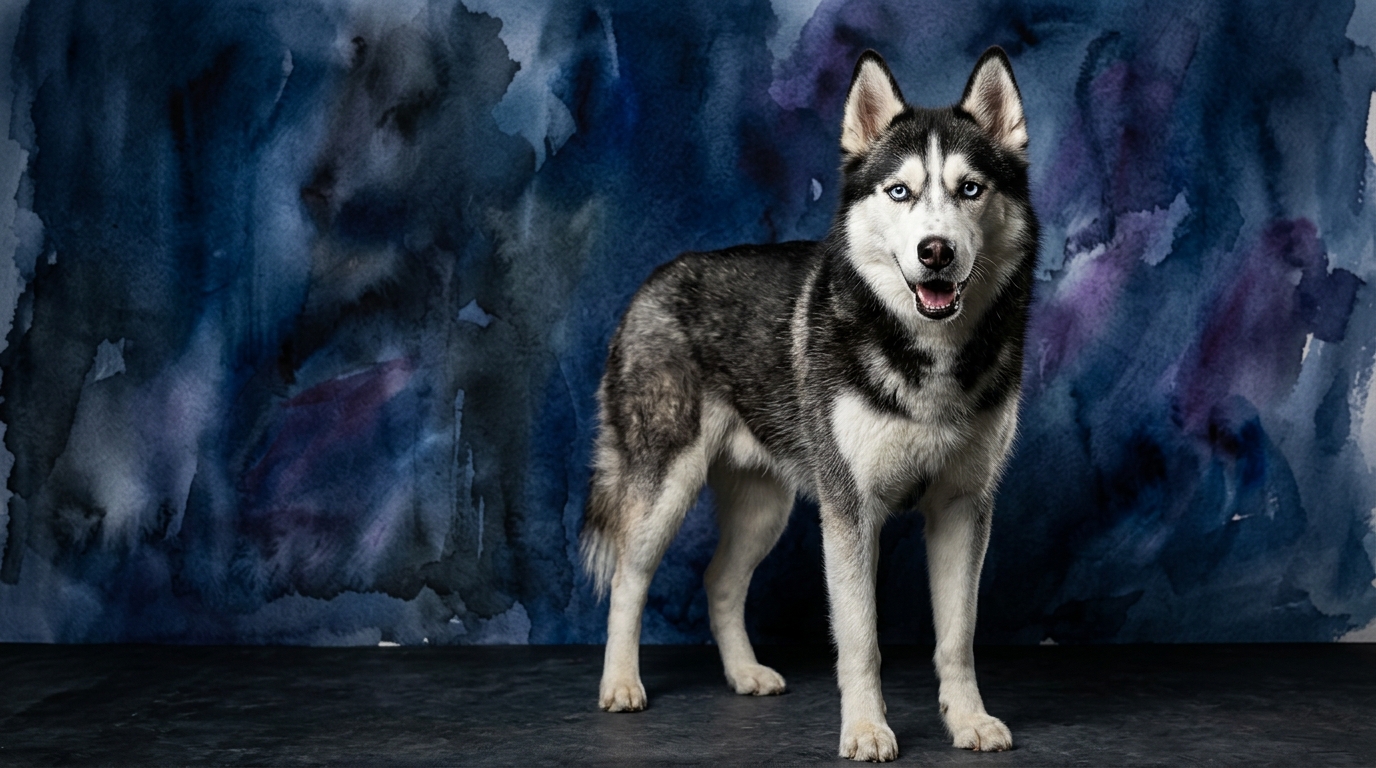
Side-by-Side IQ Profile: Vizsla vs. Siberian Husky
The Vizsla, a vibrant sporting dog, presents a compelling cognitive blueprint. Its problem-solving ability is rated 4/5, indicating a capacity to navigate novel situations and figure out solutions with a degree of self-sufficiency, often driven by its innate curiosity and prey drive. Training speed stands at an impressive 4/5, reflecting this breed's eagerness to learn and retain commands quickly, a hallmark of its historical role as a close hunting partner. Social intelligence is exceptionally high at 5/5, meaning Vizslas are acutely attuned to human cues, emotions, and intentions, making them deeply empathetic and responsive companions. Their instinctive drive, rated 5/5, is a powerful blend of scenting, pointing, and retrieving, guiding much of their behavior and requiring outlets for expression. Memory for tasks and experiences also scores well at 4/5, allowing them to recall complex routines and past interactions.
In contrast, the Siberian Husky, a resilient working dog, showcases a distinct set of cognitive traits. Its problem-solving skill, like the Vizsla, is rated 4/5, demonstrating an ability to independently assess and overcome challenges, particularly those related to resourcefulness in harsh environments. However, its training speed is a more moderate 2/5; while capable of learning, Huskies often require more repetition and motivation due to their independent nature and propensity to question commands rather than immediately comply. Social intelligence comes in at 3/5, suggesting they are aware of human presence and can form bonds, but may not be as finely tuned to subtle human emotions or as eager to please as more companion-oriented breeds. Their instinctive drive, also 5/5, is powerfully geared towards endurance running, pulling, and pack dynamics, reflecting their sled dog heritage. Their memory is strong at 4/5, enabling them to remember routes, routines, and past interactions with consistency, crucial for their working roles.
Where the Vizsla Wins Cognitively
The Vizsla's cognitive advantage primarily lies in its superior training speed and exceptional social intelligence. A training speed of 4/5 means a Vizsla can grasp new commands and concepts with remarkable efficiency, often requiring fewer repetitions than many other breeds. This rapid uptake is coupled with their 5/5 social intelligence, which translates into an uncanny ability to read and respond to human emotions and intentions. They possess an inherent desire to work collaboratively and please their handlers, making them highly receptive to instruction and eager participants in shared activities. This combination fosters a dog that not only learns quickly but actively seeks to understand and fulfill its human's desires, leading to a highly cooperative and intuitive partnership in various disciplines, from obedience to advanced field work.
Where the Siberian Husky Wins Cognitively
The Siberian Husky's cognitive strengths shine in its independent problem-solving and powerful instinctive drive, which are perfectly adapted to its original purpose. While sharing a 4/5 problem-solving score with the Vizsla, the Husky's approach is often more self-directed and less reliant on human input, reflecting its need to make independent decisions in challenging sledding conditions. This breed excels at figuring things out on its own, whether it's escaping an enclosure or finding a way to get what it wants, driven by its own internal motivations rather than a desire to please. Its 5/5 instinctive drive for endurance and pulling power means it possesses an unwavering determination and a deep-seated need for physically demanding, self-propelled tasks. This translates into a resilience and tenacity that allows them to push through adverse conditions, making them formidable in activities requiring sustained effort and independence.
Which is Easier to Train and Why
Without a doubt, the Vizsla is generally considered easier to train than the Siberian Husky. This distinction stems directly from their differing scores in training speed and social intelligence, which manifest as distinct behavioral tendencies. The Vizsla's 4/5 training speed and 5/5 social intelligence mean they are typically eager students, quick to understand what is being asked of them, and motivated by positive reinforcement and the desire to collaborate with their person. They form strong attachments and actively seek interaction, making them highly responsive to commands and consistent in their learned behaviors. A Vizsla often perceives training as a shared activity, strengthening the bond.
Conversely, the Siberian Husky's 2/5 training speed is a clear indicator of their more independent and sometimes stubborn nature. While capable of learning, Huskies often require more patience, creativity, and consistency from their trainers. Their 3/5 social intelligence means they may not always be as motivated by pleasing their human, often prioritizing their own interests or instincts. This independence can lead to selective hearing or a tendency to question the necessity of a command, especially if they don't see an immediate benefit. Training a Husky often involves convincing them that cooperation is worthwhile, rather than relying on an inherent eagerness to comply, making it a more challenging, albeit rewarding, endeavor for experienced owners.
Which Suits Active Owners vs. Relaxed Owners
For the active owner who thrives on collaboration and a deeply intertwined lifestyle, the Vizsla is an exceptional match. Their 5/5 social intelligence and 4/5 training speed mean they flourish with consistent interaction, engaging training sessions, and shared physical activities like running, hiking, or dog sports. They are 'Velcro dogs' who prefer to be involved in all aspects of their owner's life, requiring significant mental and physical engagement. An owner who appreciates a dog that is always 'on' and eager to participate will find the Vizsla's intense loyalty and boundless energy incredibly rewarding. They demand an active, committed partnership where both parties are equally invested in daily routines and adventures.
The Siberian Husky, while undeniably requiring significant physical activity due to its 5/5 instinctive drive, suits an active owner who values independence and a more resilient, self-sufficient companion. Their moderate social intelligence (3/5) and lower training speed (2/5) mean they may not seek constant direction or validation, preferring to engage in activities with a degree of autonomy. While they need regular, intense exercise to satisfy their powerful drive for running and exploring, they are not typically looking for the same level of constant collaborative engagement as a Vizsla. An owner who appreciates a dog's strong will, enjoys outdoor adventures, and is prepared for a companion that might prefer to forge its own path occasionally, rather than constantly checking in, will find the Husky a fulfilling partner. They thrive with owners who understand their need for freedom and robust exercise, even if it means a less 'relaxed' approach to management.
The Verdict
Choose the Vizsla if you seek a highly collaborative, adaptable, and deeply bonded companion eager to learn and participate in all your activities.
Opt for the Siberian Husky if you desire an independent, resilient, and physically robust partner who thrives on self-directed challenges and intense outdoor adventures.
🧠 Find Your Pet's IQ Score
Our Pet IQ Lab assessment covers 25+ tests across 5 cognitive dimensions — personalized to your breed.
Take the Full IQ Test →Frequently Asked Questions
Are Vizslas good for first-time dog owners?
Vizslas can be suitable for first-time owners who are prepared for their high energy, need for consistent training, and strong desire for companionship. Their eager-to-please nature makes training rewarding, but their intensity requires commitment.
Do Siberian Huskies need a lot of exercise?
Yes, Siberian Huskies absolutely require a significant amount of vigorous exercise daily to satisfy their powerful instinctive drive for running and pulling. Without adequate physical and mental stimulation, they can become bored and destructive.
Which breed is more prone to separation anxiety?
Due to their high social intelligence and strong desire for constant companionship, Vizslas are generally more prone to developing separation anxiety if left alone for extended periods compared to the more independent Siberian Husky.