Side-by-Side IQ Profile
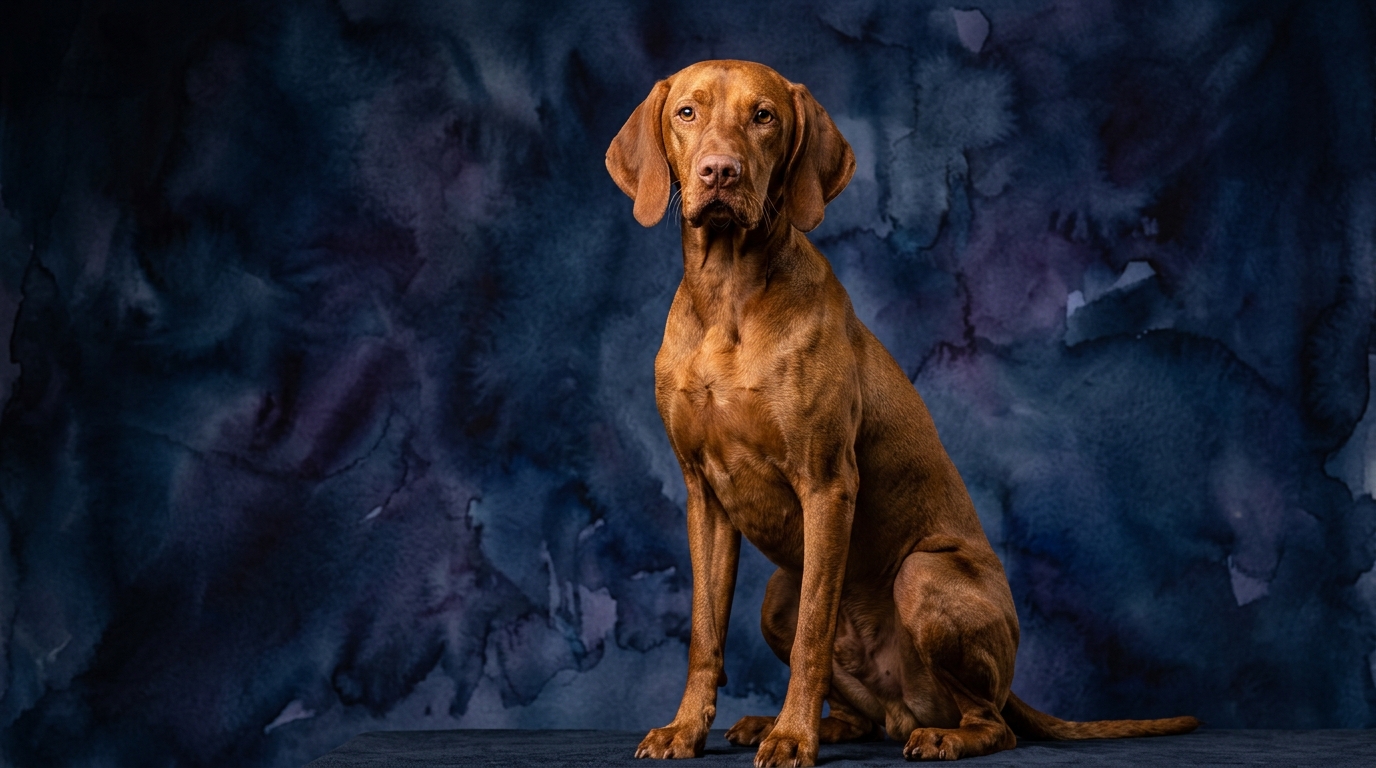
The Vizsla, a member of the Sporting Group, registers an impressive Coren rank of 31, indicating a strong capacity for learning and task execution. Our Cosmic Pet Pet IQ Lab assessment scores them 4/5 for Problem Solving, reflecting a keen ability to navigate novel situations and overcome obstacles. Their Training Speed also stands at 4/5, suggesting a quick grasp of commands and routines. Social Intelligence is a remarkable 5/5, highlighting their exceptional ability to read and respond to human cues and social dynamics. An Instinctive Drive of 5/5 underscores their powerful genetic predisposition for hunting and working tasks, while Memory at 4/5 points to solid retention of learned behaviors and experiences.
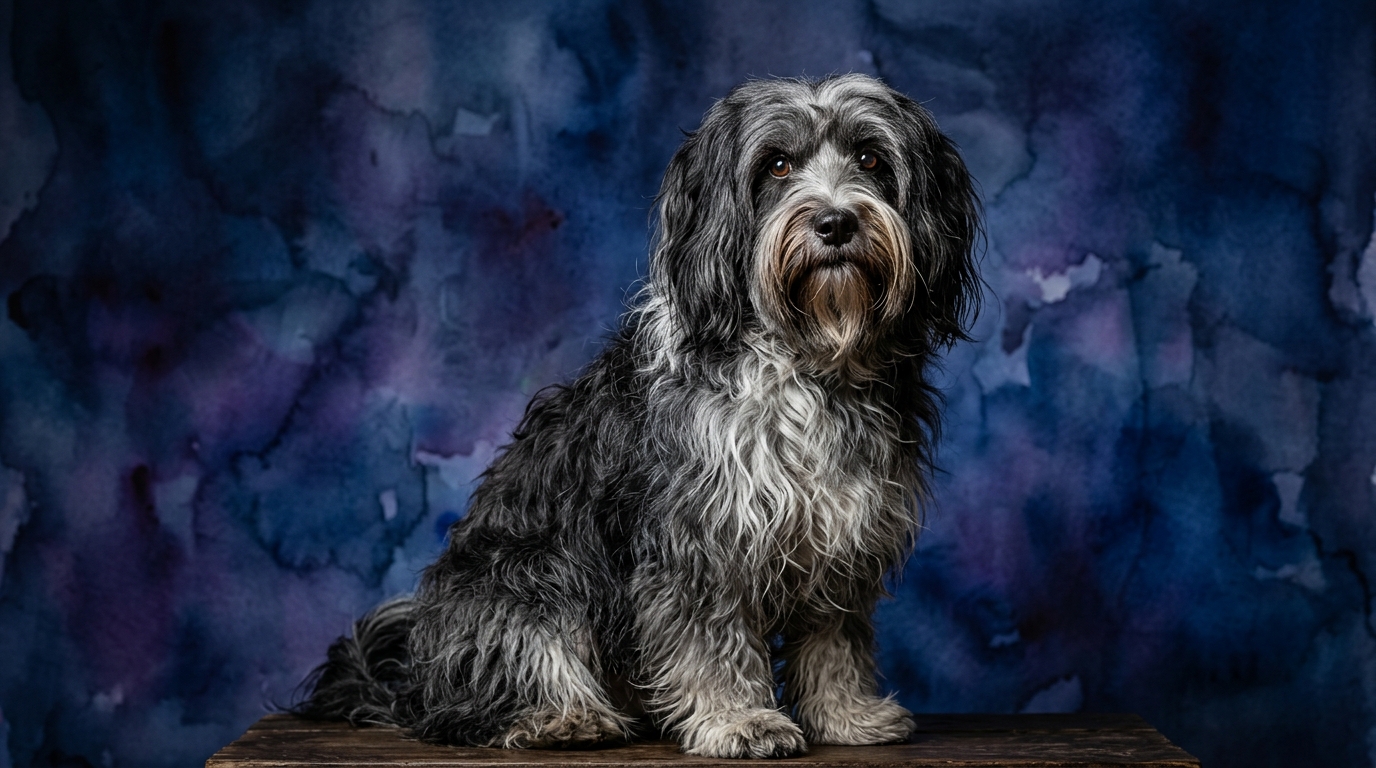
Conversely, the Tibetan Terrier from the Non-Sporting Group holds a Coren rank of 63, positioning them as capable learners with a different cognitive profile. Their Problem Solving is rated 3/5, indicating a competent but perhaps more deliberate approach to new challenges. Training Speed also scores 3/5, suggesting they learn at a moderate pace, requiring consistent and patient instruction. Social Intelligence at 3/5 implies they are perceptive but may exhibit more selective or independent social engagement compared to the Vizsla. An Instinctive Drive of 3/5 denotes a moderate level of inherent working urges, less intense than a dedicated sporting breed. Finally, their Memory at 3/5 means they retain information adequately, though perhaps not with the immediate recall of higher-scoring breeds.
Where Vizsla Wins Cognitively
The Vizsla's cognitive strengths shine particularly bright in areas demanding rapid processing, intense social connection, and an unwavering drive to work alongside humans. Their 5/5 Social Intelligence means they are exceptionally attuned to their owner's moods, intentions, and subtle body language, allowing for seamless communication and partnership in complex activities. This profound social acumen facilitates sophisticated collaborative tasks, making them intuitive companions for intricate training sequences or competitive dog sports where owner-dog synergy is paramount. Furthermore, their 5/5 Instinctive Drive isn't just about raw energy; it's a cognitive engine that fuels persistent focus and determination in pursuit of a goal, translating into an incredible work ethic whether tracking game or mastering advanced obedience. This sustained mental engagement, combined with 4/5 Problem Solving, equips them to quickly strategize and adapt when faced with new variables in their environment or during training exercises.
Where Tibetan Terrier Wins Cognitively
While the Vizsla excels in collaborative drive, the Tibetan Terrier offers a distinct cognitive advantage in independent thought and adaptable observation. Their 3/5 Problem Solving, while not as rapid as the Vizsla's, often manifests as a thoughtful, sometimes stubborn, persistence. This means they might take longer to assess a situation but can arrive at a solution through methodical trial-and-error, demonstrating a quiet determination rather than immediate, energetic action. Their moderate 3/5 Instinctive Drive can be a cognitive "win" for owners seeking a companion less burdened by an overwhelming need for constant, high-intensity work; they are often content to observe and engage on their own terms, making them less prone to restlessness when not actively "working." This independence, rooted in their original purpose as watchdogs and companions in varied terrain, reflects a cognitive flexibility to adapt to diverse environments without requiring constant external direction or stimulation. Their more measured Social Intelligence (3/5) means they form deep bonds but often with a discerning approach, valuing quality over constant interaction, which can be seen as a cognitive strength for owners who appreciate a dog with a distinct personality and less clingy disposition.
Which is Easier to Train and Why
Based on the Cosmic Pet Pet IQ Lab data, the Vizsla (Training Speed 4/5) is generally easier to train than the Tibetan Terrier (Training Speed 3/5). The Vizsla's higher training speed is directly linked to their innate eagerness to please and their exceptional social intelligence (5/5), which makes them highly responsive to human feedback and motivated by praise and partnership. They quickly connect actions with consequences and are inherently driven to cooperate, making the acquisition of new commands a relatively swift process. Their strong memory (4/5) further ensures that once a behavior is learned, it is retained effectively.
In contrast, the Tibetan Terrier, with a moderate training speed, requires a more patient and consistent approach. Their 3/5 Social Intelligence suggests they are perceptive but also possess a streak of independence, meaning they might not always view compliance as their top priority. While capable of learning, they can sometimes be more selective about when and how they choose to demonstrate that learning. Owners might find that while a Vizsla might eagerly repeat a command after a few tries, a Tibetan Terrier might require more repetitions and a stronger motivation to perform consistently, reflecting their thoughtful, sometimes self-directed cognitive style rather than an inherent drive for constant human collaboration.
Which Suits Active Owners vs. Relaxed Owners
The Vizsla is an undeniable match for active owners who thrive on outdoor adventure and crave a constant companion in their pursuits. Their 5/5 Instinctive Drive means they require substantial physical exercise, such as running, hiking, or dog sports, to prevent restlessness and channel their boundless energy constructively. Beyond physical activity, their high Social Intelligence (5/5) and need for partnership mean they also demand significant mental engagement and interaction, making them ideal for individuals or families who want a dog involved in every aspect of their lives and are prepared to integrate them into daily activities and training routines.
Conversely, the Tibetan Terrier is better suited for owners who appreciate a more relaxed pace but still enjoy regular, moderate activity. Their 3/5 Instinctive Drive means they are content with daily walks, playtime in a secure yard, and indoor companionship rather than marathon runs. While they benefit from mental stimulation, their lower social intelligence score (3/5) suggests they are not as intensely demanding of constant human interaction as the Vizsla, often enjoying independent play or quiet observation. This independence makes them a good fit for individuals or families who desire a loyal, affectionate companion but might not have the capacity for several hours of high-intensity physical and mental exercise daily.
The Verdict
Choose the Vizsla if you are an active, committed owner seeking a highly cooperative, driven partner for outdoor adventures, dog sports, and intensive training, valuing a dog deeply attuned to your every cue.
Opt for the Tibetan Terrier if you prefer a thoughtful, independent companion for moderate activity and consistent, patient guidance, appreciating a dog with a unique personality and less intense demands for constant work.
🧠 Find Your Pet's IQ Score
Our Pet IQ Lab assessment covers 25+ tests across 5 cognitive dimensions — personalized to your breed.
Take the Full IQ Test →Frequently Asked Questions
Is a Vizsla suitable for first-time dog owners?
A Vizsla can be a challenging but rewarding choice for first-time owners who are prepared for their high energy, strong drive, and significant training needs. Their social intelligence makes them eager learners, but their exercise requirements are substantial.
Do Tibetan Terriers bark a lot?
Tibetan Terriers can be alert barkers, using their voice to signal new sights or sounds, reflecting their historical role as watchdogs. Consistent training from an early age can help manage excessive barking.
Which breed is better with children?
Both breeds can be good with children, but their approaches differ. Vizslas, with their high social intelligence and energy, often thrive in active family environments that can manage their boisterous play. Tibetan Terriers are generally patient and good-natured, but their independent streak means they might prefer to retreat if overstimulated, requiring children to respect their space.