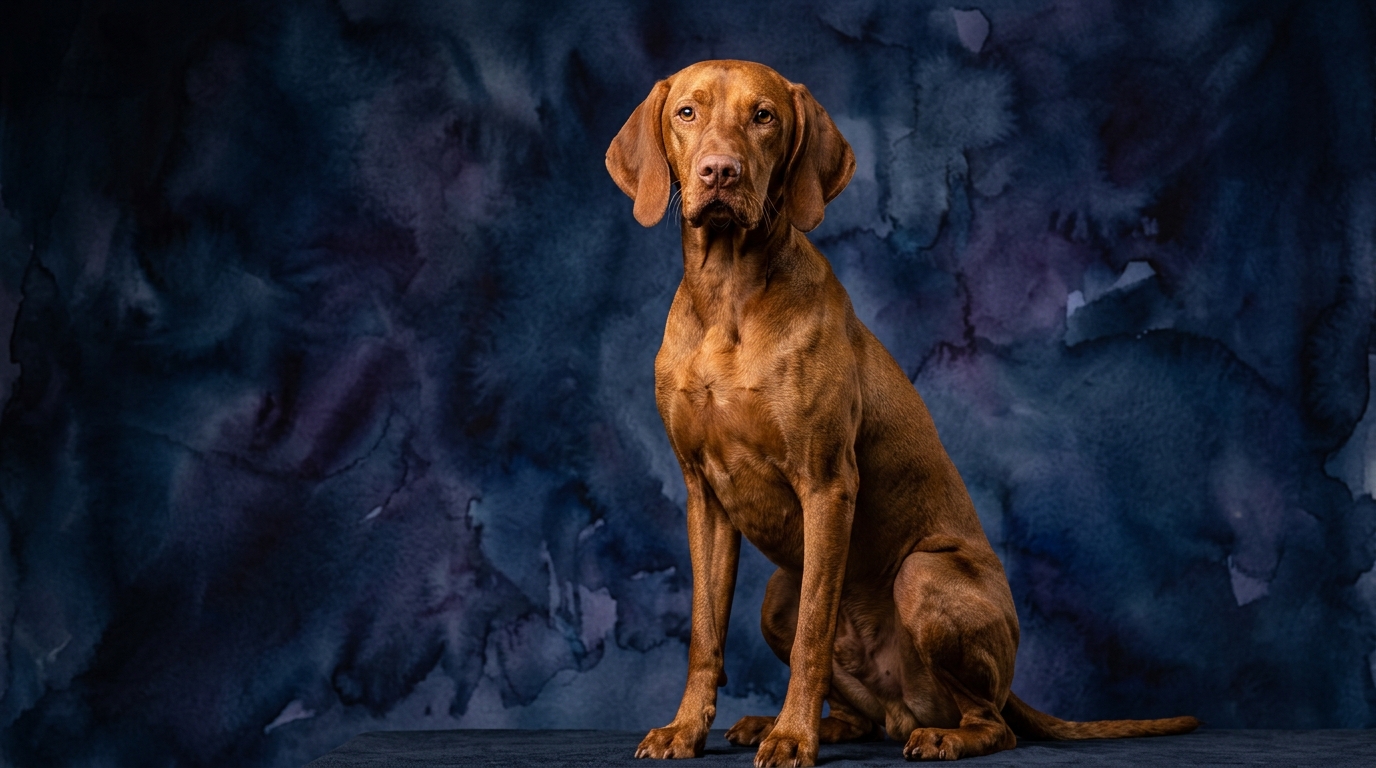
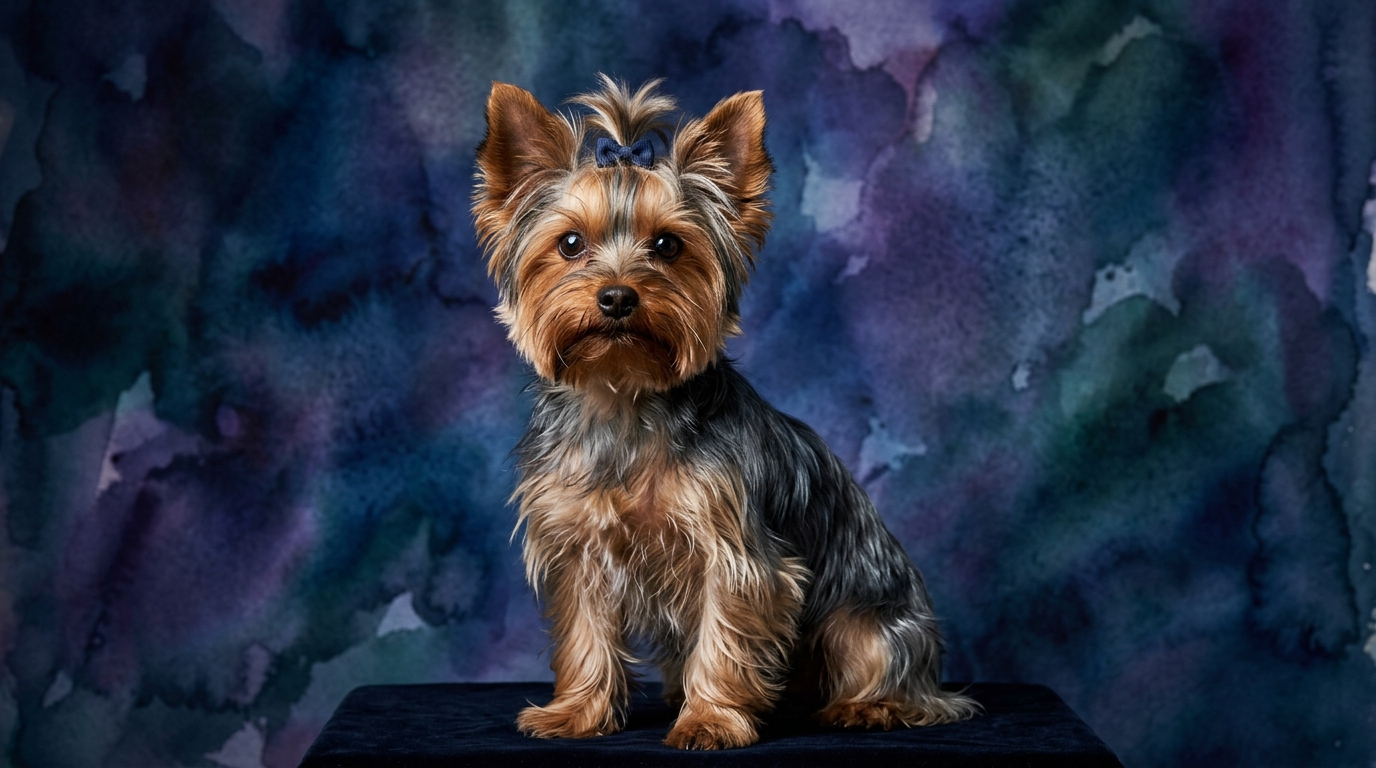
Side-by-Side IQ Profile: Vizsla vs. Yorkshire Terrier
The Cosmic Pet Pet IQ Lab's framework provides a nuanced lens through which to compare these breeds. The Vizsla, ranked #31 by Coren, demonstrates robust cognitive abilities across the board. Their problem-solving score of 4/5 indicates a significant capacity for navigating complex situations, figuring out novel challenges, and adapting strategies when faced with obstacles. A training speed of 4/5 suggests they learn new commands and routines with efficiency, responding well to clear guidance. Where the Vizsla truly shines is in social intelligence, scoring a perfect 5/5, reflecting an exceptional attunement to human emotions, intentions, and social cues, forming remarkably strong, symbiotic bonds. Their instinctive drive, also a 5/5, points to a powerful inherent motivation for cooperative work, tracking, and retrieving. Finally, their memory at 4/5 means they effectively retain learned information, commands, and past experiences.
In contrast, the Yorkshire Terrier, with a Coren rank of #27, presents a different cognitive landscape. Their problem-solving at 3/5 shows competence, enabling them to figure out immediate challenges, though they might require more direct guidance for intricate tasks or prefer to solve problems on their own terms. Matching the Vizsla, their training speed is 4/5, indicating they grasp new concepts readily, yet their independent terrier spirit can occasionally influence the consistency of their compliance. The Yorkshire Terrier's social intelligence sits at 4/5, signifying a strong ability to form close attachments and understand household dynamics, often being quite perceptive to their owner's moods and routines. Their instinctive drive, rated 4/5, reflects the classic terrier tenacity for chasing small prey, exploring, and asserting their presence, a drive focused more on independent action than cooperative partnership. Similar to the Vizsla, their memory is 4/5, enabling good recall of routines, people, and boundaries.
Where the Vizsla Wins Cognitively
The Vizsla's cognitive strengths are particularly pronounced in areas demanding cooperative engagement and dynamic problem-solving within a partnership. Their 4/5 problem-solving score, a point higher than the Yorkshire Terrier, translates into a greater aptitude for independently analyzing and resolving novel situations, from navigating complex agility courses to figuring out how to retrieve a toy from an unusual spot. This cognitive flexibility allows them to adapt quickly to changing environments and learn from their experiences with a more strategic approach.
A defining cognitive advantage for the Vizsla lies in their exceptional 5/5 social intelligence, surpassing the Yorkshire Terrier's 4/5. This means they are extraordinarily perceptive to human non-verbal cues, emotional states, and desires, fostering an almost intuitive understanding between dog and owner. This deep social awareness makes them incredibly responsive partners in any activity, anticipating commands and reacting to subtle shifts in human body language. This cognitive attunement is not merely about bonding; it's a foundational element for their cooperative working ethic.
Furthermore, the Vizsla's 5/5 instinctive drive, compared to the Yorkshire Terrier's 4/5, manifests as a powerful, focused motivation for tasks like scent work, tracking, and retrieving. This isn't just a physical drive; it's a cognitive predisposition to engage in specific, goal-oriented activities with intense concentration and a desire to work alongside their human companion. This drive provides a natural framework for directed learning and sustained effort in complex tasks, making them particularly adept at roles requiring sustained mental engagement in the field or in dog sports.
Where the Yorkshire Terrier Wins Cognitively
While the Vizsla excels in cooperative cognitive tasks, the Yorkshire Terrier displays distinct cognitive strengths rooted in their terrier heritage and compact size, often manifesting as a shrewd self-reliance and tenacious application of their abilities. Despite a problem-solving score of 3/5, the Yorkshire Terrier applies this capacity with a keen focus on their immediate environment and personal objectives. This often translates into a cleverness for navigating their home territory, outsmarting perceived domestic "threats" like the vacuum cleaner, or even subtly "training" their owners to meet their demands for attention or treats. Their problem-solving is often less about large-scale strategic planning and more about persistent, inventive solutions for their personal comfort and desires.
The Yorkshire Terrier's Coren rank of #27, slightly higher than the Vizsla's #31, suggests that their overall "working and obedience intelligence" is highly effective within their specific context. This isn't necessarily about outperforming in complex field trials, but rather about their ability to learn and apply rules and routines reliably in a domestic setting, often with a flair of their independent personality. Their 4/5 training speed, combined with their 4/5 memory, means they learn quickly and retain information, often using this knowledge to their advantage in household dynamics.
Their 4/5 instinctive drive, while different from the Vizsla's, is a powerful cognitive asset for their size. This drive fuels their vigilance and protective instincts, allowing them to be highly effective small guardians, keenly aware of their surroundings and quick to alert their household to novel stimuli. This cognitive application of their instincts makes them incredibly alert and responsive to their environment, demonstrating a sharp awareness that serves them well as companions.
Which is Easier to Train and Why
When considering ease of training, the Vizsla generally presents a more straightforward path for most owners due to specific cognitive and behavioral traits. Both breeds share a 4/5 training speed, meaning they grasp new commands at a similar pace. However, the Vizsla's superior social intelligence (5/5) is a significant differentiator. They possess an innate desire for partnership and a profound attunement to human cues, making them eager to please and highly responsive to positive reinforcement. This deep social connection means they actively seek to understand and comply with their owner's wishes, often anticipating commands and thriving on the cooperative aspect of training. Their high instinctive drive (5/5) also provides a natural motivation for tasks, channeling their energy into directed learning rather than independent exploration.
The Yorkshire Terrier, while equally capable of learning quickly (4/5 training speed), often brings a tenacious, independent terrier spirit to the training process. Their social intelligence at 4/5 is strong, allowing them to form close bonds, but it is often balanced by a willfulness that can make consistent compliance more challenging. A Yorkie might understand a command perfectly but choose to execute it only if they perceive sufficient motivation or if it aligns with their current agenda. Their instinctive drive (4/5) is geared more towards independent pursuit and self-assertion, requiring a trainer to be particularly engaging and consistent to overcome their natural inclination to follow their own path. Training a Yorkshire Terrier requires immense patience, creativity, and a firm, yet positive approach to consistently reinforce desired behaviors against their often-charming stubbornness.
Which Suits Active Owners vs. Relaxed Owners
The cognitive profiles and inherent drives of these two breeds clearly delineate their suitability for different owner lifestyles. The Vizsla is an ideal match for active owners who thrive on outdoor adventures and desire a deeply engaged canine partner. Their 5/5 instinctive drive means they possess a relentless need for physical exertion and mental stimulation, excelling in activities like long-distance running, hiking, hunting, or dog sports such as agility and flyball. Their 4/5 problem-solving and 5/5 social intelligence make them eager participants in complex training scenarios and cooperative tasks, requiring an owner who can consistently provide intellectual challenges and maintain a strong, interactive bond. A relaxed owner might find themselves overwhelmed by the Vizsla's boundless energy and profound need for engagement, potentially leading to boredom-induced behaviors.
Conversely, the Yorkshire Terrier is better suited for more relaxed owners, though they are far from being couch potatoes. While possessing a 4/5 instinctive drive, their smaller size means their exercise requirements are more manageable, typically satisfied with brisk walks, indoor play sessions, and interactive games within the home. Their cognitive engagement often comes from observing and interacting within their immediate family unit, asserting their personality, and navigating household dynamics. Their 3/5 problem-solving is adept at handling the complexities of a domestic environment, and their 4/5 social intelligence allows them to be affectionate and perceptive companions without the intense demand for constant, high-energy partnership. A relaxed owner can easily meet the Yorkshire Terrier's physical and mental stimulation needs, enjoying their spirited companionship without the commitment required for a high-drive sporting breed.
The Verdict
For owners seeking a highly engaged, cooperative partner for active pursuits and complex mental challenges, who appreciate a dog deeply attuned to human connection and eager to work alongside them, the Vizsla is an excellent choice.
For those desiring a spirited, tenacious, and clever companion in a smaller package, who appreciate an independent personality and whose activity needs align with a more indoor-centric, observant lifestyle, the Yorkshire Terrier is a fitting companion.
🧠 Find Your Pet's IQ Score
Our Pet IQ Lab assessment covers 25+ tests across 5 cognitive dimensions — personalized to your breed.
Take the Full IQ Test →Frequently Asked Questions
Are Vizslas good with children?
Vizslas, with their 5/5 social intelligence and affectionate nature, can be wonderful with children, often forming strong bonds. However, their high energy and enthusiastic play style require supervision, especially with very young children, to ensure gentle interactions.
Do Yorkshire Terriers bark a lot?
Yorkshire Terriers, with their 4/5 instinctive drive and vigilant nature, can be prone to barking, particularly when alerting to perceived threats or strangers. Consistent training from a young age can help manage this tendency, channeling their vocalizations appropriately.
What kind of mental stimulation do Vizslas need?
Vizslas require significant mental stimulation beyond physical exercise, due to their 4/5 problem-solving and 5/5 instinctive drive. This includes puzzle toys, scent work, obedience training, dog sports like agility, and learning new tricks to keep their minds engaged and prevent boredom.
Can Yorkshire Terriers be trained for agility?
Absolutely, Yorkshire Terriers, with their 4/5 training speed, 4/5 memory, and spirited nature, can excel in agility. Their compact size and tenacity make them surprisingly nimble and determined competitors, enjoying the challenge and partnership.