Side-by-Side IQ Profile
The Cosmic Pet Pet IQ Lab employs a five-dimensional framework to assess canine cognition, providing a nuanced understanding of each breed's mental strengths. Let's examine how the Welsh Springer Spaniel and the Miniature Pinscher stack up across these specific cognitive attributes.
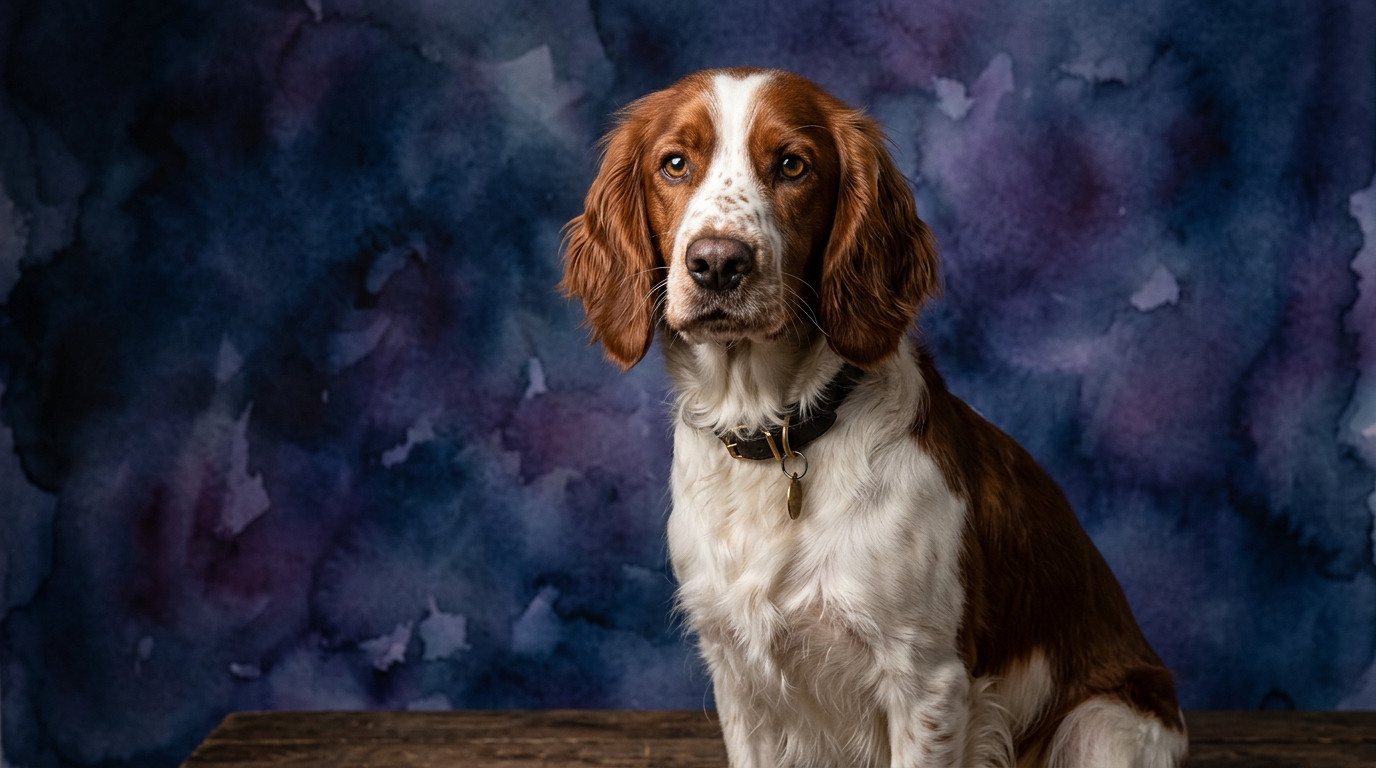
For the **Welsh Springer Spaniel**, a Coren-ranked #31 breed, we observe a commendable cognitive profile. Their **Problem Solving (4/5)** indicates a strong capacity for navigating complex situations, often demonstrating ingenuity in achieving goals, likely stemming from its history as a versatile hunting companion requiring independent thought in the field. This breed can assess environments and devise solutions, whether it's figuring out how to retrieve a toy from a tricky spot or learning intricate multi-step commands. Their **Training Speed (4/5)** means they typically grasp new commands and routines with impressive alacrity. Their eagerness to engage and their ability to connect actions with desired outcomes make them responsive learners, often requiring fewer repetitions than many other breeds to solidify a behavior. **Social Intelligence (3/5)** for the WSS reflects a moderate understanding of human social cues and intentions. While generally affectionate and cooperative, they might not always pick up on subtle emotional shifts or complex social dynamics as readily as some breeds, preferring straightforward interactions. Their social awareness is sufficient for harmonious family life but isn't their strongest cognitive suit. Their **Instinctive Drive (3/5)** represents a moderate level of inherent drives, particularly related to their retrieving and flushing heritage. While they enjoy engaging in activities that tap into these instincts, such as scent work or fetching, these drives are generally manageable and can be channeled effectively with consistent training, rather than overpowering their daily conduct. Finally, their **Memory (4/5)** demonstrates a robust ability to retain information over time, remembering commands, routines, and even specific people or places for extended periods. This strong memory contributes significantly to their training responsiveness and their capacity to recall previously learned solutions to problems, making their learning cumulative and efficient.
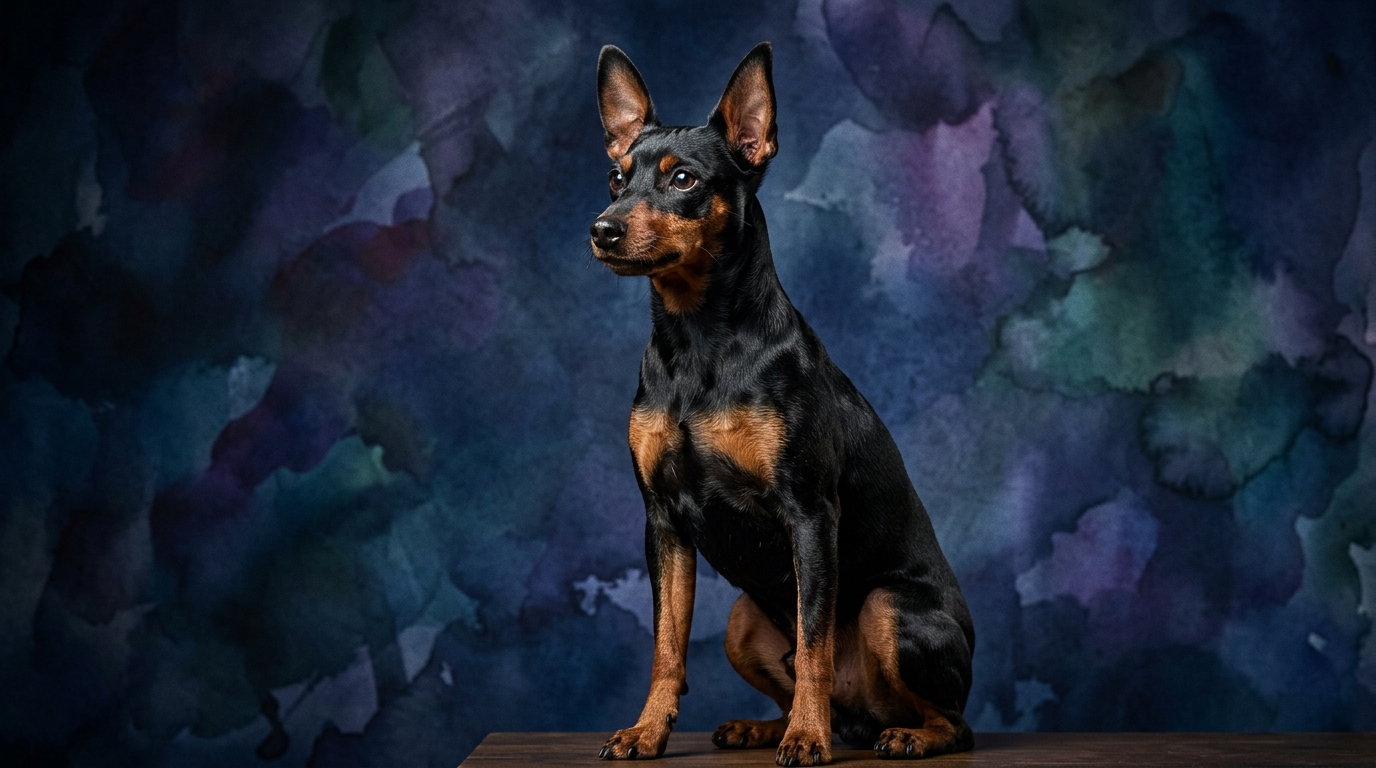
The **Miniature Pinscher**, while not Coren-ranked, presents a distinct set of cognitive characteristics. Their **Problem Solving (3/5)** indicates a moderate level of ingenuity. They can learn to overcome simple obstacles and adapt to new situations, often relying on persistence and their inherent boldness. While they might not devise elaborate solutions, they are capable of figuring out how to get what they want through trial and error or by exploiting known pathways. Their **Training Speed (3/5)** shows a moderate pace in acquiring new skills and commands. They are capable learners but may require more consistent repetition and motivation to fully internalize new behaviors compared to faster learning breeds. Their independent streak can sometimes make them appear less eager to please during training sessions. In terms of **Social Intelligence (3/5)**, Min Pins exhibit a moderate capacity for interpreting social cues. They are generally aware of their human companions' moods and react accordingly, though their independent nature means they might not always prioritize human emotional states over their own desires. They form strong bonds but can also be reserved with strangers, indicating a selective social awareness. Their **Instinctive Drive (3/5)** possesses a moderate level, rooted in their historical role as ratters. This manifests as a keen prey drive and a vigilant nature, making them alert watchdogs. While these instincts are present, they are generally manageable within a household setting with appropriate outlets and consistent guidance. Lastly, the Min Pin's **Memory (3/5)** capacity is moderate, capable of recalling commands and routines. They can remember important associations and past experiences, which aids in their learning and adaptation. However, their recall might not be as steadfast or detailed as breeds with higher memory scores, potentially requiring occasional refreshers for complex tasks.
Where Welsh Springer Spaniel Wins Cognitively
The Welsh Springer Spaniel distinctly surpasses the Miniature Pinscher in two key cognitive areas: problem-solving and memory. With a 4/5 in problem-solving compared to the Min Pin's 3/5, the WSS demonstrates a more sophisticated ability to analyze new situations and independently devise effective solutions. This manifests in their capacity for learning multi-step tasks, adapting quickly to changes in training protocols, and creatively overcoming environmental challenges without constant human intervention. Their field heritage likely instilled a need for autonomous decision-making. For instance, a WSS might more readily figure out how to open a complex puzzle toy or navigate an agility course with minimal guidance after initial instruction.
Furthermore, the WSS's memory score of 4/5 outshines the Min Pin's 3/5, meaning they retain learned information, commands, and routines more reliably over extended periods. This robust memory enhances their cumulative learning, allowing them to build upon past experiences and apply previous solutions to novel but similar problems, making their training more efficient and their learned behaviors more durable. This strong cognitive retention means less frequent refreshing of commands and a quicker re-engagement with previously learned skills, a clear advantage for owners seeking a dog that remembers its lessons consistently, even after a break from training.
Where Miniature Pinscher Wins Cognitively
While the Welsh Springer Spaniel holds an edge in specific cognitive scores, the Miniature Pinscher demonstrates a unique cognitive strength in its focused, independent application of its moderate instinctive drive, particularly concerning vigilance and territory. Though both breeds share a 3/5 in instinctive drive, the Min Pin's expression of this drive is often more concentrated on its immediate environment and perceived threats, stemming from its heritage as a "king of toys" with a bold, self-assured demeanor. This translates into an acute awareness of surroundings and a readiness to alert, often with a fearless tenacity disproportionate to its size. A Min Pin's cognitive processes are highly attuned to monitoring its domain, making it an exceptionally attentive watchdog.
While not a "win" in raw IQ score, this particular manifestation of instinct provides a cognitive advantage for specific roles, such as an effective household alarm system, where its focused alertness and vocal communication can be highly effective. The Min Pin's slightly lower training speed (3/5 vs WSS's 4/5) and problem-solving (3/5 vs WSS's 4/5) are compensated by this distinct, unwavering application of its inherent protective and observant nature, a cognitive trait that, while not about complex problem-solving, is highly effective for its intended purpose. Their determination, often perceived as stubbornness, is also a cognitive attribute that allows them to pursue a goal with singular focus, even if it requires repeated attempts or ignoring distractions, which can be an asset in certain self-directed tasks.
Which is Easier to Train and Why
The Welsh Springer Spaniel is generally easier to train than the Miniature Pinscher, primarily due to its superior training speed (4/5 vs. 3/5) and stronger memory (4/5 vs. 3/5). WSS puppies and adults typically pick up new commands and behaviors with fewer repetitions, showing a more direct correlation between instruction and understanding. Their eagerness to engage with their human companions, combined with their ability to quickly associate actions with positive reinforcement, makes training sessions productive and rewarding. For instance, a WSS might master "stay" in a handful of sessions, reliably holding the position even with distractions, because it quickly commits the command and its associated reward to memory.
In contrast, the Miniature Pinscher, while capable of learning, often requires more patience and consistency. Their moderate training speed means they may need more frequent and extended practice sessions to solidify behaviors. Their independent streak can also lead them to test boundaries or become bored more quickly, requiring trainers to be creative and highly motivating. A Min Pin might understand "stay" but choose to break it if a more interesting stimulus appears, not due to a lack of comprehension, but a momentary prioritization of its own desires over the command, making the retention of complex or nuanced behaviors a longer process. Their moderate memory also means that skills might need more frequent refreshing to remain consistently reliable.
Which Suits Active Owners vs. Relaxed Owners
For active owners seeking a canine partner for adventures and regular engagement, the Welsh Springer Spaniel is the more fitting choice. Their moderate instinctive drive (3/5) combined with their higher problem-solving (4/5) and training speed (4/5) makes them excellent candidates for activities like obedience, agility, hiking, or even field trials. They thrive on mental and physical stimulation, enjoying structured play and opportunities to use their cognitive abilities to solve tasks, such as scent work or complex fetch games. Their robust stamina means they can keep pace with owners who enjoy long walks or runs, and they will actively seek out engagement if not provided.
Conversely, while the Miniature Pinscher also possesses a moderate instinctive drive (3/5), their exercise needs are generally less demanding, making them potentially suitable for more relaxed owners, provided their need for mental stimulation is still met. Min Pins benefit from shorter, more frequent bursts of activity rather than sustained endurance. Their vigilant nature means they enjoy observing their surroundings, and their moderate problem-solving (3/5) and memory (3/5) are well-suited to learning household routines and engaging in puzzle toys. Owners who prefer indoor games, short walks, and consistent mental challenges over extensive outdoor excursions might find the Miniature Pinscher's energy profile more aligned with their lifestyle. However, 'relaxed' does not equate to 'sedentary'; a Min Pin still requires consistent engagement to prevent boredom-induced behaviors and channel its natural alertness constructively.
The Verdict
Choose the Welsh Springer Spaniel if you are an active owner seeking a highly trainable companion for complex activities, valuing superior problem-solving and memory for efficient learning and reliable command retention. Their eagerness to engage and capacity for sustained mental and physical effort make them ideal for dynamic lifestyles.
Opt for the Miniature Pinscher if you appreciate a vigilant, spirited companion with a bold personality, and are prepared for consistent, patient training, valuing their moderate but persistent cognitive approach to life. They are well-suited for owners who can provide consistent mental engagement and enjoy a dog with an independent streak.
🧠 Find Your Pet's IQ Score
Our Pet IQ Lab assessment covers 25+ tests across 5 cognitive dimensions — personalized to your breed.
Take the Full IQ Test →Frequently Asked Questions
Do Welsh Springer Spaniels get bored easily?
Welsh Springer Spaniels, with their 4/5 problem-solving and 3/5 instinctive drive, do require consistent mental and physical engagement to prevent boredom. Their capacity for learning and their field heritage mean they thrive on activities that challenge their minds and bodies, making daily structured play and training essential.
Are Miniature Pinschers difficult to house train?
Miniature Pinschers can present a moderate challenge in house training due to their 3/5 training speed and independent nature, but they are certainly trainable with consistency. Owners should employ positive reinforcement, frequent potty breaks, and a strict routine to help them quickly grasp house-training concepts.
How do their social intelligence scores impact family life?
Both breeds score 3/5 in social intelligence, meaning they generally understand human cues sufficiently for harmonious family life. The Welsh Springer Spaniel is typically amiable and cooperative, while the Miniature Pinscher forms strong bonds with its family but may be more reserved or watchful around strangers, requiring early socialization to foster balanced interactions.