Side-by-Side IQ Profile: Unpacking the Numbers
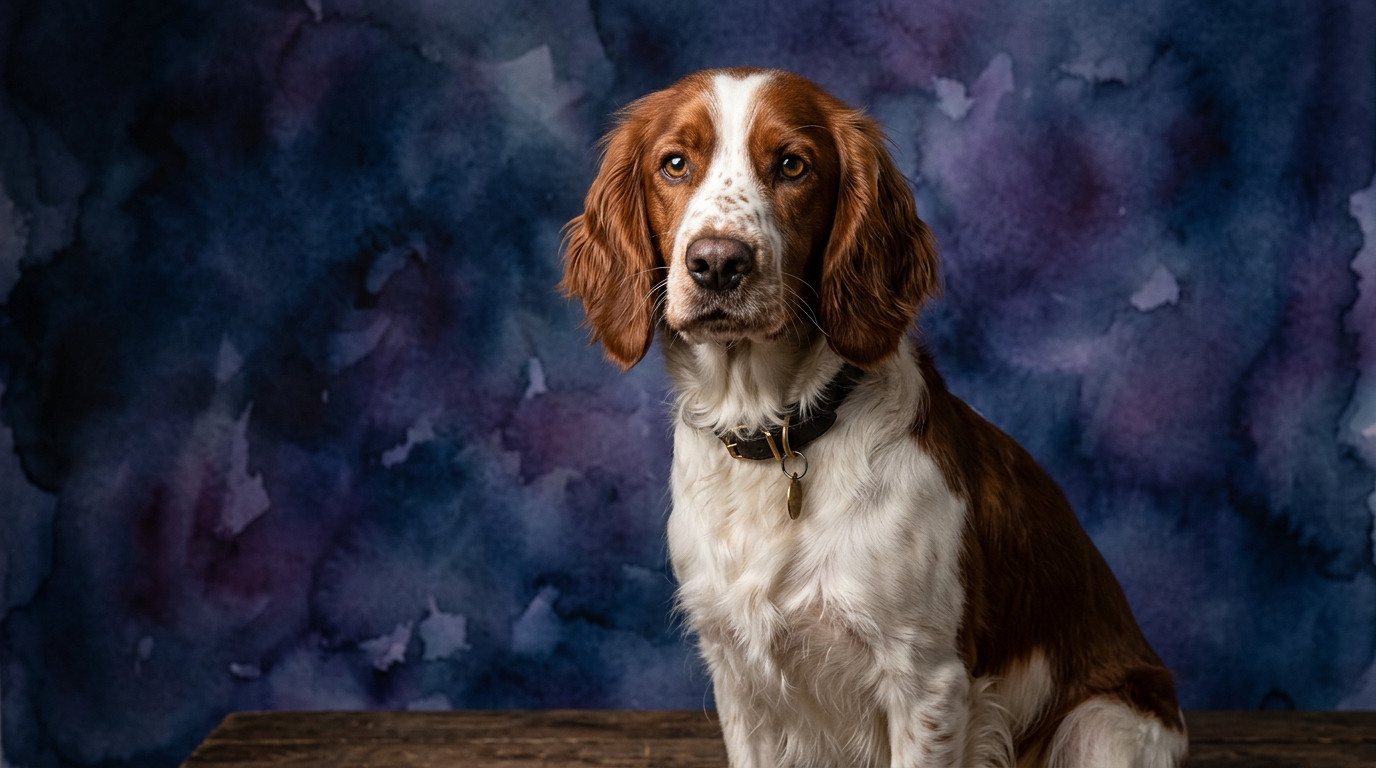
The Cosmic Pet Pet IQ Lab employs five key dimensions to assess canine intelligence, providing a nuanced view beyond a single score. For the Welsh Springer Spaniel, a Sporting Group member with a Coren rank of #31, its profile is consistent across the board: Problem Solving 4/5, Training Speed 4/5, Social Intelligence 3/5, Instinctive Drive 3/5, and Memory 4/5. This suggests a dog that is adept at understanding tasks, quick to learn, moderately attuned to social cues, possesses a balanced natural drive, and retains information effectively.
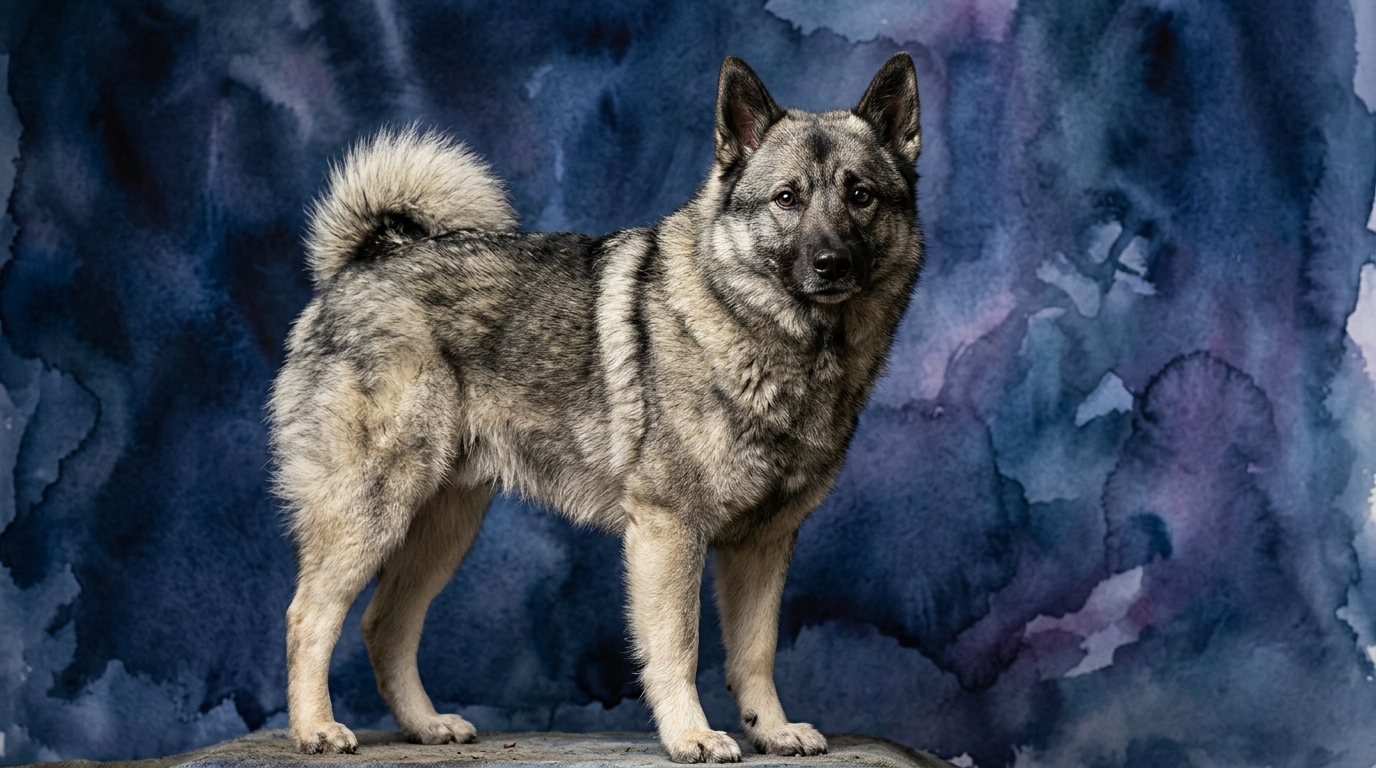
The Norwegian Elkhound, a Hound Group member with a Coren rank of #36, presents an identical set of scores: Problem Solving 4/5, Training Speed 4/5, Social Intelligence 3/5, Instinctive Drive 3/5, and Memory 4/5. On paper, these two breeds appear to have the same cognitive blueprint. However, the application and manifestation of these scores differ significantly due to their breed-specific predispositions and historical functions, which we will explore in detail.
A Problem Solving score of 4/5 for the Welsh Springer Spaniel indicates a dog capable of navigating complex environments to locate and retrieve game, or figuring out how to achieve a desired outcome within a structured activity. This manifests as a strategic approach to flushing birds from cover or mastering the sequence of an agility course. For the Norwegian Elkhound, the 4/5 Problem Solving score speaks to its ability to independently track large game over vast distances, making strategic decisions about terrain and scent, and adapting to changing conditions in the wild.
Both breeds achieve a Training Speed of 4/5, signifying a strong capacity for learning new commands and behaviors efficiently. For the Welsh Springer Spaniel, this reflects its eagerness to please and natural inclination to work cooperatively with a handler, readily associating actions with rewards. The Norwegian Elkhound’s equivalent score highlights its ability to grasp concepts quickly, though its independent nature means motivation often needs to align with its intrinsic drives for sustained engagement.
Social Intelligence, rated 3/5 for both, suggests a moderate awareness and responsiveness to human and canine social cues. The Welsh Springer Spaniel typically uses this to integrate smoothly into family dynamics, reading handler moods and intentions. The Norwegian Elkhound’s social intelligence is often expressed through deep loyalty to its immediate family, understanding pack hierarchy, though they can be more reserved or discerning with strangers, reflecting their self-reliant heritage.
An Instinctive Drive of 3/5 for the Welsh Springer Spaniel points to a strong, but manageable, desire to hunt, retrieve, and follow scent trails. This drive is typically channeled into sporting activities and interactive play. The Norwegian Elkhound’s 3/5 Instinctive Drive is rooted in its formidable prey drive for large game, a persistent and enduring motivation to track and bay, often requiring significant physical and mental outlets to satisfy.
Finally, a Memory score of 4/5 for both breeds underscores their capacity to retain learned behaviors, commands, and spatial information over time. The Welsh Springer Spaniel remembers complex sequences in training, preferred retrieving spots, and family routines. The Norwegian Elkhound leverages its memory to recall extensive tracking routes, scent profiles, and previous encounters, which is crucial for its independent hunting role.
Where the Welsh Springer Spaniel Wins Cognitively
While their raw scores are identical, the Welsh Springer Spaniel often demonstrates a cognitive edge in tasks requiring close handler cooperation and rapid adaptability within a dynamic, human-directed context. Their problem-solving, though rated equally, is more frequently applied to understanding and executing multi-step commands from a person, such as intricate retrieving drills or complex agility sequences where precision and timing are paramount. This breed excels at anticipating human intentions and adjusting its behavior accordingly, a hallmark of a dog bred to work in partnership.
Their 4/5 Training Speed is augmented by a natural desire to please, making them exceptionally responsive to positive reinforcement and eager to perform for their handler. This cooperative spirit means they often require fewer repetitions to solidify a command in a variety of settings, particularly when the handler is an active participant in the learning process. The Welsh Springer Spaniel's cognitive strength lies in its ability to quickly process and respond to human directives, making it a highly trainable and versatile companion for structured activities and competitive dog sports.
Where the Norwegian Elkhound Wins Cognitively
The Norwegian Elkhound’s cognitive strengths shine brightest in scenarios demanding independent thought, sustained focus on a self-assigned task, and resilience in challenging outdoor environments. Its 4/5 Problem Solving score is geared towards practical, self-directed solutions, such as tracking a scent over varied terrain for hours, navigating back to a starting point, or figuring out how to overcome an obstacle without human intervention. This breed was historically relied upon to make critical decisions alone in the wilderness, leading to a robust capacity for autonomous problem-solving.
The Elkhound's 3/5 Instinctive Drive, while similar in score, is profoundly expressed through its unwavering persistence in pursuit of a goal, particularly when it involves scent work. This relentless focus, combined with its 4/5 Memory for routes and scent profiles, allows it to excel in activities like tracking and search-and-rescue where a dog must operate with initiative and endurance. The Elkhound's cognitive advantage lies in its capacity for independent reasoning, tenacity, and a deep, intrinsic motivation to follow its instincts to a successful conclusion.
Which is Easier to Train and Why
When considering ease of training, the Welsh Springer Spaniel generally holds an advantage due to its inherent cooperative nature and strong desire to work with its human. With a Training Speed of 4/5, they grasp concepts quickly, and their predisposition to please means they are often more forgiving of handler errors and more motivated by praise and interaction. Their 3/5 Instinctive Drive, while present, is typically more amenable to being channeled into constructive activities like retrieving or obedience, making them highly responsive to traditional training methods and consistent positive reinforcement.
The Norwegian Elkhound, despite also having a Training Speed of 4/5, can present more challenges due to its independent spirit and profound instinctive drive. Bred to make decisions autonomously while hunting large game, Elkhounds often have a strong will and can be opinionated. Training requires immense patience, consistency, and an understanding that they need to be convinced that following a command is more rewarding than pursuing their own agenda. Their 3/5 Instinctive Drive, particularly their prey drive, can be a significant distraction in training if not properly managed and redirected, often requiring more creative and highly motivating techniques to maintain engagement.
Which Suits Active Owners vs. Different Types of Active Owners
Neither the Welsh Springer Spaniel nor the Norwegian Elkhound is suitable for truly relaxed or sedentary owners; both breeds demand significant physical and mental engagement. However, they cater to different styles of active lifestyles. The Welsh Springer Spaniel thrives with owners who enjoy interactive activities, structured training, and shared experiences. They are excellent companions for dog sports like agility, obedience, flyball, and retrieving games, requiring daily vigorous exercise combined with mental challenges that involve handler partnership. An owner who enjoys taking their dog on trails for brisk walks, engaging in regular training sessions, and including their dog in family activities will find the Welsh Springer Spaniel an eager and fulfilling partner.
The Norwegian Elkhound, while equally active, is better suited for owners who embrace rugged outdoor adventures and appreciate a dog with a strong, independent character. They require extensive daily exercise, often preferring long hikes, runs, or opportunities to explore open spaces where they can use their keen sense of smell. Their endurance and resilience make them ideal for owners who are avid hikers, backpackers, or enjoy sustained outdoor activities, even in colder climates. While they appreciate companionship, their need for independent exploration and a consistent, firm hand in training means they are best for experienced active owners who understand and respect their hound heritage.
The Verdict
Choose the Welsh Springer Spaniel if you seek an engaged, cooperative partner for dog sports, family life, and activities that involve working closely together in a dynamic and responsive manner.
Choose the Norwegian Elkhound if you're an experienced owner looking for a sturdy, independent companion for outdoor adventures, who appreciates a dog with strong character and can provide consistent, firm, yet fair training.
🧠 Find Your Pet's IQ Score
Our Pet IQ Lab assessment covers 25+ tests across 5 cognitive dimensions — personalized to your breed.
Take the Full IQ Test →Frequently Asked Questions
Are Welsh Springer Spaniels good with children?
Yes, Welsh Springer Spaniels are generally known for their patient, playful, and affectionate nature with children, making them good family companions. However, as with any breed, supervision is always advised to ensure respectful interactions from both dog and child.
Do Norwegian Elkhounds bark a lot?
Norwegian Elkhounds can be quite vocal, a trait stemming from their hunting heritage where they would bay at game to alert hunters. They tend to bark when alerting to strangers, when bored, or when they perceive something unusual, so consistent training is essential to manage this tendency.
Which breed is better for first-time dog owners?
The Welsh Springer Spaniel's cooperative nature and eagerness to please might make them a slightly more forgiving choice for a first-time owner committed to consistent training and exercise. The Norwegian Elkhound's independence and strong will can be more challenging for those new to dog ownership, requiring a more experienced approach.