Cognitive Profiles: Welsh Springer Spaniel vs. Norwegian Lundehund
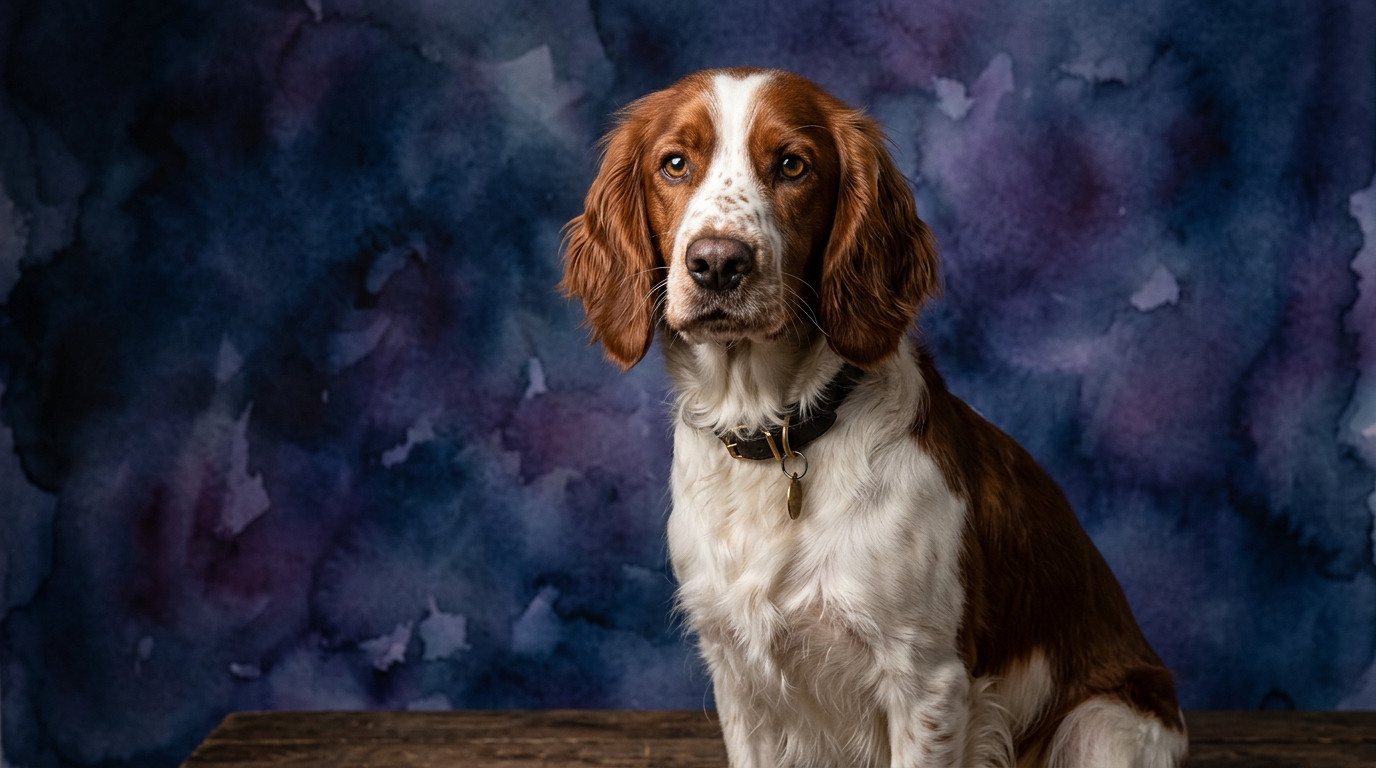
The Welsh Springer Spaniel, a Sporting Group member and Coren rank #31, exhibits a well-rounded cognitive toolkit. Their Problem Solving (4/5) and Training Speed (4/5) reflect an innate ability to adapt to complex tasks and quickly grasp new commands, essential for a cooperative gun dog. Social Intelligence (3/5) allows for strong human bonds, while an Instinctive Drive (3/5) focuses on flushing and retrieving. A strong Memory (4/5) ensures consistent retention of learned behaviors and routines, making them reliable partners.
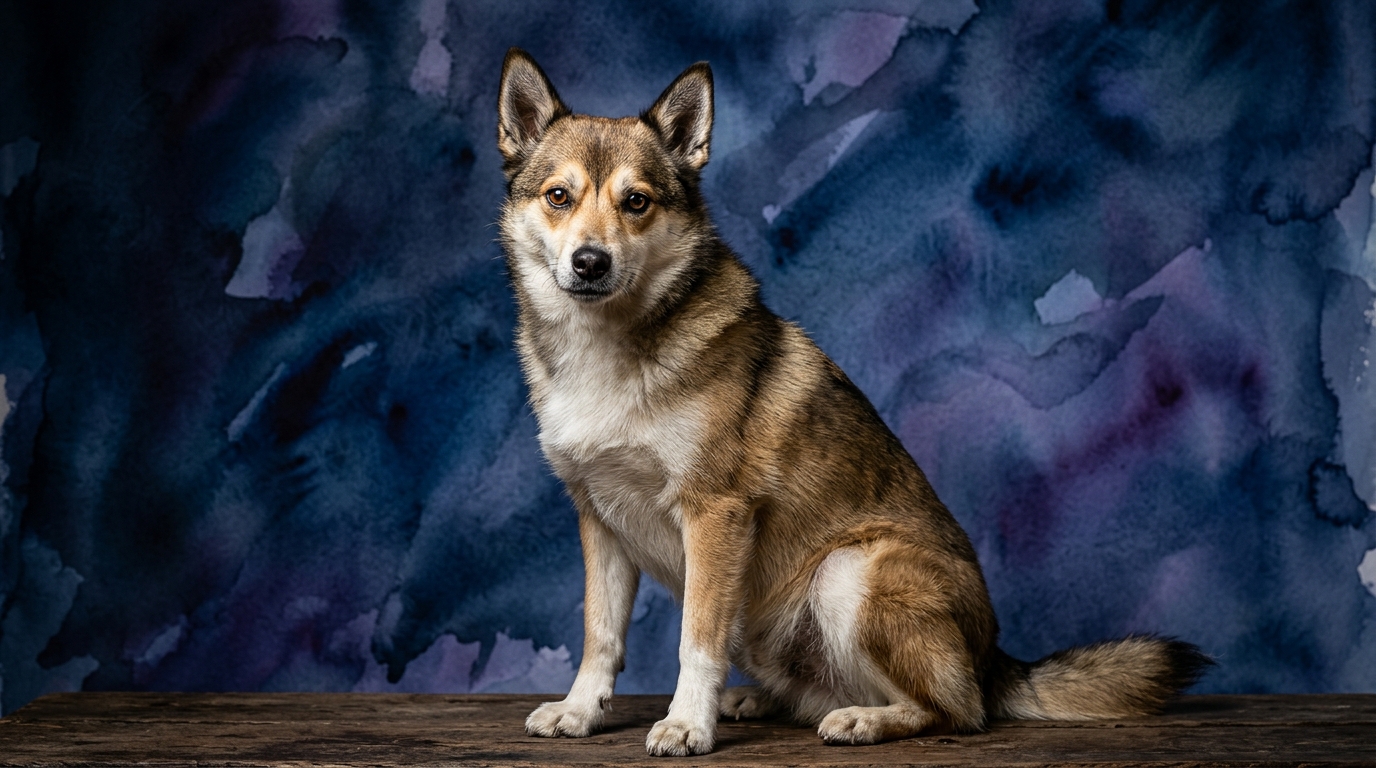
In contrast, the Norwegian Lundehund, a unique Non-Sporting breed, possesses a specialized intelligence shaped by its puffin hunting heritage. Their Problem Solving (3/5) is geared towards independent navigation of treacherous, confined spaces, demanding resilience more than human-directed solutions. Training Speed (3/5) indicates moderate learning, often requiring patience due to their independent streak. Social Intelligence (3/5) fosters deep family bonds but can lead to wariness with strangers. An Instinctive Drive (3/5) is highly specialized for agile, independent hunting, supported by a Memory (3/5) for routines and familiar environments.
Where the Welsh Springer Spaniel Excels Cognitively
The Welsh Springer Spaniel's cognitive strengths lie in its cooperative spirit and aptitude for human-directed activities. Their superior Problem Solving (4/5) and Training Speed (4/5) make them exceptionally proficient in advanced obedience, dog sports like agility, and intricate scent work. This breed excels at understanding and achieving goals set by their handler, quickly associating commands with actions and building a robust behavioral repertoire.
Their higher Memory (4/5) further enhances consistency, ensuring reliable recall of past lessons, household rules, and familiar individuals. This strong retention contributes to their dependability as companions who maintain learned behaviors over time. Their cognitive setup makes them ideal for owners seeking a responsive, engaged partner who enjoys collaborative learning and structured activities.
Where the Norwegian Lundehund's Specialized Cognition Shines
The Norwegian Lundehund's unique intelligence is perfectly tailored to its historical purpose, demanding a different kind of cognitive prowess. Its Problem Solving (3/5) isn't about handler-pleasing, but independent survival and resource acquisition in extreme environments. This breed demonstrates remarkable spatial and physical problem-solving, adeptly navigating tight crevices and climbing sheer surfaces with its uniquely flexible body.
Their Instinctive Drive (3/5) manifests as a deep-seated need for independent hunting, requiring resilience, cunning, and self-reliance rather than strict adherence to commands. The Lundehund's strength lies in its autonomy and ability to make independent decisions in challenging conditions. This breed exemplifies a highly effective, specialized intelligence, allowing them to thrive in a niche ecological role for centuries.
Ease of Training: Cooperation vs. Independence
Training a Welsh Springer Spaniel is generally a more straightforward experience. Their Training Speed of 4/5, combined with an eager-to-please disposition and strong memory, means they typically grasp commands quickly and respond well to positive reinforcement. They thrive on collaborative activities and enjoy the mental stimulation of learning new skills with their human, further facilitated by their social intelligence.
Conversely, the Norwegian Lundehund, with a Training Speed of 3/5 and a pronounced independent streak, can be more challenging for conventional obedience. Their historical role fostered self-reliance over strict compliance, often translating into a 'what's in it for me?' attitude. Training requires immense patience, consistency, and highly motivating rewards, focusing on making learning a fun, engaging puzzle rather than a rote exercise.
Matching Breeds to Owner Lifestyles
For active owners seeking a dynamic, engaged partner for outdoor adventures and structured activities, the Welsh Springer Spaniel is an excellent match. Their well-rounded cognitive abilities and energetic disposition make them ideal for hiking, running, dog sports, or hunting tests. They thrive on consistent mental and physical stimulation, enjoying the process of learning and working alongside their human.
The Norwegian Lundehund suits owners who appreciate a dog with a strong independent streak and unique needs. While requiring exercise, their specialized problem-solving demands mental engagement that allows for autonomy, perhaps through puzzle toys or exploring varied, safe environments. They are not for those seeking blind obedience, but rather for owners valuing resilience, quirky cleverness, and creative approaches to management and training.
The Verdict
Choose the Welsh Springer Spaniel if you desire a highly trainable, cooperative, and active companion eager to engage in collaborative learning and outdoor pursuits.
Opt for the Norwegian Lundehund if you appreciate a resilient, independent, and uniquely clever dog, and are prepared for a patient, creative approach to training and engagement.
🧠 Find Your Pet's IQ Score
Our Pet IQ Lab assessment covers 25+ tests across 5 cognitive dimensions — personalized to your breed.
Take the Full IQ Test →Frequently Asked Questions
Which breed is better for first-time dog owners?
The Welsh Springer Spaniel, with its higher training speed and cooperative nature, is generally a more forgiving and straightforward choice for first-time dog owners. The Norwegian Lundehund's independence and specialized needs can be more challenging for those new to dog ownership.
Do Norwegian Lundehunds require less exercise than Welsh Springer Spaniels?
While both breeds require regular exercise, the Welsh Springer Spaniel typically demands more vigorous and consistent physical activity due to its sporting background. The Lundehund needs consistent exercise, but also thrives on mental engagement that caters to its unique problem-solving and exploratory instincts, which might not always be high-intensity.
Are Welsh Springer Spaniels prone to separation anxiety?
Welsh Springer Spaniels form strong bonds with their families and can develop separation anxiety if not properly socialized or if left alone for extended periods. Their social intelligence and desire for companionship mean they thrive on interaction and can struggle with isolation.