Side-by-Side Cognitive Profile
At The Cosmic Pet Pet IQ Lab, we evaluate canine intelligence across five key dimensions, revealing the nuanced mental architecture of each breed.
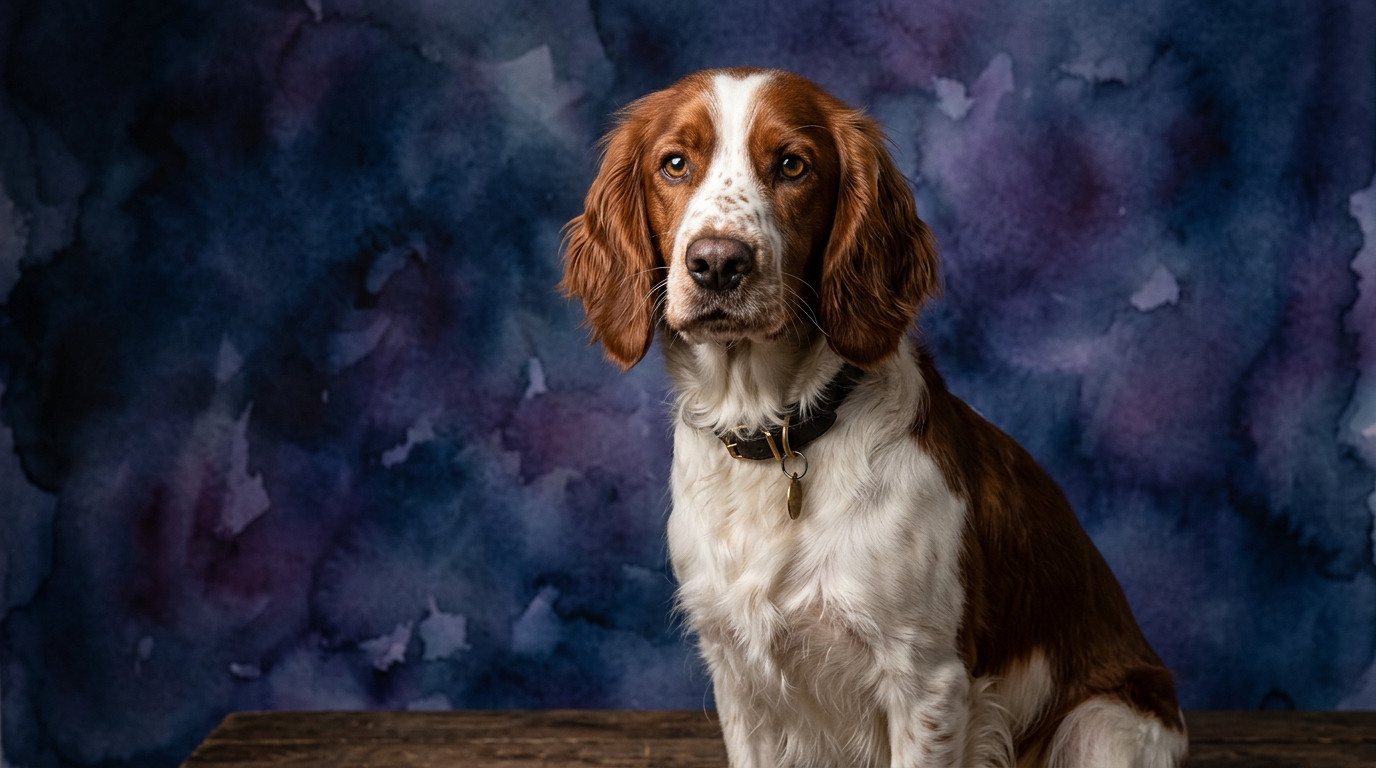
The Welsh Springer Spaniel, a member of the Sporting Group and Coren-ranked at #31, presents a cognitive profile indicating a high capacity for learning and interaction. Its Problem Solving is rated 4/5, suggesting a strong aptitude for figuring out novel situations, whether retrieving a hidden toy from a complex setup or navigating an intricate agility course. Their solutions tend to be practical, goal-oriented, and often involve a degree of trial-and-error, reflecting a flexible cognitive approach. Training Speed is also 4/5, indicating these dogs typically pick up new commands and routines with impressive alacrity due to their eagerness to engage and focus on human direction. Social Intelligence stands at 3/5; while affectionate and amiable, their social cognition leans towards understanding their immediate human family, often observing before engaging with strangers. Instinctive Drive is 3/5, primarily rooted in their sporting heritage—a keen desire to flush, track, and retrieve, manifesting as a persistent approach to exploring environments and following scents. Memory is a robust 4/5, meaning Welsh Springers generally exhibit strong long-term recall for commands, routines, and specific locations, aiding significantly in training retention and complex environmental understanding.
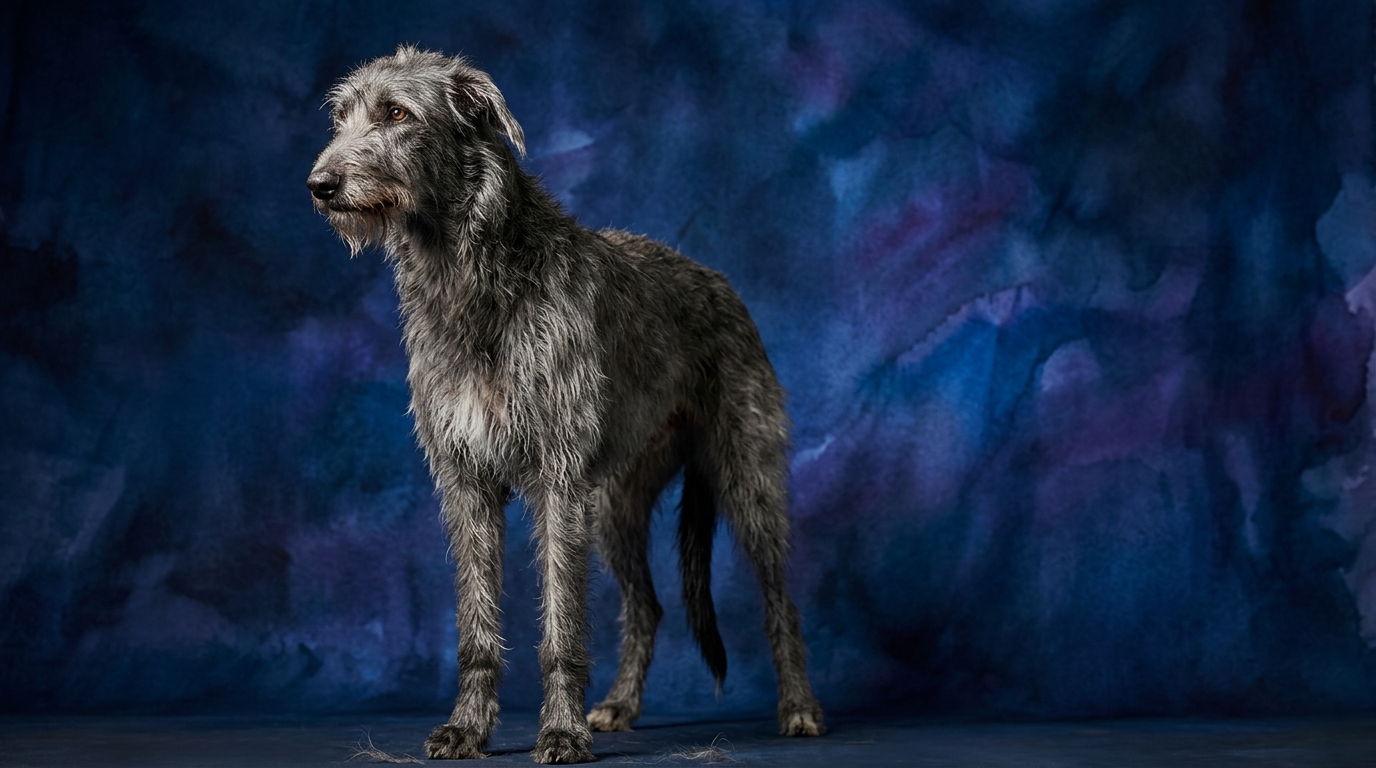
The Scottish Deerhound, a majestic sighthound not listed in Coren's rankings, offers a different, specialized cognitive blueprint. Its Problem Solving is rated 3/5; these dogs approach problems with a more pragmatic, less overtly experimental mindset, resolving common obstacles but not actively seeking complex mental puzzles with the same inherent curiosity or persistence as a spaniel. Training Speed is 3/5, reflecting that while capable of learning, their independent nature and strong sighthound instincts may require more repetition and consistent motivation, especially if a more compelling visual stimulus is present. Social Intelligence, also 3/5, means they possess a solid foundation for social bonds, forming deep, loyal connections with their human family, but they might present as more aloof or reserved with strangers, preferring quiet observation and dignified distance. Instinctive Drive is 3/5, almost exclusively focused on their sighthound heritage—an intense, brief burst of pursuit when spotting fast-moving objects, powerful and deeply ingrained but often dormant until triggered by a specific visual stimulus. Memory is 3/5; Scottish Deerhounds possess a functional memory for routines, familiar people, and established commands, though their recall might be less precise or immediate compared to breeds with higher scores, particularly if their attention is captured by a distant visual trigger.
Where Welsh Springer Spaniel Wins Cognitively
The Welsh Springer Spaniel clearly demonstrates cognitive strengths that position it ahead in several key areas crucial for interactive companionship and diverse activities. With a Problem Solving score of 4/5 compared to the Deerhound's 3/5, Springers often exhibit a more proactive and flexible approach to mental challenges. This means they are more inclined to experiment with different strategies to achieve a goal, such as figuring out how to open a cabinet, manipulate a complex puzzle toy to release treats, or even devising ways to get a human's attention. Their higher Training Speed (4/5 versus 3/5) is a direct consequence of this problem-solving ability combined with their inherent eagerness to collaborate with their handlers. They grasp new commands faster, connecting actions with desired outcomes more readily, which makes formal obedience work, advanced trick training, or participation in dog sports a more fluid and rewarding experience. Furthermore, their superior Memory (4/5 against 3/5) means that learned behaviors, environmental information, and social cues are retained with greater fidelity and for longer periods. A Welsh Springer is more likely to remember a complex sequence of commands or the exact location of a squirrel they saw yesterday, allowing them to build a more complex and adaptable understanding of their world and their role within it, making them highly responsive partners.
Where Scottish Deerhound Wins Cognitively
While the Scottish Deerhound’s scores might not numerically surpass the Welsh Springer across all dimensions, their cognitive profile represents a specialized efficiency that is a 'win' in its own right, perfectly tailored to their historical purpose and a particular lifestyle. Their Instinctive Drive, rated 3/5, is not about broad exploration or general seeking behavior but rather a hyper-focused, intense burst of pursuit. This single-minded intensity, triggered powerfully by sight, is a crucial cognitive asset for a sighthound, allowing them to disregard numerous environmental distractions and fixate on a moving target with incredible precision and speed. In a scenario where swift, unwavering pursuit over open ground is paramount, the Deerhound’s cognitive architecture, which prioritizes this specific, potent drive over complex, multi-faceted problem-solving, is undeniably effective. Their Social Intelligence (3/5), matching the Springer, suggests an equal capacity for deep, meaningful bonds, albeit often expressed with a quiet dignity and subtle gestures rather than boisterous enthusiasm. This allows them to integrate smoothly into a family structure without demanding constant attention or exhibiting excessive neediness, a cognitive preference that suits certain human companions. Their cognitive strengths truly lie in their calm, observant, and often independent nature when not actively engaged in their primary drive, demonstrating a selective and efficient application of their mental resources.
Which Is Easier to Train and Why
When considering ease of training, the Welsh Springer Spaniel generally presents a more straightforward and often faster path to proficiency. Their 4/5 rating in Training Speed, coupled with a 4/5 in Memory and Problem Solving, means they typically absorb and retain new information and commands with remarkable quickness. They are often keen to please their handlers, finding the process of learning and working together inherently rewarding and engaging. This translates into faster acquisition of basic obedience, quicker mastery of complex tasks like agility or scent work, and a greater willingness to engage in repetitive drills without losing focus or becoming easily bored. In contrast, the Scottish Deerhound’s 3/5 Training Speed reflects a different cognitive approach to learning. While certainly capable of understanding and performing commands, their independent sighthound nature means they often require more patience, creative motivation, and consistent reinforcement. Their strong instinctive drive for pursuit, triggered by visual stimuli, can easily override learned commands if a distant object, such as a squirrel or another animal, captures their attention. Training a Deerhound often involves understanding their unique motivations, respecting their self-possessed character, and leveraging their quiet desire to please within a framework that acknowledges their selective focus, rather than relying solely on eager, continuous compliance.
Which Suits Active Owners vs. Relaxed Owners
The cognitive and behavioral profiles of these two distinct breeds naturally align with different owner lifestyles and expectations. The Welsh Springer Spaniel, with its higher problem-solving aptitude, robust memory, and energetic sporting drive, thrives with active owners who can provide consistent and varied mental and physical engagement. These dogs benefit immensely from structured activities like obedience classes, agility, scent work, or regular retrieving games that genuinely challenge their minds and bodies. Owners who enjoy long, interactive hikes, engaging play sessions, and actively incorporating their dog into daily outdoor activities will find a Welsh Springer an enthusiastic, collaborative, and tireless companion. Conversely, the Scottish Deerhound, while requiring intense bursts of physical activity like free-running in a securely fenced, expansive area, is cognitively geared for long periods of profound relaxation indoors. Their independent nature and less constant need for intricate mental puzzles make them suitable for owners who appreciate a calm, dignified, and often quiet presence in the home. While they absolutely need a specific outlet for their powerful sighthound instincts, they are often content to lounge quietly for extended periods, making them a good fit for owners who enjoy a more relaxed home environment but are fully committed to providing dedicated, high-intensity exercise sessions when required.
The Verdict
Choose the Welsh Springer Spaniel if you desire a highly interactive, eager-to-please companion who thrives on mental challenges and active participation in family life, excelling in diverse dog sports.
Opt for the Scottish Deerhound if you appreciate a calm, dignified presence indoors, are prepared to provide secure, expansive spaces for their powerful bursts of running, and value a loyal, independent companion.
🧠 Find Your Pet's IQ Score
Our Pet IQ Lab assessment covers 25+ tests across 5 cognitive dimensions — personalized to your breed.
Take the Full IQ Test →Frequently Asked Questions
Is the Scottish Deerhound difficult to train due to its lower training speed score?
The Scottish Deerhound isn't necessarily difficult, but they require a different approach. Their independent nature and strong sighthound instincts mean training benefits from patience, positive reinforcement, and understanding their motivations, rather than expecting eager compliance with every command.
How does the Welsh Springer Spaniel's problem-solving ability manifest in daily life?
A Welsh Springer Spaniel's 4/5 problem-solving often means they'll creatively figure out how to access desired items, solve puzzle toys, or even devise strategies to get your attention. This cognitive trait makes them engaging companions but also requires consistent mental stimulation to prevent them from finding their own 'problems' to solve.
Do both breeds have similar social intelligence scores, implying identical social behaviors?
While both rate 3/5 in social intelligence, their expressions differ. Both form strong family bonds, but the Welsh Springer Spaniel tends to be more outwardly effusive and participatory, while the Scottish Deerhound often displays its affection and social understanding with a quiet, gentle dignity, being more reserved with strangers.