A Side-by-Side Look at Cognitive Profiles
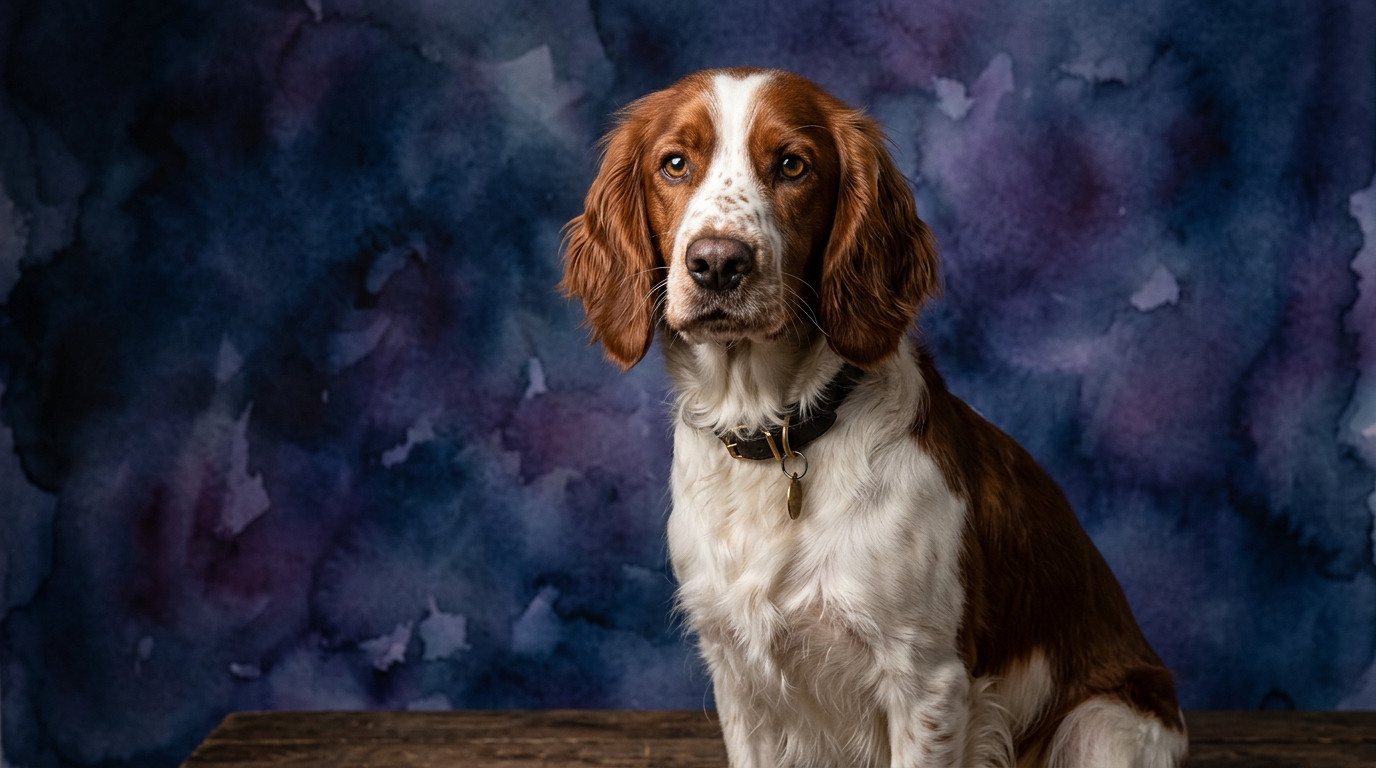
The Cosmic Pet Pet IQ Lab employs a multi-dimensional approach to assess canine intelligence, moving beyond simple obedience to explore the nuances of a breed's cognitive make-up. For the Welsh Springer Spaniel, a Sporting group dog, we observe a Coren rank of #31, indicating a strong capacity for working intelligence and obedience. Their Problem Solving is rated 4/5, suggesting a breed capable of independently tackling moderately complex challenges and adapting strategies. Training Speed also scores 4/5, meaning they typically grasp new commands and routines with efficiency, often requiring fewer repetitions than many other breeds. Social Intelligence sits at 3/5, indicating a solid understanding of human cues and emotional states, while Instinctive Drive, at 3/5, points to a moderate inherent inclination towards traditional sporting tasks like flushing and retrieving. Finally, their Memory is strong at 4/5, allowing them to retain learned behaviors and associations effectively over time.
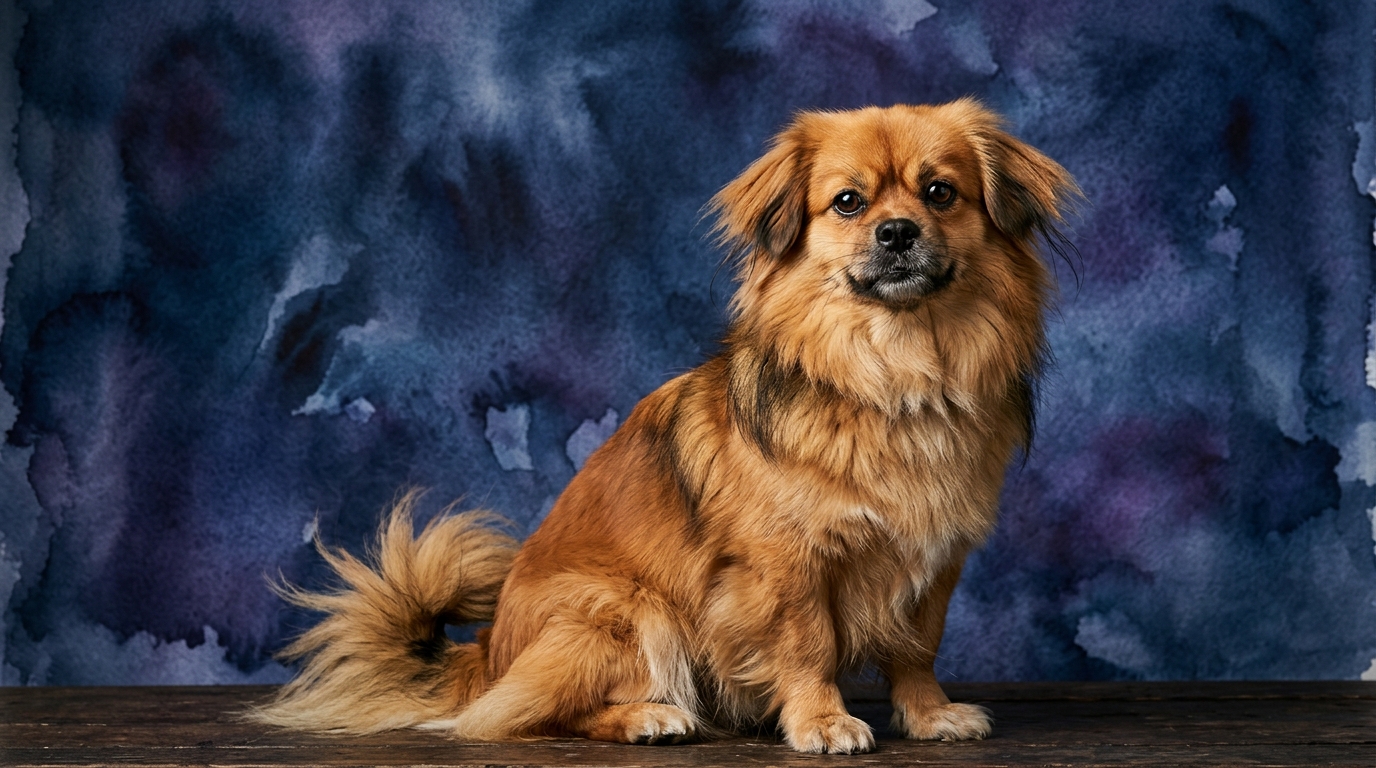
In contrast, the Tibetan Spaniel, a Non-Sporting breed, does not have a Coren ranking, often reflecting a history more aligned with companionship than complex work tasks. Their Problem Solving ability is rated 3/5, suggesting they can navigate everyday puzzles and learn through experience, though perhaps requiring more guidance for intricate problems. Training Speed also scores 3/5, meaning they learn new commands at a steady pace, benefiting from consistent reinforcement and positive methods. Their Social Intelligence matches the Welsh Springer Spaniel at 3/5, showcasing a good aptitude for forming bonds and interpreting human social signals. Instinctive Drive is also 3/5, reflecting a moderate, inherent inclination towards their historical role as companions and vigilant watchdogs, rather than a strong prey or work drive. Their Memory score of 3/5 indicates a reliable capacity to remember routines, people, and learned commands, though perhaps needing occasional refreshers for less practiced behaviors.
Cognitive Strengths of the Welsh Springer Spaniel
The Welsh Springer Spaniel shines in cognitive dimensions requiring active engagement and rapid processing. Their superior Problem Solving score of 4/5, compared to the Tibetan Spaniel's 3/5, means they are often more adept at figuring out novel situations independently. This manifests in behaviors like quickly understanding how to open a gate, navigating complex scent trails, or even devising strategies to access a desired toy. Owners might notice their Welsh Springer Spaniel quickly learning the sequence of events leading to a walk or anticipating specific actions, showcasing their forward-thinking cognitive abilities.
Furthermore, the Welsh Springer Spaniel's 4/5 in Training Speed and Memory gives them a distinct edge in formal learning environments. They absorb new commands with impressive alacrity, often requiring only a handful of repetitions to solidify a concept. Their robust memory ensures these learned behaviors are retained over long periods, making them reliable partners for advanced obedience, agility, or scent work. This combination of quick learning and strong retention allows them to master intricate sequences of commands and generalize learned concepts to new environments more rapidly than many breeds, including the Tibetan Spaniel.
Cognitive Advantages of the Tibetan Spaniel
While the Welsh Springer Spaniel exhibits higher numerical scores in several cognitive dimensions, the Tibetan Spaniel's specific cognitive profile offers distinct advantages for particular lifestyles. Their balanced 3/5 in Instinctive Drive means they possess a sufficient awareness of their surroundings without the intense, task-oriented drive that can sometimes lead to independent pursuits or a strong desire to 'work.' This moderate drive makes them less prone to independently pursuing scents or game, fostering a more contained and predictable demeanor in varied environments, which can be a significant benefit for urban living or multi-pet households.
Furthermore, their 3/5 in Problem Solving, while indicating a steady rather than rapid intellectual pace, suggests a capacity for learning and adaptation that serves well in a companion role without the potential for inventive mischief that can sometimes accompany higher problem-solving abilities if not consistently channeled. This cognitive equilibrium fosters a generally content and less intellectually demanding presence, allowing them to thrive with consistent, gentle guidance rather than requiring constant complex mental challenges. Their moderate cognitive scores across the board contribute to a dog that is adaptable and generally content with a routine that doesn't demand constant mental gymnastics.
Navigating Training: Which Breed Learns Faster?
When it comes to training, the Welsh Springer Spaniel generally exhibits a faster learning curve. Their 4/5 Training Speed means they are often eager to please and quick to pick up new commands, making them highly responsive to positive reinforcement. Their background as a sporting dog means they often possess a natural biddability and a desire to collaborate with their handler, which translates into efficient training sessions. Owners will find them readily absorbing complex sequences and cues, often excelling in activities like competitive obedience, field trials, or advanced trick training due to their cognitive agility and strong memory.
The Tibetan Spaniel, with a Training Speed of 3/5, learns at a steady, consistent pace. While they may require more repetitions than a Welsh Springer Spaniel to fully grasp and solidify a new command, they are certainly trainable and responsive to their owners. Their historical role as companions and watchdogs means they can have a more independent streak, sometimes needing more creative motivation that appeals to their social bond or provides a tangible reward rather than a strong inherent 'work ethic.' Patience and positive reinforcement are key, and shorter, engaging training sessions will yield the best results, building on their solid memory for established routines.
Matching Cognitive Profiles to Owner Lifestyles
The distinct cognitive profiles of these two breeds naturally align with different owner lifestyles. The Welsh Springer Spaniel, with its higher scores in Problem Solving, Training Speed, and Memory, coupled with its Sporting group heritage, thrives with active owners. These dogs benefit immensely from consistent mental stimulation through training, puzzle toys, and engaging activities like agility, scent work, or even hiking. An owner who enjoys outdoor adventures and wants a canine partner keen to participate in structured activities will find the Welsh Springer Spaniel's cognitive drive and responsiveness a perfect match, channeling their instinctive energies productively.
Conversely, the Tibetan Spaniel's balanced and moderate cognitive scores make them an excellent fit for more relaxed owners or those living in urban environments. While they certainly enjoy walks and playtime, their lower intrinsic drive and steady learning pace mean they don't demand constant, high-intensity mental or physical challenges. They are content with a routine that includes regular, moderate exercise and plenty of affectionate companionship. An owner seeking a devoted, adaptable dog who enjoys being a part of daily household life without requiring extensive training regimens or constant intellectual engagement will find the Tibetan Spaniel's cognitive disposition highly rewarding.
The Verdict
Choose the Welsh Springer Spaniel if you desire an engaged, intelligent partner for advanced training, sporting activities, and an active outdoor lifestyle, thriving on consistent mental and physical challenges.
Choose the Tibetan Spaniel if you seek a devoted, adaptable companion for a less demanding lifestyle, valuing steady learning, affectionate presence, and a generally content disposition in a home environment.
🧠 Find Your Pet's IQ Score
Our Pet IQ Lab assessment covers 25+ tests across 5 cognitive dimensions — personalized to your breed.
Take the Full IQ Test →Frequently Asked Questions
Are Welsh Springer Spaniels good for first-time owners?
Their quick learning and biddable nature can make them rewarding for first-time owners willing to commit to consistent training and ample exercise. However, their energy and need for mental engagement require dedication to prevent boredom.
Do Tibetan Spaniels need a lot of exercise?
Tibetan Spaniels require moderate daily exercise, such as regular walks and engaging playtime, to maintain their health and contentment. They adapt well to various living situations, including apartments, provided their physical and social needs are consistently met.
How do their social intelligence scores impact their interaction with families?
Both breeds score 3/5 in social intelligence, indicating a solid capacity to bond with family members and understand social cues. They will integrate well into family life, forming strong attachments and responding appropriately to human interactions and household dynamics.