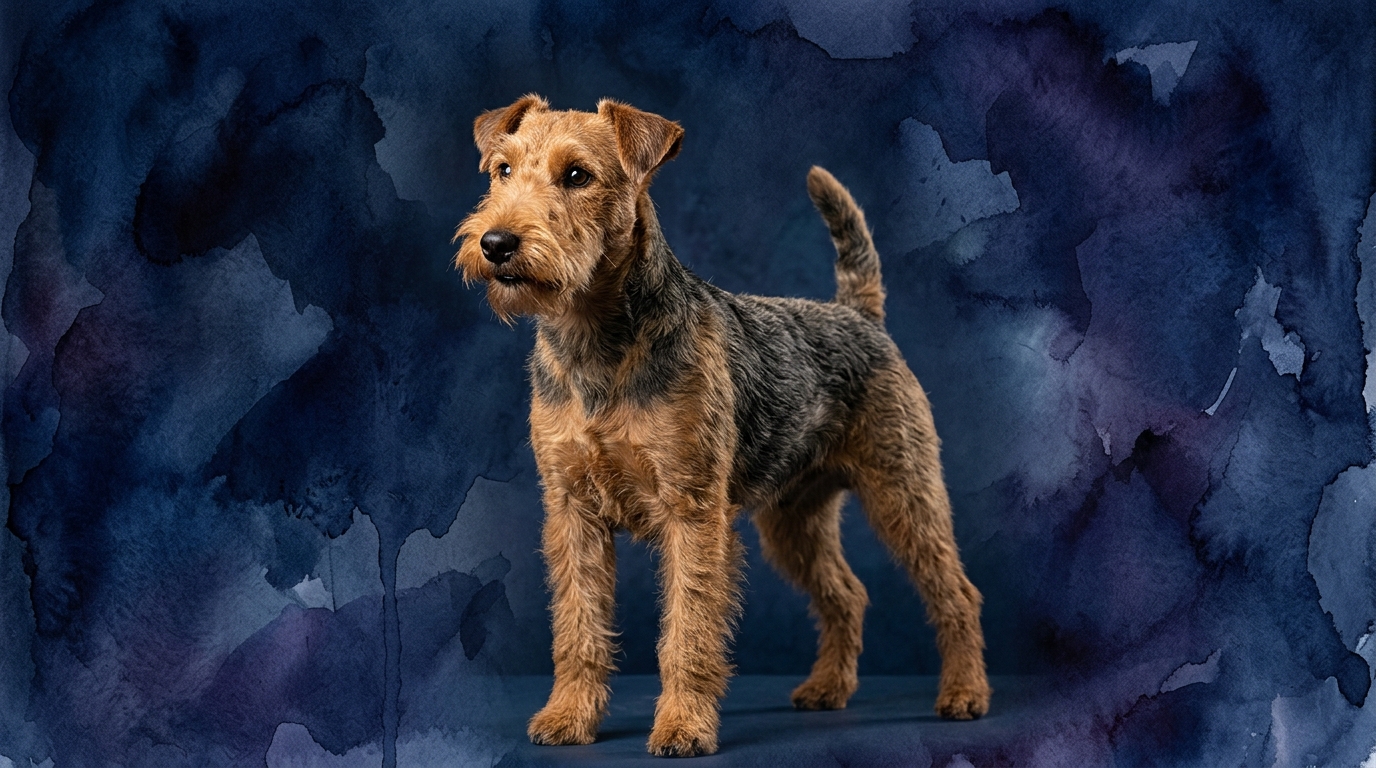
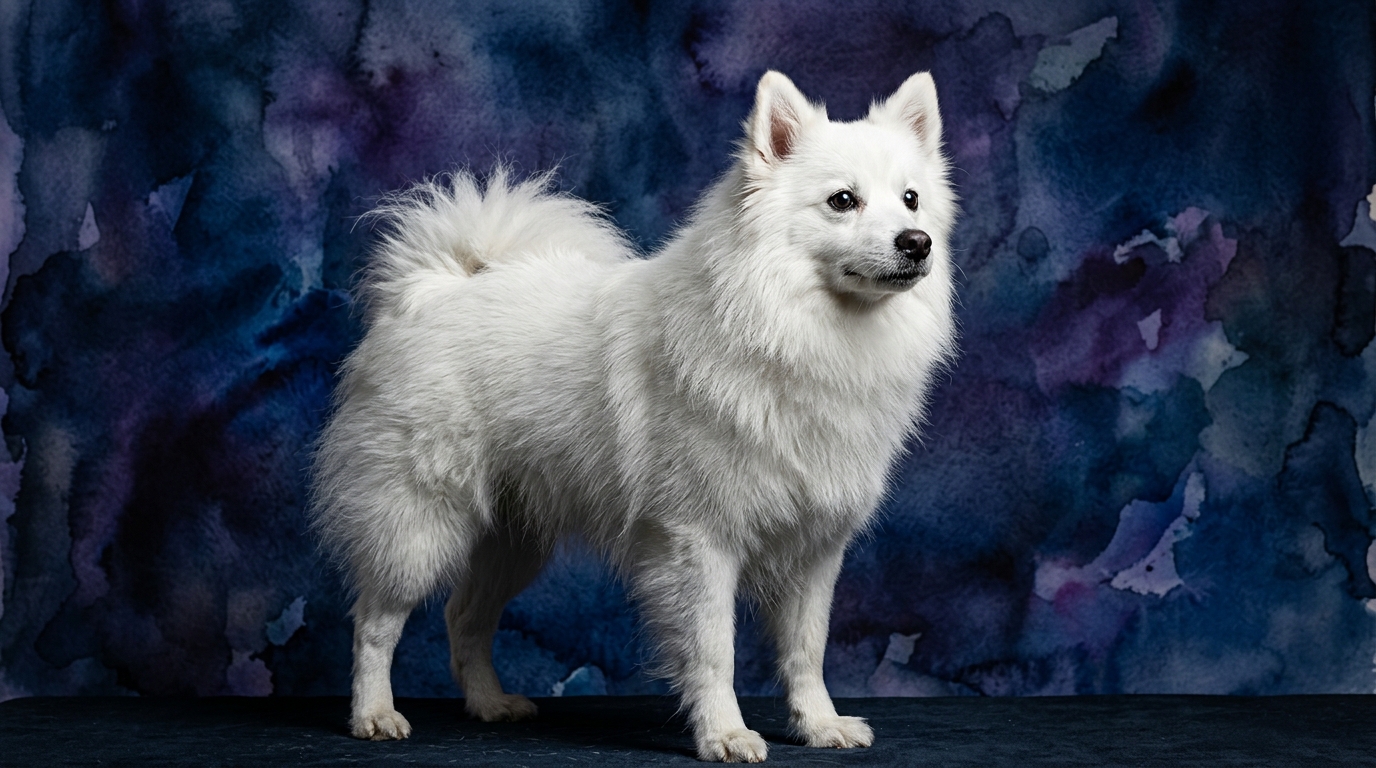
Side-by-Side IQ Profile: Welsh Terrier vs. American Eskimo Dog
The Cosmic Pet Pet IQ Lab evaluates canine intelligence across five key dimensions, each scored on a 1-5 scale. Interestingly, both the Welsh Terrier and the American Eskimo Dog achieve a consistent 3/5 across all categories. However, understanding what a '3/5' signifies for each breed, given their unique histories and temperaments, is where the true comparison lies.
For **Problem Solving (3/5)**, the Welsh Terrier demonstrates a capacity for independent thought, often applied to overcoming obstacles in pursuit of a goal, whether it's finding a hidden toy or navigating a complex environment. Their terrier heritage means they can be quite clever in figuring out how to get what they want, often through persistent, iterative attempts. The American Eskimo Dog's 3/5 in problem-solving often manifests as an ability to understand cause-and-effect within their social structure, such as figuring out how to signal their needs to their human companions or manipulating objects to achieve a desired outcome, like opening a treat container. They are astute observers of their environment.
Regarding **Training Speed (3/5)**, the Welsh Terrier's score indicates a moderate pace of learning new commands and routines. While capable of grasping concepts quickly, their independent nature and strong will can sometimes make them appear less eager to comply, requiring consistent, engaging, and positive reinforcement methods to maintain focus. The American Eskimo Dog's 3/5 suggests they learn new tasks at a steady rate. Eskies are generally cooperative and keen to please their human family, which can make the training process feel smoother, even if the initial acquisition speed is similar to the Welsh Terrier. Their responsiveness often stems from a desire for social interaction and approval.
In **Social Intelligence (3/5)**, the Welsh Terrier's score points to a solid understanding of social cues, both from humans and other animals. They can read moods and intentions effectively but often retain a degree of self-interest in their social interactions, asserting their personality within the family dynamic. The American Eskimo Dog's 3/5 in social intelligence highlights their strong bond with their human family and an intuitive ability to understand complex social situations. They are often highly attuned to their owners' emotions and can be quite expressive in communicating their own feelings and needs, making them excellent companions.
Their **Instinctive Drive (3/5)** for the Welsh Terrier reflects a moderate but persistent drive rooted in their working terrier lineage. This includes a propensity for digging, exploring, and a strong prey drive towards small, fast-moving objects. This drive requires appropriate outlets to prevent boredom and redirected behaviors. For the Eskie, a 3/5 in instinctive drive is often expressed through their natural vigilance, vocalization, and a desire to be part of family activities. While not typically a strong hunting drive, they possess an inherent need for purpose and engagement, often manifesting as a watchfulness over their home and loved ones.
Finally, for **Memory (3/5)**, the Welsh Terrier demonstrates a good capacity to recall learned commands, routines, and experiences. They remember where things are hidden and can hold grudges or positive associations effectively, contributing to their consistent personality over time. The American Eskimo Dog's 3/5 signifies a reliable memory for training, household rules, and the people they encounter. Eskies remember past interactions, both good and bad, which influences their future responses and reinforces their strong bond with their family members.
Where the Welsh Terrier Wins Cognitively
Despite identical numerical scores, the Welsh Terrier's cognitive strengths shine in specific areas. Their tenacity in problem-solving, fueled by their instinctive drive, means they excel at tasks requiring sustained, independent effort. This could manifest in complex puzzle toys designed for foraging, or scent work that demands focused, self-directed exploration without constant human intervention. Their independence, a facet of their 3/5 problem-solving and social intelligence, allows them to make effective decisions in dynamic environments, making them adept at agility courses where they must navigate obstacles autonomously and efficiently. They are particularly adept at tasks that tap into their terrier heritage, such as tracking scents or 'hunting' for hidden objects, demonstrating a focused mental engagement that can outlast many other breeds due to their sheer determination.
Where the American Eskimo Dog Wins Cognitively
The American Eskimo Dog's cognitive advantages are rooted in their strong social dynamics. Their 3/5 social intelligence gives them an edge in tasks requiring close cooperation with humans and nuanced communication. They often pick up on subtle cues and intentions, making them excellent candidates for therapy work, service dog roles, or advanced obedience where precision and responsiveness to human direction are key. Their instinctive drive for vigilance and participation (3/5) translates into a keen awareness of their surroundings and a quick reaction time to novel stimuli, making them exceptional at watchdog duties and alert to changes in their environment. Eskies often show a superior ability to learn through observation and imitation within a social context, absorbing routines and behaviors by watching their human companions – a subtle but powerful cognitive advantage in a family setting that values harmony and responsiveness.
Which is Easier to Train and Why?
While both breeds are rated 3/5 for training speed, the *perceived ease* of training can differ significantly based on their inherent motivations and behavioral tendencies. The American Eskimo Dog often presents as 'easier' to train due to their strong desire to engage with and please their human family, a direct outcome of their 3/5 social intelligence. They typically respond well to positive reinforcement, praise, and clear guidance, motivated by connection and approval. Their cooperative nature makes them generally more biddable and eager to participate in structured learning sessions.
The Welsh Terrier, conversely, with its equally strong 3/5 problem-solving and instinctive drive, often applies these cognitive faculties to its own agenda. This independent streak means that while they *can* grasp concepts quickly, they might not always *choose* to comply unless the task is inherently rewarding or presented in a highly engaging manner that appeals to their terrier instincts. Training a Welsh Terrier requires more patience, creativity, and a consistent understanding of their terrier mindset to channel their intelligence effectively. It's not a lack of cognitive capacity, but rather a difference in motivation and preferred working style that makes them appear more challenging to train for some owners.
Which Suits Active Owners vs. Relaxed Owners
The choice between a Welsh Terrier and an American Eskimo Dog depends significantly on an owner's lifestyle and their preferred level of engagement. The Welsh Terrier is a better fit for active owners who enjoy engaging in structured activities that challenge their dog's independent problem-solving (3/5) and instinctive drives (3/5). Activities like earthdog trials, advanced agility, extensive hiking, or scent detection provide essential outlets for their mental and physical energy. Owners who appreciate a dog with a strong personality and are prepared to provide consistent, engaging mental stimulation will thrive with a Welsh Terrier, understanding their need for purposeful activity.
The American Eskimo Dog can adapt to a slightly more relaxed lifestyle, provided their social and intellectual needs are met through regular interaction. Their 3/5 social intelligence means they thrive on being an integral part of family life, enjoying interactive games, daily walks, and opportunities for social learning. While they appreciate activity and certainly aren't couch potatoes, their primary need is often companionship and a 'job' within the family structure rather than high-octane, independent pursuits. They are well-suited for owners who enjoy consistent daily engagement, training, and a close bond forged through shared activities and mutual understanding.
The Verdict
Choose the Welsh Terrier if you are an active, creative owner who appreciates a dog with an independent spirit and enjoys channeling a tenacious problem-solver into engaging, challenging activities like scent work or agility.
Opt for the American Eskimo Dog if you seek a highly social, cooperative companion who thrives on being an integrated family member, willing to learn and eager to please in a consistent, interactive home environment.
🧠 Find Your Pet's IQ Score
Our Pet IQ Lab assessment covers 25+ tests across 5 cognitive dimensions — personalized to your breed.
Take the Full IQ Test →Frequently Asked Questions
Do Welsh Terriers and American Eskimo Dogs require similar amounts of mental stimulation?
While both breeds score 3/5 in problem-solving and instinctive drive, their *type* of mental stimulation differs. Welsh Terriers thrive on independent, goal-oriented tasks that tap into their terrier instincts, whereas American Eskimo Dogs prefer interactive games, social learning, and tasks that involve their human family.
Can an American Eskimo Dog be a good watchdog despite its moderate instinctive drive?
Absolutely. Their 3/5 instinctive drive often manifests as strong vigilance and a tendency to vocalize when sensing changes in their environment, making them excellent alert systems. Their social intelligence also makes them highly attuned to their surroundings and family's safety.
How does a Welsh Terrier's 3/5 training speed impact their learning compared to an American Eskimo Dog?
Both can learn at a moderate pace. However, the Welsh Terrier's independent nature, stemming from its problem-solving and instinctive drives, means training often requires more engaging methods and patience to overcome their selective obedience, while the Eskie's desire to please can make the process feel more cooperative.