Side-by-Side IQ Profile: Interpreting the 3/5 Score
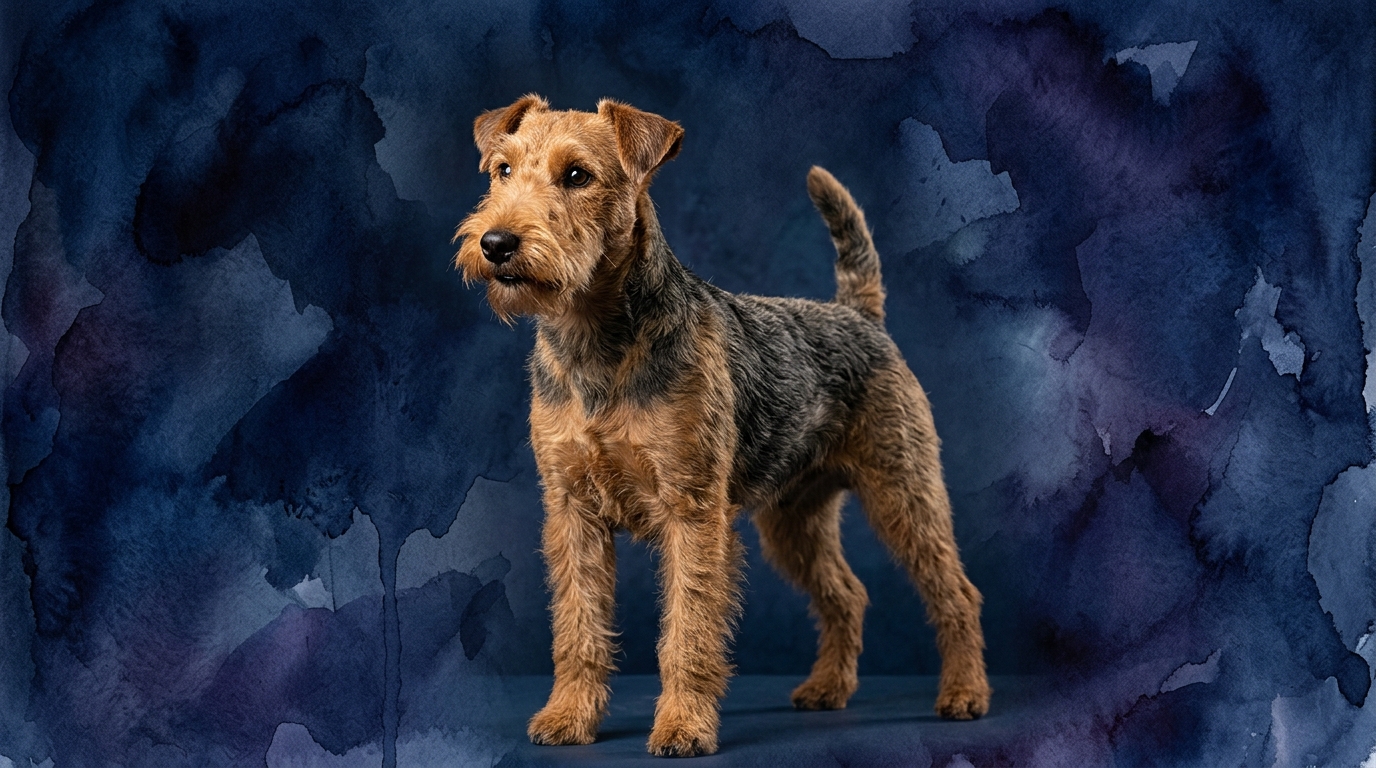
At first glance, the identical 3/5 scores across all cognitive dimensions for both the Welsh Terrier and Coton de Tuléar might suggest parity, but understanding these scores requires looking through the lens of their breed heritage and typical behaviors. For the Welsh Terrier, a 3/5 in Problem Solving indicates a moderate ability to navigate challenges, often rooted in their terrier instincts to outwit prey or overcome obstacles in a hunt; they are resourceful in their own determined way, not necessarily looking for human guidance to solve a puzzle. Their 3/5 Training Speed means they absorb new commands at a steady pace, but their independent spirit often dictates when and how they choose to apply that knowledge, sometimes making them appear less compliant than their learning speed suggests. Social Intelligence at 3/5 reflects their capacity to read human cues and dynamics, yet they often prioritize their own agenda or personal space over constant human appeasement. An Instinctive Drive of 3/5 is clearly visible in their keen desire to chase, dig, and explore, a moderate but persistent urge to engage with their environment as a hunter would. Finally, their 3/5 Memory allows them to retain training, routines, and past experiences reliably, remembering both positive reinforcements and perceived injustices.
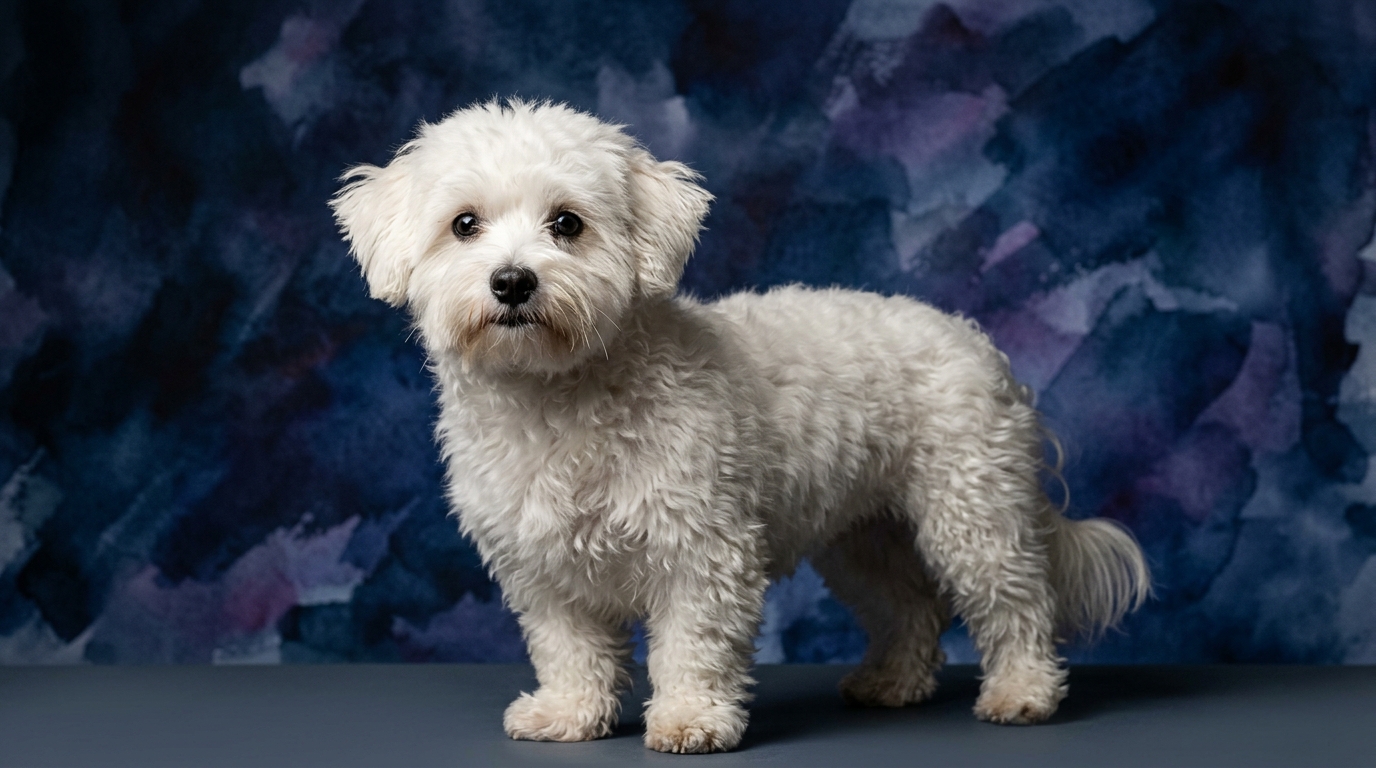
The Coton de Tuléar, also scoring 3/5 across the board, expresses these cognitive traits with a distinct flavor. Their 3/5 Problem Solving often manifests as cleverness within a domestic setting, figuring out how to get attention, manipulate furniture for a better view, or navigate complex household routines; their solutions are typically geared towards comfort or companionship. A 3/5 Training Speed means they learn commands steadily, often eager to please and respond well to positive, gentle reinforcement, though sensitivity can impact their willingness if training is harsh or inconsistent. Social Intelligence at 3/5 is a cornerstone of their personality, making them acutely attuned to human emotions and social cues, often using their charm and expressive nature to engage with or soothe their people. Their Instinctive Drive, also 3/5, is typically expressed as a moderate desire for play, companionship, and perhaps light 'watchdog' duties, rather than a strong prey drive. Their 3/5 Memory ensures they recall past interactions, favorite people, and established routines with consistency, forming strong, lasting bonds and expectations.
Where the Welsh Terrier Excels Cognitively
The Welsh Terrier, despite sharing numerical scores, often demonstrates superior cognitive application in scenarios demanding independent thought, tenacity, and a robust physical approach to problem-solving. Their Problem Solving at 3/5, combined with their instinctive drive, means they are particularly adept at navigating complex outdoor environments, figuring out how to access small spaces, or persistently working through a puzzle toy until it yields its reward. This breed's cognitive strengths shine in situations where a dog needs to act on its own initiative, such as tracking a scent or exploring a novel terrain without constant human direction. Their memory, while 3/5, is particularly strong for spatial layouts and successful hunting strategies, making them excellent at remembering where they buried a prized possession or the most efficient route through a park. They possess a unique blend of physical prowess and focused mental determination that allows them to 'win' in tasks requiring sustained effort and self-directed activity.
Where the Coton de Tuléar Excels Cognitively
The Coton de Tuléar, while numerically matched, exhibits distinct cognitive advantages in areas emphasizing social acumen, emotional attunement, and adaptability within a human-centric world. Their 3/5 Social Intelligence allows them to excel at reading subtle human cues, often anticipating their owner's moods or desires before they are explicitly expressed; they are masters of non-verbal communication and emotional sensing. This makes them particularly adept at forming deep, empathetic bonds and providing comfort. Their Problem Solving, also 3/5, often manifests as clever strategies for engaging their human companions, such as strategically placing a toy for play or using endearing behaviors to solicit attention or a treat. They are quick to adapt to varying household dynamics and social situations, using their moderate memory to recall preferred interactions and people, making them highly versatile companions. The Coton's cognitive strengths lie in their nuanced understanding of the social environment and their ability to integrate seamlessly into a family's emotional fabric, often acting as a delightful and intuitive companion.
Which is Easier to Train and Why
Despite both breeds having a 3/5 Training Speed, the Coton de Tuléar is generally perceived as easier to train due to significant differences in their motivational drivers and behavioral tendencies. The Coton's moderate social intelligence and desire for companionship mean they are often more eager to please their human counterparts, responding well to positive reinforcement and gentle guidance. Their sensitivity, while requiring a soft touch, also means they are less likely to outright defy commands and more inclined to cooperate to maintain a harmonious relationship. Their problem-solving often involves figuring out what makes their human happy, translating into greater compliance during training sessions.
In contrast, the Welsh Terrier's 3/5 training speed is often tempered by their strong independent streak and instinctive drive. While they learn commands at a steady pace, their terrier tenacity means they might choose to prioritize a compelling scent or an interesting distraction over immediate obedience. Training a Welsh Terrier often requires more patience, consistency, and creative methods to channel their natural drives into desired behaviors. They aren't necessarily 'stubborn' in a malicious way, but their inherent self-reliance and focus on their own perceived tasks (like exploring or 'hunting' a perceived pest) can make them a more challenging partner in traditional obedience training, requiring an owner who understands and respects their spirited nature.
Which Suits Active Owners vs. Relaxed Owners
The cognitive profiles of these two breeds, even with identical numerical scores, clearly delineate their suitability for different owner lifestyles. The Welsh Terrier's 3/5 instinctive drive and problem-solving, coupled with their independent nature, make them an excellent fit for active owners who relish outdoor adventures, consistent engagement, and mentally stimulating activities. They thrive with owners who can provide outlets for their moderate energy and innate curiosity, whether through structured walks, agility training, or scent work. An owner who appreciates a dog that thinks for itself and enjoys a challenge will find the Welsh Terrier a rewarding companion, as their cognitive engagement is often tied to physical and exploratory pursuits. They need an owner who can match their zest for life and provide consistent, engaging mental tasks.
Conversely, the Coton de Tuléar, with their pronounced social intelligence and more adaptable problem-solving focused on domestic harmony, is well-suited for owners seeking a devoted, adaptable, and emotionally perceptive companion. While they enjoy play and walks, their cognitive needs are often met through companionship, interactive games, and being an integral part of family life. They can adapt to more relaxed households, as long as they receive ample social interaction and mental stimulation through companionship and gentle training. An owner who values a dog's emotional connection, subtle communication, and ability to seamlessly integrate into various social settings will find the Coton's cognitive strengths perfectly align with a more relaxed yet deeply connected lifestyle, where their mental engagement is primarily social and comfort-oriented.
The Verdict
Choose the Welsh Terrier if you're an active owner seeking a spirited, independent companion who thrives on challenging tasks and outdoor exploration, appreciating their self-reliant problem-solving.
Opt for the Coton de Tuléar if you desire an emotionally attuned, adaptable, and charming companion who excels in social settings and provides intuitive companionship within a family-oriented lifestyle.
🧠 Find Your Pet's IQ Score
Our Pet IQ Lab assessment covers 25+ tests across 5 cognitive dimensions — personalized to your breed.
Take the Full IQ Test →Frequently Asked Questions
Do identical IQ scores mean these breeds think the same way?
No, identical IQ scores like 3/5 mean their *capacity* for intelligence is similar, but their breed-specific instincts and motivations dictate *how* they apply that intelligence, leading to very different cognitive expressions and problem-solving approaches in daily life.
Which breed is better for first-time dog owners?
The Coton de Tuléar is generally more recommended for first-time owners due to their higher eagerness to please and social intelligence, making them more forgiving and easier to manage in training compared to the more independent Welsh Terrier.
How can I stimulate a Welsh Terrier's 3/5 problem-solving and instinctive drive?
Provide puzzle toys that require manipulation, engage in scent work or 'find it' games, and offer opportunities for safe, supervised digging or exploration in varied environments to satisfy their moderate problem-solving and instinctive drives.