Side-by-Side IQ Profile: Welsh Terrier vs. Japanese Chin
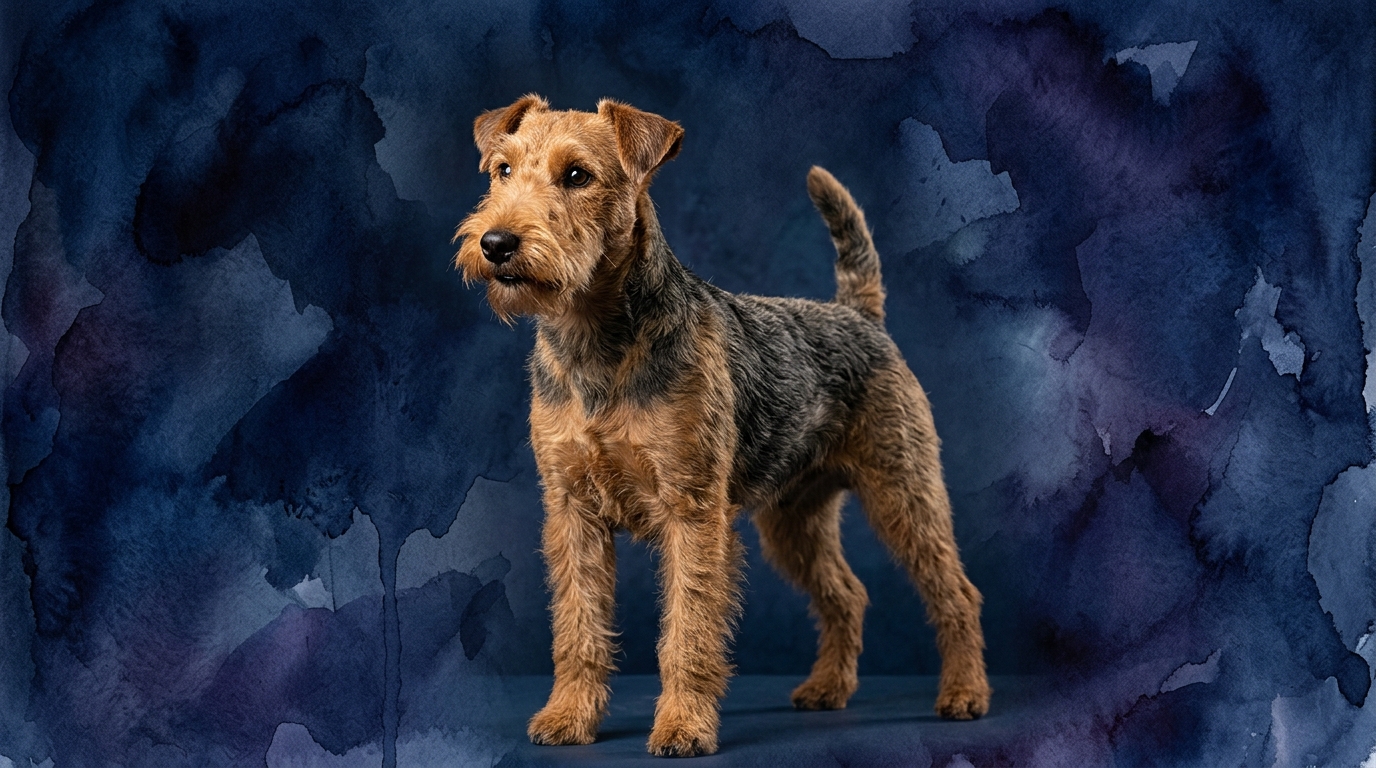
The Welsh Terrier, a sturdy member of the terrier group, and the Japanese Chin, a delicate toy companion, both register a balanced 3/5 across The Cosmic Pet Pet IQ Lab's five cognitive dimensions. While their numerical scores align, the manifestation of these abilities is profoundly shaped by their distinct histories and breed purposes. For the Welsh Terrier, a 3/5 in Problem Solving often translates into a clever persistence in navigating physical environments, whether outsmarting a squirrel or figuring out how to access a forbidden treat. This score reflects a capacity for independent thought and strategic action, particularly when motivated by an instinctual drive. Their Training Speed at 3/5 indicates they can grasp new commands and routines at an average pace, but their inherent terrier tenacity often means they require consistent, engaging methods to maintain focus, sometimes testing boundaries with a spirited independence. Social Intelligence, also at 3/5, suggests they possess a moderate ability to interpret human cues and interact appropriately. Welsh Terriers are generally affectionate with their immediate family but can be discerning with strangers, demonstrating a direct and honest social style. Their Instinctive Drive, a solid 3/5, is deeply rooted in their working heritage, manifesting as a strong prey drive, a desire to dig, and a need for vigorous physical and mental engagement, echoing their history as vermin hunters. Finally, their Memory at 3/5 ensures they retain learned behaviors, routines, and experiences, contributing to their consistent and predictable character within their established social structure.
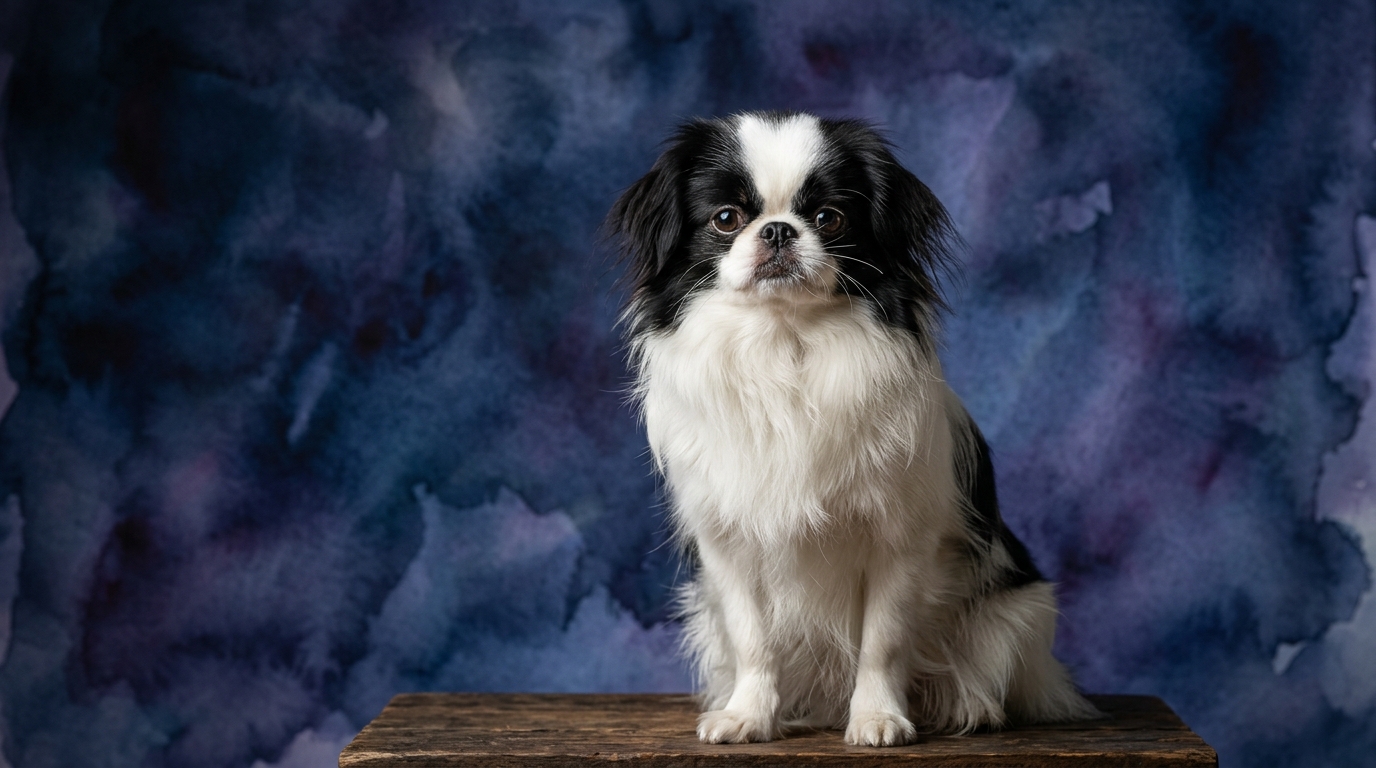
In contrast, the Japanese Chin, a breed historically cherished by royalty for companionship, also scores 3/5 in Problem Solving. For this refined breed, this ability often manifests as cleverness in manipulating their environment for comfort or attention, such as finding the sunniest spot or subtly nudging a hand for pets, rather than engaging in physical challenges. Their Training Speed, also 3/5, indicates they learn new behaviors at a moderate pace, often aided by their eagerness to please their favored humans. However, their sensitive nature necessitates gentle, positive reinforcement, as harshness can easily deter them. The Japanese Chin's Social Intelligence, likewise 3/5, shines in its profound capacity for close companionship. They excel at reading human moods and adapting their behavior to maintain harmony, often exhibiting subtle cues and a strong desire for physical closeness with their primary caregivers, though they may be reserved with outsiders. Their Instinctive Drive, rated 3/5, is less about physical hunting and more about their ancestral role as cherished companions. This drive often manifests as a desire for comfort, a "cat-like" tendency to climb to high perches, or a subtle protectiveness over their home and family, focusing on social connection rather than physical pursuit. Their Memory, also 3/5, allows them to retain intricate details about their routines, relationships, and preferred comforts, fostering a sense of security and familiarity within their environment.
Where the Welsh Terrier Excels Cognitively
While both breeds share a 3/5 in Problem Solving, the Welsh Terrier's cognitive strengths lean towards practical application in dynamic environments. Their tenacity, a hallmark of the terrier group, means their problem-solving is often fueled by a persistent drive to overcome physical obstacles or unravel a challenge through sheer determination. This isn't just about figuring things out; it's about sticking with it, even when frustrated. For instance, a Welshie might spend considerable time strategizing how to get to a perceived 'prey' item, displaying a robust internal motivation that translates into sustained mental effort. This particular manifestation of their 3/5 score gives them an edge in scenarios demanding independent initiative and a resilient approach to tasks that require both mental and physical engagement, such as navigating complex terrain or engaging with interactive puzzle toys designed for active problem-solvers.
Where the Japanese Chin Excels Cognitively
In the realm of social interaction, the Japanese Chin's 3/5 Social Intelligence often presents with a more refined and nuanced understanding of human emotional states than the Welsh Terrier's more direct approach. Chins excel at subtle communication, often anticipating their owner's needs or moods with remarkable perceptiveness, offering comfort or seeking attention at just the right moment. Their problem-solving, while rated identically, frequently centers around optimizing their environment for comfort and companionship, such as finding the perfect lap or strategically placing themselves for maximum interaction. This delicate attunement to human behavior and their environment for social gain highlights a cognitive strength in interpersonal dynamics and emotional intelligence, making them particularly adept at forming deep, intuitive bonds that rely on subtle cues rather than overt actions.
Training Dynamics: Which is Easier and Why?
Determining which breed is 'easier' to train is nuanced, given both score 3/5 in Training Speed, but their underlying motivations and temperaments diverge significantly. The Japanese Chin, with its inherent desire to please its chosen human and a less dominant instinctive drive, often proves more amenable to general household obedience and polite manners. Their sensitivity means they respond exceptionally well to positive reinforcement, gentle guidance, and reward-based methods. They thrive on praise and connection, making them eager participants in training sessions, provided the approach is consistent and kind. Their relatively lower prey drive also means fewer distractions from external stimuli, allowing for more focused learning in typical home environments.
The Welsh Terrier, conversely, presents a different training dynamic. While equally capable of learning at an average pace (3/5 Training Speed), their strong independent streak and robust 3/5 Instinctive Drive can make them more challenging to motivate purely through obedience. They are curious and spirited, often questioning commands or finding their own 'more interesting' pursuits, especially if a scent or movement triggers their prey drive. Training a Welshie requires creativity, unwavering consistency, and a firm but fair approach that channels their natural tenacity and intelligence into desired behaviors. Owners must be prepared to make training a game, constantly engaging their problem-solving abilities and providing ample mental and physical outlets to prevent boredom and redirect their spirited energy. Therefore, for an owner seeking a more straightforward path to basic obedience, the Japanese Chin often offers a smoother experience, while the Welsh Terrier demands a more dedicated and inventive training partner.
Matching Breeds to Lifestyles: Active vs. Relaxed Owners
The choice between a Welsh Terrier and a Japanese Chin also hinges significantly on an owner's lifestyle and activity levels. The Welsh Terrier is unequivocally suited for active owners. Their robust 3/5 Instinctive Drive and energetic nature demand regular, vigorous exercise and mental stimulation. They thrive on outdoor adventures, long walks, engaging play sessions, and opportunities to explore and 'work.' Owners who enjoy hiking, agility, earthdog trials, or simply extended playtime in a secure yard will find a Welshie a perfectly matched companion, eager to participate and requiring outlets for their physical and cognitive energy.
In stark contrast, the Japanese Chin is an ideal companion for more relaxed owners. Their moderate 3/5 Instinctive Drive is geared towards companionship rather than strenuous activity. They are content with shorter, gentle walks, indoor play, and primarily thrive on close proximity and interaction with their human family. Apartment dwellers or individuals who prefer a quieter, more sedentary lifestyle will find the Chin's calm demeanor and affectionate nature perfectly aligned with their preferences. While they enjoy a good romp, their primary need is for comfort and connection, making them a superb choice for those seeking a devoted, low-key indoor companion.
The Verdict
Choose a Welsh Terrier if you are an active individual or family seeking a spirited, tenacious, and engaging companion for outdoor adventures and dynamic, consistent training challenges.
Opt for a Japanese Chin if you desire a gentle, perceptive, and devoted indoor companion who thrives on close human interaction and a serene home environment, valuing subtle communication and a calm presence.
🧠 Find Your Pet's IQ Score
Our Pet IQ Lab assessment covers 25+ tests across 5 cognitive dimensions — personalized to your breed.
Take the Full IQ Test →Frequently Asked Questions
Do Welsh Terriers and Japanese Chins learn at the same pace?
While both breeds are rated 3/5 for training speed, their motivations differ. Welsh Terriers learn with engaging, consistent methods that challenge their independent spirit, while Japanese Chins respond best to gentle, positive reinforcement, eager to please their humans.
Which breed is better with children?
Both breeds can be good with children, but require proper socialization and supervision. Welsh Terriers, with their robust nature, might tolerate more boisterous play, whereas the more delicate Japanese Chin prefers calmer interactions and respectful handling.
How do their instinctive drives impact their daily life?
The Welsh Terrier's 3/5 instinctive drive manifests as a strong prey drive and desire to dig, requiring outlets like structured play or scent work. The Japanese Chin's 3/5 drive leans more towards companionship and comfort, often expressed through seeking proximity and enjoying quiet routines.