Side-by-Side IQ Profile
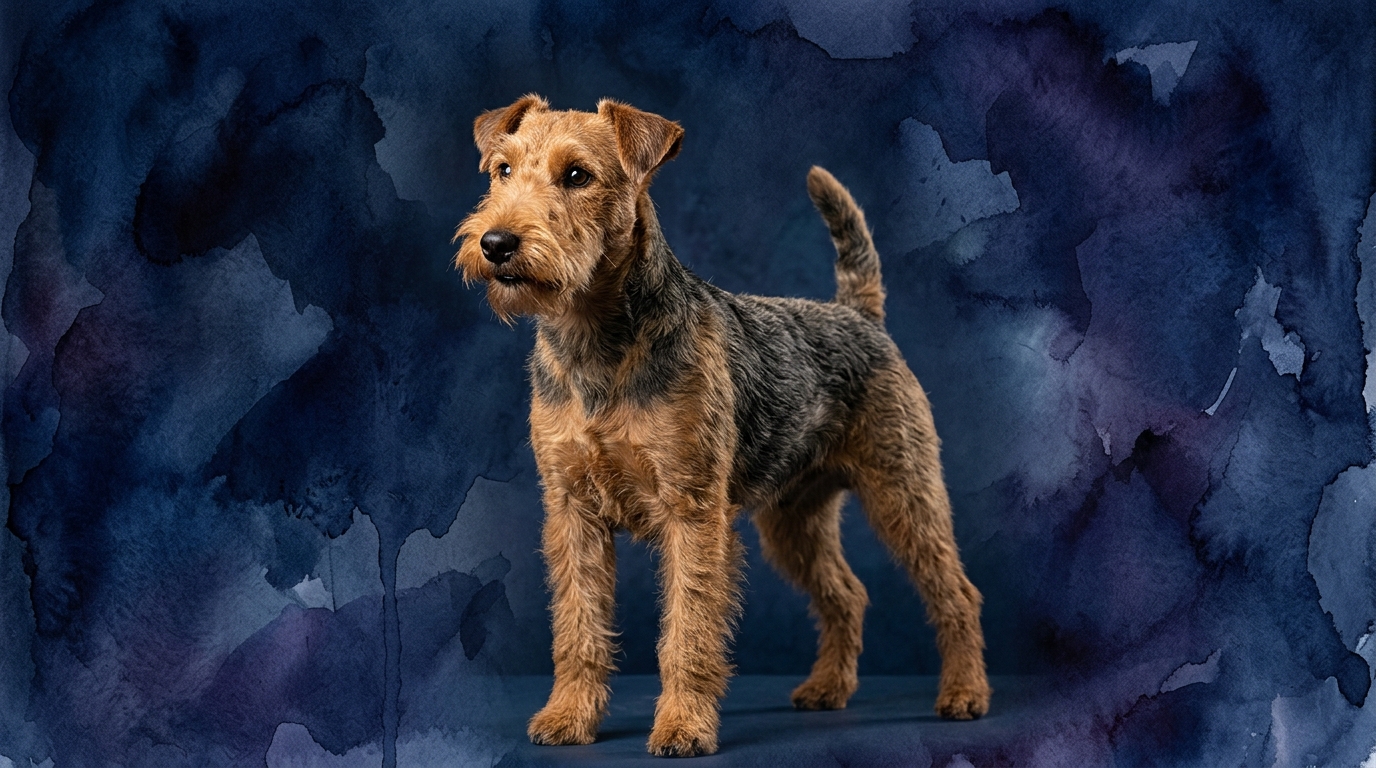
**Welsh Terrier (Terrier, Not Coren-ranked):** The Welsh Terrier presents a balanced yet tenacious cognitive profile, reflecting its heritage as a working dog. Their **Problem Solving (3/5)** isn't about intricate puzzles, but rather a tenacious, often physical, determination to achieve a goal, typical of a terrier tasked with locating quarry. They learn through trial and error, driven by an inherent will to succeed rather than a desire for constant human approval. Regarding **Training Speed (3/5)**, learning new commands takes a moderate amount of repetition. Their independent nature means they process instructions but weigh them against their own agenda, making consistency and positive reinforcement crucial. Their **Social Intelligence (3/5)** is solid; they form strong bonds and understand cues within their immediate family, though their social circle tends to be more selective. The Welsh Terrier’s **Instinctive Drive (3/5)** is clearly rooted in its terrier heritage, manifesting as a moderate prey drive and a desire to dig, requiring channeling and management. Finally, their **Memory (3/5)** is reliable and moderate, retaining learned behaviors and routines effectively, but complex sequences might require more frequent refreshers.
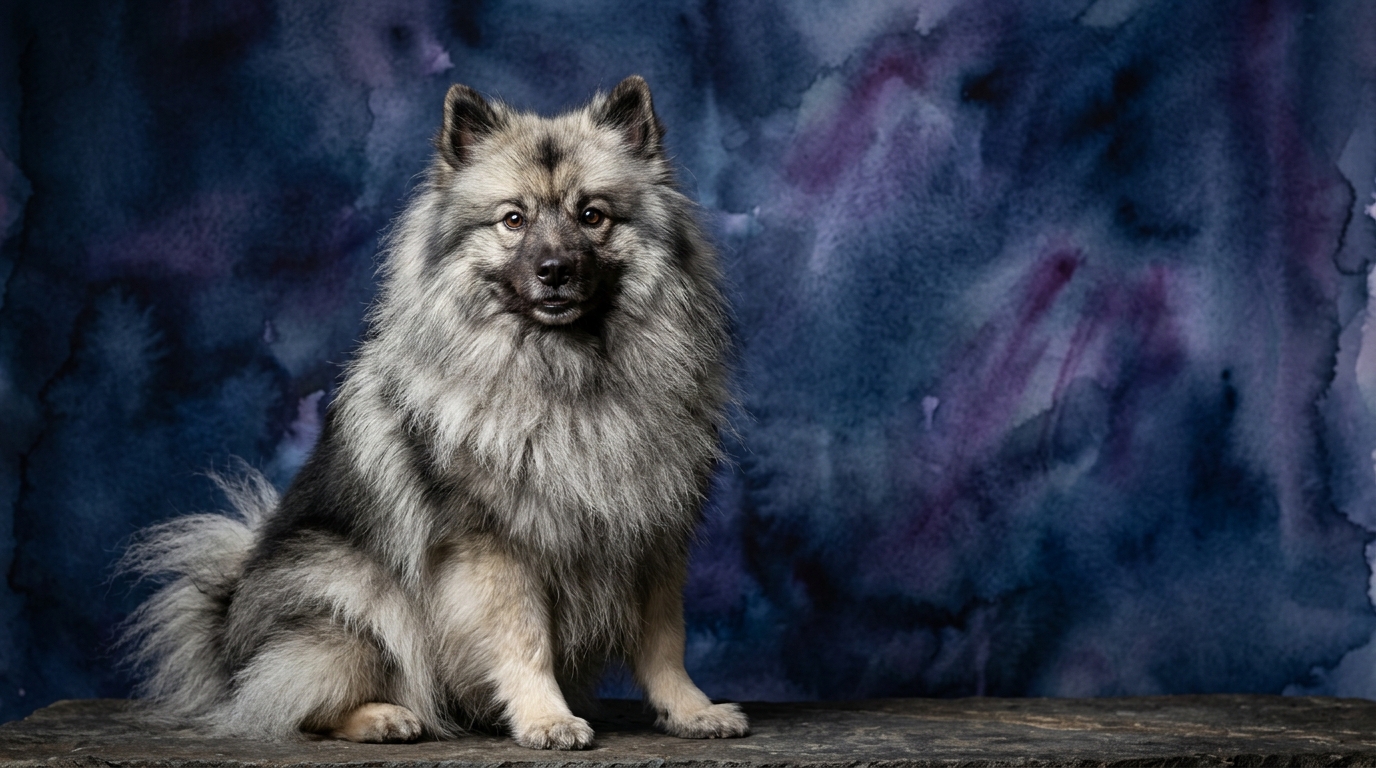
**Keeshond (Non-Sporting, Coren rank #16):** The Keeshond showcases a notably advanced cognitive ability, earning its place among the more adept breeds. Their **Problem Solving (4/5)** demonstrates a sophisticated and flexible approach; they are adept at observing situations, evaluating options, and devising solutions with a keen understanding of cause and effect. This cognitive flexibility allows them to navigate novel situations with thoughtful consideration. With a **Training Speed (4/5)**, a Keeshond learns new commands with impressive rapidity, often grasping concepts after only a few repetitions. Their eagerness to engage with human companions, combined with their cognitive acuity, makes them highly receptive students. Their **Social Intelligence (3/5)** is also solid; they are sensitive to human emotions and thrive on companionship, generally amiable while maintaining a watchful demeanor. The Keeshond's **Instinctive Drive (3/5)** is moderate, primarily expressed as a strong guarding instinct and a desire to be involved in family activities, with a generally low prey drive. A standout characteristic for the Keeshond is their **Memory (5/5)**, which is exceptional, allowing them to recall a vast repertoire of commands, routines, and experiences with remarkable accuracy and longevity.
Where Welsh Terrier Wins Cognitively
While the Keeshond generally scores higher, the Welsh Terrier's cognitive strengths lie in its independent application of its problem-solving drive. Its 3/5 problem-solving score is paired with a terrier's single-minded focus; when a Welsh Terrier decides on a task, it employs a tenacious, hands-on approach to overcome obstacles, even if it means trying several methods. This breed excels in situations requiring persistent, self-directed effort rather than complex, abstract reasoning, making it particularly effective at tasks requiring sustained grit and determination. Its balanced 3/5 instinctive drive, when properly channeled, allows it to engage deeply with specific, natural behaviors like scent work or agility, where its focus on the task at hand can be a distinct advantage.
Where Keeshond Wins Cognitively
The Keeshond clearly surpasses the Welsh Terrier in several key cognitive dimensions, notably in Problem Solving (4/5), Training Speed (4/5), and Memory (5/5). Its superior problem-solving ability means it can analyze situations more abstractly and devise more efficient solutions, often requiring fewer attempts. The Keeshond's rapid training speed, combined with its exceptional memory, allows it to master a wider array of commands and complex sequences with remarkable ease and retention. This makes them highly adaptable to various training disciplines, from obedience to agility, where a vast remembered repertoire of actions is critical. Their high Coren ranking (16th) directly reflects this strong combination of cognitive attributes, signaling a breed that consistently understands and executes commands efficiently.
Which is Easier to Train and Why
The Keeshond is generally easier to train compared to the Welsh Terrier, a difference directly supported by their respective IQ profiles. The Keeshond's 4/5 Training Speed indicates it grasps new concepts quickly, often requiring fewer repetitions. Coupled with its outstanding 5/5 Memory, once a Keeshond learns something, it tends to retain it for a very long time, making reinforcement less frequent. Their historical role as companion dogs means they often possess a natural inclination to cooperate and please their human family, reducing the challenge of motivating them. Conversely, the Welsh Terrier's 3/5 Training Speed and 3/5 Memory mean a more patient and persistent approach is required. Their independent Terrier nature means they might choose to follow their own instincts (3/5 Instinctive Drive) over a command if not sufficiently motivated or if the command conflicts with their immediate interest. While capable of learning, their training journey requires more consistent engagement to overcome their innate self-reliance and occasional stubborn streak.
Which Suits Active Owners vs Relaxed Owners
Both breeds benefit from engaged owners, but their activity needs manifest differently. The Welsh Terrier, despite its moderate IQ scores, is a terrier at heart, meaning it possesses a robust energy level and a need for both physical activity and mental engagement that aligns with its problem-solving and instinctive drives. Owners who enjoy active outdoor pursuits, regular structured training sessions that tap into its tenacity, or dog sports like earthdog trials will find the Welsh Terrier a fitting companion. It thrives with an owner who can consistently challenge its independent spirit and provide outlets for its determination.
The Keeshond, with its higher cognitive scores, also requires mental stimulation, but its physical energy levels are often more moderate than a terrier's. Its superior memory and training speed make it an excellent candidate for owners who enjoy extensive obedience training, trick training, or engaging in dog sports that rely heavily on precise execution and recall, such as rally or agility. While it enjoys walks and playtime, its ideal owner might be someone who prefers mental engagement and companionship over intense, high-impact physical exertion. Its moderate instinctive drive and social intelligence make it content as a family companion, making it suitable for owners who appreciate a dog that is present and observant without constantly seeking an independent mission.
The Verdict
Select the Welsh Terrier if you appreciate a tenacious, independent spirit with a practical problem-solving approach, and you are prepared for consistent, patient training to channel its inherent terrier determination.
Opt for the Keeshond if you seek a highly trainable companion with exceptional memory and a flexible problem-solving mind, ideal for owners who enjoy detailed training and a dog that readily integrates into family life.
🧠 Find Your Pet's IQ Score
Our Pet IQ Lab assessment covers 25+ tests across 5 cognitive dimensions — personalized to your breed.
Take the Full IQ Test →Frequently Asked Questions
Are Welsh Terriers difficult to train?
Welsh Terriers are not inherently difficult, but they require a consistent and patient approach due to their independent nature and moderate training speed. Their intelligence allows them to learn, but their self-directed focus means owners need to be engaging and persistent.
Do Keeshonden need a lot of exercise?
Keeshonden have moderate exercise needs; daily walks and playtime are usually sufficient. More importantly, they thrive on mental stimulation through training and interactive games, leveraging their excellent memory and problem-solving skills.
Which breed is better for first-time dog owners?
Given its higher training speed and exceptional memory, the Keeshond generally presents an easier training experience for first-time owners who are committed to mental engagement. The Welsh Terrier's independent streak might be more challenging for novices.