Side-by-Side IQ Profile: Unpacking the 3/5 Scores
When we examine the intelligence profiles for both the Welsh Terrier and the Otterhound, a striking uniformity emerges, with each breed scoring 3 out of 5 across all five key cognitive dimensions. While numerical equality might suggest identical mental frameworks, a closer look reveals how these scores manifest distinctively within each breed's inherent nature.
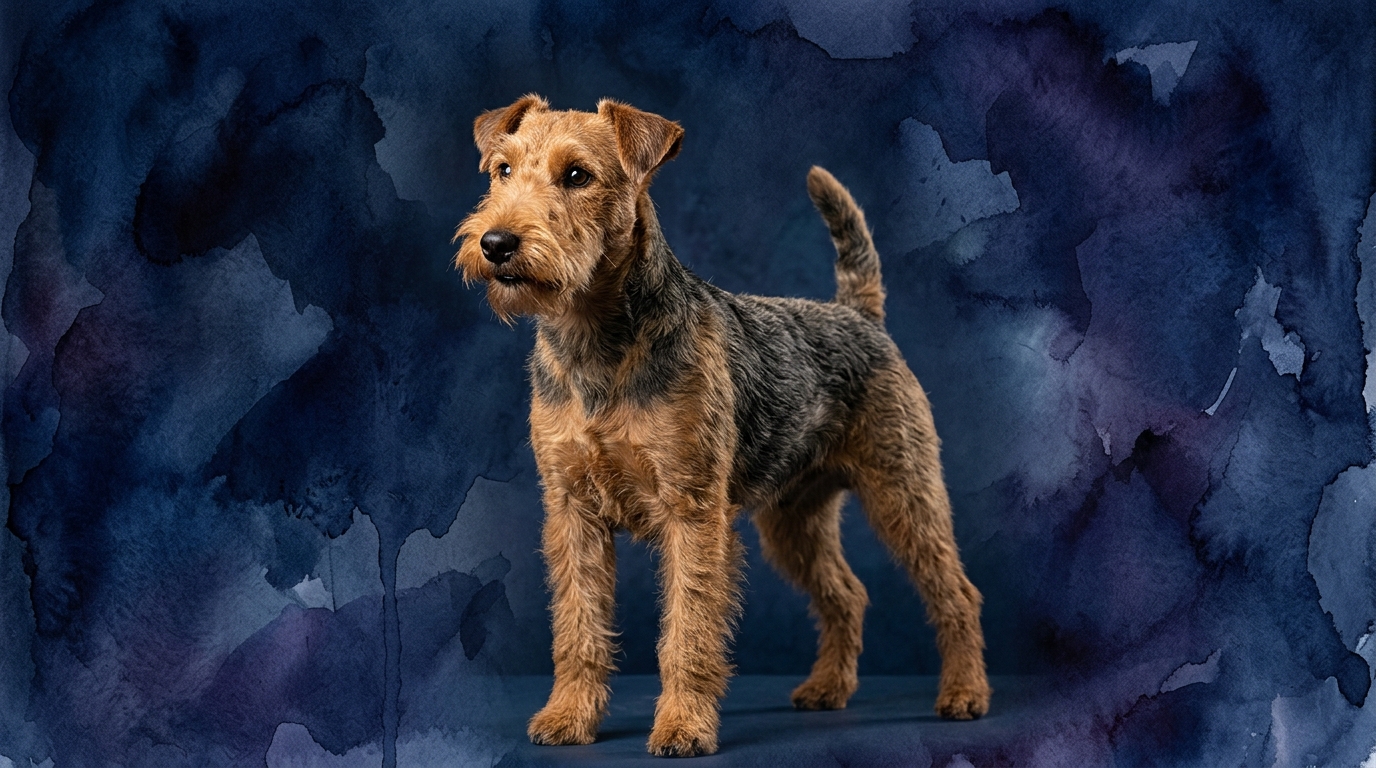
For the **Welsh Terrier**, a 3/5 in **Problem Solving** indicates a competent ability to navigate challenges, often through independent thought and persistent effort, typical of their vermin-hunting heritage. Their **Training Speed** at 3/5 suggests they grasp concepts at a reasonable pace, but their independent streak means compliance isn't always immediate. **Social Intelligence** at 3/5 points to a capacity for understanding human cues and forming strong bonds with their chosen family, though they might be discerning with strangers. Their **Instinctive Drive** at 3/5 is pronounced, focusing on prey pursuit, digging, and territorial alertness. Finally, a **Memory** score of 3/5 means they retain learned behaviors and environmental information effectively, remembering routines and where interesting things (like squirrels) are found.
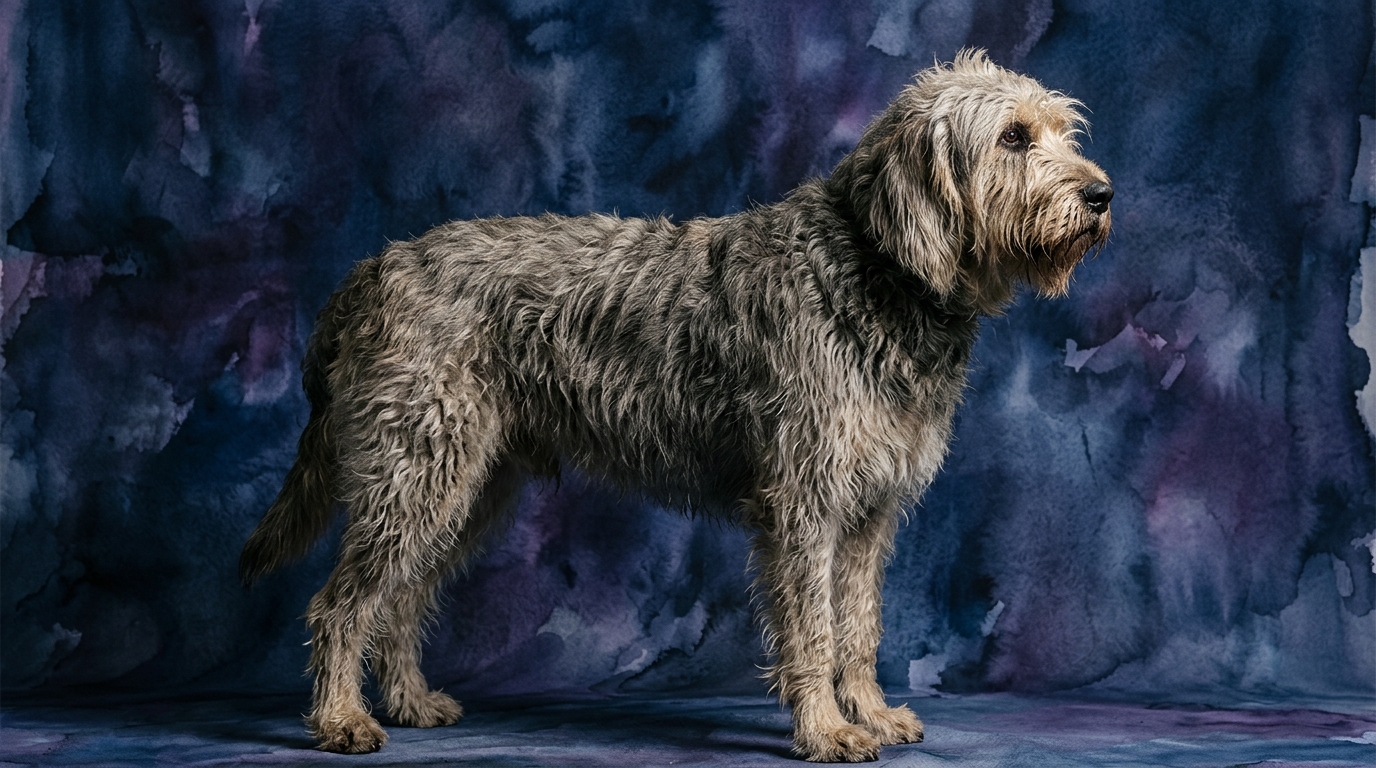
The **Otterhound** mirrors these scores, yet interprets them through a different lens. Their 3/5 in **Problem Solving** often manifests as methodical tracking and endurance in following complex scent trails, a collaborative effort rather than solitary ingenuity. **Training Speed** at 3/5 implies they can learn, but their powerful scent drive frequently overrides immediate obedience, demanding patient repetition. Their **Social Intelligence** at 3/5 reflects their history as pack hounds, valuing companionship and generally exhibiting an amiable nature, though they might be less attuned to subtle human emotional shifts when a compelling scent is present. An **Instinctive Drive** of 3/5 is dominated by their profound olfactory capabilities and a strong desire to track, often accompanied by a characteristic bay. Their **Memory** at 3/5 is robust, particularly for scent patterns and established routes, allowing them to recall intricate trails over long distances.
Where the Welsh Terrier Excels Cognitively
Despite sharing identical 3/5 ratings, the Welsh Terrier's cognitive strengths lean into its terrier temperament, showcasing a particular brand of resourcefulness. Their Problem Solving, while rated 3/5, is characterized by a tenacious, self-reliant approach. They are adept at figuring out how to access confined spaces or outwit small prey, often using their physical agility and sharp wits in tandem. This isn't about complex abstract reasoning, but rather practical, immediate problem-solving driven by instinct and a healthy dose of determination.
Their 3/5 Social Intelligence, for instance, manifests as a keen awareness of their primary human companions' moods and habits, allowing them to subtly influence situations to their advantage – a skill refined by generations of living closely with humans while maintaining their independent spirit. This isn't necessarily about broad social adaptability, but rather a focused understanding of their immediate 'pack' dynamics, allowing for a strong, if sometimes demanding, bond. Their memory, also a 3/5, is particularly sharp for locations of interest and established routines within their territory, contributing to their effective patrolling and vigilance.
Where the Otterhound Excels Cognitively
The Otterhound's cognitive advantages, also within the 3/5 spectrum, are deeply rooted in its heritage as a scent hound. Their Problem Solving, while numerically equal, is distinctly different, focused on the intricate and persistent unraveling of scent puzzles. This involves an incredible capacity for sustained concentration on a particular odor, filtering out environmental distractions, and methodically following a trail over varied terrains and long durations. This isn't about quick, independent decisions, but rather a methodical, almost meditative, application of their primary sense.
Their 3/5 Instinctive Drive is an overwhelming force, making them masters of olfaction. This cognitive specialization means they process and interpret scent information with a sophistication that few other breeds can match, allowing them to differentiate subtle nuances in a trail. This drive isn't just about 'following a smell'; it's a complex cognitive process involving memory of past scents, anticipation of future scent patterns, and the ability to work cooperatively within a group to achieve a common tracking goal, even if their individual Social Intelligence score is 3/5.
Training: Navigating Independence vs. Instinct
When it comes to training, both the Welsh Terrier and the Otterhound present their unique challenges, despite their identical 3/5 Training Speed scores. The Welsh Terrier's independence and confident nature mean they can grasp commands quickly, but their willingness to *obey* is often conditional on what they perceive as worthwhile or enjoyable. They are not dogs that blindly follow; they require engaging, positive reinforcement methods that appeal to their playful side and make training feel like a game. Their 3/5 Problem Solving means they might try to outsmart you if rules aren't consistent, testing boundaries with a terrier's characteristic stubbornness.
The Otterhound, on the other hand, faces a different hurdle. While they are generally amiable and eager to please, their overpowering 3/5 Instinctive Drive, particularly their scenting ability, can be a massive distraction. A captivating smell will almost always take precedence over a spoken command, making off-leash training particularly demanding. Their 3/5 Training Speed means they *can* learn, but the constant battle against their natural impulse to track requires immense patience, consistency, and a deep understanding of hound motivation. Early and ongoing socialization and desensitization to environmental scents are crucial to help them focus on their handler rather than their nose.
Lifestyle Match: Active Engagement vs. Patient Guidance
Choosing between a Welsh Terrier and an Otterhound often boils down to an owner's lifestyle and their willingness to engage with specific breed traits. The Welsh Terrier, with its 3/5 Problem Solving and Instinctive Drive, thrives with active owners who enjoy providing mental stimulation alongside physical exercise. They need structured activities that tap into their terrier instincts – earthdog trials, agility, or even complex puzzle toys can satisfy their need to work and think. Owners who appreciate a dog with a distinct personality and a bit of a mischievous streak will find the Welsh Terrier a rewarding companion, provided they can offer consistent leadership and engaging challenges.
The Otterhound, while also requiring an active lifestyle, suits owners with a different kind of patience and outdoor inclination. Their formidable 3/5 Instinctive Drive for scent work means they excel with owners who can channel this into appropriate outlets like scent work, tracking, or long, exploratory walks where their nose can lead. They are not generally suited for apartment living or owners who prefer minimal outdoor activity. Owners must be prepared for their characteristic baying and potential for wandering if a scent trail calls. While their 3/5 Social Intelligence makes them generally good-natured, their training demands a calm, consistent approach, making them a better fit for owners who prioritize methodical guidance over quick results.
The Verdict
Choose the Welsh Terrier if you're an active owner seeking an independent, clever companion who thrives on mental challenges and playful interaction, ready to manage their tenacious terrier spirit.
Opt for the Otterhound if you're a patient, outdoors-loving individual who appreciates a dog with an unparalleled scent drive and a generally amiable, albeit stubborn, nature, willing to dedicate time to scent-based activities.
🧠 Find Your Pet's IQ Score
Our Pet IQ Lab assessment covers 25+ tests across 5 cognitive dimensions — personalized to your breed.
Take the Full IQ Test →Frequently Asked Questions
Do Welsh Terriers bark a lot?
Yes, Welsh Terriers typically have a strong vocal instinct, scoring 3/5 in Instinctive Drive which includes territorial alerts. They often bark to signal unfamiliar sights or sounds, or simply to express their opinions, requiring consistent training to manage this trait.
Are Otterhounds good with children?
Otterhounds generally possess a good-natured temperament and their 3/5 Social Intelligence means they can integrate well into a family setting. Their patience and amiable disposition often make them suitable companions for older, respectful children, though supervision is always recommended.
Which breed is easier to keep in an urban environment?
The Welsh Terrier might be slightly more adaptable to urban living due to their smaller size and ability to exercise in more confined spaces, provided their mental stimulation needs are met. Otterhounds, with their strong scent drive and need for expansive outdoor exploration, generally fare better in environments with more room to roam, like suburban or rural settings.