Side-by-Side IQ Profile: Unpacking Identical Scores
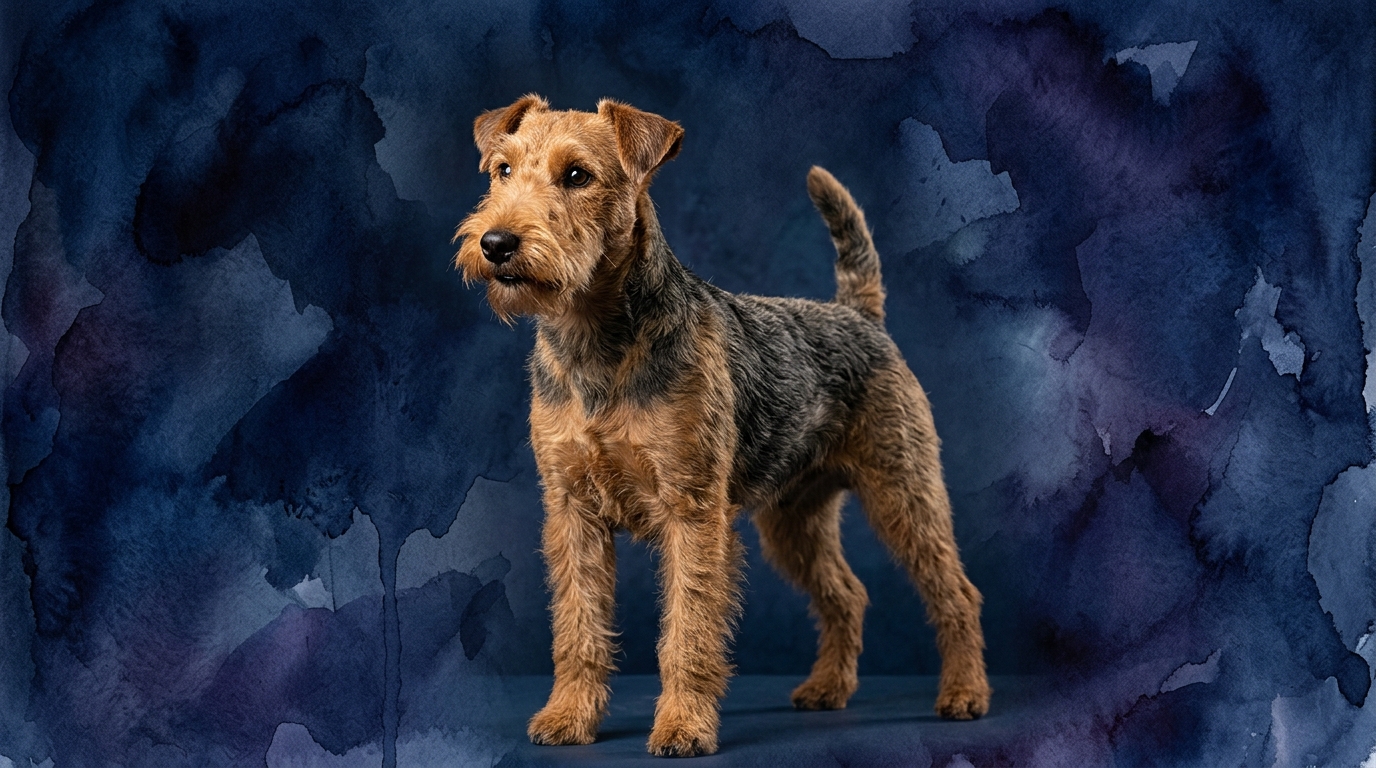
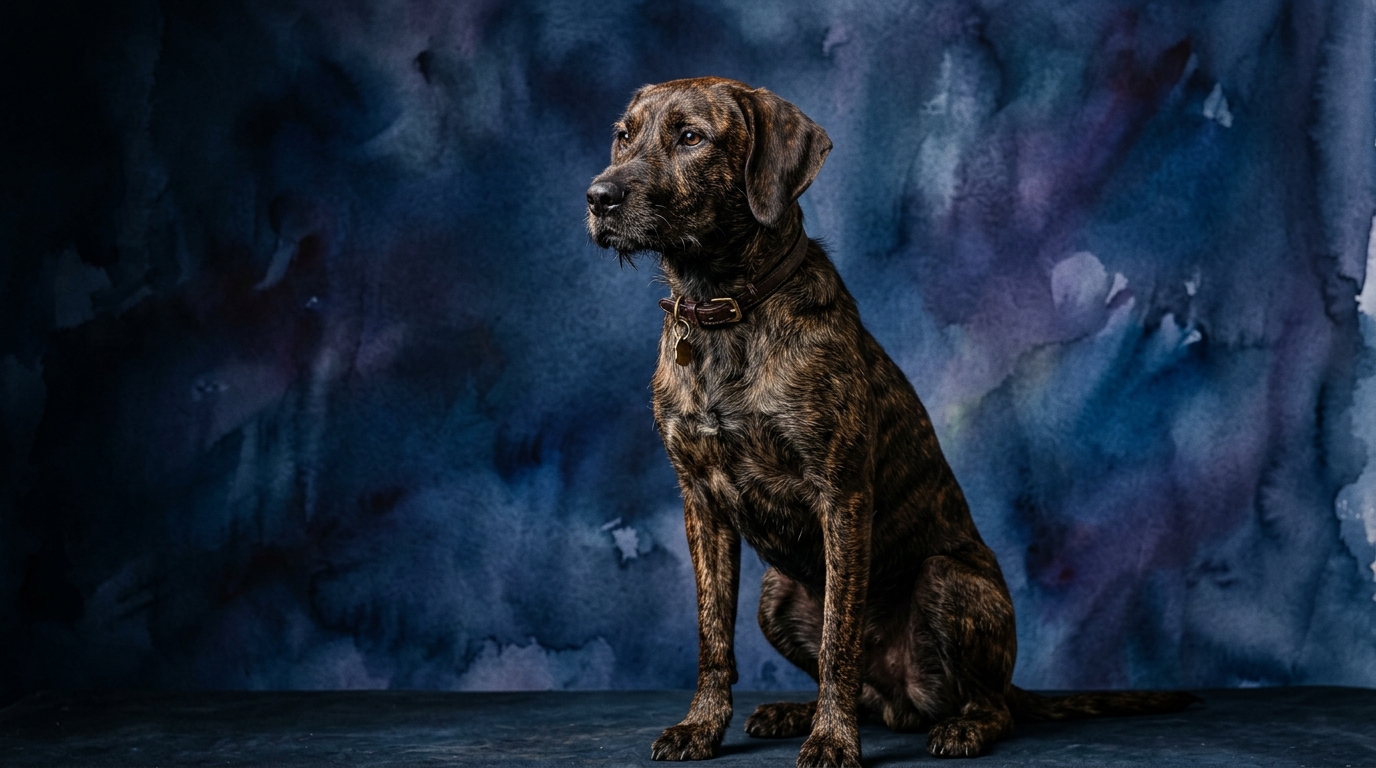
**Problem Solving (3/5):** The Welsh Terrier exhibits problem-solving rooted in their tenacious hunting heritage, adept at figuring out how to access desired objects, navigate complex environments to flush out small prey, or even outwit their owners. Their solutions often involve persistence, clever manipulation of their surroundings, and an independent approach to challenges, sometimes involving digging or squeezing into tight spaces. In contrast, the Plott Hound's problem-solving skills are inextricably linked to their specialized role as big game hunters, excelling at unraveling intricate scent puzzles, navigating rugged terrain while maintaining a trail, and adapting pursuit strategies based on environmental cues. This methodical deduction in following a fading scent showcases a systematic processing of sensory information.
**Training Speed (3/5):** Welsh Terriers can grasp new commands and routines with reasonable speed, often showing an initial eagerness to learn. However, their independent terrier spirit means that while they understand what is being asked, they often weigh whether complying aligns with their current interests, requiring consistent motivation. Plott Hounds also possess a solid capacity for learning new behaviors, particularly when training incorporates elements of their instinctive drives. The primary challenge lies not in their ability to learn, but in their overwhelming drive to follow a scent trail, which can make training appear to slow dramatically in distracting environments.
**Social Intelligence (3/5):** Welsh Terriers are typically very attuned to their immediate human family, often forming strong, affectionate bonds and demonstrating an awareness of household dynamics, reading their owner's moods. Towards strangers or unfamiliar dogs, they can be reserved or even assertive, reflecting their territorial instincts and need for clear social boundaries. Plott Hounds display a social intelligence centered on their pack mentality, devoted and loyal to their family, often showing a calm, tolerant demeanor with children and familiar individuals. While watchful or reserved with strangers, they are generally not aggressive, preferring to observe from a distance, contributing to a harmonious home environment.
**Instinctive Drive (3/5):** The instinctive drive of the Welsh Terrier is a powerful force, encompassing a robust prey drive, a persistent digging instinct, and a propensity for vocalization. They are driven by the thrill of the chase, the exploration of underground scents, and the need to alert, manifesting as an enduring curiosity and readiness to engage with their environment. The Plott Hound's instinctive drive is dominated by an extraordinary olfactory capacity and an unwavering tracking instinct. Their world is largely defined by scent, and they are compelled to follow a trail once detected, often to the exclusion of all else, fueling their endurance and single-minded pursuit with characteristic baying.
**Memory (3/5):** Welsh Terriers possess a good memory for routines, learned commands, and spatial awareness within their territory, quickly recalling where certain toys are kept or identifying previously taken routes. This memory also extends to remembering past interactions, influencing their future responses to specific people, animals, or situations. Plott Hounds exhibit an exceptional memory, particularly concerning scent profiles and geographical layouts, recalling complex scent trails over vast distances and remembering specific hunting grounds. This memory is highly specialized, allowing them to effectively 'map' their environment through olfaction and navigate based on stored sensory data.
Where the Welsh Terrier Wins Cognitively
The Welsh Terrier demonstrates a nuanced cognitive advantage in adaptable problem-solving that isn't solely reliant on a single sense. Their ability to quickly assess and manipulate novel situations, often involving objects or environmental features, surpasses the Plott Hound's scent-focused approach. For instance, a Welsh Terrier might more readily figure out a complex puzzle toy requiring dexterity and varied strategies, or adapt to a sudden change in a household routine without significant distress. Their memory seems more generalized, allowing for a quicker pivot between different types of tasks and a broader application of past learning to new, non-scent-related challenges. They excel at figuring out "how to get their way" in a domestic setting, which requires a flexible application of their intelligence.
Where the Plott Hound Wins Cognitively
The Plott Hound's cognitive superiority is undeniable in tasks requiring sustained, singular focus on olfactory input and endurance-based navigation. Their ability to process and recall intricate scent information over extended periods and across diverse terrains is unparalleled by the Welsh Terrier. A Plott Hound can track a specific scent for miles, differentiating it from countless others, a feat that showcases a highly specialized form of problem-solving and memory. This profound depth of sensory processing and recall makes them exceptional in roles demanding persistent pursuit and environmental mapping through smell, a cognitive skill set that is foundational to their breed identity and far exceeds the Welsh Terrier's capabilities in this domain.
Training Insights: Navigating Distinct Challenges
Neither breed is inherently "easy" to train in the conventional sense, but the challenges differ significantly. The Welsh Terrier can be quicker to learn a variety of commands and tricks due to their general cognitive flexibility and desire for engagement, provided the training is stimulating and consistent. However, their independent streak and strong prey drive mean that compliance in distracting environments requires immense dedication; they are often "selective listeners." They learn quickly but may choose when to apply that learning, demanding an owner who can consistently motivate and maintain engagement.
The Plott Hound, while capable of learning, presents a different hurdle: their overwhelming instinctive drive. While they can learn commands, their nose often dictates their actions. Training a reliable recall for a Plott Hound in an open, scent-rich environment is a monumental task because their brain is wired to prioritize tracking. They can become "deaf" to commands when on a trail, making their training more about managing an instinct than teaching new concepts. Therefore, for general obedience and adaptability to varied domestic demands, the Welsh Terrier might feel marginally easier to train, provided one is prepared to manage their strong will, whereas the Plott Hound requires an owner deeply committed to understanding and working with, rather than against, their potent scent drive.
Owner Suitability: Matching Lifestyles to Canine Minds
Both breeds demand active engagement, making neither suitable for genuinely relaxed owners. The Welsh Terrier is well-suited for active owners who enjoy interactive play, consistent mental stimulation, and a companion with a spirited personality. They thrive on varied activities like agility, earthdog trials, or long, interesting walks that allow for exploration and sniffing. While they have energy, they can typically adapt to a well-exercised life in a variety of home settings, including apartments, provided their physical and mental needs are met daily. Their activity is often in bursts, requiring owners who can match their enthusiasm for engagement and provide diverse outlets for their terrier drives.
The Plott Hound, however, requires a significantly higher level of physical activity and purpose-driven engagement, making them ideal for very active, outdoors-oriented owners. Their boundless energy and profound scent drive necessitate extensive daily exercise, ideally involving opportunities for tracking, long hikes in secure areas, or participation in dog sports like K9 Nose Work. A relaxed owner will quickly find themselves overwhelmed by a Plott Hound's unmet needs, which can lead to destructive behaviors or persistent vocalization. They are best with owners who embrace a lifestyle that accommodates a dog bred for hours of strenuous outdoor work and can provide a secure, stimulating environment for their powerful instincts.
The Verdict
Choose the Welsh Terrier if you seek a spirited, adaptable companion who thrives on varied mental challenges, close interaction, and an owner prepared to channel their independent terrier drive into constructive activities.
Opt for the Plott Hound if you are a highly active, outdoors-loving individual or family seeking a devoted, robust partner for extensive adventures, particularly those involving scent work or endurance, and are deeply committed to understanding and managing an unparalleled instinctive drive.
🧠 Find Your Pet's IQ Score
Our Pet IQ Lab assessment covers 25+ tests across 5 cognitive dimensions — personalized to your breed.
Take the Full IQ Test →Frequently Asked Questions
Do Welsh Terriers and Plott Hounds learn at the same pace?
While both breeds score 3/5 in training speed, their learning processes differ. Welsh Terriers often grasp varied commands quickly but may choose when to obey, while Plott Hounds can learn efficiently for tasks aligned with their instincts but struggle with focus when a strong scent is present.
Which breed is better with children?
Both breeds can be good with children, but require proper socialization and supervision. Welsh Terriers form strong family bonds but might be less tolerant of rough play, while Plott Hounds are generally known for their calm, patient demeanor with their family pack, though their size needs consideration.
Can a Plott Hound live in an apartment?
While possible, a Plott Hound in an apartment requires an exceptionally dedicated owner who can provide multiple hours of strenuous outdoor exercise and mental stimulation daily, ideally involving scent work. Their high energy and strong baying instinct make them generally better suited to homes with yards and ample outdoor access.