Side-by-Side IQ Profile: Unpacking Identical Scores
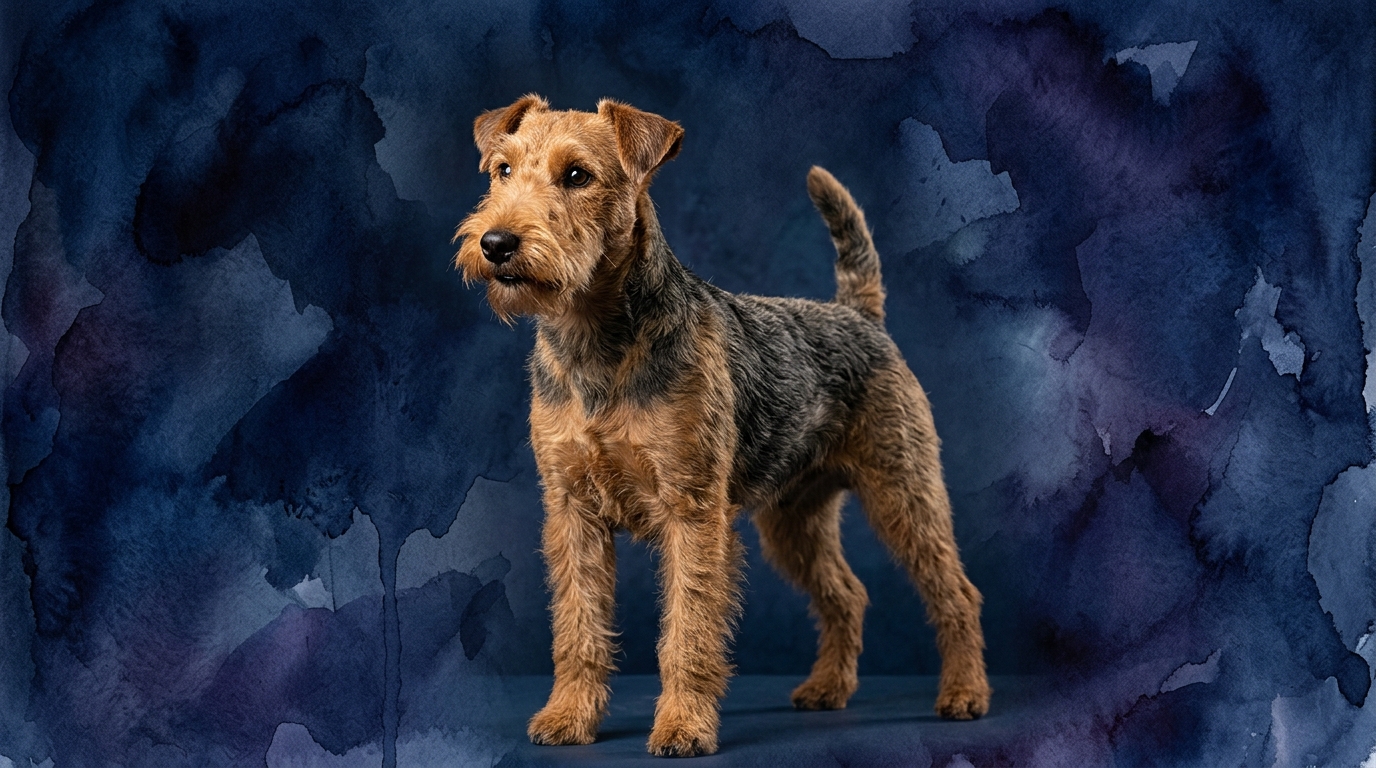
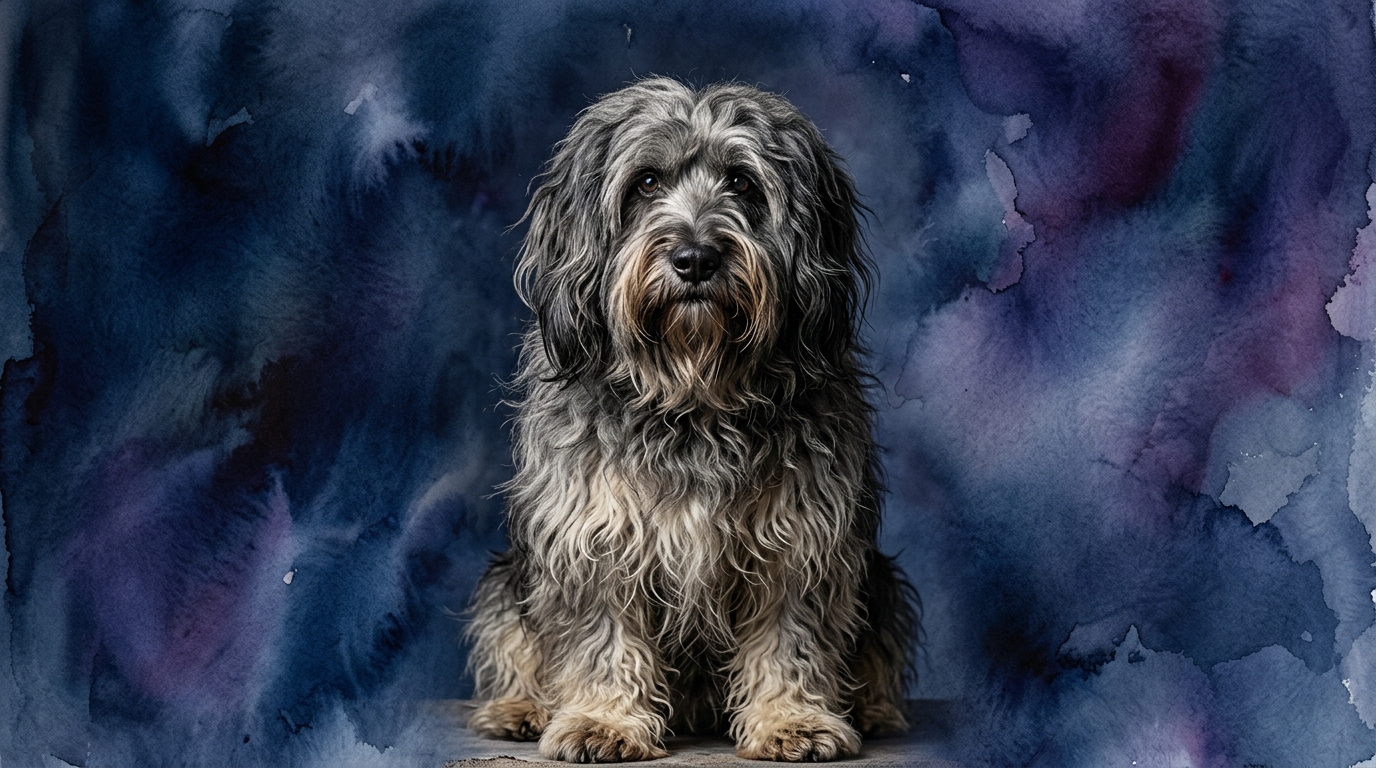
At first glance, the Cosmic Pet Pet IQ Lab data presents an intriguing scenario: both the Welsh Terrier and the Polish Lowland Sheepdog register a consistent 3/5 across all five cognitive dimensions. This identical scoring suggests a comparable baseline capacity, but it's in the application and motivation behind these scores where their distinct breed characteristics truly emerge. Understanding these nuances requires looking beyond the numbers to their historical roles and inherent drives.
**Problem Solving (3/5):** For the Welsh Terrier, a 3/5 in problem-solving often manifests as an independent, tenacious drive to achieve self-assigned objectives. This might involve devising strategies to access a hidden treat, circumventing a fence to pursue an interesting scent, or figuring out how to manipulate objects to their advantage. Their solutions are often self-serving and driven by curiosity or instinct. The Polish Lowland Sheepdog, also at 3/5, typically applies problem-solving to group dynamics and environmental management. They might strategize how to gently guide a child back to the family unit, anticipate and block a perceived threat's approach, or remember complex routes and boundaries to maintain order within their perceived 'flock.' Their ingenuity is often rooted in protection and cohesion.
**Training Speed (3/5):** Both breeds demonstrate a respectable capacity to learn new commands and routines, earning a 3/5. However, the Welsh Terrier's learning speed is coupled with a strong independent streak; they absorb information quickly but may choose when and if to execute a command based on their own assessment of the situation or current motivation. Consistency and making training feel like a stimulating game are paramount. The Polish Lowland Sheepdog, while equally capable of rapid learning, generally exhibits a stronger desire to cooperate and please its primary caregivers, making their 3/5 training speed often feel more readily accessible to an owner. Their sensitivity means they respond best to positive reinforcement and clear, consistent communication.
**Social Intelligence (3/5):** A 3/5 in social intelligence for the Welsh Terrier means they are adept at reading human and canine cues, understanding intentions, and navigating social hierarchies, but they often do so with a degree of aloofness or self-possession. They are observant and discerning, perhaps choosing their interactions carefully rather than overtly seeking constant engagement. The Polish Lowland Sheepdog's 3/5 in social intelligence is often expressed through a deep attunement to their family's emotional states and a strong protective instinct. They are keenly aware of their environment and the dynamics within their 'flock,' often acting as watchful guardians who are sensitive to subtle shifts in mood or perceived threats, exhibiting loyalty and dedication to their inner circle.
**Instinctive Drive (3/5):** The Welsh Terrier's 3/5 instinctive drive is heavily influenced by their terrier heritage: a robust prey drive, a propensity for digging, and an assertive territoriality. This drive fuels their curiosity and independence, making them persistent in their pursuits, whether it's chasing a squirrel or investigating an interesting burrow. The Polish Lowland Sheepdog's 3/5 instinctive drive is rooted in its herding lineage. This manifests as a strong desire to gather, protect, and manage its 'flock' (family), often expressed through watchful guarding, a tendency to bark at perceived intruders, and a need for purpose. This drive translates into a desire for order and responsibility within their domestic environment.
**Memory (3/5):** Both breeds possess a solid 3/5 memory, allowing them to recall commands, routines, and past experiences effectively. For the Welsh Terrier, this might mean remembering where specific toys are hidden, the location of prime sniffing spots, or which tactics have successfully yielded rewards in the past. Their memory serves their independent, exploratory nature. The Polish Lowland Sheepdog's memory, also at 3/5, is often applied to remembering complex family schedules, the boundaries of their territory, specific people they deem friend or foe, and intricate training sequences. Their recall supports their role as a vigilant and reliable family member, allowing them to anticipate events and maintain a sense of order.
Where the Welsh Terrier Excels Cognitively
The Welsh Terrier's cognitive strengths lie in their independent problem-solving and tenacious pursuit of self-selected goals. While their IQ scores are identical to the Polish Lowland Sheepdog, the *application* of their 3/5 problem-solving is distinct. They demonstrate a remarkable ability to assess situations and devise solutions that align with their own desires, often requiring ingenuity to overcome physical barriers or outsmart expectations. This isn't about pleasing an owner; it's about achieving their own objective, whether that's retrieving a dropped toy from an inaccessible spot or finding a way to join the family on the forbidden couch.
Their 3/5 instinctive drive, focused on terrier-specific behaviors like chasing and digging, means they excel at tasks requiring persistence and single-minded focus on a target. They can concentrate intensely on a scent trail or a perceived 'prey,' showcasing a cognitive ability to filter out distractions when engaged in their primal activities. This self-directed focus, combined with their memory for past successes, makes them adept at navigating their environment independently and learning through trial and error, even if the 'error' is perceived as naughtiness by their humans. Their cognitive edge is in their self-reliance and the determination to see their own projects through to completion.
Where the Polish Lowland Sheepdog Shines Cognitively
The Polish Lowland Sheepdog's cognitive prowess is most evident in their situational awareness and their intricate understanding of group dynamics. Their 3/5 social intelligence is expressed through a deep, intuitive grasp of their family's emotional landscape and a proactive approach to maintaining harmony and safety within their 'flock.' They can anticipate needs, sense shifts in mood, and often position themselves strategically to observe and protect, demonstrating a sophisticated spatial and social awareness that goes beyond simple obedience.
Their 3/5 instinctive drive, rooted in herding, translates into exceptional cognitive skills for managing and organizing. This isn't just about moving sheep; it's about a fundamental desire for order and a keen eye for anything out of place. They might subtly nudge a child away from a perceived danger, position themselves between a stranger and their family, or use their memory to enforce household routines. Their problem-solving, though rated identically, is often applied to complex scenarios involving multiple variables – people, other pets, environmental factors – all aimed at ensuring the well-being and cohesion of their family unit. They excel at 'reading the room' and acting accordingly to maintain peace and protection.
Training: Biddability vs. Independence
While both breeds score 3/5 in training speed, the perceived ease of training can differ significantly due to their underlying temperaments. The Polish Lowland Sheepdog generally presents as easier to train for most owners. Their herding background instills a strong desire to cooperate and work alongside their human, making them attentive students who genuinely want to please. They respond well to consistent, positive reinforcement and clear expectations, absorbing commands and routines readily. However, their sensitivity means harsh corrections are counterproductive, potentially leading to anxiety or withdrawal. Early socialization is crucial to channel their protective instincts positively.
The Welsh Terrier, despite their equal training speed, can be more challenging for the average owner. Their terrier independence means they learn quickly but often require convincing that obeying a command is more rewarding or interesting than pursuing their own agenda. They are thinkers who might question the necessity of a task, making training a continuous exercise in motivation, patience, and creativity. Owners must make training fun, engaging, and feel like a mutually beneficial game rather than a chore. Their 3/5 training speed is present, but their strong will necessitates a more nuanced and persistent approach to achieve consistent compliance.
Lifestyle Compatibility: Active Engagement is Key
Neither the Welsh Terrier nor the Polish Lowland Sheepdog is suited for a relaxed, sedentary owner; both require consistent mental and physical engagement, albeit in different forms. The Welsh Terrier thrives with active owners who enjoy outdoor adventures, consistent mental stimulation through puzzle toys, and a companion for spirited play. They need outlets for their digging, chasing, and exploring instincts, making them ideal for individuals or families who embrace an energetic, outdoor-oriented lifestyle. They can adapt to apartment living if their exercise and mental needs are rigorously met, but they are not content to be mere couch potatoes, often creating their own 'fun' if under-stimulated.
The Polish Lowland Sheepdog also requires an active owner, but one who appreciates structured activities, dog sports, and a companion that desires a 'job.' Their herding heritage means they benefit from activities that engage their minds and bodies, such as agility, obedience, or even simply being involved in daily household routines as a watchful participant. They need to feel they have a purpose, even if it's just guarding the family. While they can enjoy quiet time with their family, they are not for entirely relaxed owners who cannot provide consistent mental challenges and opportunities for their inherent protective and organizational instincts to be expressed. They are best suited for owners who understand and appreciate a working breed's need for engagement and leadership.
The Verdict: When to Choose Each Breed
The Verdict
Choose the Welsh Terrier if you're an active, adventurous owner who appreciates a self-reliant, spirited companion with a clever, independent mind, willing to invest patience in channelizing their tenacious problem-solving and strong will.
Opt for the Polish Lowland Sheepdog if you seek a loyal, watchful companion who thrives on purpose, excels in social awareness, and desires to be an integral, protective part of an active family, responding well to gentle, consistent guidance.
🧠 Find Your Pet's IQ Score
Our Pet IQ Lab assessment covers 25+ tests across 5 cognitive dimensions — personalized to your breed.
Take the Full IQ Test →Frequently Asked Questions
Do identical IQ scores mean these dogs are equally easy to live with?
No, identical IQ scores indicate a similar cognitive capacity, but their inherent breed traits and drives significantly impact their temperament and how those capacities are applied. The Welsh Terrier's independence contrasts with the Polish Lowland Sheepdog's cooperative nature, creating distinct living experiences.
Which breed is better for a first-time dog owner?
The Polish Lowland Sheepdog might be a slightly more forgiving choice for a first-time owner due to their biddable nature and desire to please, provided the owner is committed to consistent training and socialization. The Welsh Terrier's strong will can be challenging for inexperienced owners, demanding more advanced handling skills.
How do their 3/5 instinctive drives differ in daily life?
The Welsh Terrier's 3/5 instinctive drive often translates to daily behaviors like digging, pursuing small animals, and independent exploration. The Polish Lowland Sheepdog's 3/5 drive manifests as watchful guarding, a tendency to herd family members, and alerting to perceived threats, reflecting their historical roles.