Side-by-Side IQ Profile: Welsh Terrier vs. Schipperke
The Cosmic Pet Pet IQ Lab employs a five-dimensional framework to assess canine intelligence, offering a nuanced perspective beyond simple obedience. Let's examine how the Welsh Terrier and Schipperke stack up across these critical cognitive domains.
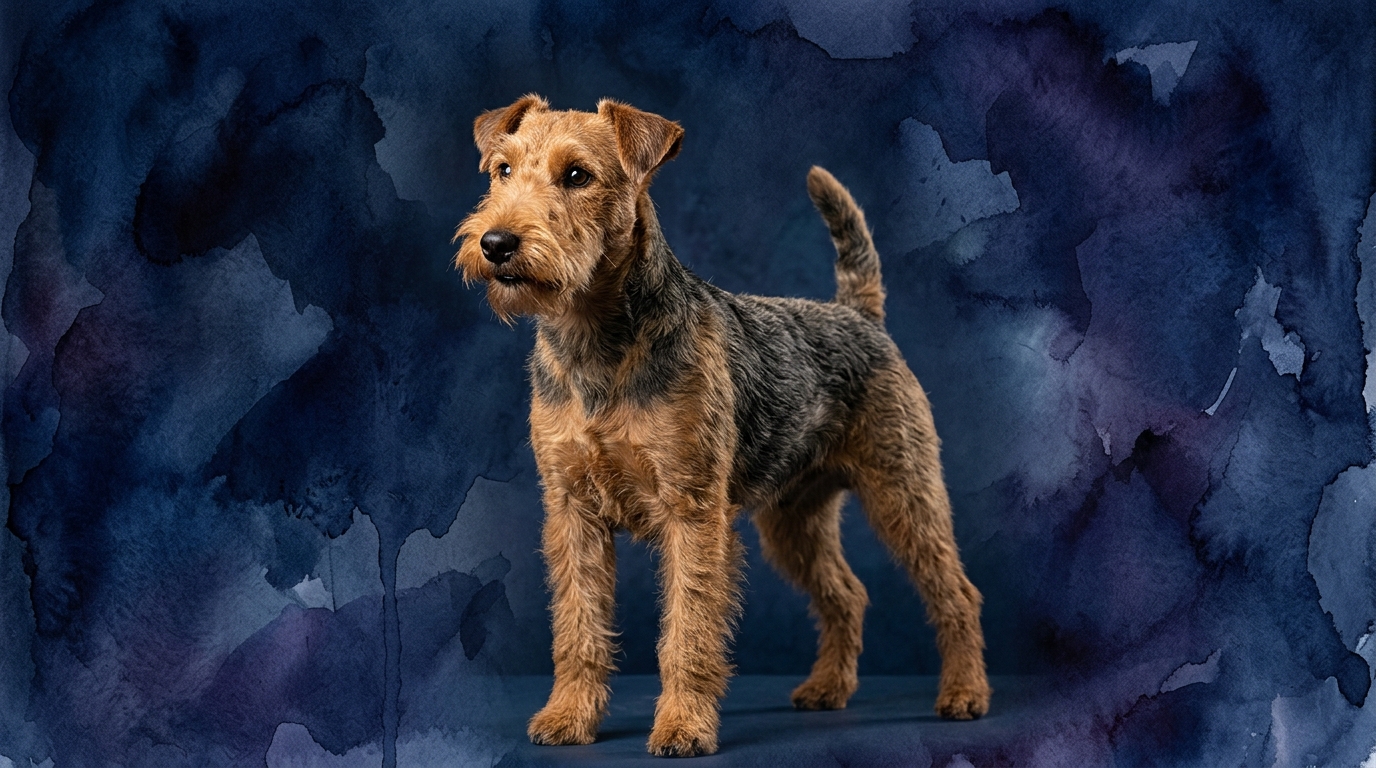
The Welsh Terrier, a spirited member of the Terrier group, presents a balanced yet tenacious cognitive profile. Across the board, this breed registers a consistent 3/5. Their problem-solving ability, at 3/5, indicates a capacity for independent thought and persistent, often trial-and-error approaches to challenges. A training speed of 3/5 suggests they learn, but at their own pace, requiring consistent and engaging methods rather than instant compliance. Their social intelligence, also 3/5, points to a dog that understands human cues but maintains a degree of independence, often prioritizing its own interests. An instinctive drive of 3/5 reflects a moderate prey drive and territoriality, characteristic of many terriers, which is present but generally manageable. Finally, a memory score of 3/5 means they retain commands and experiences, though perhaps not with the immediate, flawless recall seen in some other breeds.
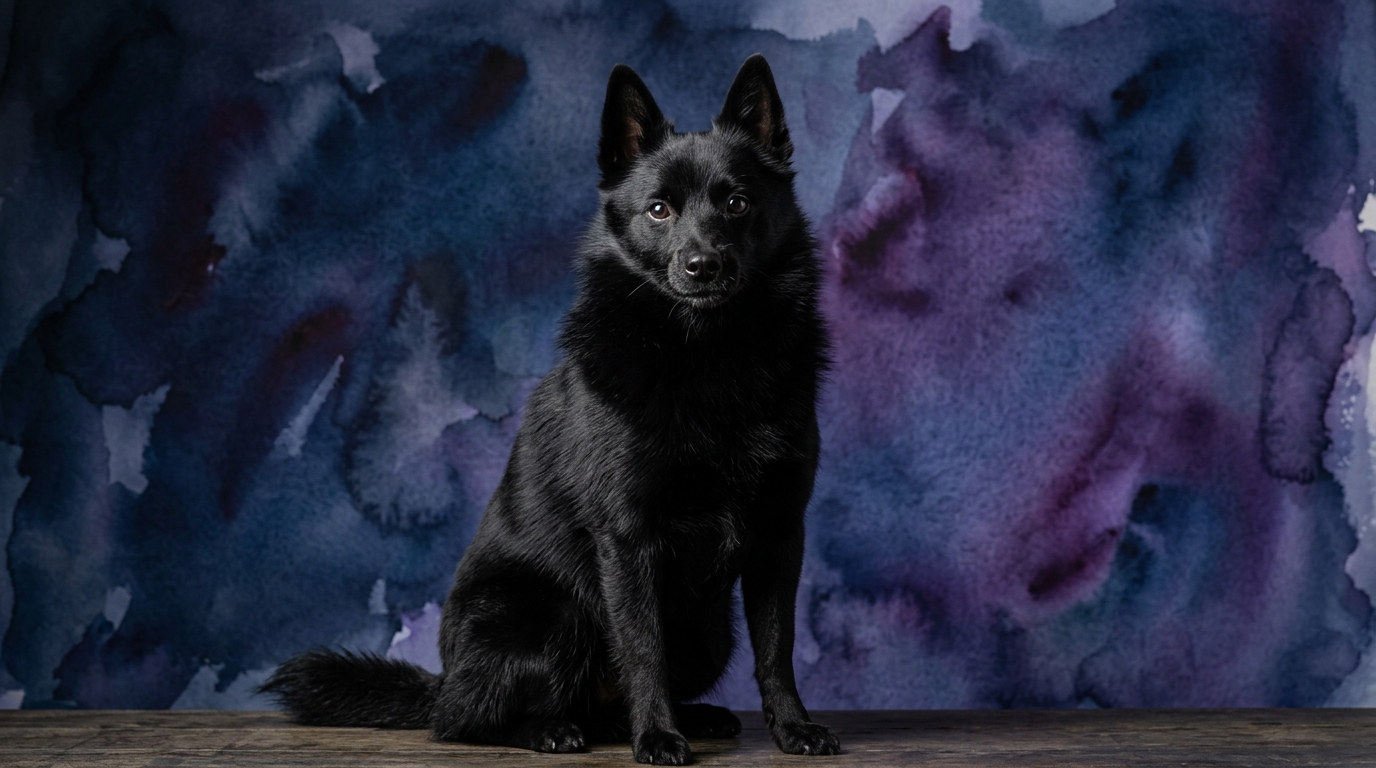
In stark contrast, the Schipperke, a vigilant dog from the Non-Sporting group, showcases an exceptionally sharp cognitive blueprint, earning a Coren rank of #15, placing it among the more responsive breeds. Their problem-solving ability soars at an impressive 5/5, signifying a profound capacity for strategic thinking, quick adaptation, and devising novel solutions to complex issues. This high cognitive agility is mirrored in their training speed, also a 5/5, indicating a remarkable aptitude for rapidly grasping and executing new commands. While their social intelligence sits at 3/5, similar to the Welsh Terrier, suggesting an independent streak and a watchful nature, it doesn't detract from their learning capacity. An instinctive drive of 3/5 reflects their heritage as alert watchdogs and vermin hunters, a moderated yet present inclination. Crucially, their memory is rated at a superior 5/5, ensuring that once a concept or command is learned, it is retained with exceptional fidelity and consistency.
Where the Welsh Terrier Excels Cognitively
Despite not achieving the highest scores in raw cognitive speed or immediate problem-solving, the Welsh Terrier demonstrates a robust, self-reliant intelligence that can be an asset in particular scenarios. Their 3/5 problem-solving ability, for instance, translates into a dog that often employs a persistent, trial-and-error approach rather than seeking immediate human guidance. This can foster a unique resilience, where the terrier might independently work through a challenge, like figuring out how to retrieve a toy from a tight spot, demonstrating a determined ingenuity over sheer speed. Similarly, their 3/5 instinctive drive is not a deficit but a balanced trait, allowing for a strong prey drive essential for their terrier heritage, yet often more manageable in a domestic setting than breeds with extreme drives. This means an owner can enjoy their natural instincts for digging or 'hunting' without the overwhelming intensity that might require constant redirection in other breeds. Their moderate social intelligence, also at 3/5, speaks to an independent spirit; they are observant of their human companions but are less prone to clingy behavior, fostering a relationship built on mutual respect rather than constant seeking of approval, which can be appealing to owners who appreciate a dog with distinct autonomy.
Where the Schipperke Demonstrates Cognitive Superiority
The Schipperke's cognitive profile, particularly its exceptional 5/5 scores in problem-solving, training speed, and memory, positions it as a canine intellectual powerhouse. Their problem-solving prowess means they are not merely capable of learning tasks but excel at understanding underlying concepts, adapting quickly to new situations, and even anticipating outcomes. This makes them adept at navigating complex environments or figuring out intricate puzzle toys with remarkable efficiency. Paired with a 5/5 training speed, Schipperkes absorb new commands and behaviors with astonishing rapidity, often requiring fewer repetitions than many other breeds to achieve mastery. This cognitive agility allows them to excel in advanced obedience, agility, and other dog sports where precision and quick learning are paramount. Furthermore, their 5/5 memory ensures that once a lesson is learned, it is retained with impressive fidelity, leading to consistent performance and a deep understanding of household routines and expectations. This combination of quick comprehension and enduring recall makes the Schipperke an exceptionally responsive and capable partner for owners who enjoy engaging in continuous learning and intellectual challenges with their dog.
Training Dynamics: Which Breed is More Amenable?
When it comes to ease of training, the Schipperke holds a distinct advantage, primarily due to its 5/5 scores in problem-solving, training speed, and memory. These high marks translate into a dog that not only grasps new concepts quickly but also remembers them reliably and is often eager to apply its understanding. A Schipperke will typically pick up a new command in just a few repetitions, making them a joy for owners who want to explore advanced training, tricks, or dog sports like agility or rally obedience. Their inherent cognitive drive to understand and engage means they often look for opportunities to learn and please, even with their independent streak (3/5 social intelligence). This responsiveness, coupled with their sharp recall, makes the training process generally smoother and more rewarding for both dog and handler, provided the mental stimulation is consistent and engaging.
The Welsh Terrier, with its consistent 3/5 ratings across all cognitive dimensions, presents a different training experience. While certainly capable of learning, their training speed and memory suggest that they require more patience, repetition, and creative motivation. Their terrier tenacity and independent nature mean they are less inclined to offer automatic compliance; they might understand a command but choose to follow it based on their own assessment of the situation or their mood. This isn't a lack of cognitive ability, but rather a distinct personality trait rooted in their heritage. Training a Welsh Terrier often becomes a fascinating exercise in building a strong bond and finding what truly motivates them – whether it's a specific treat, a favorite toy, or a game. Owners must be prepared for a more deliberate, consistent, and sometimes challenging training journey, where success is earned through mutual respect and understanding of the terrier's unique drive, rather than quick obedience.
Matching Breeds to Lifestyles: Active vs. Relaxed Owners
Both the Welsh Terrier and the Schipperke are energetic breeds, but their ideal owner profiles diverge based on the *type* of activity they thrive on. The Welsh Terrier, with its balanced 3/5 scores, is well-suited for owners who enjoy physical activity and outdoor exploration. They need regular exercise, such as long walks, hikes, or vigorous play sessions. Their independent problem-solving means they can be content exploring their environment or engaging in self-directed play, though they always appreciate human companionship. They are a good fit for active individuals or families who appreciate a dog that is robust, enjoys digging, and has a spirited, earthy charm, but might not demand constant, intricate intellectual challenges. They thrive with an owner who can consistently provide structured physical outlets and patient, positive training.
The Schipperke, conversely, with its exceptional 5/5 problem-solving and memory, requires an owner who prioritizes consistent mental engagement as much as, if not more than, physical exercise. While they certainly need regular physical activity, their keen minds demand constant stimulation through training, puzzle toys, and learning new skills. They excel in dog sports like agility, obedience, and rally, thriving on the challenge and the partnership with their owner. A Schipperke is ideal for an owner who is dedicated to ongoing training, enjoys teaching complex tricks, and can provide a structured environment rich with intellectual opportunities. They might suit a 'relaxed' owner in terms of physical endurance, but certainly not in terms of dedication to mental enrichment. They need an owner who is 'active' in terms of intellectual engagement and consistent, stimulating interaction.
The Verdict: When to Choose Each Intelligent Companion
Choosing between a Welsh Terrier and a Schipperke ultimately depends on an owner's lifestyle, training philosophy, and what they seek in a canine partner. Both breeds offer deep companionship, but their cognitive approaches to the world are distinctly different.
The Verdict
Choose a Welsh Terrier if you appreciate an independent, tenacious companion with a moderate pace of learning, capable of self-amusement and requiring consistent, patient guidance. They offer a rewarding challenge for those who value a dog with a distinct personality and a robust, earthy charm.
Opt for a Schipperke if you seek a highly perceptive, quick-witted partner eager to engage in complex learning and problem-solving. They thrive with consistent mental stimulation and structured activities, offering a dynamic and responsive companion for those who enjoy advanced training and dog sports.
🧠 Find Your Pet's IQ Score
Our Pet IQ Lab assessment covers 25+ tests across 5 cognitive dimensions — personalized to your breed.
Take the Full IQ Test →Frequently Asked Questions
Are Welsh Terriers stubborn during training?
Their 3/5 training speed and independent nature can sometimes manifest as stubbornness. Welsh Terriers understand commands but may choose to prioritize their own interests, requiring persistent and positive reinforcement to encourage cooperation over immediate compliance.
Do Schipperkes need a lot of mental exercise?
Absolutely. With 5/5 in problem-solving and memory, Schipperkes thrive on intellectual challenges. Regular training, puzzle toys, and learning new tasks are essential to keep their sharp minds engaged and prevent boredom-related behaviors from developing.
Which breed is generally better for a first-time dog owner?
While both breeds require committed owners, the Schipperke's quicker learning curve and responsiveness might make them slightly more manageable for a dedicated first-time owner willing to invest in consistent mental stimulation. The Welsh Terrier's independent streak often requires a more experienced hand.