Side-by-Side Cognitive Blueprints
At first glance, the Cosmic Pet Pet IQ Lab data presents both the Welsh Terrier and the Tibetan Terrier with identical 3/5 ratings across all five cognitive dimensions: problem-solving, training speed, social intelligence, instinctive drive, and memory. This numerical parity doesn't suggest identical minds, but rather a shared moderate capability that manifests uniquely through each breed's historical purpose and inherent temperament. A 3/5 score indicates a dog that is capable, responsive, and trainable, but often with a discernible independent streak or a specific cognitive bias linked to its heritage.
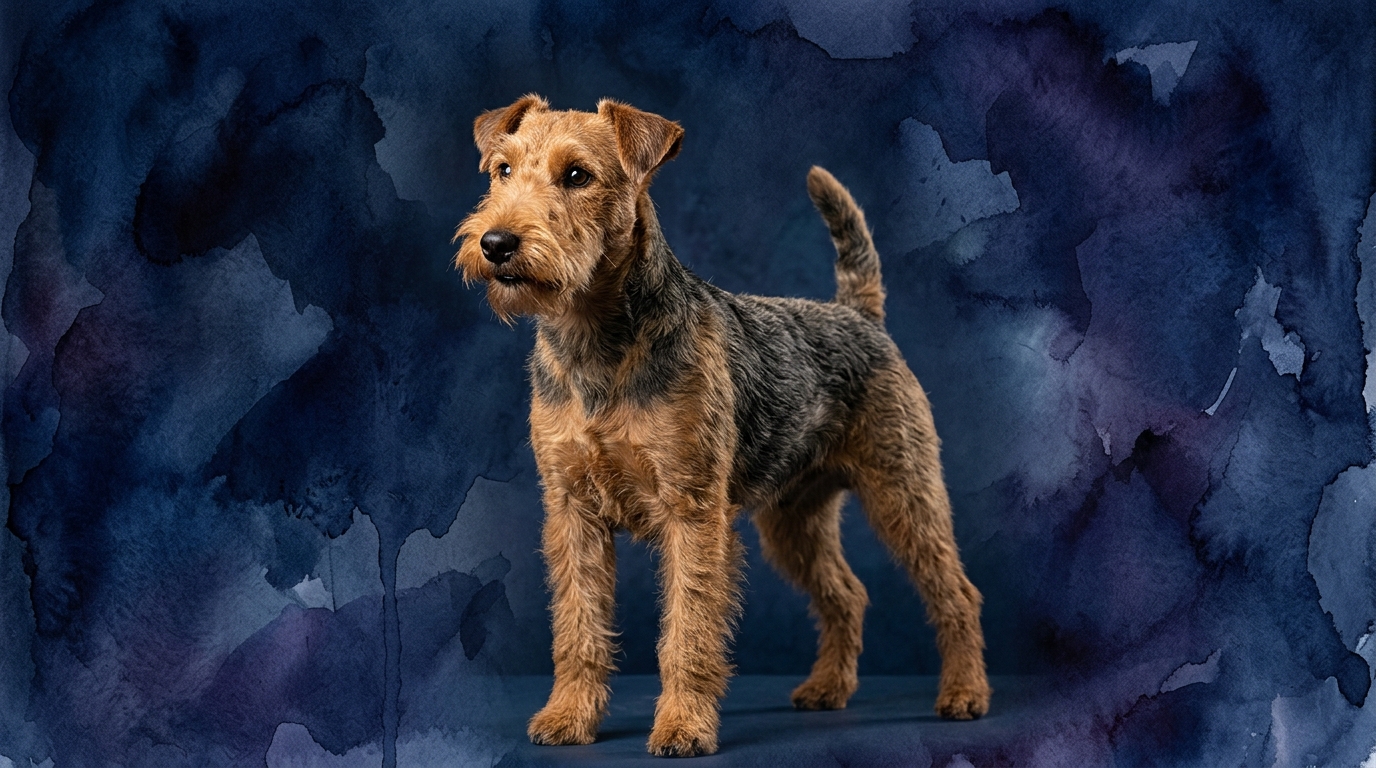
For the Welsh Terrier, a member of the Terrier group, these 3/5 scores are deeply colored by their origins as tenacious vermin hunters in the Welsh countryside. Their problem-solving at 3/5 often translates to figuring out how to get to a perceived “prey” item, whether it's digging under a fence or outsmarting a squeaky toy, driven by a robust instinctive drive, also rated 3/5. Training speed at 3/5 means they learn, but their independent nature requires consistent, engaging methods, while social intelligence at 3/5 allows them to form strong bonds but might also involve a degree of selective listening when their terrier instincts kick in. Their memory, also 3/5, ensures they recall commands and routines, but also remembers where that interesting scent trail might lead.
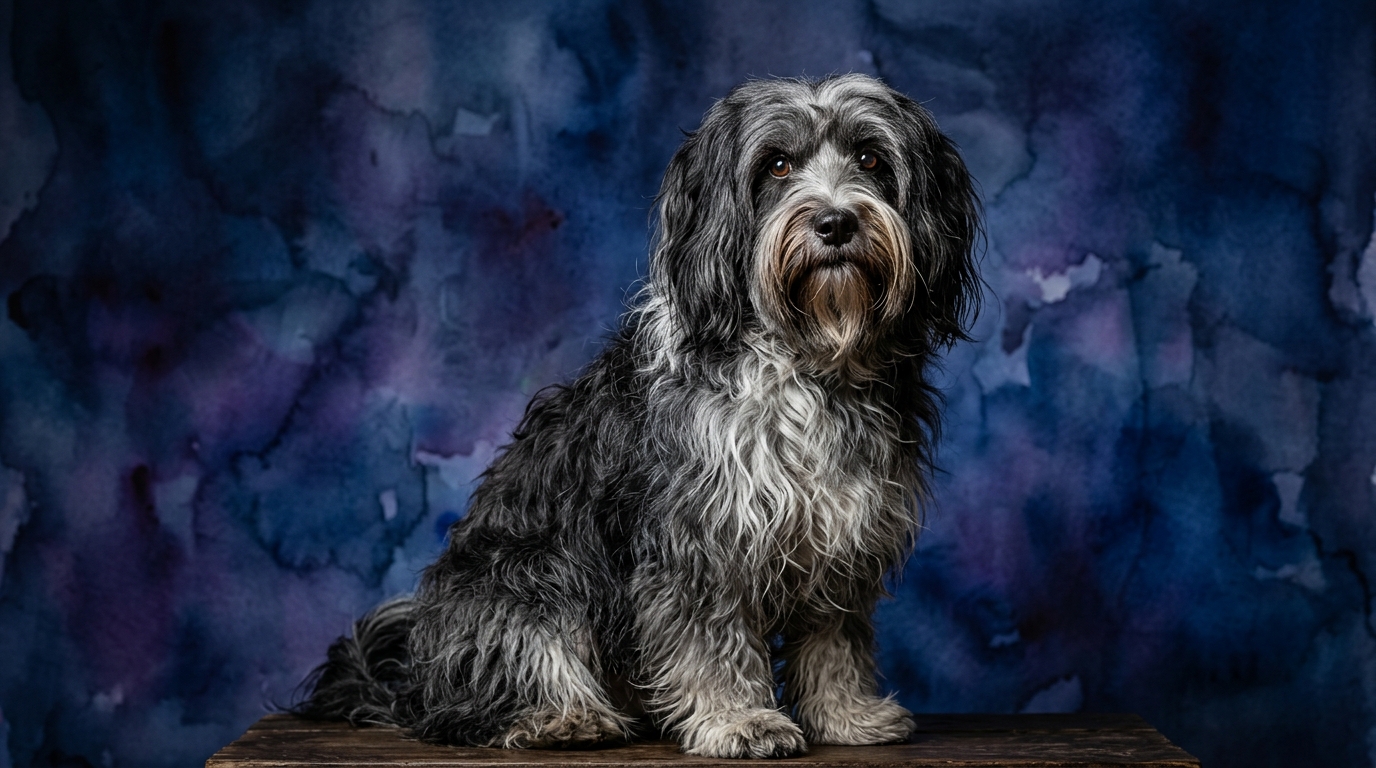
The Tibetan Terrier, classified in the Non-Sporting group, offers a different interpretation of the same 3/5 ratings, rooted in their ancient role as companions and watchdogs in the monasteries of Tibet. Their 3/5 problem-solving often manifests as clever navigation of obstacles or figuring out household routines, driven by an instinctive drive (3/5) that leans more towards alertness and guarding rather than predatory pursuit. Training speed at 3/5 indicates a willingness to learn, often motivated by companionship and praise, while their social intelligence at 3/5 is typically expressed through a keen sensitivity to human moods and a desire to be involved in family life, though they can be reserved with strangers. Their memory, also 3/5, serves them well in recalling complex family dynamics and the whereabouts of favorite people and toys.
Cognitive Edge: The Welsh Terrier's Strengths
While the raw scores are identical, the Welsh Terrier's cognitive strengths shine in scenarios demanding independent thought and persistent, goal-oriented action, particularly when that goal involves excavation or pursuit. Their 3/5 problem-solving, coupled with a 3/5 instinctive drive, makes them exceptionally adept at tasks requiring sustained focus on a singular objective, such as meticulously tracking a scent or strategically working to unearth a buried item. This isn't just about physical digging; it's a mental tenacity to overcome barriers to reach a perceived reward, a trait deeply embedded from their working heritage.
This breed's specific manifestation of memory (3/5) and training speed (3/5) means they are quick to connect actions with outcomes, especially when those outcomes are self-reinforcing or tied to their intrinsic drives. They remember effective strategies for achieving their own aims, which can be both a blessing and a challenge for owners. Their social intelligence (3/5) often involves discerning who is “in charge” and how to subtly influence interactions to their benefit, making them clever communicators within their established family unit, often with a mischievous glint in their eye.
Cognitive Edge: The Tibetan Terrier's Strengths
The Tibetan Terrier's cognitive prowess, despite the identical 3/5 ratings, lies in their nuanced social awareness and adaptability, honed by centuries of close companionship. Their 3/5 social intelligence is particularly refined, allowing them to excel at understanding complex human emotional states and adjusting their behavior accordingly, making them empathetic and responsive family members. This sensitivity contributes to their problem-solving (3/5) in domestic environments, where they might figure out how to alert owners to needs or navigate social dynamics within the home.
Their instinctive drive (3/5), focused more on watchfulness and companionship than prey, translates to a keen awareness of their surroundings and a quickness to learn household rules and routines. This aids their training speed (3/5), as they are often eager to please their loved ones and integrate into the family structure, provided the training is positive and engaging. Their memory (3/5) is excellent for recalling social cues, routines, and the intricate layout of their home territory, making them reliable and predictable companions once they've settled in. They often remember specific words or phrases associated with activities, demonstrating a strong associative recall.
Training Trajectories: Which Breed Offers More Ease?
When considering ease of training, the Tibetan Terrier generally presents a more straightforward path for the average owner, a distinction supported by its Coren rank of #63. This ranking places them in the category of “average working/obedience intelligence,” meaning they typically grasp new commands within 25-40 repetitions and obey the first command at least 50% of the time. Their 3/5 training speed is often amplified by their 3/5 social intelligence, which fosters a desire to cooperate and a sensitivity to their owner's feedback, making them highly responsive to positive reinforcement and consistent methods. They are motivated by companionship and praise, often making them eager participants in training sessions.
The Welsh Terrier, while also rated 3/5 for training speed, often requires a more experienced and patient hand. Being unranked by Coren, and as a true Terrier, their 3/5 instinctive drive is a powerful force that can divert their attention. Their problem-solving (3/5) often involves finding ways to entertain themselves if training isn't stimulating enough, and their independence means they may assess whether a command aligns with their current interests before complying. While they are capable of learning, their responsiveness to commands can be inconsistent, particularly if a more exciting scent or sound captures their focus. Training a Welsh Terrier necessitates creativity, firmness, and a sense of humor to channel their inherent tenacity effectively. Their social intelligence (3/5) allows them to understand human expectations, but their independent streak often prioritizes their own agenda.
Lifestyle Fit: Active Pursuits vs. Relaxed Rhythms
The Welsh Terrier, with its 3/5 instinctive drive and historical role, is undeniably a better match for active owners who relish outdoor adventures and can provide consistent mental and physical stimulation. Their energy levels demand regular exercise beyond a simple walk; they thrive on activities like hiking, earthdog trials, agility, or engaging in vigorous play sessions that tap into their innate prey drive and problem-solving skills. Owners who appreciate a dog with a robust personality, a penchant for exploration, and the willingness to engage in challenging activities will find the Welsh Terrier a rewarding companion. Their 3/5 memory means they recall past adventures and are eager for new ones, making them excellent partners for varied routines.
Conversely, the Tibetan Terrier, while active and playful, is generally a more suitable companion for owners seeking a balance of engagement and calm, leaning towards a slightly more relaxed lifestyle. Their 3/5 instinctive drive manifests more as watchfulness and a need for companionship rather than an insatiable urge to hunt or dig. They enjoy walks, playtime, and mental challenges, but are equally content to cuddle on the sofa, observing household activities with their keen 3/5 social intelligence. They adapt well to various living situations, provided they receive consistent attention and moderate exercise. Owners who value an empathetic, observant, and somewhat reserved companion that enjoys both activity and quiet companionship will find the Tibetan Terrier a delightful fit. Their 3/5 problem-solving often applies to navigating social situations within the home, rather than conquering vast outdoor terrains.
The Verdict
Choose the Welsh Terrier if you are an active, experienced owner ready to channel a dog's inherent tenacity and independent spirit into engaging activities and consistent, creative training. This breed thrives with owners who appreciate a robust personality and can provide ample physical and mental stimulation to satisfy their terrier drive.
Opt for the Tibetan Terrier if you desire an empathetic, observant companion that enjoys a balanced lifestyle, adapting well to both active play and quiet companionship, and can commit to positive, consistent training methods. This breed suits owners who appreciate a dog with a strong social intelligence and a desire to be an integral part of family life.
🧠 Find Your Pet's IQ Score
Our Pet IQ Lab assessment covers 25+ tests across 5 cognitive dimensions — personalized to your breed.
Take the Full IQ Test →Frequently Asked Questions
Do Welsh Terriers typically dig more than Tibetan Terriers?
Yes, Welsh Terriers generally exhibit a stronger propensity for digging due to their historical role as vermin hunters, a manifestation of their 3/5 instinctive drive. Tibetan Terriers, while curious, typically do not display the same intense digging behavior, as their instinctive drive is geared more towards watchfulness and companionship.
Are Tibetan Terriers good with children given their social intelligence?
Tibetan Terriers, with their 3/5 social intelligence, can be excellent with children, often showing patience and empathy. However, like all breeds, early socialization and proper introductions are key, and children should be taught how to interact respectfully with dogs to ensure a harmonious relationship.
Does Coren ranking make a significant difference in training these two breeds?
While both breeds share a 3/5 training speed rating, the Tibetan Terrier's Coren rank of #63 suggests a generally more cooperative and responsive nature to obedience commands compared to the unranked Welsh Terrier. The Welsh Terrier's terrier independence and strong drives often require more persistent and nuanced training approaches, despite their capacity to learn.