Side-by-Side Cognitive Profiles
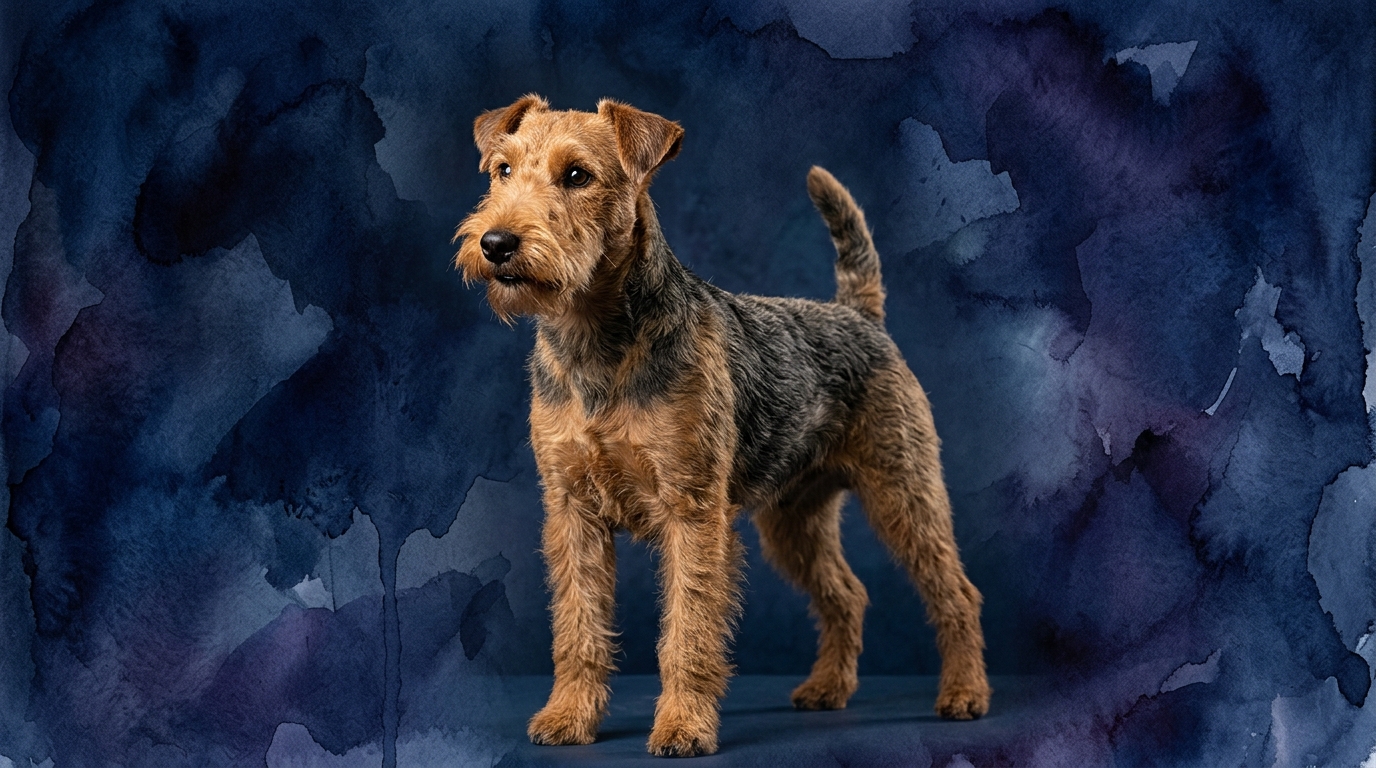
The Welsh Terrier presents a consistent cognitive profile, rated 3/5 across all five dimensions. Their problem-solving capacity is moderate, meaning they can navigate simple challenges but may require persistence for more complex tasks. Training speed is also moderate; they are capable learners, but their independent spirit often means new behaviors require consistent, engaging methods to solidify. Social intelligence stands at 3/5, allowing them to read basic human cues and form strong family bonds, yet they might not interpret subtle emotional shifts with the same nuance as some companion breeds. Their instinctive drive, also 3/5, reflects a manageable working Terrier heritage, manifesting as an interest in scent tracking or digging when not properly channeled. Finally, their memory, at 3/5, allows them to retain learned commands and familiar associations, but intricate sequences or infrequently practiced tasks might fade over time.
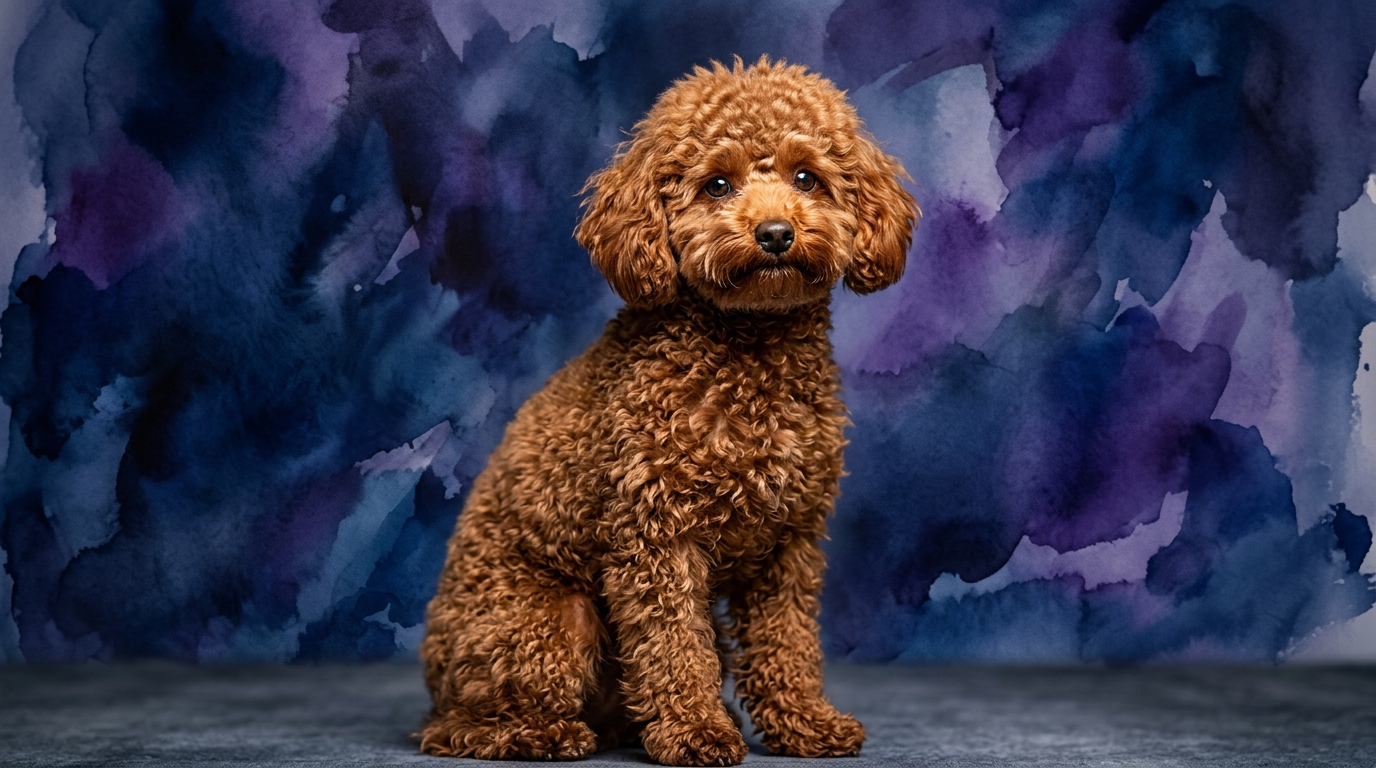
In contrast, the Toy Poodle showcases a cognitive profile with distinct peaks in learning and retention. Their problem-solving ability is exceptional (5/5), enabling them to quickly assess situations and devise strategies to overcome obstacles. Training speed is equally impressive (5/5); they often grasp new concepts with minimal repetition, making them highly responsive to instruction and adept at mastering intricate sequences. Like the Welsh Terrier, their social intelligence is rated 3/5, indicating a solid understanding of human cues and good integration into family life, though their primary cognitive strength lies elsewhere. Their instinctive drive, also 3/5, reflects a moderate affinity for activities like fetching or swimming, stemming from their water-retrieving ancestry. A standout feature is their outstanding memory (5/5), allowing them to retain a vast repertoire of skills and specific associations over extended periods, even with infrequent practice.
Where the Welsh Terrier Excels Cognitively
The Welsh Terrier, with its consistent 3/5 rating across all cognitive dimensions, offers a unique kind of advantage: a balanced and predictable mental architecture. While not excelling in any single cognitive area, this equilibrium means their instinctive drives, problem-solving approaches, and social interpretations are all present without being overwhelming or overly demanding. Their moderate problem-solving, combined with the inherent Terrier tenacity, means they may take longer to figure out a puzzle but often persevere until they succeed, reflecting a resilient rather than purely rapid cognitive style. This breed's steady social intelligence means they are responsive and connected without being overly sensitive to every subtle human emotional fluctuation, providing a robust and dependable companionship for owners seeking consistency.
Where the Toy Poodle Excels Cognitively
The Toy Poodle’s cognitive profile clearly excels in areas demanding rapid acquisition of knowledge and complex mental manipulation. With a 5/5 in both problem-solving and training speed, they demonstrate a remarkable ability to quickly grasp new concepts, analyze situations, and execute learned behaviors with precision. Their superior memory (5/5) allows them to retain a vast array of commands and tricks, building an extensive behavioral repertoire that can be impressive in obedience, agility, or even trick training. This breed’s cognitive strength lies in its capacity for intricate learning and its consistent recall, making it an exceptionally adaptable and responsive partner for structured activities and mental challenges.
Training Dynamics: Which Breed is Easier?
When considering ease of training, the Toy Poodle undeniably holds an advantage due to its exceptional training speed (5/5) and memory (5/5). These dogs typically pick up new commands with minimal repetition, often seeming to anticipate what is desired, making them highly responsive to positive reinforcement. Their eagerness to engage mentally and their capacity for retaining complex sequences means they can progress rapidly through training levels, mastering advanced obedience or intricate trick routines with relative ease. Their consistent recall and ability to learn complex cues make them a joy for those who enjoy structured training.
In contrast, the Welsh Terrier, with its 3/5 training speed and memory, requires a more patient and creative approach. While capable of learning, their independent Terrier spirit means they are less likely to simply comply and more likely to question the utility of a command or get distracted by environmental stimuli. Training a Welsh Terrier often involves making sessions fun, varied, and short to maintain their engagement, and consistency is key to overcoming their natural inclination towards self-directed action rather than immediate human instruction. Their persistence can be a double-edged sword: they’ll stick with a task, but also with an undesirable behavior if not redirected effectively.
Matching Breeds to Owner Lifestyles
For owners seeking an active companion, both breeds offer engaging possibilities, though their activity needs manifest differently. The Welsh Terrier's moderate instinctive drive and balanced cognitive profile mean they benefit from consistent physical exercise that allows them to explore and expend energy, such as long walks, sniffing games, or structured play. They enjoy having a job to do, even if it's just patrolling the yard, making them suitable for owners who appreciate a dog with a robust, self-assured presence and are prepared to channel their Terrier instincts constructively. They are a good fit for active individuals who enjoy outdoor adventures and can provide consistent, firm-but-fair guidance.
The Toy Poodle, while adaptable to various activity levels, truly thrives with owners who can provide ample mental stimulation alongside physical exercise. Their superior problem-solving and memory mean they excel in dog sports like agility, obedience, or even scent work, and they benefit greatly from puzzle toys and learning new tricks. While they can enjoy a relaxed evening, neglecting their mental needs can lead to boredom and potentially undesirable behaviors. Therefore, active owners who enjoy engaging their dog's mind will find the Toy Poodle a rewarding partner, whereas owners seeking a dog that needs less mental engagement might find either breed more demanding than anticipated, as both require dedicated interaction beyond basic care.
The Verdict
Choose the Welsh Terrier if you appreciate a balanced, resilient companion with a moderate, predictable cognitive profile and a tenacious spirit. They suit owners who enjoy consistent, engaging training and can provide outlets for their independent, working-breed instincts, valuing a dog that thinks for itself.
Opt for the Toy Poodle if you seek a highly trainable, cognitively agile partner who excels at learning complex tasks and thrives on mental challenges. They are ideal for owners committed to advanced training, dog sports, and providing consistent mental enrichment.
🧠 Find Your Pet's IQ Score
Our Pet IQ Lab assessment covers 25+ tests across 5 cognitive dimensions — personalized to your breed.
Take the Full IQ Test →Frequently Asked Questions
Are Welsh Terriers difficult to train compared to Toy Poodles?
Welsh Terriers possess a moderate training speed and memory (3/5), meaning they require more patience and consistent, engaging methods than the Toy Poodle's rapid learning. Their independent Terrier nature means they respond best to positive reinforcement and varied sessions to keep their interest.
Do Toy Poodles need a lot of mental exercise to stay content?
Absolutely, Toy Poodles, with their 5/5 problem-solving and memory, have significant mental needs. They thrive on learning new commands, puzzle toys, and participating in dog sports, as sustained mental engagement prevents boredom and helps channel their cognitive abilities constructively.
Which breed is generally more adaptable to different living situations?
The Toy Poodle's exceptional trainability and adaptability make them generally more flexible across various living situations, provided their mental and physical needs are met. The Welsh Terrier, while adaptable, benefits from owners who understand and can accommodate its strong, independent Terrier character and moderate instinctive drives.