Side-by-Side Cognitive Profiles: A Deeper Look at Identical Scores
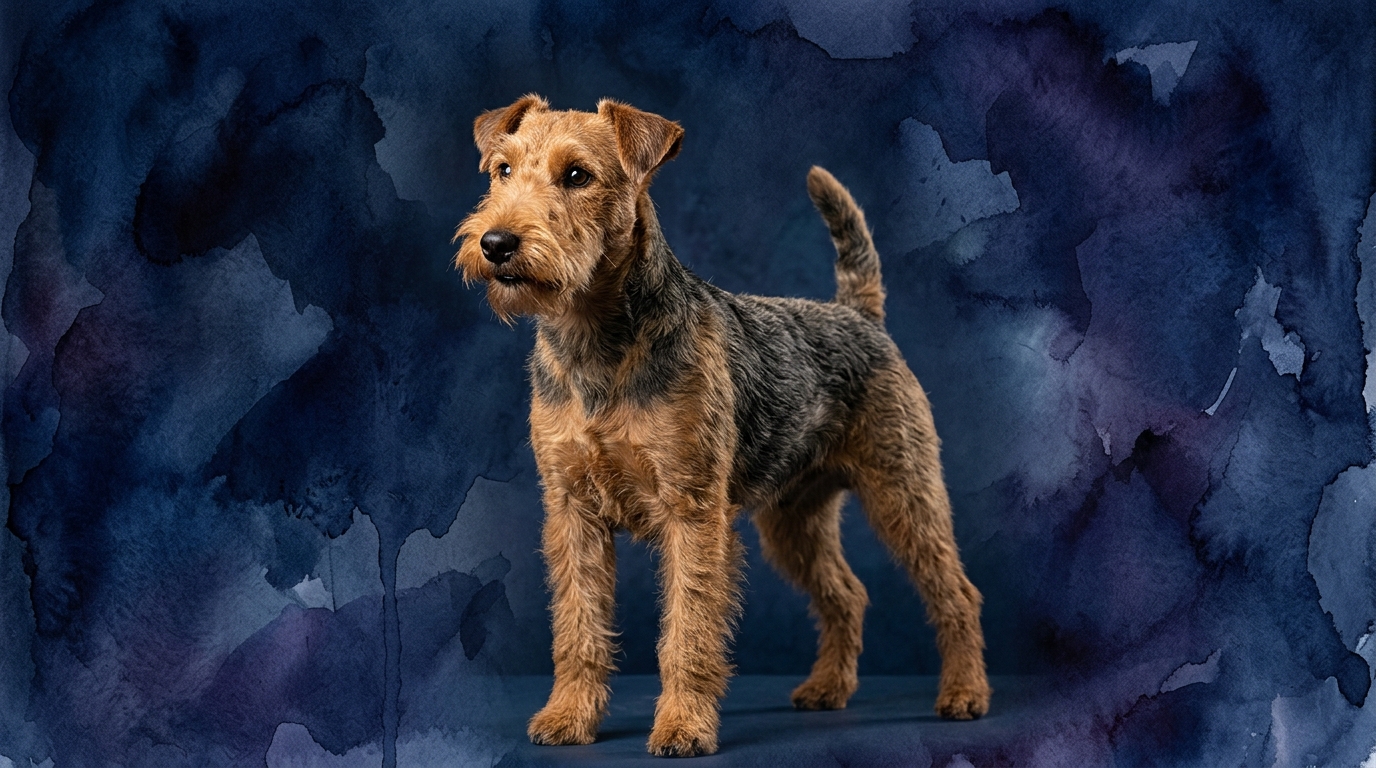
While both the Welsh Terrier and the Treeing Walker Coonhound register a 3/5 across problem-solving, training speed, social intelligence, instinctive drive, and memory, the manifestation of these scores is deeply rooted in their breed heritage. A 3/5 indicates a solid, functional level of cognitive ability, but the *application* of that ability varies considerably. For the Welsh Terrier, a breed developed to hunt badger, fox, and otter, their intelligence is often expressed through independent action and tenacious pursuit.
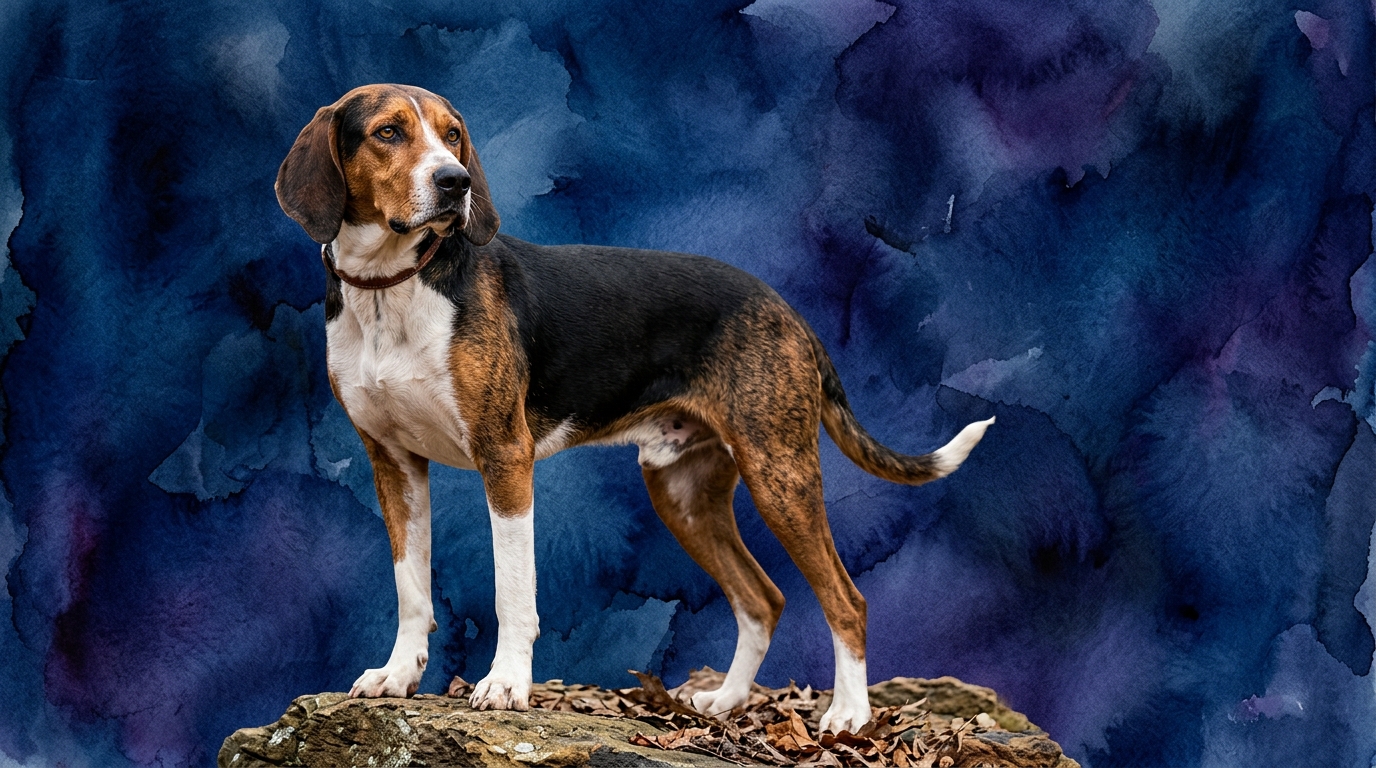
Conversely, the Treeing Walker Coonhound, bred to track and tree raccoons and other small game, applies its 3/5 cognitive capacity with an unwavering focus on scent and a remarkable endurance. Their problem-solving revolves around deciphering complex olfactory puzzles, while their social intelligence, though also 3/5, often leans towards cooperative efforts within a hunting pack, even if working independently of a human handler in the field. These identical numerical ratings, therefore, hide a wealth of behavioral divergence.
Where the Welsh Terrier's Cognition Shines
The Welsh Terrier's 3/5 problem-solving skill frequently manifests as a determined, self-directed approach to obstacles, particularly those related to accessing or pursuing a perceived 'quarry.' This terrier's cognitive strength lies in its ability to quickly assess a situation for opportunities to engage its prey drive, whether that's figuring out how to open a cupboard with treats or navigating a complex yard to find a squirrel. Their instinctive drive, also 3/5, fuels a tireless persistence, meaning once they fixate on a task, they apply their cognitive resources with singular focus until it's 'solved' to their satisfaction, often involving digging, chasing, or vocalization.
Their memory, rated 3/5, is particularly robust for locations of interest and previously successful tactics. A Welsh Terrier will remember where a favorite toy was hidden months ago or which route led to a particularly exciting scent. This strong memory, combined with their problem-solving, allows them to refine their strategies for achieving their goals, making them adept at learning the 'rules' of their environment and how to bend them. Their social intelligence, while not overly effusive, enables them to form strong bonds and understand household routines, using their charm to influence their human companions.
Where the Treeing Walker Coonhound's Cognition Excels
The Treeing Walker Coonhound's 3/5 problem-solving ability is profoundly specialized, centering on the intricate world of scent. They excel at deciphering, following, and isolating a specific scent trail amidst countless distractions, a cognitive feat requiring immense focus and discrimination. Their instinctive drive (3/5) is almost entirely dedicated to this pursuit, leading them to ignore visual cues or handler commands if a compelling scent is present. This specialized problem-solving isn't about outwitting a human; it's about expertly navigating a complex sensory landscape.
Their memory, also 3/5, is exceptional for scent patterns, terrain features, and the sequence of a hunt. A Coonhound can recall the specific scent signature of an animal and the path it took days later, a testament to their working intellect. This memory underpins their incredible tracking prowess. Their social intelligence (3/5) allows them to work effectively within a hunting pack, understanding the roles and signals of other dogs, and forming a deep, though often quiet, bond with their human handler, valuing companionship and shared purpose over constant interaction. They are capable of intricate communication with other hounds through their distinctive vocalizations, conveying progress on a trail.
Training Dynamics: Independence vs. Scent-Driven Focus
Despite both breeds having a 3/5 training speed, the 'ease' of training differs significantly due to their inherent drives. The Welsh Terrier's independence and strong prey drive mean that while they can learn commands quickly, their willingness to *perform* them can be highly situational. If a command conflicts with their current self-appointed mission (e.g., chasing a leaf), their selective hearing kicks in. Training requires patience, consistency, and making lessons feel like engaging games that appeal to their problem-solving nature, often involving high-value rewards to override their intrinsic motivations. Their terrier tenacity means they will test boundaries, requiring a firm yet fair approach.
The Treeing Walker Coonhound, also independent, presents a different training challenge. Their 3/5 training speed means they can grasp concepts, but their overwhelming instinctive drive for scent can make recall and off-leash work exceptionally difficult in stimulating environments. Once they lock onto a scent, the world outside that olfactory path ceases to exist for them. Training success hinges on engaging their natural drive, perhaps through scent work games, and establishing a robust foundation of positive reinforcement in low-distraction environments before gradually introducing more complex settings. Their vocalizations, while a characteristic trait, also require consistent training to manage in a home setting.
Lifestyle Match: Active Engagement vs. Expansive Exploration
For active owners, both breeds offer robust companionship, but their activity needs diverge. The Welsh Terrier, with its energetic 3/5 instinctive drive, thrives with owners who can provide consistent mental and physical stimulation through varied activities like agility, earthdog trials, or long, engaging walks that allow for sniffing and exploration. They need structured outlets for their problem-solving and prey drive to prevent them from inventing their own, potentially destructive, entertainment indoors. They are adaptable to city or country living, provided their needs for engagement are met daily.
The Treeing Walker Coonhound, also an active breed, requires a different kind of engagement. Their 3/5 instinctive drive demands expansive opportunities for scent work and sustained physical exertion, ideally in securely fenced areas or on long-line leashes in safe, rural environments where they can follow their noses. While they can be calm indoors after sufficient exercise, their need to 'work' their nose is non-negotiable for their well-being. They suit owners who appreciate long hikes, scent trailing, or even competitive tracking, and who understand that a Coonhound's relaxation often comes after a fulfilling 'hunt,' even if it's just a prolonged sniffari.
The Verdict: Choosing Your Canine Companion
The Verdict
Choose the Welsh Terrier if you seek an independent, tenacious companion who thrives on varied mental challenges and active, structured engagement, and you appreciate a dog with a strong, self-directed personality that requires consistent, positive guidance.
Opt for the Treeing Walker Coonhound if you are drawn to a devoted, scent-driven partner who excels in tracking and requires ample opportunity for expansive physical activity and olfactory exploration, and you are prepared to manage a powerful natural drive with patience and understanding.
🧠 Find Your Pet's IQ Score
Our Pet IQ Lab assessment covers 25+ tests across 5 cognitive dimensions — personalized to your breed.
Take the Full IQ Test →Frequently Asked Questions
Do Welsh Terriers and Treeing Walker Coonhounds learn new tricks at the same rate?
Both breeds have a 3/5 training speed, meaning they are capable of learning new commands at a moderate pace. However, the Welsh Terrier's independent nature might make them more selective about *when* they choose to demonstrate what they've learned, while the Coonhound's profound scent drive can easily override commands if a compelling smell is present.
Which breed is better for an owner who enjoys long walks in the woods?
A Treeing Walker Coonhound would likely revel in long walks in the woods, as this environment caters perfectly to their powerful scenting instincts and desire for expansive exploration. A Welsh Terrier would also enjoy such walks, but their focus might be more on quick bursts of chase and investigation rather than sustained scent following.
Are either of these breeds prone to destructive behavior if not mentally stimulated?
Yes, both breeds, with their 3/5 instinctive drive and problem-solving abilities, require consistent mental and physical outlets. A Welsh Terrier might resort to digging or chewing if bored, while a Treeing Walker Coonhound might become restless, vocal, or attempt to 'hunt' indoors if their profound need for scent work and exercise is not adequately met.