Side-by-side IQ profile
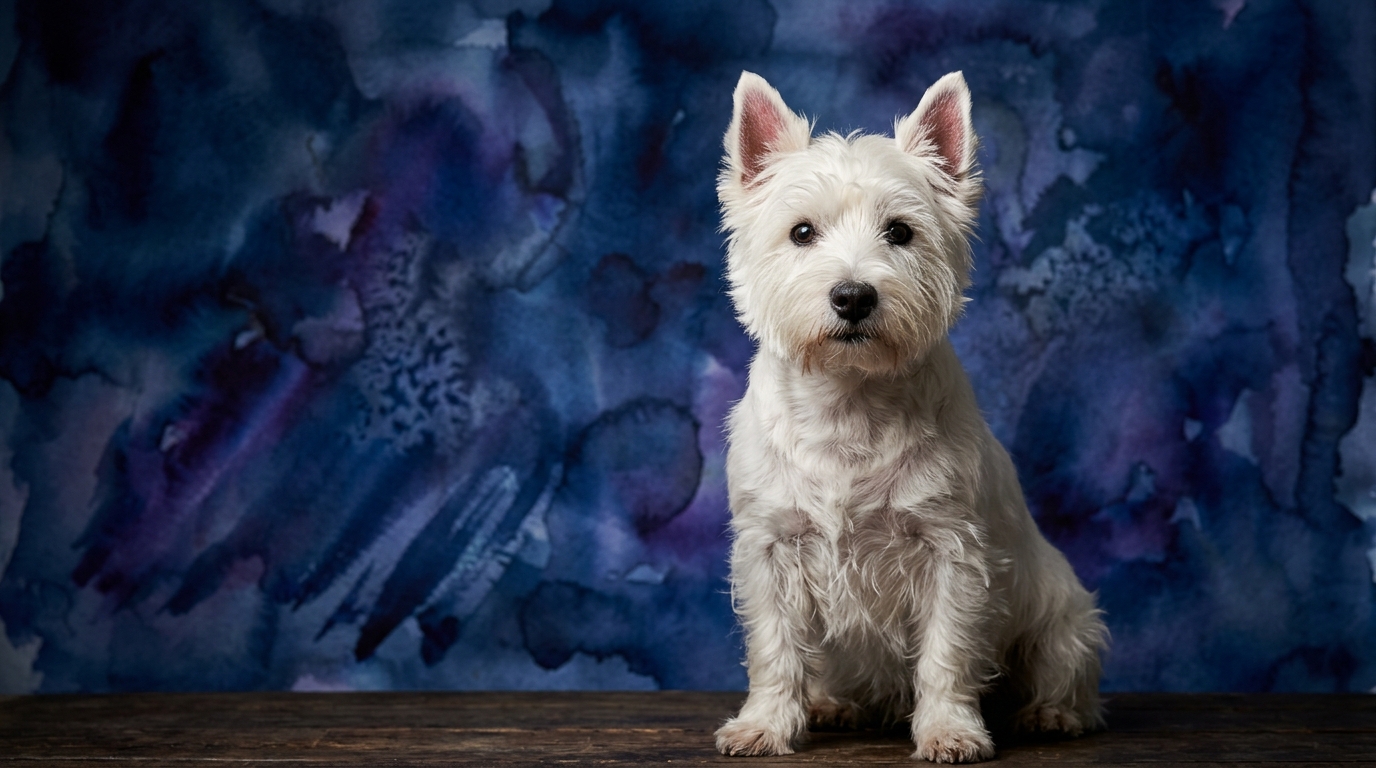
The West Highland White Terrier (Westie), a spirited Terrier ranked #47 by Coren, presents a balanced intellectual profile with a notable strength in memory. Its Problem Solving score of 3/5 indicates a moderate capacity to navigate new challenges and figure out solutions independently, reflecting a terrier's inherent resourcefulness. Training Speed also stands at 3/5, suggesting a reasonable pace for learning new commands, though their independent streak can sometimes influence consistency. Social Intelligence, at 3/5, means Westies can generally read human cues and adapt in social settings, but might require consistent exposure to refine these skills. Their Instinctive Drive, also 3/5, highlights a moderate urge to perform breed-specific behaviors like digging or chasing, a trait rooted in their history as vermin hunters. The Westie's Memory, however, truly shines at 4/5, indicating an excellent ability to recall learned behaviors, routines, and past experiences, which is a significant asset in training and daily life.
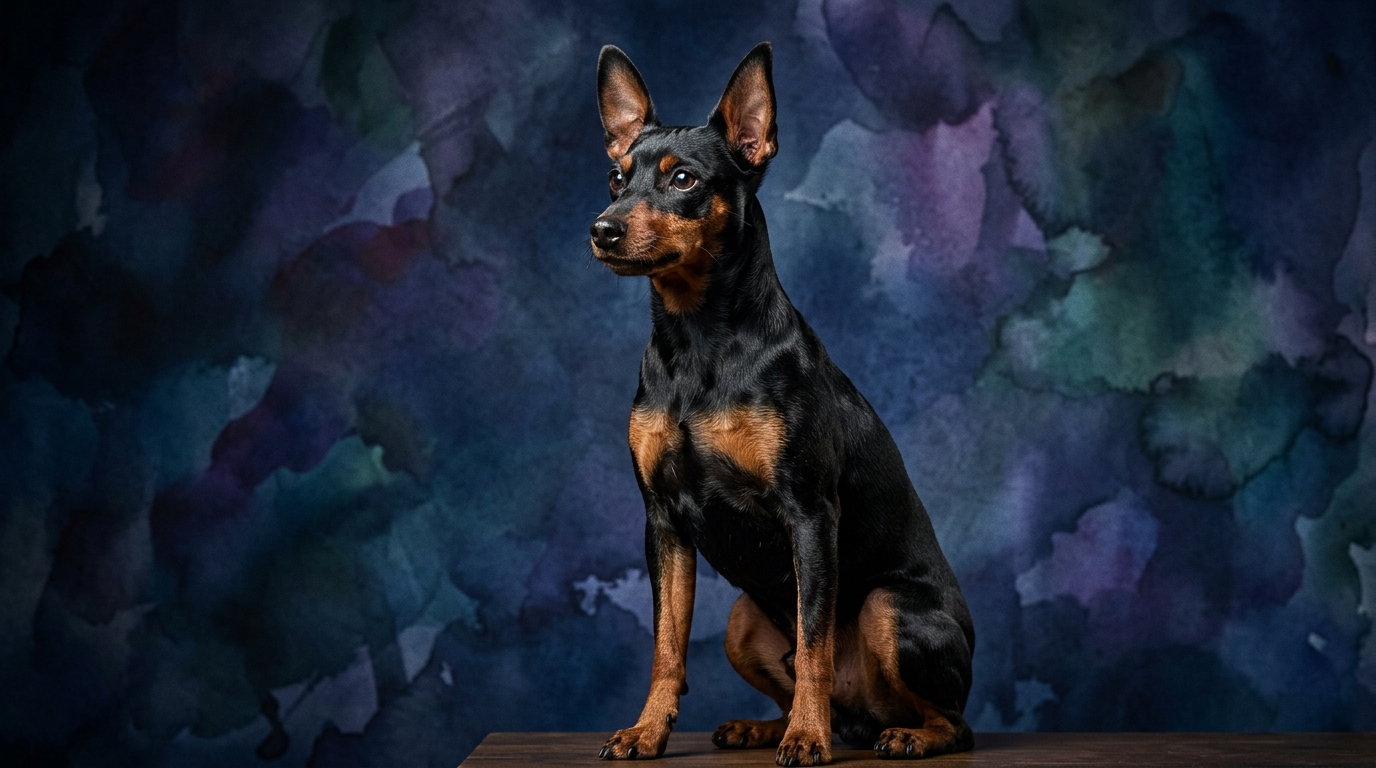
While not listed on Coren's ranking, the Miniature Pinscher (Min Pin), a lively Toy breed, consistently scores 3/5 across most cognitive dimensions. Their Problem Solving ability at 3/5 means they are moderately capable of figuring out novel situations, often relying on their sharp observational skills. Training Speed is also 3/5, suggesting they learn at a similar pace to Westies, though their spirited nature might present different training challenges. Social Intelligence, rated 3/5, indicates they can understand and respond to social cues, often forming strong bonds with their primary caregivers, though they can be reserved with strangers. Their Instinctive Drive, also 3/5, manifests as a strong prey drive and a vigilant nature, stemming from their "King of Toys" heritage and role as alert protectors. The Min Pin's Memory score of 3/5 shows a solid ability to retain information, sufficient for daily commands and routines, but perhaps not as consistently robust as the Westie's.
Where West Highland White Terrier wins cognitively
The West Highland White Terrier distinctly edges out the Miniature Pinscher in one key cognitive area: Memory, scoring 4/5 compared to the Min Pin's 3/5. This superior recall capability means a Westie is generally more adept at retaining complex sequences of commands, remembering specific routines, and recalling past experiences, whether positive or negative. For an owner, this translates into a dog that can master a wider repertoire of tricks and behaviors more reliably over time, and remember household rules with greater consistency. For instance, a Westie might remember a specific hidden treat location or a rarely used command after a longer period, making them excellent candidates for advanced obedience or agility where sequence memory is crucial. This enhanced memory also aids in reinforcing desired behaviors, as they are more likely to connect a specific action with its consequence, streamlining the learning process once the initial concept is grasped.
Where Miniature Pinscher wins cognitively
Based on provided cognitive metrics, the Miniature Pinscher doesn't explicitly outperform the West Highland White Terrier in any single dimension, with both breeds scoring similarly across most traits and the Westie having an edge in Memory. However, the Min Pin's consistent 3/5 across multiple areas, combined with its alert nature, positions it as a "winner" for owners seeking a consistently capable companion in specific environments. Their robust 3/5 Instinctive Drive, coupled with their "King of Toys" personality, translates into exceptional vigilance and keen awareness, making them superior watchdogs despite their size. Their cognitive profile also makes them highly adaptable to urban living, where their social intelligence and moderate problem-solving skills allow them to navigate diverse public settings with confidence. This consistent learning speed and social aptitude mean they are readily trainable for companionship roles, thriving on interaction and mental engagement within a close-knit family.
Which is easier to train and why
Both the West Highland White Terrier and the Miniature Pinscher share a Training Speed score of 3/5, suggesting a similar inherent capacity to learn new commands. However, the *experience* of training each breed can differ significantly due to their distinct behavioral predispositions. Westies, as terriers, possess a strong independent streak and a historical purpose of working autonomously, which can manifest as stubbornness or a tendency to prioritize their own agenda. This means while they *can* learn quickly, consistency, patience, and making training highly rewarding are paramount to overcome their independent nature. Conversely, Miniature Pinschers, while spirited and sometimes willful, often have a strong desire to engage with their primary human, which can be leveraged in training. Their vigilance and high energy can make focus challenging, but their quick wit and desire for interaction mean they respond well to positive reinforcement and varied sessions. Therefore, the Westie might require more strategic motivation to commit, whereas the Min Pin might need more structure to channel its boundless energy and focus.
Which suits active owners vs relaxed owners
The choice between a Westie and a Min Pin often comes down to an owner's lifestyle and tolerance for inherent breed drives. West Highland White Terriers, with their Terrier heritage and a 3/5 Instinctive Drive, are generally better suited for active owners. They thrive on regular exercise, including brisk walks, engaging play, and opportunities to explore and sniff. Their moderate instinctive drive benefits from outlets for digging or chasing, which can be channeled into appropriate activities. A relaxed owner might find a Westie's energy challenging without sufficient mental and physical stimulation. Miniature Pinschers also possess a 3/5 Instinctive Drive and are known for their boundless energy. They enjoy activity and benefit from regular walks and playtime, making them suitable for active owners. However, their smaller stature often means exercise needs can be met in more confined spaces or through indoor play, making them more adaptable to slightly less active or urban lifestyles than the Westie. A relaxed owner committed to daily engagement, but with less emphasis on rugged outdoor adventures, might find the Min Pin a more manageable fit.
The Verdict
Choose the West Highland White Terrier if you value superior memory for complex training, enjoy an independent yet affectionate companion, and can provide consistent engagement for its moderate terrier drive. They thrive with active owners who appreciate their spirited nature and can channel their instincts into positive outlets.
Opt for the Miniature Pinscher if you seek a vigilant, spirited companion that adapts well to various living situations, appreciates consistent training, and offers a strong bond with its family. They are a good fit for owners who can provide consistent mental stimulation and manage their energetic "King of Toys" personality.
🧠 Find Your Pet's IQ Score
Our Pet IQ Lab assessment covers 25+ tests across 5 cognitive dimensions — personalized to your breed.
Take the Full IQ Test →Frequently Asked Questions
Does the Westie's higher memory score make it inherently "smarter" than the Min Pin?
Not necessarily "smarter" overall, but it does indicate a stronger capacity for recall and retention of information. While the Min Pin's memory is solid, the Westie's advantage in this area can make learning complex sequences or long-term behavioral consistency more fluid for them. Both breeds possess practical intelligence adapted to their respective roles.
Given their similar training speed, are both breeds equally easy for a first-time dog owner?
While their training speed scores are similar, their breed-specific temperaments influence the *ease* of training. A Westie's terrier independence might be more challenging for a novice, requiring consistent, firm, but positive guidance. A Min Pin's spirited energy and potential for stubbornness also require a committed owner, so neither is a "beginner" dog without dedicated effort.
How do their instinctive drives manifest differently in a home environment?
The Westie's 3/5 instinctive drive often manifests as a desire to dig, chase small animals, and explore scents, requiring secure outdoor spaces or structured activities to satisfy these urges. The Min Pin's 3/5 instinctive drive typically presents as heightened vigilance, barking at perceived threats, and a strong prey drive towards small, fast-moving objects, making them excellent watchdogs but requiring management around other pets.