Side-by-Side Pet IQ Lab Profile
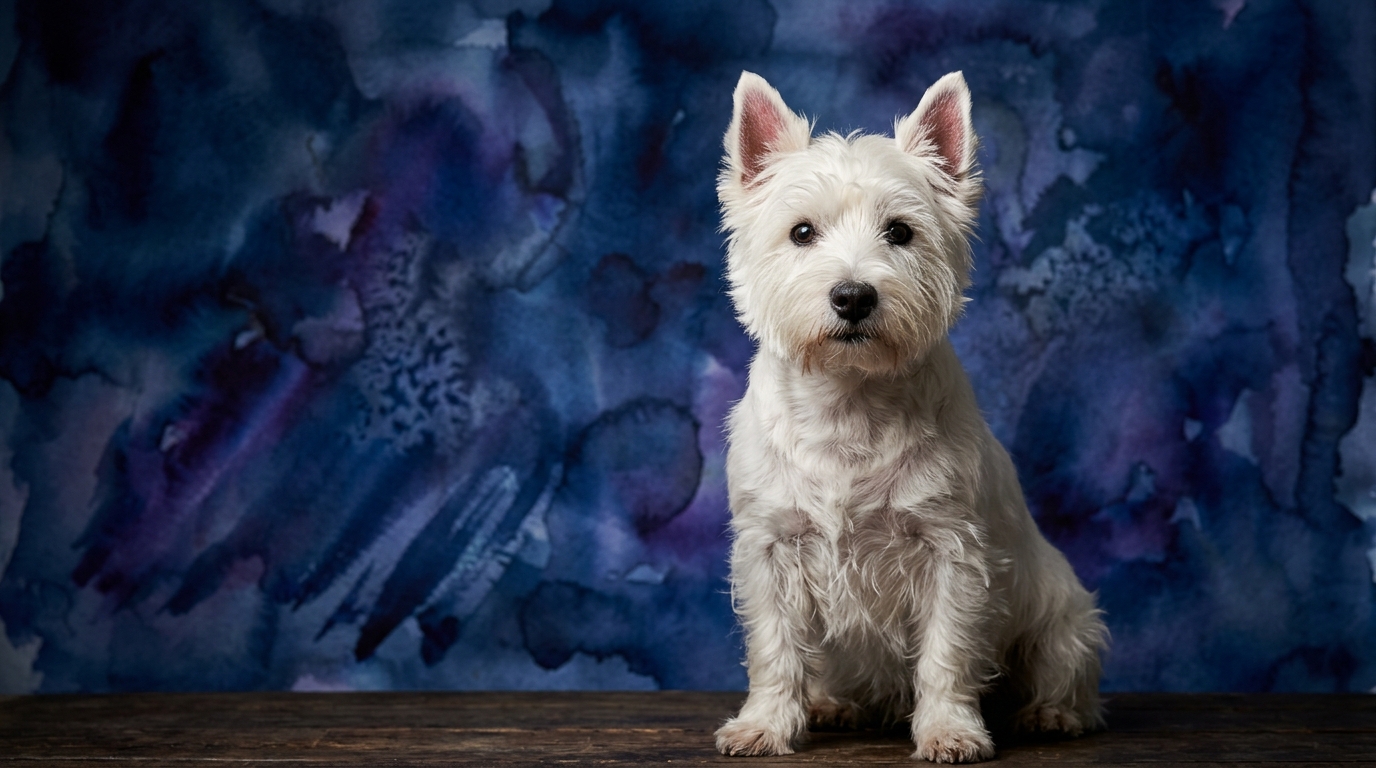
The West Highland White Terrier, a spirited Terrier group member, registers a Coren rank of #47, placing them in the average working/obedience intelligence category. Their cognitive profile shows Problem Solving at 3/5, indicating a resourceful nature capable of navigating challenges with tenacity. Training Speed is also 3/5, suggesting they grasp new commands at a moderate pace, often requiring consistent, positive reinforcement to overcome their independent streak. Social Intelligence stands at 3/5, reflecting an ability to form strong bonds with their human companions while sometimes displaying a discerning or opinionated interaction style. Their Instinctive Drive is 3/5, primarily manifesting as a pronounced prey drive and an enjoyment of digging. Notably, their Memory scores 4/5, indicating a strong capacity for retaining complex sequences, routines, and commands over extended periods.
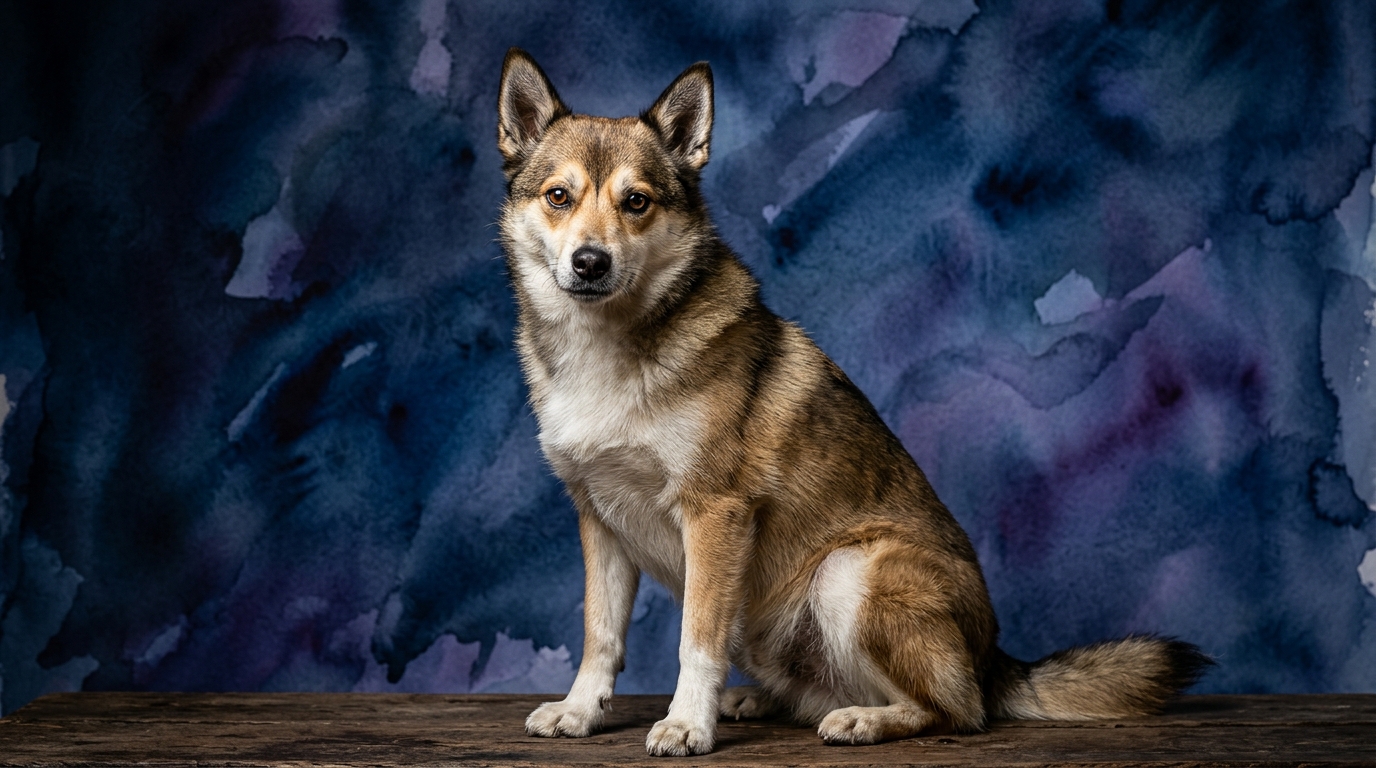
In contrast, the Norwegian Lundehund, a unique Non-Sporting breed, is not Coren-ranked, hinting at a more specialized cognitive makeup that doesn't fit conventional obedience metrics. Their Problem Solving is 3/5, characterized by an innovative approach to navigating complex physical environments, often involving agile thinking to overcome obstacles. Training Speed is 3/5, meaning they learn new tasks at a similar pace to the Westie but may require motivation beyond simple compliance, appealing to their unique motivations. Social Intelligence is 3/5, showing they develop deep, loyal bonds with their families, though they can be more reserved or cautious with strangers. Their Instinctive Drive is 3/5, but it's distinct, encompassing a unique climbing and foraging drive honed for puffin hunting in rugged terrain. Their Memory scores 3/5, suggesting they retain practical, physically-oriented skills effectively but might require more frequent reinforcement for abstract concepts or complex obedience routines.
Where the West Highland White Terrier Wins Cognitively
The West Highland White Terrier demonstrates a clear cognitive advantage in memory retention, scoring 4/5 compared to the Lundehund's 3/5. This higher memory score translates into a greater capacity for recalling commands, routines, and past experiences, making them generally more consistent in obedience and trick learning over time. A Westie is more likely to remember a learned command weeks later with minimal prompting, streamlining ongoing training efforts.
Furthermore, their Coren rank of #47, while not a direct IQ score, suggests a more conventional 'working intelligence' compared to the unranked Lundehund. This implies Westies are often quicker to form associations between cues and desired actions in traditional obedience contexts. Their terrier tenacity, coupled with superior memory, means they will often persist in problem-solving tasks, drawing on remembered strategies to achieve their goals, whether it’s figuring out a puzzle toy or navigating a familiar obstacle course.
Where the Norwegian Lundehund Wins Cognitively
The Norwegian Lundehund's cognitive strength lies in its specialized spatial intelligence and unique physical problem-solving abilities, traits deeply rooted in its history of hunting puffins in challenging coastal environments. Their remarkable anatomical flexibility—including extra toes, flexible shoulder joints, and the ability to fold their ears shut—is not merely physical; it reflects a cognitive adaptation for assessing and navigating complex, often vertical, terrain with unparalleled precision. This breed exhibits an extraordinary capacity for body awareness and environmental manipulation, a distinct form of practical intelligence.
While their general memory score is slightly lower, their 3/5 problem-solving ability, combined with their unique instinctive drive, means they excel at tasks requiring innovative physical solutions. A Lundehund can meticulously plan a climbing route up a challenging structure or find novel ways to squeeze into tight spaces, demonstrating a sophisticated understanding of their physical world. This specialized agility and spatial reasoning represents a cognitive edge in assessing and conquering intricate physical obstacles that other breeds might find impossible.
Which is Easier to Train and Why
When considering ease of training, the West Highland White Terrier generally presents a more straightforward path for many owners, largely due to their higher memory score and established Coren ranking. A Westie's 4/5 memory means they retain commands and routines more effectively over time, requiring fewer repetitions for long-term retention. Their 3/5 training speed, combined with this memory, allows for consistent progress in foundational obedience and trick training, provided the methods are engaging and consistent. However, their terrier independence and 3/5 instinctive drive (prey drive) mean they require a firm, fair, and positive reinforcement approach to channel their focus away from distractions and towards the task at hand, as they are not always naturally compliant.
The Norwegian Lundehund, with its 3/5 training speed and 3/5 memory, might require more patience and creative motivation. Their unique instinctive drives, geared towards exploration and physical challenges, may not align with conventional obedience goals, making 'sit' and 'stay' less intrinsically rewarding for them. Being unranked by Coren suggests they might not respond as readily to standard training protocols and could take more repetitions to achieve reliable obedience. Training a Lundehund often benefits from incorporating activities that tap into their natural curiosity and physical prowess, such as agility or scent work, rather than relying solely on traditional command-and-reward systems to foster engagement and learning.
Which Suits Active Owners vs. Relaxed Owners
The West Highland White Terrier suits active owners who can provide consistent daily engagement and mental stimulation. While adaptable to various living situations, their 3/5 instinctive drive and inherent terrier energy mean they are not content with minimal activity. They thrive on structured walks, interactive play sessions, and opportunities for scent work or digging in designated areas to satisfy their natural inclinations. A Westie needs daily outlets to prevent boredom and channel their intelligence, making them a good fit for individuals or families who enjoy regular outdoor activities and can commit to consistent mental enrichment. They can be relaxed indoors, but only after their physical and cognitive needs have been adequately met.
The Norwegian Lundehund, with its specialized physical and cognitive attributes, is best suited for highly active and dedicated owners who embrace unique breed needs. Their history as puffin hunters in rugged terrain has shaped a dog that requires extensive opportunities for climbing, exploring, and engaging their incredible agility. Simple walks are often insufficient; Lundehunds truly thrive with varied terrains, hiking, agility courses, and puzzle toys that challenge their specialized spatial reasoning and physical problem-solving skills. An owner who is relaxed or unable to provide consistent, creative outlets for their unique physical and mental energy would find it challenging to meet the needs of this fascinating and demanding breed.
The Verdict: When to Choose Each Breed
The Verdict
Choose the West Highland White Terrier if you desire a spirited companion with a strong memory for commands and routines, capable of consistent obedience, and enjoy a confident terrier personality that thrives on engaging, structured activities.
Opt for the Norwegian Lundehund if you are a highly active owner fascinated by unique canine adaptations, prepared to provide extensive opportunities for climbing, exploration, and creative problem-solving that tap into their specialized physical and spatial intelligence.
🧠 Find Your Pet's IQ Score
Our Pet IQ Lab assessment covers 25+ tests across 5 cognitive dimensions — personalized to your breed.
Take the Full IQ Test →Frequently Asked Questions
Is a Westie or Lundehund better for a first-time dog owner?
A Westie might be slightly more manageable for a first-time owner due to their higher memory score and Coren ranking, implying a more straightforward training process for general obedience. Lundehunds, with their specialized needs and unique cognitive profile, often benefit from experienced handlers who understand their specific motivations and exercise requirements.
Do Westies and Lundehunds get along with other pets?
Both breeds can coexist with other pets, but their instinctive drives require careful management. Westies, with their terrier prey drive, might need supervision around smaller animals like hamsters or cats. Lundehunds are generally amenable but their unique play style or reserved nature might require slow, controlled introductions to ensure harmonious multi-pet households.
What kind of mental stimulation do these breeds need?
Westies thrive on puzzle toys, scent work, and consistent training to challenge their memory and problem-solving, enjoying activities like 'find it' games or learning new tricks. Lundehunds require physical challenges like agility courses, climbing structures, and foraging games that tap into their specialized spatial reasoning and instinctive hunting behaviors, encouraging them to think creatively about their environment.