Side-by-Side Cognitive Profile
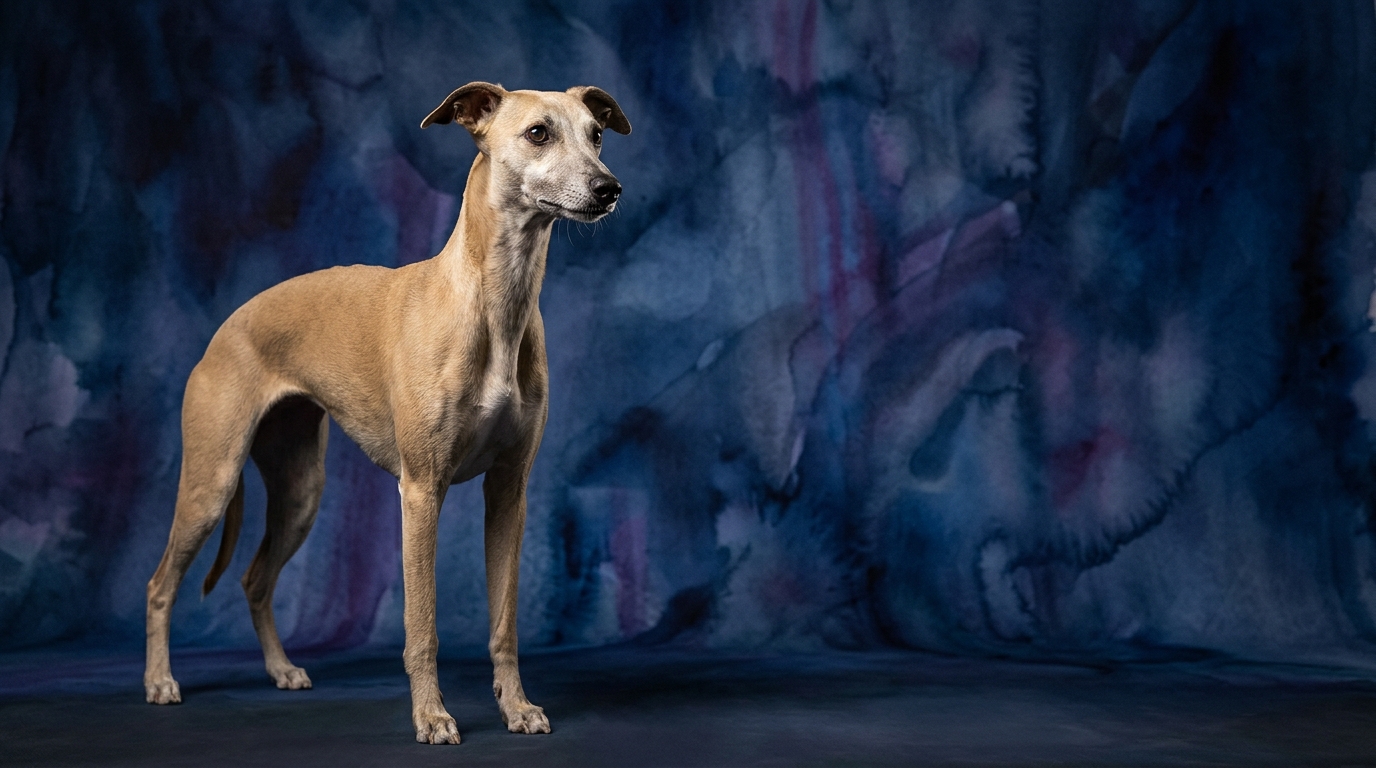
The Whippet, a sighthound breed, presents a distinct cognitive makeup. Their Problem Solving is rated 3/5, indicating a moderate capacity for navigating novel challenges, often preferring direct solutions over intricate ones. Training Speed is 2/5, influenced by their independent nature and a lower intrinsic motivation for repetitive tasks, requiring patience and positive reinforcement. Social Intelligence stands at 4/5, showing exceptional attunement to human cues and emotional states, forming deep, empathetic bonds. Instintive Drive is a powerful 5/5, primarily manifesting as an intense prey drive and an innate desire to run, which profoundly shapes their behavior. Memory is 3/5, an average retention for routines, commands, and familiar faces, without a strong emphasis on complex sequence recall.
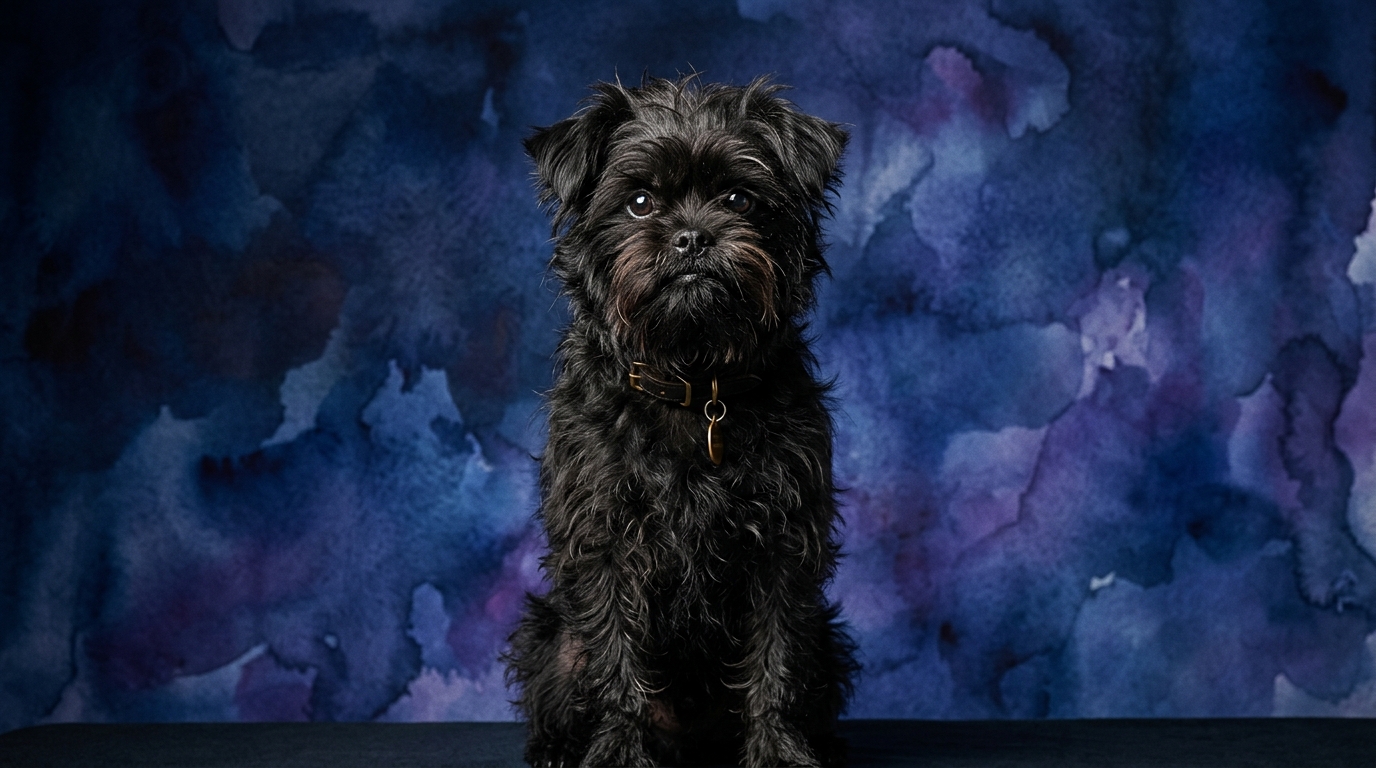
The Affenpinscher, a spirited toy breed, exhibits a different set of cognitive strengths. Their Problem Solving is 3/5, demonstrating a moderate ability to tackle issues, often with a tenacious, clever approach to achieve their desires. Training Speed is 3/5, suggesting an average willingness to learn new commands, especially when motivated by treats or play, though their independent streak can appear. Social Intelligence is 3/5, indicating they form strong attachments to their families and grasp basic social cues, but might be reserved with strangers. Instintive Drive is 3/5, a moderate expression often seen as protectiveness towards their family and curiosity, retaining some terrier-like alertness without the intense prey drive of a sighthound. Memory is 3/5, an average capacity for recalling routines, learned behaviors, and familiar people or places, aiding their adaptation to home life.
Where the Whippet Shines Cognitively
The Whippet's cognitive profile truly shines in areas demanding emotional depth and primal instinct. Their outstanding social intelligence (4/5) means they are exceptionally attuned to the subtle shifts in human emotion and body language, often predicting their owner's needs or moods with remarkable accuracy. This makes them profoundly empathetic companions, capable of offering quiet comfort without needing explicit cues, fostering a deep, almost intuitive connection. Furthermore, their instinctive drive (5/5) is an unparalleled force, a testament to centuries of selective breeding for speed and chase. This isn't just about physical prowess; it’s a deeply embedded cognitive program that drives their focus and motivation in outdoor environments. While it presents training challenges, it also means a Whippet is intensely aware of movement and potential 'prey' in their surroundings, demonstrating a highly specialized form of environmental awareness and a singular focus when their drive is engaged. Their cognitive strength lies in this sensitive attunement to their human pack and their unwavering, instinct-driven pursuit of movement.
Where the Affenpinscher Shows Cognitive Strengths
The Affenpinscher's cognitive advantages emerge in their balanced approach to practical learning and their moderate, yet persistent, drive. Unlike the Whippet, whose training speed is lower due to independence, the Affenpinscher boasts an average training speed (3/5), indicating a more consistent willingness to engage in structured learning sessions. This suggests a greater adaptability to varied training methods and a quicker grasp of new commands when properly motivated, making them generally responsive to an owner's efforts. Their problem-solving ability, also rated 3/5, often manifests with a terrier-like determination. While not necessarily outsmarting complex puzzles with abstract logic, they are resourceful in finding ways to achieve their desires, whether it’s nudging a gate open or charming their way into an extra treat through clever manipulation. This moderate, practical intelligence, combined with an average instinctive drive (3/5), allows them to integrate new information and adapt to diverse domestic situations with less resistance than their sighthound counterpart, making them generally more flexible in learning everyday household rules and tricks and applying them effectively.
Ease of Training: Whippet vs. Affenpinscher
When considering ease of training, the Affenpinscher generally presents a more straightforward experience than the Whippet, primarily due to their differing training speeds and instinctive drives. The Affenpinscher’s training speed (3/5) suggests a reasonable aptitude for learning and a willingness to engage in structured sessions, particularly when food or positive reinforcement is involved. Their moderate instinctive drive (3/5) means they are less likely to be overwhelmingly distracted by environmental stimuli, allowing for more focused attention during lessons. They are often motivated by interaction and can be quite eager to please their human companions, making them responsive to consistent guidance and generally more predictable in their learning curve. In contrast, the Whippet's training speed (2/5) indicates a slower uptake, often stemming from their inherent independence and a lower tolerance for repetitive drills. Their exceptionally high instinctive drive (5/5) means that any fleeting movement or distant scent can instantly override a training command, demanding immense patience and specialized techniques to maintain focus. While both breeds are capable of learning, the Affenpinscher's balanced cognitive profile generally leads to a more predictable and less challenging training journey for the average owner, especially in environments with many distractions.
Matching Breeds to Owner Lifestyles
The choice between a Whippet and an Affenpinscher heavily depends on an owner’s lifestyle and energy levels, aligning with their respective cognitive and physical needs. Active owners, who relish regular outdoor excursions and appreciate the beauty of a dog in motion, would find a strong connection with a Whippet. Their extreme instinctive drive (5/5) for running and chasing means they thrive with opportunities for vigorous, safe sprints in enclosed areas. While they enjoy lounging indoors and are famously calm house dogs, their mental and physical well-being is deeply tied to fulfilling their sighthound instincts, making them ideal for individuals who enjoy jogging, lure coursing, or simply supervising spirited play sessions in a secure environment. Conversely, relaxed owners who prefer a less demanding exercise routine and more consistent indoor companionship might find the Affenpinscher a better fit. With a moderate instinctive drive (3/5) and a general preference for being near their people, Affenpinschers are content with daily walks and indoor play, thriving in environments where they can be central to family life without requiring extensive outdoor adventures. Their cognitive profile lends itself to a more adaptable and less physically intense daily rhythm, making them suitable for apartment living or less active households.
The Verdict
Choose a Whippet if you are an active individual or family who understands and can safely accommodate a profound instinctive drive for speed and chase, valuing a deeply empathetic, quiet companion after their exercise needs are met. They flourish with owners who appreciate their sighthound nature and are patient with their independent learning style.
Opt for an Affenpinscher if you seek a spirited, clever companion who integrates readily into a less demanding lifestyle, offering consistent engagement and a moderate willingness to learn. They are well-suited for owners who appreciate a confident, amusing presence and can provide regular, stimulating mental and physical activity without extreme athletic requirements.
🧠 Find Your Pet's IQ Score
Our Pet IQ Lab assessment covers 25+ tests across 5 cognitive dimensions — personalized to your breed.
Take the Full IQ Test →Frequently Asked Questions
Are Whippets difficult to train due to their lower training speed?
Whippets are not inherently difficult, but their training speed of 2/5 means they require more patience and consistent, positive reinforcement. Their independence and strong instinctive drive can make them seem distracted, so engaging them with high-value rewards and making training fun is essential for success, focusing on short, engaging sessions.
How does the Affenpinscher's social intelligence compare to other toy breeds?
The Affenpinscher's social intelligence of 3/5 is typical for many toy breeds, indicating they form strong bonds with their family but can be reserved with strangers or new situations. They understand household dynamics well but may not exhibit the same broad social adaptability or immediate warmth as some other highly gregarious companion breeds, often taking time to assess new acquaintances.
Can a Whippet and an Affenpinscher live together harmoniously despite their different drives?
Yes, they absolutely can, especially with proper introductions and management. While their instinctive drives differ, their social intelligence allows them to adapt to household dynamics and form affectionate bonds. Owners must ensure both breeds have their individual needs met, particularly the Whippet's need for vigorous, safe exercise and the Affenpinscher's preference for close companionship and mental stimulation, to maintain a balanced household.