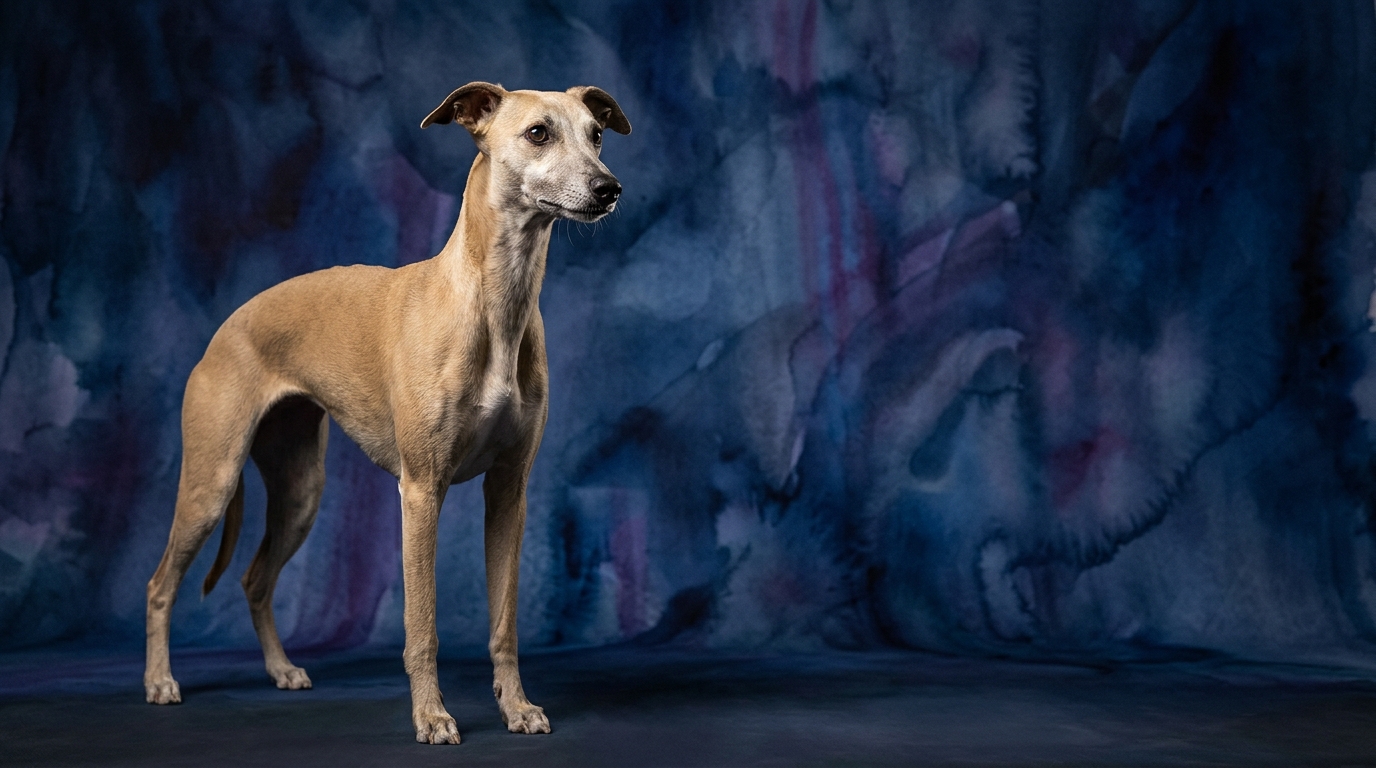
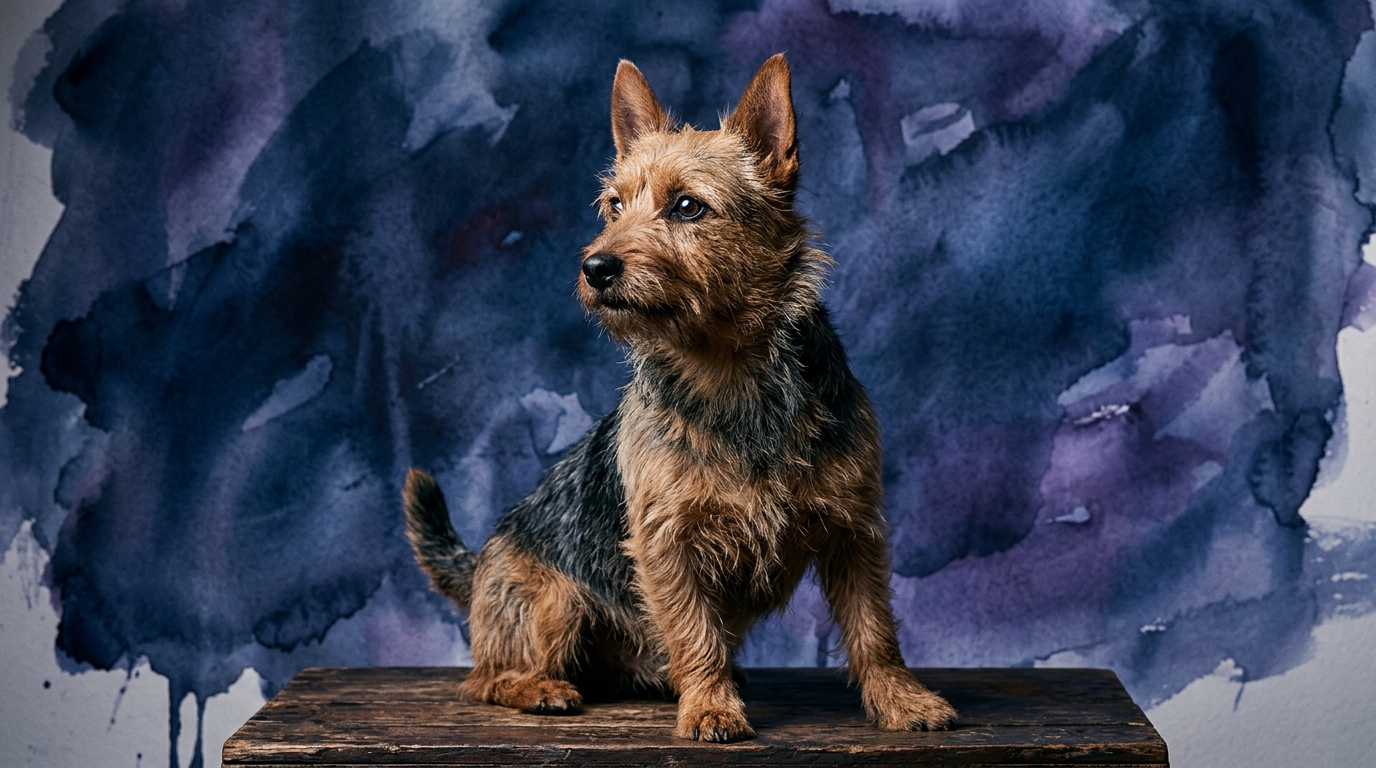
Side-by-Side Cognitive Profile
At The Cosmic Pet Pet IQ Lab, we assess canine intelligence across five key dimensions. For the Whippet, a sighthound ranked #51 by Coren, its profile highlights specific strengths and areas for owner understanding.
Whippet Cognitive Dimensions:
Problem Solving (3/5): Whippets demonstrate practical intelligence, capable of navigating their environment and devising strategies for their primary drive – pursuit. Their problem-solving often manifests in spatial awareness and efficient movement rather than complex puzzle-solving.
Training Speed (2/5): Whippets can be independent thinkers, preferring to engage in activities that align with their inherent desires. Repetitive obedience drills might not capture their attention as readily, requiring patient and reward-based methods to see consistent learning.
Social Intelligence (4/5): These dogs often display a high degree of social awareness, easily adapting to household routines and picking up on human emotional cues. They form strong bonds with their families and can be quite sensitive to their social environment.
Instinctive Drive (5/5): The Whippet's instinctive drive is exceptionally strong, focused primarily on chase and capture. This manifests as a powerful urge to pursue moving objects, a core aspect of their sighthound heritage.
Memory (3/5): Whippets possess a functional memory, retaining routines, familiar people, and learned commands adequately. Their recall for specific events or complex sequences, however, is not a standout cognitive trait.
The Australian Terrier, a robust terrier breed not Coren-ranked, presents a different set of cognitive strengths shaped by its working background.
Australian Terrier Cognitive Dimensions:
Problem Solving (3/5): Australian Terriers exhibit a practical, task-oriented problem-solving ability, particularly concerning navigating challenging terrains or outwitting small prey. Their intelligence is geared towards overcoming physical obstacles rather than abstract concepts.
Training Speed (3/5): These terriers typically learn new commands at a moderate pace, often eager to please their owners when properly motivated. While they can be tenacious, their willingness to engage in training is generally higher than some more independent breeds.
Social Intelligence (3/5): Australian Terriers are generally sociable within their family unit, but can be more reserved or wary with strangers. They adapt well to family dynamics but may require more careful socialization to ensure broad comfort in diverse social settings.
Instinctive Drive (3/5): The Australian Terrier's instinctive drive is rooted in their terrier heritage, encompassing a moderate urge to hunt, dig, and explore. This drive is persistent and purposeful, aimed at engaging with their environment and potential "prey."
Memory (3/5): Similar to Whippets, Australian Terriers have a reliable memory for routines, commands, and the people they interact with regularly. Their memory serves their daily needs and training endeavors effectively without being exceptional.
Where the Whippet Wins Cognitively
Whippets excel notably in social intelligence, scoring a 4/5 compared to the Australian Terrier's 3/5. This indicates a greater aptitude for understanding human social cues, adapting to varied household dynamics, and forming nuanced emotional connections. They often display an intuitive grasp of their human companions' moods and intentions, making them remarkably empathetic and responsive family members.
Furthermore, the Whippet's instinctive drive, rated at a powerful 5/5, represents a cognitive specialization that the Australian Terrier (3/5) does not match. This isn't just about speed; it reflects an unparalleled focus and processing speed for visual stimuli related to movement and pursuit. Their brains are wired for rapid assessment of velocity, trajectory, and opportunity in a chase, a highly specific and refined form of operational intelligence. This intense focus allows them to execute their primary function with extraordinary precision.
Where the Australian Terrier Wins Cognitively
The Australian Terrier demonstrates a cognitive edge in training speed, scoring a 3/5 compared to the Whippet's 2/5. This difference suggests a more intrinsic willingness to engage with and retain structured learning, often driven by a desire to please and a robust work ethic. While not the fastest learners, their consistent application to tasks and adaptability make them more amenable to varied training regimens.
Their instinctive drive, while rated lower than the Whippet's at 3/5, presents a cognitive advantage in its broader applicability and adaptability. Unlike the Whippet's highly specialized chase drive, the Australian Terrier's drive encompasses a more generalized curiosity, digging instinct, and problem-solving for small game. This versatility allows them to apply their innate drives to a wider range of activities and challenges, from earthdog trials to agility, without the singular focus of a sighthound. Their cognitive framework is geared towards persistent, multi-faceted engagement with their environment.
Training Aptitude: Whippet vs. Australian Terrier
Based on their respective training speed scores, the Australian Terrier (3/5) generally presents an easier training experience than the Whippet (2/5). Australian Terriers often possess a tenacious spirit combined with an eagerness to interact and work alongside their human companions. They respond well to positive reinforcement and can be quite motivated by food or play, making them more receptive to learning new commands and behaviors. While they can exhibit typical terrier stubbornness, their desire for engagement often outweighs their independence, provided training is consistent and stimulating.
Whippets, in contrast, can be more challenging to train due to their independent nature and a strong preference for self-directed activities, particularly those involving chase. Their lower training speed score reflects a potential disinterest in repetitive drills or tasks that don't immediately appeal to their intrinsic motivations. Owners often find that Whippets require more patience, creativity, and high-value rewards to maintain their focus. Their powerful instinctive drive for pursuit can also make recall training particularly demanding in open spaces, as their attention can be instantly diverted by a moving object, overriding learned commands. Effective training for a Whippet often involves understanding and channeling their natural instincts rather than trying to suppress them.
Lifestyle Suitability: Active vs. Relaxed Owners
The Whippet, despite their reputation as elegant athletes, surprisingly suits both truly active and genuinely relaxed owners, though in different contexts. For active owners, Whippets offer bursts of incredible speed and enjoy lure coursing or sprint sessions, satisfying their powerful instinctive drive. However, once their physical needs are met, they transform into remarkably calm and relaxed house companions, often content to nap on a sofa for hours. Their lower training speed means they don't constantly demand mental challenges in the way some breeds do, making them suitable for owners who appreciate a quiet indoor presence after outdoor exertion.
The Australian Terrier, with its balanced instinctive drive and higher training speed, is better suited for active owners who enjoy consistent engagement and varied activities. These terriers thrive on mental stimulation and physical tasks that tap into their natural curiosity and desire to "work." Owners who enjoy regular training sessions, earthdog sports, agility, or even extended walks and hikes will find a rewarding companion in an Australian Terrier. While they certainly appreciate downtime, their cognitive profile suggests a greater need for ongoing interaction and purposeful activities to prevent boredom and channel their tenacious energy constructively. They are less likely to be content with prolonged periods of inactivity than a Whippet.
The Verdict
Choose the Whippet if you seek an elegant, quiet indoor companion who thrives on intense, short bursts of physical activity and displays a nuanced social intelligence, and you are prepared to manage a strong prey drive with patient, reward-based training.
Choose the Australian Terrier if you desire a sturdy, engaging, and versatile companion eager for consistent training and varied activities, and you appreciate a persistent personality that enjoys working alongside its human.
🧠 Find Your Pet's IQ Score
Our Pet IQ Lab assessment covers 25+ tests across 5 cognitive dimensions — personalized to your breed.
Take the Full IQ Test →Frequently Asked Questions
Do Whippets learn tricks easily?
Whippets can learn tricks, but their training speed (2/5) suggests it might require more patience and high-value rewards than with other breeds. They tend to prefer activities that align with their natural drives, like chasing, over repetitive, abstract commands.
Are Australian Terriers good at dog sports?
Yes, Australian Terriers are well-suited for various dog sports due to their balanced instinctive drive (3/5) and moderate training speed (3/5). Activities like earthdog trials, agility, and obedience can effectively channel their tenacious energy and cognitive engagement.
How does Coren ranking relate to these breeds?
The Whippet's Coren rank of #51 places it in the "average working/obedience intelligence" category, meaning they understand new commands with 25-40 repetitions. The Australian Terrier is not Coren-ranked, but its individual IQ scores suggest a practical, engaged intellect, though perhaps not excelling in the specific obedience criteria Coren primarily measures.