Side-by-Side IQ Profile: Whippet vs. Black Russian Terrier
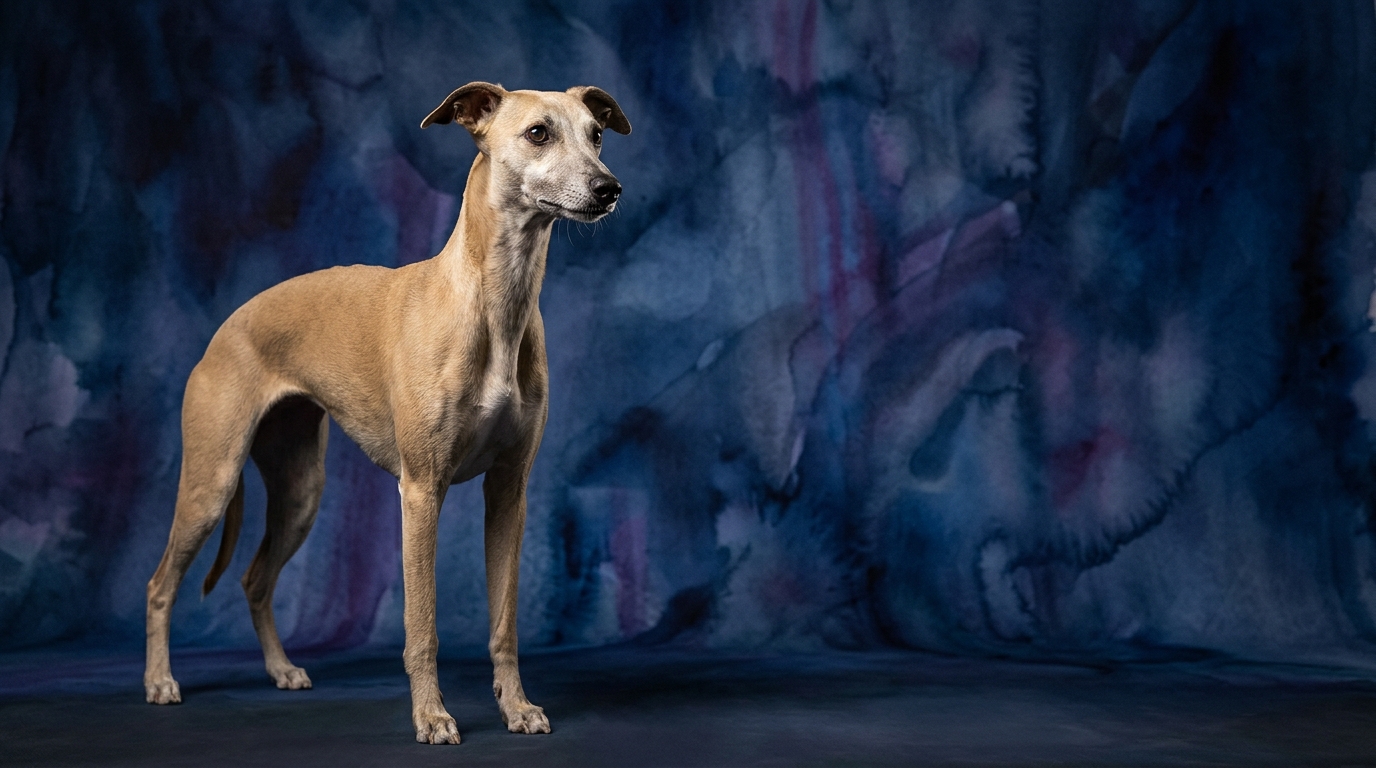
The Cosmic Pet Pet IQ Lab employs five key dimensions to evaluate canine intelligence, offering a nuanced perspective beyond simple obedience. For the Whippet, a Hound breed with a Coren rank of #51, we observe a Problem Solving score of 3 out of 5, indicating a moderate capacity for independent thought and figuring out simple dilemmas. Its Training Speed is rated at 2 out of 5, suggesting a slower learning curve for new commands. Social Intelligence stands out at 4 out of 5, highlighting a strong ability to connect and understand human cues. An Instinctive Drive of 5 out of 5 reflects its potent sighthound heritage, while Memory is assessed at 3 out of 5, meaning it retains information moderately well.
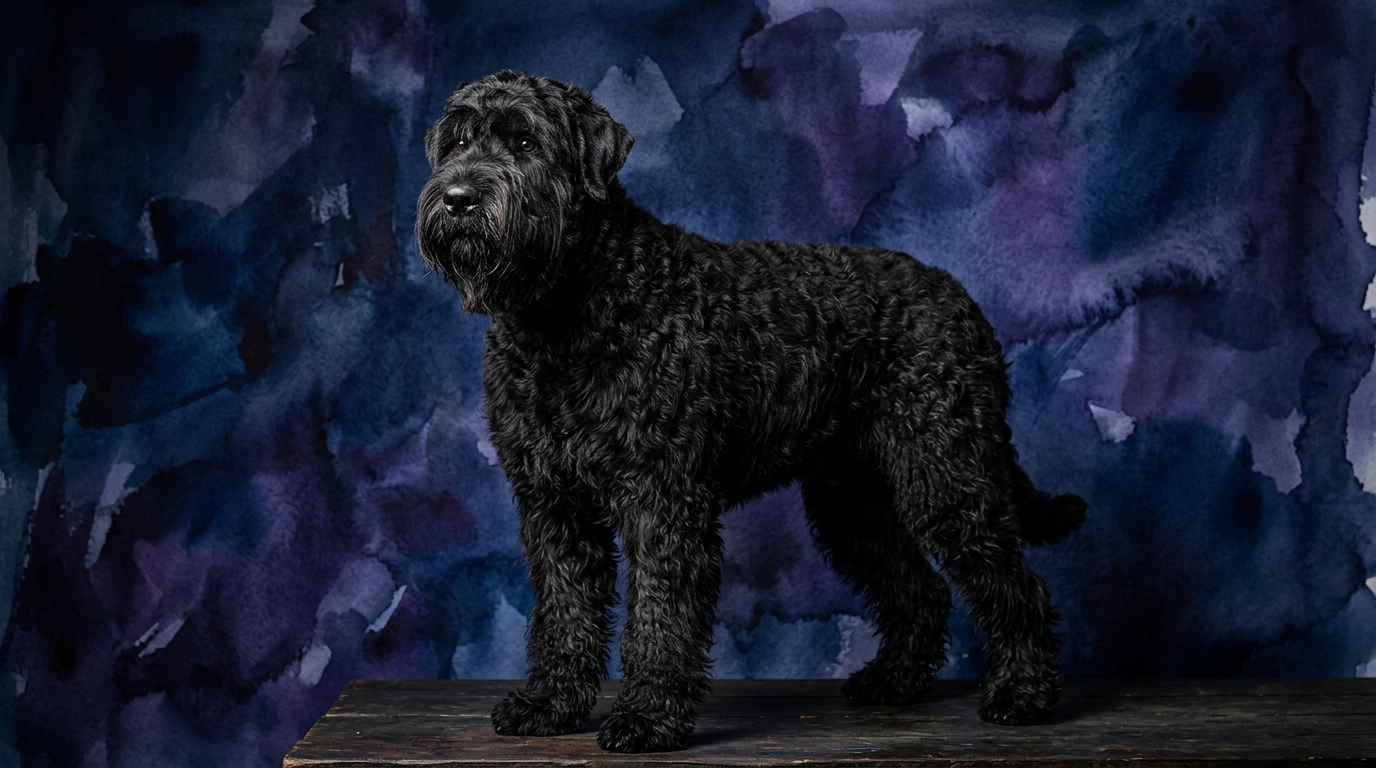
The Black Russian Terrier, a Working breed not included in Coren's ranking, presents a different cognitive blueprint. It shares the Whippet's Problem Solving score of 3 out of 5, demonstrating an average ability to navigate novel situations. However, its Training Speed is a more responsive 3 out of 5, indicating it learns new tasks at an average pace. Social Intelligence for the BRT is 3 out of 5, showing typical canine awareness but perhaps a more reserved initial approach. Its Instinctive Drive is also 3 out of 5, a moderate working drive compared to the Whippet's intense prey focus. Finally, its Memory is rated 3 out of 5, retaining information with average proficiency.
Where the Whippet Wins Cognitively
The Whippet's cognitive strengths truly shine in its social intelligence and instinctive drive. Scoring 4 out of 5 in social intelligence, Whippets possess a remarkable ability to tune into human emotions and intentions, often anticipating their owner's moods and desires. This makes them highly empathetic companions, fostering a deep, intuitive connection that is less about explicit commands and more about subtle understanding. This heightened social awareness means they are often attuned to household dynamics and can adapt gracefully to various social situations with familiar people.
Furthermore, their instinctive drive, rated at a powerful 5 out of 5, means they are profoundly motivated by the chase and the hunt, a trait honed over generations as sighthounds. While this can present training challenges, it also means they excel in activities that tap into this primal urge, like lure coursing or fast-paced games, demonstrating an intense focus and unparalleled agility when pursuing a target. This drive isn't just about speed; it's about a highly specialized form of problem-solving related to tracking and capturing moving objects, requiring rapid decision-making and spatial awareness that few breeds can match.
Where the Black Russian Terrier Wins Cognitively
The Black Russian Terrier demonstrates a distinct cognitive advantage in its training speed, scoring 3 out of 5 compared to the Whippet's 2 out of 5. This indicates a more readily trainable disposition, where the BRT can grasp new commands and routines with fewer repetitions. Their moderate instinctive drive (3/5) is a double-edged sword that often leans into an advantage here; while still present, it is less overwhelming than the Whippet's powerful prey drive, allowing them to remain more focused on handler-directed tasks rather than being solely driven by environmental stimuli. This makes them generally more amenable to structured obedience work and learning complex sequences.
Their average social intelligence (3/5) means they are capable of forming strong bonds and understanding human cues, but they might approach new interactions with a more considered, perhaps even reserved, demeanor. This measured approach can be beneficial for owners seeking a more predictable and less overtly sensitive companion, particularly in environments where a more focused, task-oriented disposition is preferred. This balance of traits makes them less prone to spontaneous sighthound impulses, allowing for a more direct and consistent training experience centered on obedience and utility, often with a clear purpose in mind.
Which is Easier to Train and Why
When evaluating ease of training, the Black Russian Terrier generally presents a more straightforward path. Their training speed of 3 out of 5 suggests they pick up new commands at an average rate, responding well to consistent, positive reinforcement. Their moderate instinctive drive of 3 out of 5 means that while they possess purpose and motivation, it is typically directed and managed more easily than the Whippet's intense impulses. A BRT is less likely to bolt after a squirrel mid-training session, allowing for more sustained focus on the task at hand and making them more predictable in various environments.
In contrast, the Whippet's training speed of 2 out of 5 indicates a slower learning curve, often requiring more patience and repetition from the handler. Compounding this is their powerful instinctive drive of 5 out of 5. This inherent sighthound urge to chase can be a significant distraction, making recall challenging in open spaces and demanding extensive, early socialization and consistent impulse control training to ensure safety and responsiveness. While both breeds require dedicated effort, the BRT's balanced cognitive profile often results in a less demanding and potentially more rewarding initial training experience for the average owner seeking a highly compliant companion.
Which Suits Active Owners vs. Relaxed Owners
The choice between a Whippet and a Black Russian Terrier largely depends on an owner's lifestyle and energy levels. Whippets, despite their reputation for being couch potatoes indoors, thrive with active owners who appreciate and can channel their intense instinctive drive. Their need for bursts of speed and the thrill of the chase makes them ideal for owners who enjoy activities like lure coursing, dog sports, or simply long, secure off-leash runs in a fenced area. Their high social intelligence also means they appreciate close companionship and thrive in homes where they are integral to family life, often seeking physical closeness and quiet comfort after their exercise needs are met.
Conversely, the Black Russian Terrier, while possessing a moderate instinctive drive, is a working breed that needs a different kind of activity. They suit active owners who are prepared for consistent training, mental stimulation, and structured exercise. Their protective instincts and desire for a 'job' mean they are less suited to purely relaxed owners; they require engagement, purpose, and a strong, confident handler to guide their energy and intellect. A relaxed owner might find a BRT's need for consistent direction and mental work overwhelming, whereas a Whippet, once its exercise needs are met, is content to lounge, making it surprisingly adaptable for owners who can provide intense bursts of activity followed by long periods of rest.
The Verdict
Choose a Whippet if you appreciate deep emotional connections, can provide outlets for intense bursts of speed and chase, and are patient with a slower training curve. They are perfect for those who enjoy observing a highly intuitive and physically graceful companion.
Opt for a Black Russian Terrier if you seek a trainable, purposeful companion, are prepared for consistent mental and physical engagement, and value a dog with a more balanced, manageable drive. They are ideal for experienced owners who can provide strong leadership and structure.
🧠 Find Your Pet's IQ Score
Our Pet IQ Lab assessment covers 25+ tests across 5 cognitive dimensions — personalized to your breed.
Take the Full IQ Test →Frequently Asked Questions
Are Whippets difficult to train due to their lower training speed?
While Whippets score 2/5 in training speed, meaning they learn new commands slower than some breeds, they are not inherently difficult. Patience, consistent positive reinforcement, and understanding their sighthound instincts are key. Their high social intelligence means they are eager to please their beloved humans, which can aid in motivation, even if it takes more repetitions.
Do Black Russian Terriers require a lot of exercise?
Black Russian Terriers have a moderate instinctive drive (3/5) and a working heritage, so they do require consistent mental and physical exercise. Daily walks, training sessions, and opportunities for purposeful activity are important to keep them content and well-behaved. They are not high-energy in the same way a sighthound might be, but they need engagement and a sense of purpose.
How does a Whippet's high instinctive drive manifest in daily life?
A Whippet's 5/5 instinctive drive primarily manifests as a very strong prey drive, meaning they are highly compelled to chase moving objects like squirrels, rabbits, or even plastic bags. This necessitates secure fencing, vigilant leash handling, and extensive recall training in safe areas. Indoors, they may enjoy chasing toys, but outdoors, this drive requires careful management for their safety and to prevent them from pursuing perceived prey.