Side-by-Side Cognitive Profile
The Cosmic Pet Pet IQ Lab's assessment offers a granular look into the cognitive strengths of both breeds across five key dimensions. Understanding these specific scores helps illuminate their inherent tendencies and how they interact with their environment and handlers.
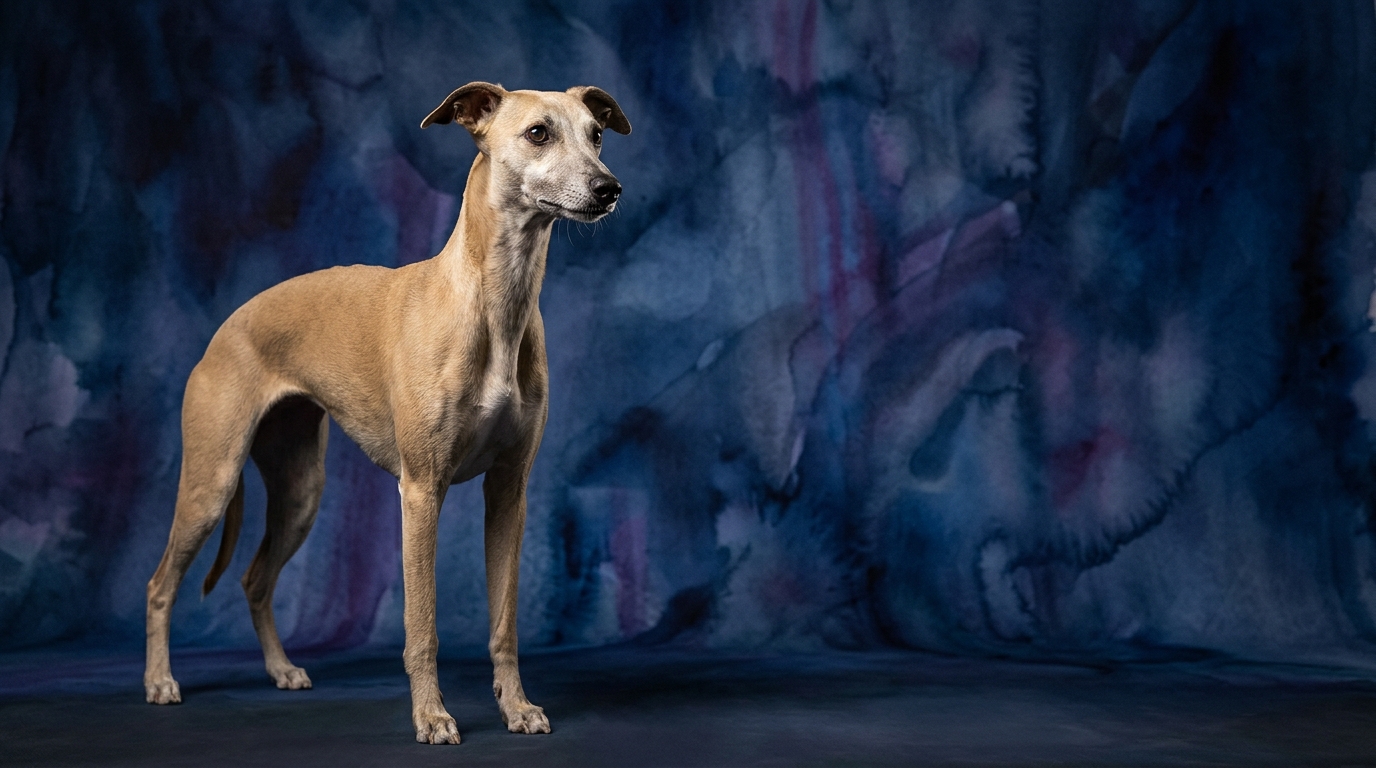
**Whippet (Hound, Coren rank #51):** Problem Solving 3/5, Training Speed 2/5, Social Intelligence 4/5, Instinctive Drive 5/5, Memory 3/5. Whippets display practical problem-solving focused on navigating speed and anticipating movement in open spaces, excelling at finding the quickest path during pursuit. Their independent sighthound nature means they often prioritize self-interest, requiring patient, engaging training to maintain focus and ensure consistent compliance. They are acutely attuned to human emotions and subtle cues, forming deep bonds and often anticipating family moods with quiet understanding. A powerful prey drive defines them, manifesting as an intense, innate urge to chase and capture anything that moves quickly, a deeply ingrained genetic trait. Whippets possess a functional memory for routines, safe spaces, and familiar individuals, though recall for less stimulating commands may require consistent reinforcement.
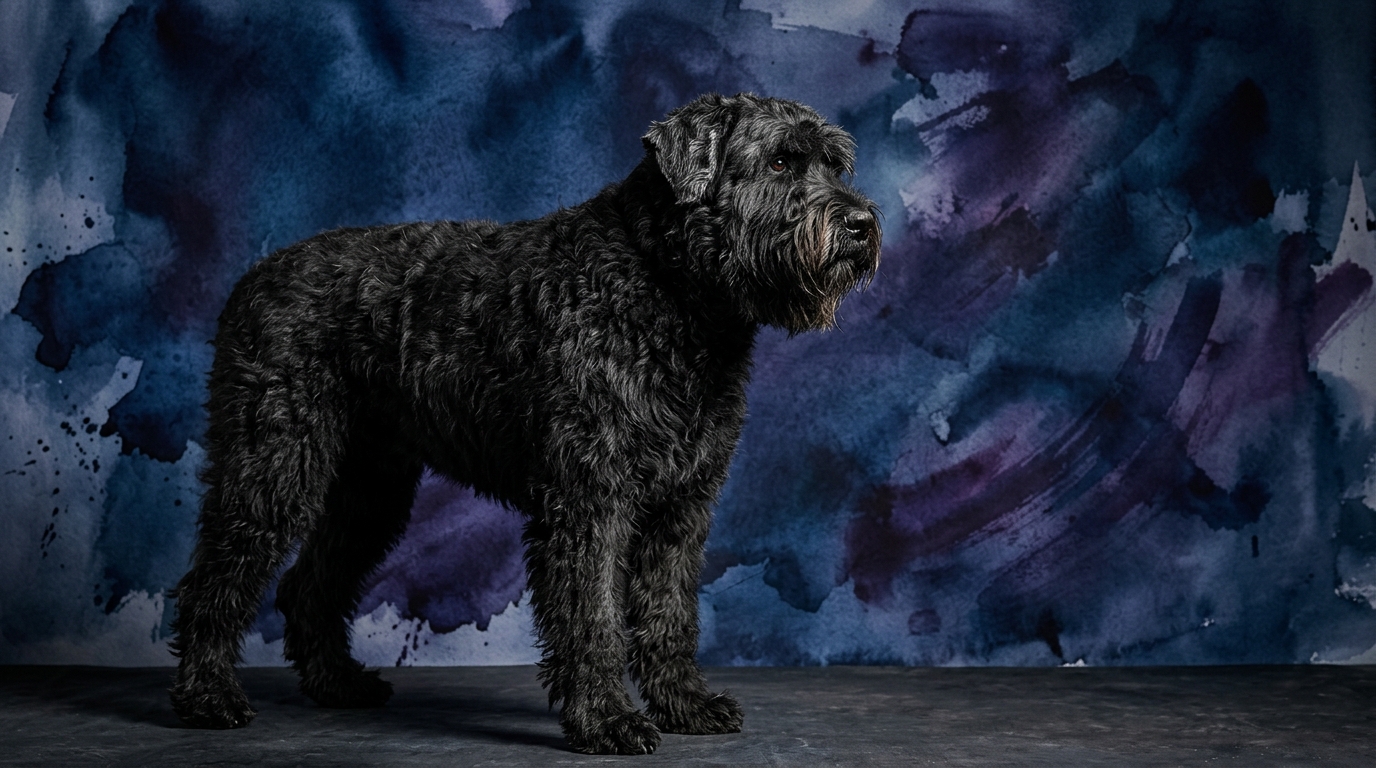
**Bouvier des Flandres (Herding, Not Coren-ranked):** Problem Solving 3/5, Training Speed 3/5, Social Intelligence 3/5, Instinctive Drive 3/5, Memory 3/5. Bouviers showcase a methodical approach to problem-solving, often involving spatial reasoning for herding or strategic protection, independently assessing situations for decisive action. With a robust work ethic, Bouviers generally pick up new commands efficiently, thriving on consistent structure and clear expectations driven by a desire to work. They exhibit a solid understanding of social dynamics, displaying watchful loyalty and a discerning approach to strangers, constantly assessing their environment. Their drive is rooted in herding and guarding, manifesting as strong protective instincts and a desire to manage or control their perceived flock or territory. Bouviers have reliable memory for learned commands, routines, and environmental layouts, contributing to their dependable nature and consistent performance.
Where the Whippet Wins Cognitively
The Whippet exhibits distinct cognitive advantages, particularly in areas tied to their sighthound heritage. Their **Social Intelligence** score of 4/5 demonstrably surpasses the Bouvier's 3/5, translating into an exceptional ability to read subtle human body language and emotional states. They often anticipate needs or react to unspoken cues with remarkable accuracy, suggesting a profound empathetic connection that allows them to integrate seamlessly into family life, offering quiet, intuitive companionship.
Furthermore, the Whippet's **Instinctive Drive**, scoring a perfect 5/5, is unparalleled compared to the Bouvier's 3/5. While primarily a prey drive, this highlights a cognitive specialization: an acute ability to detect, rapidly process visual information, and make immediate decisions in high-speed pursuit. This isn't just physical speed; it involves an innate understanding of physics in motion, making them masters of the chase and demonstrating a unique cognitive wiring for motion-based tasks.
Where the Bouvier des Flandres Wins Cognitively
The Bouvier des Flandres presents its own set of cognitive strengths, reflecting its working background. It holds an edge in **Training Speed** (3/5) compared to the Whippet (2/5), driven by an inherent willingness to engage in structured learning and a robust work ethic. Bouviers typically show a more consistent eagerness to absorb new commands and tasks, often demonstrating a focused attention span geared towards pleasing their handler and fulfilling a purpose, making them responsive to clear instruction.
While both breeds score 3/5 in **Problem Solving**, the *nature* of the Bouvier's application is noteworthy. Their problem-solving is rooted in their herding and guarding background, requiring sustained focus and independent decision-making in complex, dynamic environments. They excel at tasks needing spatial awareness, strategic positioning, and patient, analytical judgment to manage situations or protect resources, often demonstrating a methodical approach to obstacles rather than a purely reactive one.
Which is Easier to Train and Why
The Bouvier des Flandres is generally considered easier to train for a wider range of obedience and working tasks due to its higher Training Speed score (3/5 vs. 2/5) and distinct instinctive drives. Bouviers possess a strong desire to work collaboratively and a natural inclination towards structure and purpose, making them highly receptive to consistent, clear commands and motivated by purposeful engagement. Their herding background means they are often motivated by the opportunity to engage in tasks and follow leadership, which simplifies the training process for many owners.
Conversely, the Whippet's lower Training Speed and exceptionally high Instinctive Drive (5/5) present unique training challenges. While capable of learning, their primary motivation is often the chase, making consistent recall or focus difficult when a stimulating visual target is present. Training a Whippet demands immense patience, consistent positive reinforcement, and a deep understanding of their sighthound nature, often requiring training to feel like a game or a chase to keep them engaged, rather than relying on a strong inherent desire to "work" for a handler. Their independence means they might choose to comply only when it aligns with their immediate interests.
Which Suits Active Owners vs. Relaxed Owners
The choice between a Whippet and a Bouvier des Flandres depends heavily on an owner's lifestyle regarding activity levels. A Whippet suits owners who appreciate bursts of intense activity followed by periods of profound relaxation. They require regular opportunities to run at full speed in a secure area to satisfy their instinctive drive but are equally content to curl up on the couch for hours. This makes them surprisingly adaptable for owners who enjoy a balance of short, vigorous outings and extended quiet time at home, with less demand for prolonged, structured training sessions.
Conversely, the Bouvier des Flandres is better suited for active owners committed to providing consistent, purposeful engagement. Their herding and guarding background necessitates regular mental stimulation and physical exercise that goes beyond simple walks. Owners who enjoy dog sports like obedience, agility, or even advanced protection work will find the Bouvier thrives on having a job, with their higher training speed and working drive making them ideal for individuals dedicated to ongoing active participation and consistent challenges that fulfill their cognitive needs.
The Verdict
Choose a Whippet if you seek an elegantly quiet companion with a deep social connection, who thrives on short, intense bursts of play and is content to relax extensively indoors, provided their innate chase drive is safely fulfilled.
Opt for a Bouvier des Flandres if you are an active owner prepared to provide consistent mental and physical challenges, valuing a steadfast, trainable working dog that excels in structured activities and offers robust companionship.
🧠 Find Your Pet's IQ Score
Our Pet IQ Lab assessment covers 25+ tests across 5 cognitive dimensions — personalized to your breed.
Take the Full IQ Test →Frequently Asked Questions
Are Whippets stubborn to train?
Whippets are not inherently stubborn, but their training speed is lower (2/5) and their instinctive drive (5/5) is exceptionally strong for chasing. This means they often prioritize their innate desire to pursue moving objects over commands, requiring patient, consistent, and highly rewarding training methods that make compliance more appealing than their natural instincts.
Do Bouvier des Flandres dogs need a lot of mental stimulation?
Yes, Bouvier des Flandres dogs certainly benefit from significant mental stimulation, stemming from their herding and guarding heritage and their 3/5 problem-solving score. They thrive on having a "job" and require consistent engagement through training, puzzle toys, and purposeful activities to prevent boredom and channel their intelligence constructively.
Which breed is better for a first-time dog owner?
For a first-time dog owner, the Bouvier des Flandres, with its higher training speed (3/5) and desire to work, might be a more manageable choice for structured training, assuming the owner is committed to consistent exercise and mental engagement. The Whippet's independent nature and intense chase drive (5/5) can pose unique challenges for novice handlers who might struggle to manage these specific instincts effectively.