Side-by-Side Cognitive Profiles
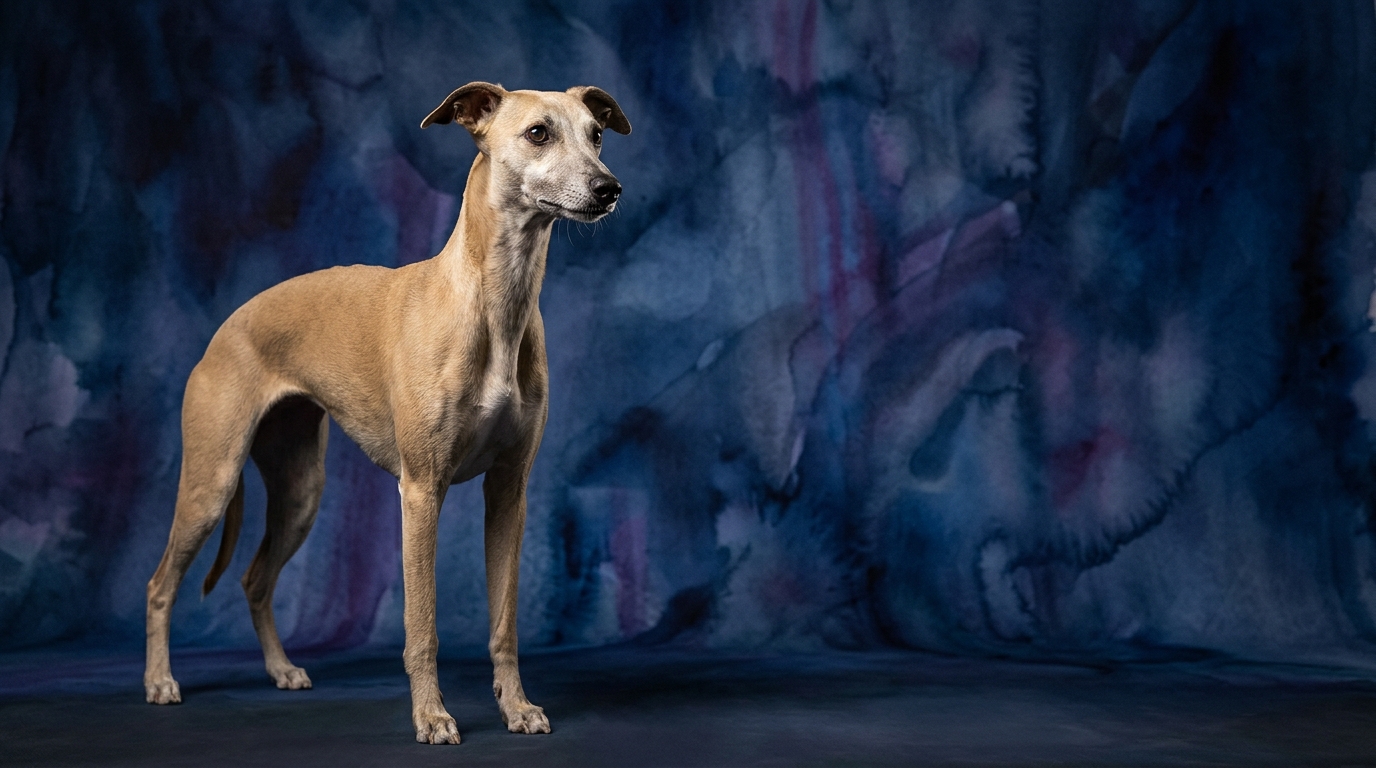
The Cosmic Pet Pet IQ Lab employs five key dimensions to map a breed's cognitive landscape. For the Whippet, ranked #51 by Coren, these dimensions reveal a swift, perceptive, yet independent thinker. Their problem-solving capacity sits at a practical 3/5, indicating an ability to navigate challenges efficiently without over-complication. Training speed registers at 2/5, suggesting a need for patience and consistent motivation, reflecting their sighthound independence. Where the Whippet truly shines is in social intelligence, scoring 4/5 for their profound ability to read human emotions and cues, fostering deep, intuitive bonds. Their instinctive drive is an unparalleled 5/5, a testament to their innate focus on pursuit and speed. Memory for a Whippet is a solid 3/5, retaining routines and learned cues reliably.
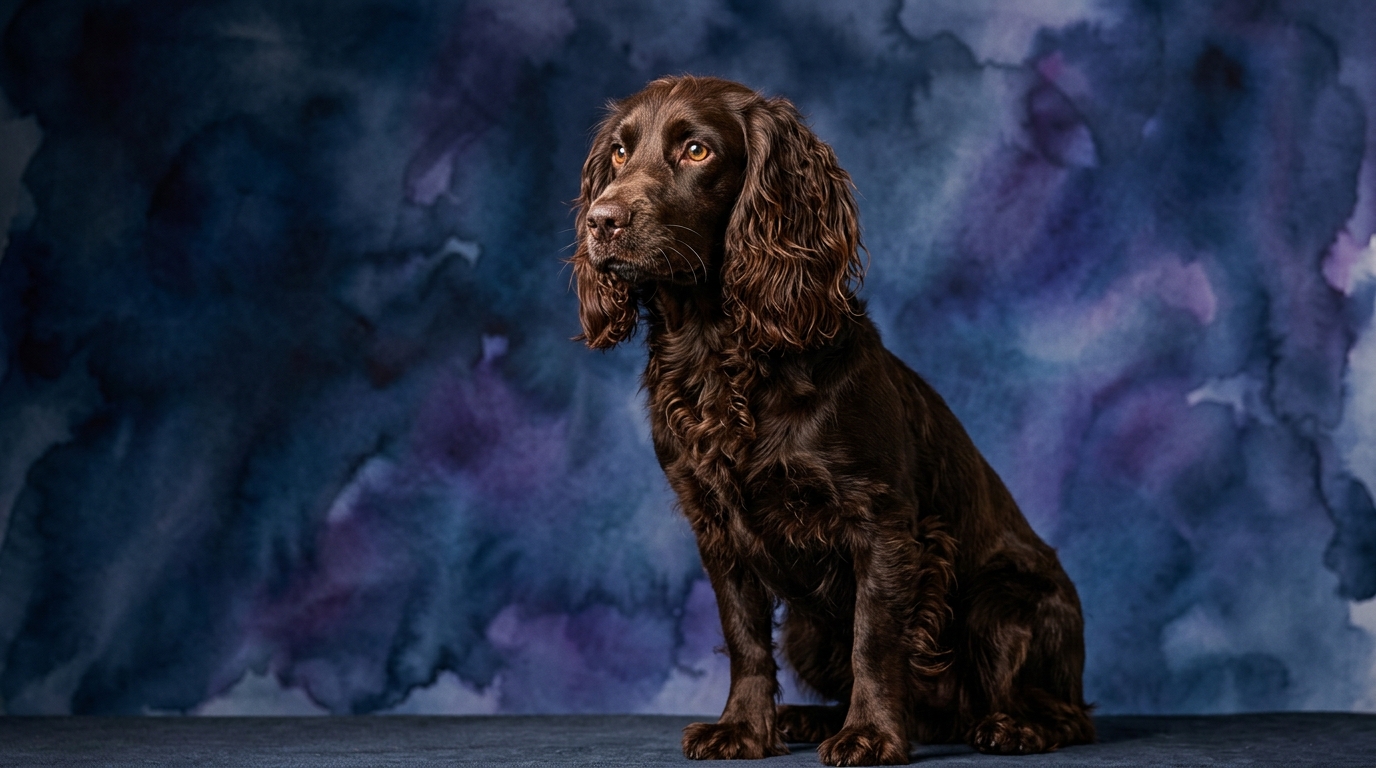
The Boykin Spaniel, while not Coren-ranked, presents a different cognitive blueprint, tailored for cooperative work. Their problem-solving, like the Whippet, is rated 3/5, focusing on practical application within their working sphere. Notably, their training speed is a step quicker at 3/5, reflecting an inherent eagerness to engage with and please their handler. Social intelligence for the Boykin Spaniel registers 3/5, indicating good awareness within their family unit and an amiable disposition. Their instinctive drive is a moderate 3/5, channeled effectively towards retrieving and flushing tasks rather than pure chase. Memory for the Boykin Spaniel also stands at 3/5, allowing for dependable recall of learned sequences and working commands.
Where the Whippet Excels Cognitively
The Whippet's cognitive strengths are deeply rooted in their sighthound heritage. Their superior social intelligence, scoring 4/5 compared to the Boykin Spaniel's 3/5, allows them to discern subtle human emotional states and intentions with remarkable precision. This translates into a highly sensitive companion, forming intuitive connections and responding to nuanced non-verbal cues from their owners. They often appear to anticipate needs or moods, fostering a profoundly empathetic bond.
Furthermore, the Whippet's instinctive drive, a perfect 5/5, represents a highly specialized cognitive prowess. This isn't just about speed; it's about an intense, almost singular focus on visual stimuli, rapid processing of information to track moving objects, and lightning-fast decision-making in high-speed pursuit scenarios. This finely tuned predatory intelligence, while requiring careful management, is a defining aspect of their cognitive architecture, demanding intense concentration and physical coordination.
Where the Boykin Spaniel Shows Cognitive Strengths
The Boykin Spaniel demonstrates distinct cognitive advantages, particularly in areas supporting their cooperative working role. Their training speed, at 3/5 compared to the Whippet's 2/5, highlights a quicker grasp of new commands and a more consistent willingness to perform. This is often attributed to their biddable nature and an inherent desire to work in partnership with their handler, making them generally more receptive to structured learning environments and positive reinforcement techniques.
Additionally, while the Whippet's instinctive drive is specialized for chase, the Boykin Spaniel's moderate 3/5 instinctive drive is characterized by its versatility and directed purpose. This cognitive trait allows them to apply their drive effectively across a broader range of tasks—flushing game, retrieving waterfowl, scent work—requiring sustained focus, problem-solving within complex environments, and a consistent work ethic rather than just bursts of speed. This adaptability makes their drive a highly functional cognitive asset for diverse activities.
Training Dynamics: Whippet vs. Boykin Spaniel
When it comes to ease of training, the Boykin Spaniel generally presents a more straightforward experience. Their higher training speed (3/5) is bolstered by their intrinsic desire to cooperate and their people-oriented nature. Boykins thrive on positive reinforcement, clear directives, and the satisfaction of a job well done alongside their handler. Their instinctive drive, while present, is more easily channeled into specific working tasks, making it simpler to manage and direct in a training context. They are typically keen to learn and eager to please, which accelerates the acquisition of new skills and commands.
The Whippet, conversely, can be more challenging to train, indicated by their 2/5 training speed. Their sighthound independence means they are often motivated by their own comfort or the thrill of the chase rather than an inherent need to please. Training requires significant patience, consistency, and a deep understanding of their specific motivations. Their powerful instinctive drive (5/5) for pursuit means off-leash reliability outdoors can be a lifelong endeavor, as the sight of a squirrel can override any command. Successful training with a Whippet often involves making the learning process inherently rewarding for them, appealing to their intelligence and sensitivity rather than expecting immediate, eager compliance.
Matching Canine Cognition to Lifestyle
Choosing between a Whippet and a Boykin Spaniel based on lifestyle reveals how their cognitive profiles align with different owner preferences. For active owners, both breeds offer engagement, but in distinct forms. A Whippet suits an owner who enjoys short, intense bursts of activity—think sprinting in a securely fenced area or lure coursing—followed by significant periods of calm. They are not typically suited for long, structured endurance activities, but excel in speed-based play. A Boykin Spaniel, however, thrives with consistent, moderate-to-high activity that involves purpose: long walks, retrieves, swimming, or scent work. They need a 'job' or consistent mental and physical engagement to feel fulfilled.
For more relaxed owners, the Whippet can be an excellent fit, provided their unique exercise requirements are met. They are renowned for their calm, quiet demeanor indoors, often called '45 mph couch potatoes,' making them low-maintenance companions inside the home once their daily sprint is complete. The Boykin Spaniel, while capable of relaxing, is less suited for a truly sedentary lifestyle. Their working dog heritage means they possess an underlying need for consistent mental and physical stimulation. Without adequate outlets for their cognitive and physical drive, a Boykin Spaniel might become restless or exhibit undesirable behaviors, making them a less ideal choice for owners seeking a consistently low-energy companion.
The Verdict
Choose a Whippet if you appreciate a sensitive, deeply bonded companion, enjoy short bursts of high-speed activity, and are prepared to engage with an independent spirit through patient, rewarding training.
Opt for a Boykin Spaniel if you seek an eager, biddable partner for consistent outdoor activities, who thrives on purpose-driven engagement and demonstrates a quicker aptitude for learning obedience.
🧠 Find Your Pet's IQ Score
Our Pet IQ Lab assessment covers 25+ tests across 5 cognitive dimensions — personalized to your breed.
Take the Full IQ Test →Frequently Asked Questions
Is a Whippet a good 'first dog' for training?
A Whippet can be a good first dog for owners prepared for their independent nature and strong chase instinct. Their moderate training speed means patience and consistent, positive reinforcement are key, focusing on making training rewarding for them rather than expecting eager obedience.
How do the breeds' instinctive drives impact their daily life?
The Whippet's extreme instinctive drive (5/5) means a constant vigilance for moving objects, requiring secure leashes and fenced areas for safety. The Boykin Spaniel's moderate drive (3/5) is more focused on retrieving and working alongside humans, making it generally more manageable in everyday settings but still requiring outlets for their working nature.
Which breed is more adaptable to different living situations?
The Whippet's '45 mph couch potato' nature makes them highly adaptable to apartment living, provided their short, intense exercise needs are met. The Boykin Spaniel, while adaptable, generally thrives best with access to more space for consistent activity and a 'job' to do, making them potentially better suited to homes with yards or active outdoor lifestyles.