Side-by-Side IQ Profile: Whippet vs. Bullmastiff
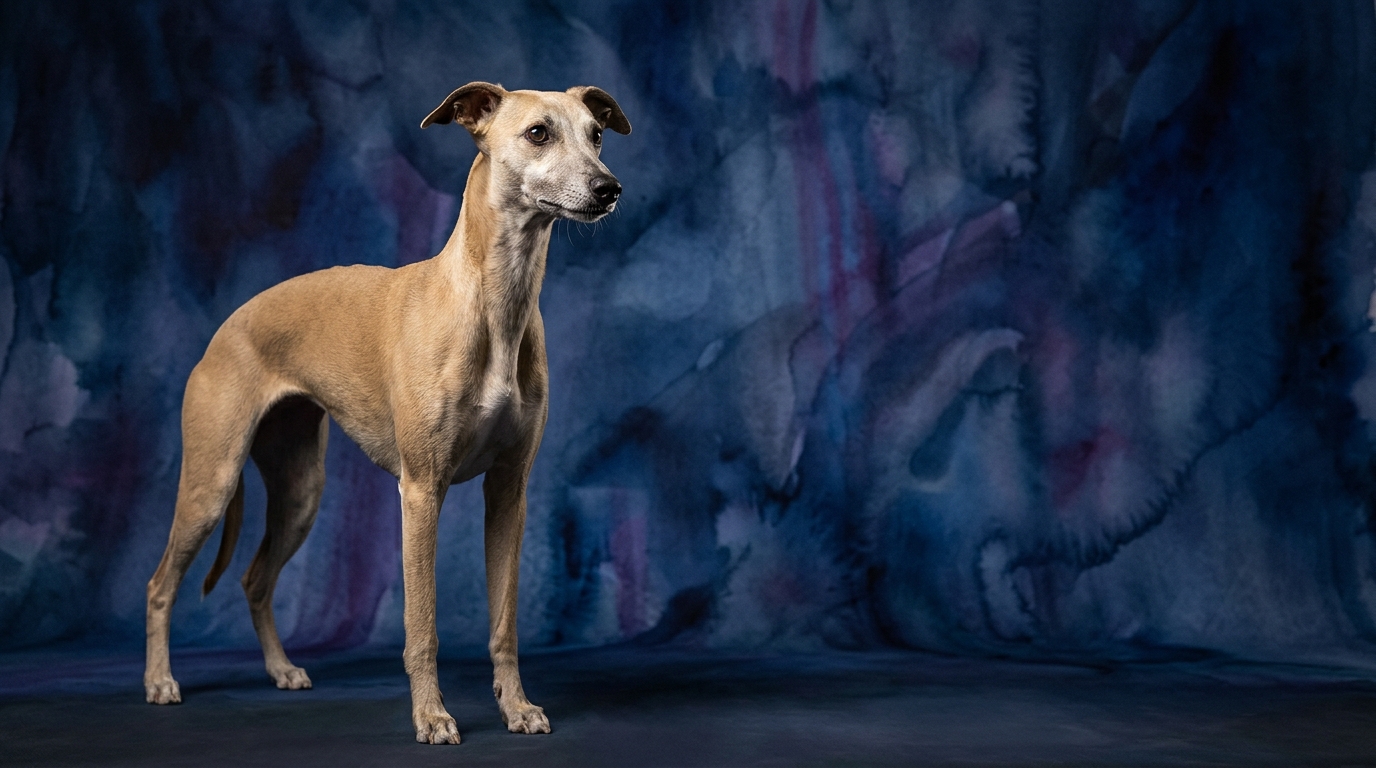
At The Cosmic Pet Pet IQ Lab, we delve into the nuanced cognitive dimensions that define each breed. For the Whippet, a Hound with a Coren rank of #51, its IQ profile reveals a fascinating blend of sensitivity and drive. Its Problem Solving is rated 3/5, indicating a moderate ability to navigate practical challenges, often relying on observation rather than complex strategic thinking. Training Speed is 2/5, suggesting that while capable, Whippets require consistent and engaging methods to overcome their independent streak. Social Intelligence shines at 4/5, highlighting their remarkable attunement to human emotions and social cues. Instinctive Drive is a perfect 5/5, reflecting their powerful impulse for chasing and sight hunting. Finally, Memory stands at 3/5, showing a reliable capacity for retaining routines and commands.
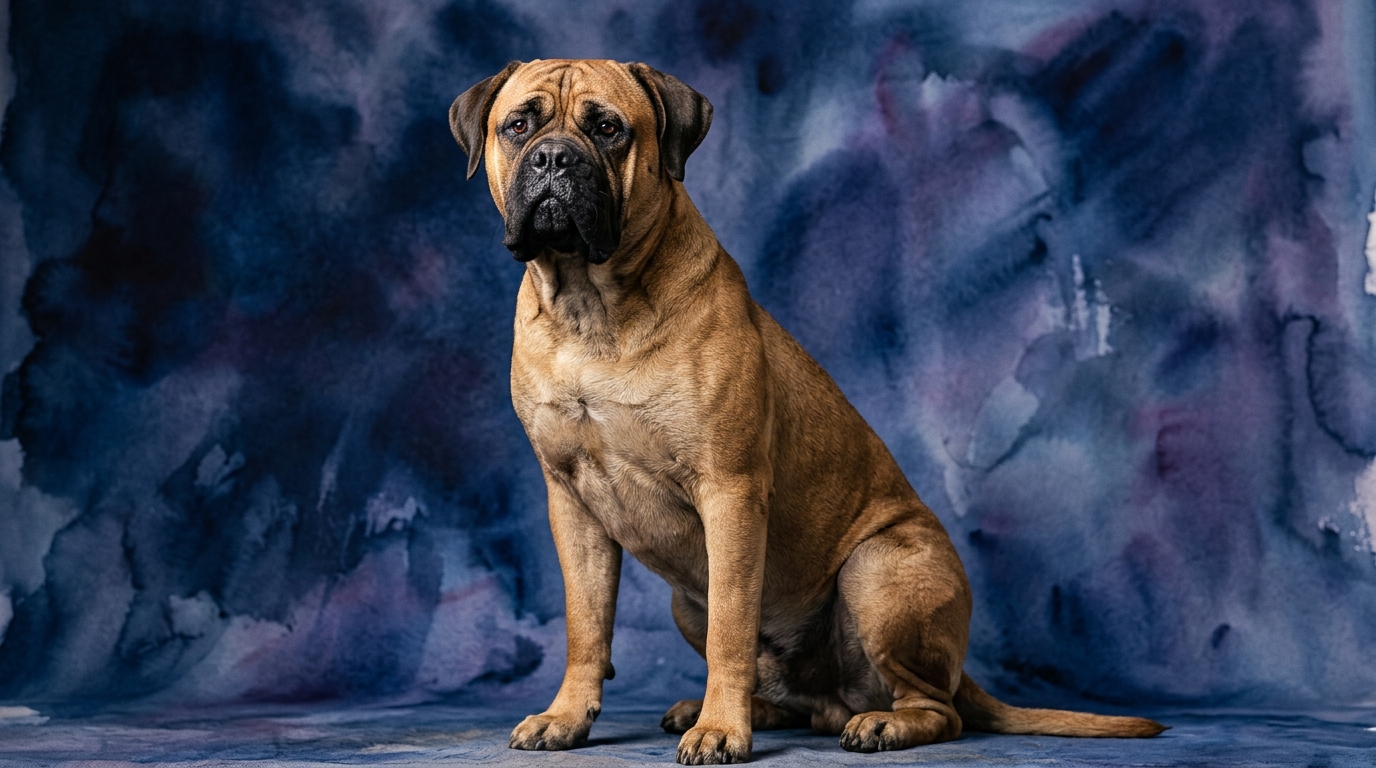
The Bullmastiff, a Working breed ranked #69 by Coren, presents a profile marked by steadfastness and practicality. Its Problem Solving is 3/5, on par with the Whippet, indicating a capacity to resolve tangible issues without leaning towards abstract thought. Training Speed is 3/5, suggesting a more consistent learner than the Whippet, responsive to clear direction. Social Intelligence is 3/5, denoting a deep loyalty to family but perhaps less overt sensitivity to subtle human emotional shifts. Instinctive Drive is also 3/5, primarily focused on guardianship and protection rather than high-energy pursuit. Memory, like the Whippet, is rated 3/5, underscoring their dependable recall of learned behaviors and family members.
Where the Whippet Wins Cognitively
Whippets demonstrate a clear cognitive advantage in two key areas: social intelligence and instinctive drive. Their social intelligence, rated at 4/5, means they are remarkably attuned to human emotions and social cues, often anticipating a family member's needs or moods with subtle observation. This sensitivity fosters a deep, almost empathetic connection, making them exceptionally responsive companions. Furthermore, their instinctive drive, a perfect 5/5, highlights their unparalleled focus and efficiency in their ancestral task: the chase. This isn't just about raw speed; it reflects a highly specialized cognitive framework for visual tracking, rapid decision-making in pursuit, and an unwavering commitment to a perceived 'prey' item, whether a lure or a squirrel. This drive also manifests as an intense focus during play involving chasing, making them incredibly engaging in activities that tap into this innate wiring.
Where the Bullmastiff Wins Cognitively
The Bullmastiff's cognitive strengths, while perhaps less overtly dynamic, offer distinct advantages, particularly in training speed and the practical application of their instinctive drive. While both breeds score 3/5 in problem-solving and memory, the Bullmastiff's training speed is rated 3/5 compared to the Whippet's 2/5. This indicates a more consistent and perhaps less distractible learner in a structured training environment. Their moderate instinctive drive (3/5) is geared towards protection and guardianship, manifesting as a thoughtful, deliberate assessment of their environment and perceived threats, rather than an impulsive chase. This cognitive framework allows for a more measured and less reactive response to unfamiliar situations or individuals, making them dependable protectors who weigh situations before acting. Their steady temperament and willingness to follow direction contribute to their efficacy in roles requiring reliability and a calm presence.
Which is Easier to Train and Why
Comparing their training profiles, the Bullmastiff generally presents as the more straightforward breed to train due to its 3/5 rating in training speed, against the Whippet's 2/5. This difference stems from their inherent behavioral tendencies. Whippets, as sighthounds, possess a powerful instinctive drive (5/5) to chase anything that moves quickly. This intense focus on visual stimuli often translates into a shorter attention span during training sessions, especially in stimulating environments. Their independent nature means they require more creativity, patience, and high-value rewards to maintain engagement. A Whippet might understand a command but choose to ignore it if a more compelling visual stimulus appears, making consistency paramount.
In contrast, Bullmastiffs, with their moderate instinctive drive (3/5) and working breed heritage, tend to be more focused on their handler and more eager to please within a structured framework. While they can exhibit a stubborn streak, their desire for companionship and their less reactive nature to environmental distractions make them more consistent learners. They respond well to clear, consistent commands and and positive reinforcement, making the training process smoother for an owner who establishes themselves as a confident, reliable leader. Their physical presence also often necessitates early and effective training to manage their strength and ensure good manners.
Suitability for Active vs. Relaxed Owners
The choice between these breeds largely depends on an owner's lifestyle and energy levels. The Whippet, with its explosive instinctive drive (5/5) and need for intense bursts of speed, is an ideal match for active owners. While they are known for their '45 mph couch potato' moments indoors, they require regular opportunities to run safely and express their chasing instincts, whether in a securely fenced yard or designated off-leash areas. Owners who enjoy activities like lure coursing, competitive obedience, or simply long, brisk walks and runs will find a Whippet to be an enthusiastic and agile companion. Their higher social intelligence (4/5) also means they thrive on interactive play and close companionship, making them excellent partners for owners who want an engaged, sensitive canine athlete.
Conversely, the Bullmastiff, with its moderate instinctive drive (3/5) and more placid nature, is better suited for relaxed owners. While they still require daily walks and mental stimulation, their exercise needs are less intense and prolonged than a Whippet's. They are content with a steady routine and appreciate comfortable indoor living. Their role as guardians means they are often watchful but not overly energetic, preferring to observe from a comfortable spot. Owners who appreciate a calm, loyal presence, and are prepared for a large, physically strong dog that enjoys quiet companionship and moderate activity, will find the Bullmastiff a fitting choice. Their moderate social intelligence (3/5) means they form deep bonds, but their expression of affection might be less overtly effusive than a Whippet's.
The Verdict
Choose the Whippet if you are an active individual or family seeking a sensitive, visually-driven companion who thrives on intense bursts of speed and close, empathetic interaction.
Opt for the Bullmastiff if you desire a calm, loyal guardian with a dependable temperament, content with moderate exercise and a steady, protective presence in the home.
🧠 Find Your Pet's IQ Score
Our Pet IQ Lab assessment covers 25+ tests across 5 cognitive dimensions — personalized to your breed.
Take the Full IQ Test →Frequently Asked Questions
Are Whippets difficult to train due to their independence?
Whippets can present training challenges because of their strong prey drive and independent sighthound nature, which gives them a training speed of 2/5. They require patient, consistent, and highly engaging methods, often involving high-value rewards and minimizing distractions to keep their focus.
Do Bullmastiffs require a lot of exercise despite their calm demeanor?
Bullmastiffs have moderate exercise needs, scoring 3/5 in instinctive drive, meaning daily walks and some playtime are sufficient. While they are calm indoors, regular activity helps maintain their physical health and mental well-being, but they don't require the intense, high-speed runs of a Whippet.
Which breed is better with children, considering their social intelligence?
Both breeds can be good with children, but their approaches differ. Whippets (social IQ 4/5) are sensitive and playful, often engaging gently, while Bullmastiffs (social IQ 3/5) are protective and tolerant, serving as steadfast companions who are generally patient and watchful with their family's younger members.