Side-by-Side IQ Profile: Whippet vs. Chow Chow
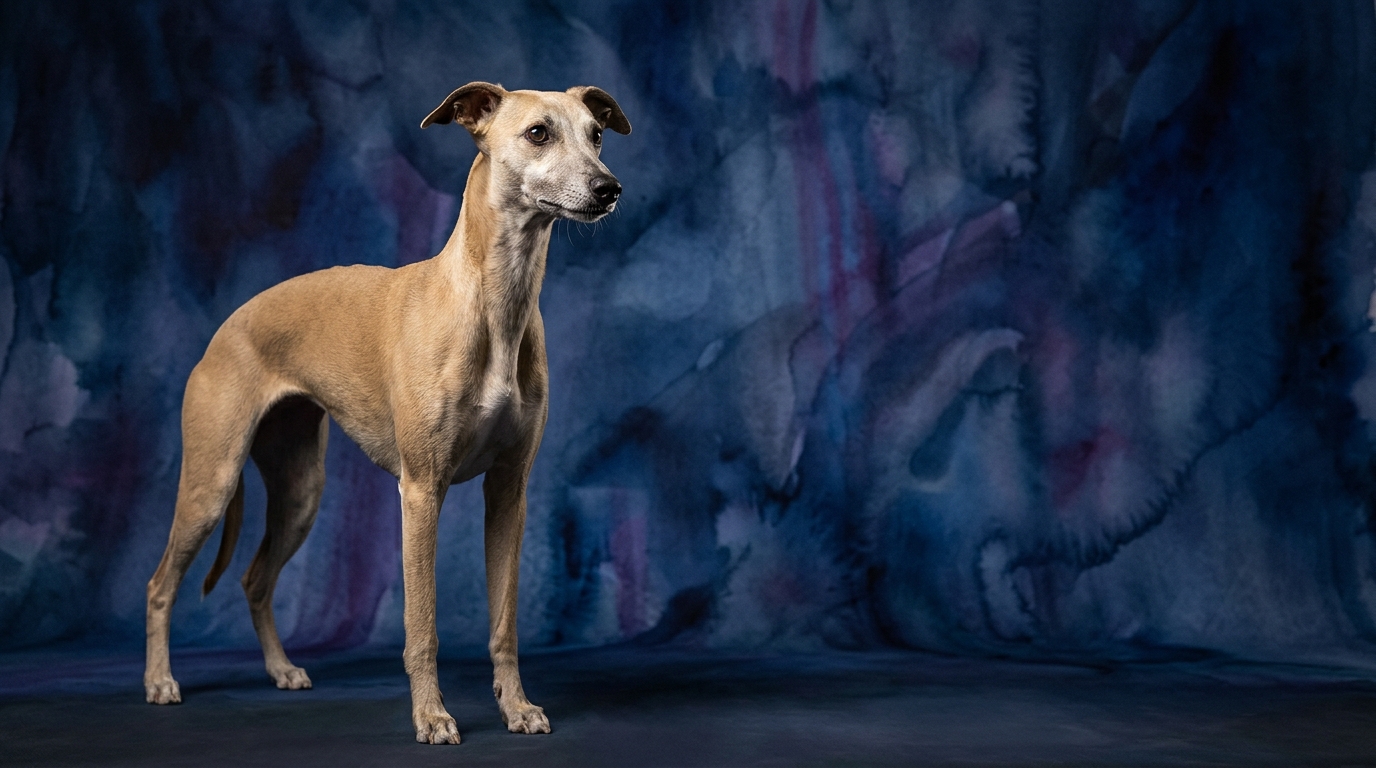
At The Cosmic Pet Pet IQ Lab, we analyze canine cognition across five key dimensions, providing a granular view of each breed's mental architecture. The Whippet, ranked #51 by Coren, presents a profile marked by agility not just in body, but in social perception. Its Problem Solving ability scores a 3 out of 5, indicating a moderate capacity for navigating new challenges and figuring out straightforward solutions. However, its Training Speed, at a 2 out of 5, suggests that while capable, Whippets may require more patient, consistent instruction to master new commands. Where the Whippet truly shines is in Social Intelligence, scoring a robust 4 out of 5, reflecting a keen awareness of human cues and an ability to integrate smoothly into family dynamics. Its Instinctive Drive is exceptionally high at 5 out of 5, a testament to its sighthound heritage and inherent urge to chase. Memory for the Whippet sits at a moderate 3 out of 5, allowing for recall of learned behaviors and familiar environments.
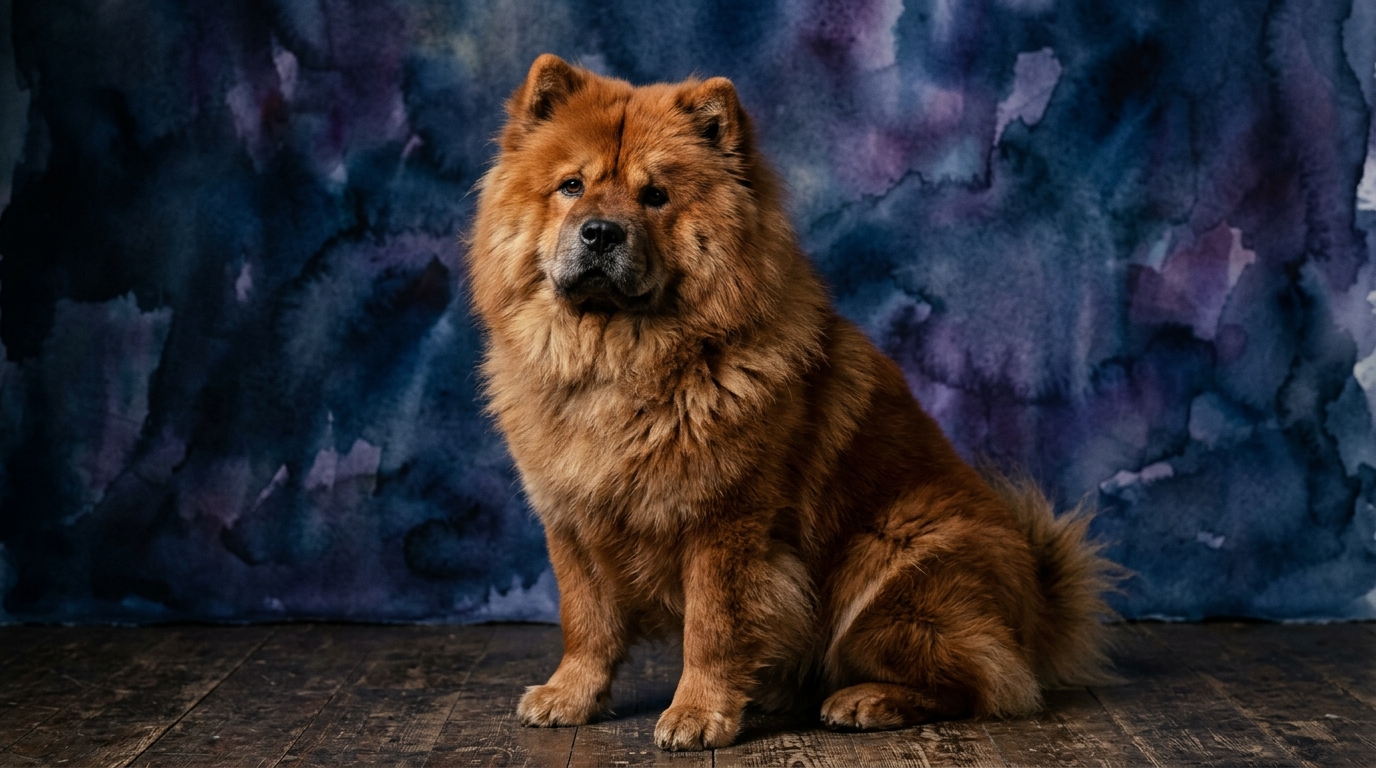
In contrast, the Chow Chow, with a Coren ranking of #76, offers a different cognitive blueprint, characterized by a more self-reliant and independent mental approach. Its Problem Solving capacity mirrors the Whippet at 3 out of 5, suggesting a similar moderate ability to work through new situations, often with a thoughtful, unhurried demeanor. Interestingly, the Chow Chow's Training Speed edges slightly higher at 3 out of 5, indicating a moderate pace for acquiring new skills, often benefiting from patient and respectful instruction. Social Intelligence for the Chow Chow is rated 3 out of 5; while deeply loyal to its core family, it tends to be more reserved and less overtly expressive in social interactions beyond its inner circle. Its Instinctive Drive also registers at a moderate 3 out of 5, reflecting a general self-sufficiency and perhaps a territorial inclination rather than an intense predatory focus. Like the Whippet, the Chow Chow holds a moderate Memory score of 3 out of 5, allowing it to retain routines, familiar faces, and learned associations.
Where the Whippet's Mind Excels
The Whippet's cognitive strengths distinctly lie in its profound social intelligence and its potent instinctive drive. With a Social Intelligence score of 4 out of 5, the Whippet demonstrates a superior capacity for understanding and responding to human emotions and intentions. This manifests as an intuitive ability to read body language, pick up on subtle vocal cues, and often anticipate their owner's desires, making them remarkably attuned companions. They thrive on interaction and connection, often seeking out proximity and engagement, which is a direct reflection of this cognitive dimension. This social attunement contributes significantly to their adaptability within a family setting, allowing them to integrate seamlessly and form deep, empathetic bonds.
Furthermore, the Whippet's Instinctive Drive, rated a perfect 5 out of 5, is an undeniable cognitive asset rooted in its sighthound ancestry. This isn't just about physical speed; it's a mental sharpness that allows them to process visual stimuli rapidly, identify movement at a distance, and make instantaneous decisions to pursue. Their environment is perceived through a lens of potential chase, and this highly developed instinct impacts their play, their exercise needs, and their responses to squirrels or fast-moving objects. While requiring mindful management, this intense drive is a testament to their specialized cognitive function, enabling precise and efficient execution of their inherent predatory sequence, even if only in play.
The Chow Chow's Unique Cognitive Strengths
The Chow Chow's cognitive profile, while distinct from the Whippet's, possesses its own set of particular strengths, especially in areas where independence and thoughtful processing are valued. While its Training Speed is a moderate 3 out of 5, it is noteworthy when compared to the Whippet's 2 out of 5. This suggests that the Chow Chow, despite its reputation for self-reliance, can be a capable learner, often retaining commands effectively once they are thoroughly understood and deemed worthwhile. Their learning isn't driven by an eagerness to please in the same way some breeds are, but rather by a methodical acceptance of established routines and clear expectations. This moderate pace indicates a capacity for steady learning, provided the training approach respects their independent spirit and avoids excessive repetition that can lead to disinterest.
Beyond specific scores, the Chow Chow's overall cognitive strength often manifests in its remarkable self-sufficiency and discerning nature. Their moderate Social Intelligence (3/5) allows them to form profound, albeit often private, bonds with their chosen family members, demonstrating a deep loyalty that doesn't require constant validation or overt displays. This isn't a lack of intelligence, but rather a different form of social cognition, where discernment and selective attachment are key. Their moderate Instinctive Drive (3/5) also contributes to this self-contained mental state; while they possess innate guarding instincts, they are generally less prone to impulsive, high-energy pursuits. This cognitive blend results in a dog that is often calm, observant, and capable of entertaining itself or resting contentedly without constant human intervention, reflecting a quiet confidence in its own mental space.
Training Trajectories: Whippet vs. Chow Chow
When considering ease of training, the Whippet and Chow Chow present differing trajectories influenced by their cognitive profiles. The Whippet, with a Training Speed of 2 out of 5, may require more patient and consistent instruction to embed new commands. However, its high Social Intelligence (4/5) acts as a significant advantage; Whippets are generally eager to connect with their handlers and are highly responsive to positive reinforcement and clear communication. Their desire to please, coupled with their ability to read human cues, can often compensate for a slower initial learning curve, making them willing participants in training once they understand the expectation. The challenge often lies in managing their intense Instinctive Drive (5/5), particularly regarding recall around distractions, which demands dedicated training to override their innate chase response.
The Chow Chow, with a slightly higher Training Speed of 3 out of 5, can learn new behaviors at a moderate pace. However, its training journey is uniquely shaped by its more independent nature and moderate Social Intelligence (3/5). Chow Chows are not inherently driven by a strong desire to please and can be quite discerning about whose commands they choose to follow. This means training requires a foundation of mutual respect and clear, consistent boundaries, rather than relying on an eager-to-please mentality. They respond best to calm, confident leadership and positive reinforcement, but may become resistant if training becomes repetitive or overly demanding. Their self-sufficient behavioral tendencies mean they might weigh the 'worth' of a command before complying, requiring a trainer to be both patient and persuasive, making the process more about gentle guidance than forceful instruction.
Lifestyle Match: Active Engagement vs. Independent Companionship
The distinct cognitive profiles of the Whippet and Chow Chow naturally align with different owner lifestyles. The Whippet, with its pronounced Social Intelligence (4/5) and intense Instinctive Drive (5/5), thrives with active owners who enjoy engaging in interactive play, training, and regular physical activity. These dogs are not content to be mere background companions; their cognitive makeup demands participation in family life and opportunities to express their natural drives. Owners who appreciate a dog that is keenly attuned to their moods, enjoys structured activities like lure coursing or agility, and can commit to consistent training to manage their chase instincts will find a deeply rewarding partnership with a Whippet. Their need for social connection means they flourish in environments where they are integral members of the household, receiving consistent attention and mental stimulation.
Conversely, the Chow Chow's cognitive traits lend themselves to more relaxed owners who appreciate a dignified, independent companion. Their moderate Social Intelligence (3/5) and Instinctive Drive (3/5), combined with a self-sufficient demeanor, mean they do not demand constant interaction or high-intensity exercise to be content. They are often satisfied with a comfortable routine, regular walks, and the quiet presence of their chosen family. Owners who respect a dog's personal space, understand that affection is often shown in subtle ways, and prefer a companion that is calm and observant rather than overtly demonstrative will find the Chow Chow a suitable match. This breed's cognitive independence means they are well-suited to households where they can be part of the family without needing to be the constant center of attention, offering a steady, quiet companionship.
The Verdict
Choose a Whippet if you seek a highly social, sensitive companion eager to engage in activities and form deep, empathetic bonds, provided you can channel their strong instinctive drives.
Opt for a Chow Chow if you prefer a dignified, independent companion who offers steadfast loyalty and a calm presence, thriving in a home that respects its self-sufficient nature.
🧠 Find Your Pet's IQ Score
Our Pet IQ Lab assessment covers 25+ tests across 5 cognitive dimensions — personalized to your breed.
Take the Full IQ Test →Frequently Asked Questions
Are Whippets or Chow Chows better for first-time dog owners?
Whippets, due to their higher social intelligence and eagerness to connect, can be more forgiving for first-time owners willing to commit to training and exercise. Chow Chows, with their independent nature, often require an owner experienced in understanding and respecting a dog's self-reliant personality.
Which breed is more affectionate, Whippet or Chow Chow?
Whippets are generally more overtly affectionate, displaying their strong social intelligence through seeking physical closeness and interaction with family members. Chow Chows show affection in more subtle ways, often through quiet loyalty and presence, rather than constant demonstrativeness.
Do Whippets or Chow Chows require more mental stimulation?
Whippets benefit significantly from mental stimulation that channels their high instinctive drive and social intelligence, such as lure coursing, interactive games, and consistent training. Chow Chows, while capable learners, often thrive on routine and do not typically require the same intensity of constant mental engagement, preferring thoughtful observation.