Side-by-Side IQ Profile
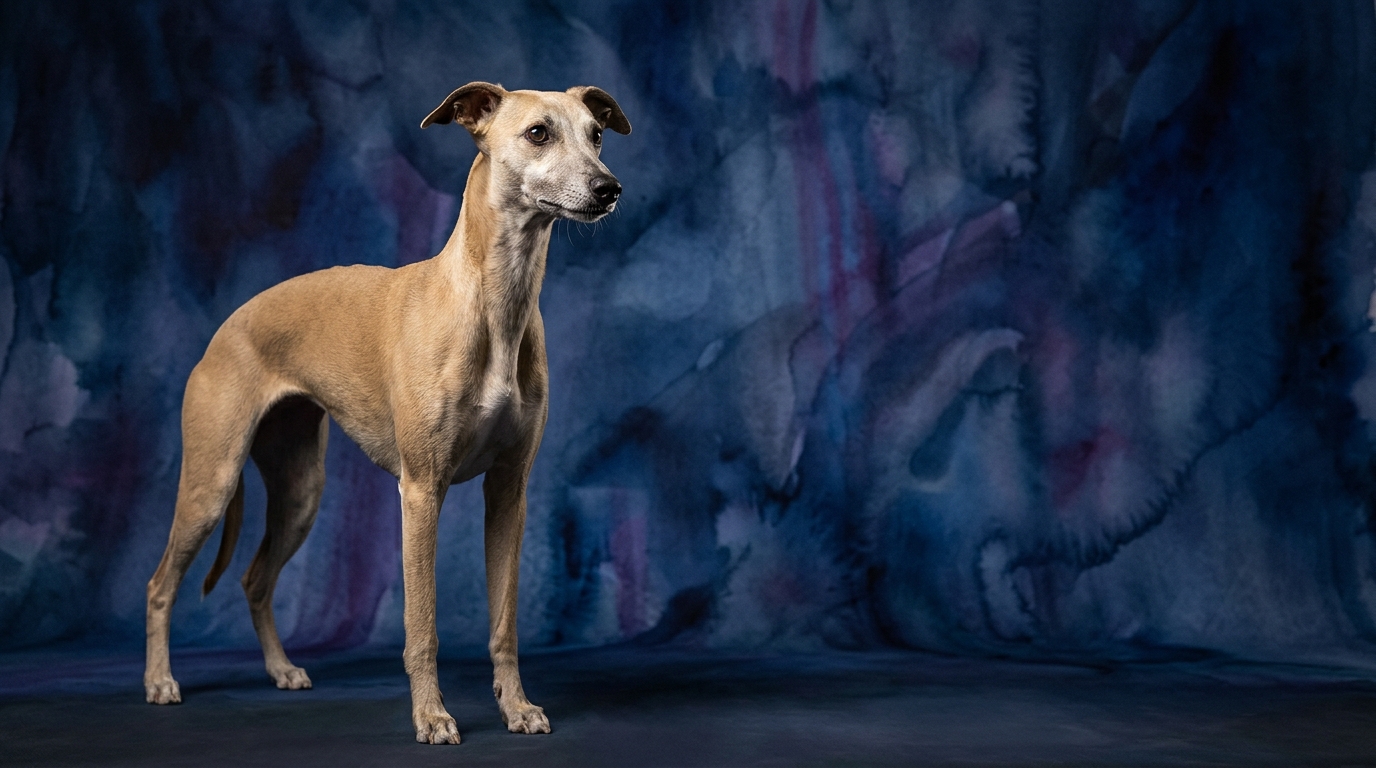
The Whippet, a Hound group member with a Coren rank of #51, displays a balanced cognitive profile. Their problem-solving is 3/5, indicating practical intelligence often tied to immediate interests. Training speed is 2/5, suggesting a need for patience and consistent repetition, characteristic of independent sighthounds. A robust 4/5 in social intelligence highlights their nuanced understanding of human cues, fostering deep, intuitive bonds. Their instinctive drive is a powerful 5/5, reflecting intense prey drive and visual focus, while memory stands at an average 3/5 for learned experiences.
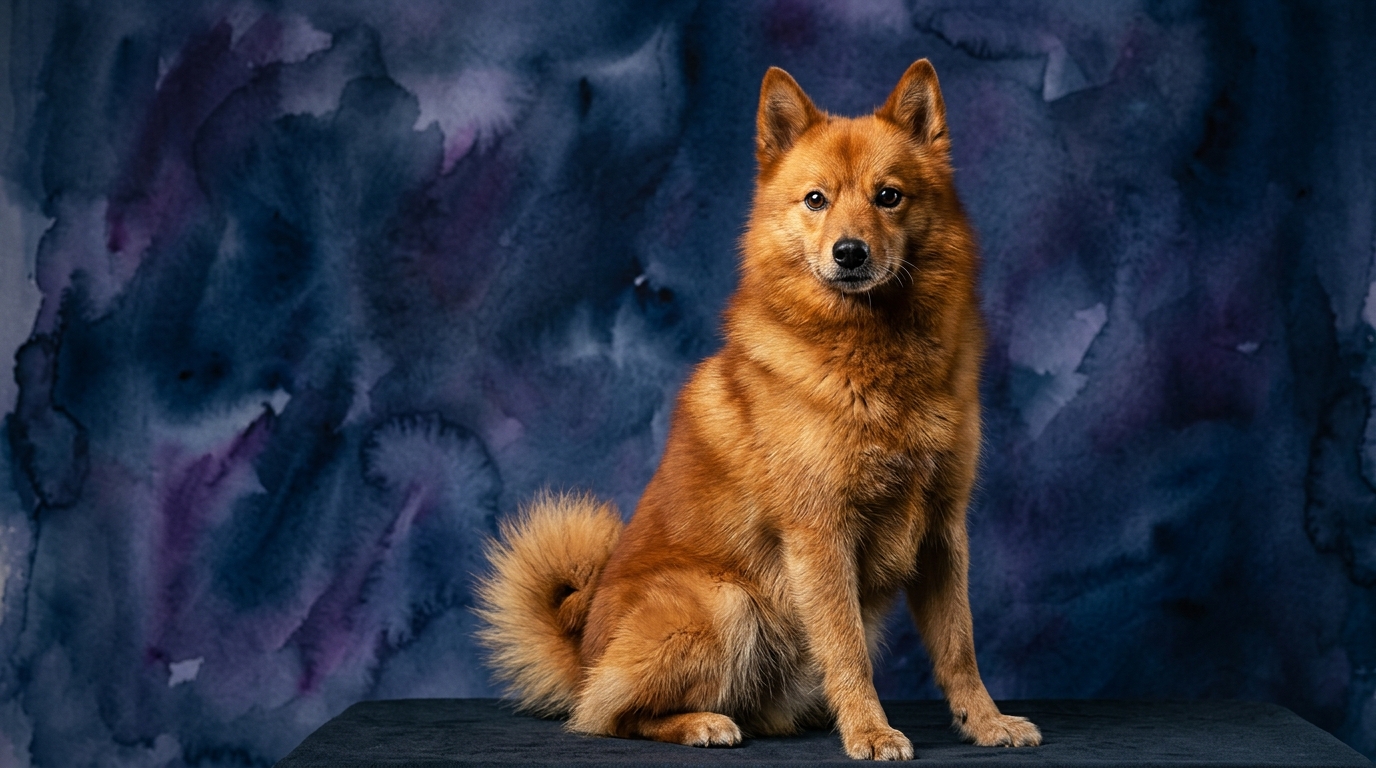
The Finnish Spitz, a Non-Sporting breed without a Coren rank, presents a slightly different cognitive emphasis. Their problem-solving matches the Whippet at 3/5, showing similar practical intellect. Training speed, however, is a slightly higher 3/5, suggesting a quicker grasp of new commands with consistent motivation. Social intelligence is 3/5, indicating solid understanding but perhaps less emotional nuance than the Whippet. Their instinctive drive is a moderate 3/5, expressing balanced inherent behaviors, and memory is 3/5, similar to the Whippet in retention of experiences.
Where Whippet Wins Cognitively
The Whippet's cognitive strengths particularly shine in their exceptional social intelligence and potent instinctive drive. Scoring 4/5 in social intelligence, Whippets display remarkable sensitivity to human moods and subtle non-verbal cues. They often form deep, intuitive bonds, anticipating needs or seeking comfort with an almost empathetic understanding within their family unit. This isn't about performing tricks; it's sophisticated social navigation, making them incredibly attuned companions who often seem to "read" their owners' emotional states, fostering a harmonious living environment.
Furthermore, the Whippet's instinctive drive, rated an impressive 5/5, is a cognitive triumph for their sighthound role. This isn't just about chasing; it's an entire cognitive system dedicated to rapid observation, assessment, and decisive action based on visual stimuli. Their brains are wired for speed, precision, and instantaneous processing of movement, manifesting as a powerful prey drive. This heightened drive signifies an acute awareness of their surroundings, constantly processing visual information and making lightning-fast decisions when their instincts are engaged, a testament to their specialized predatory cognition.
Where Finnish Spitz Wins Cognitively
The Finnish Spitz demonstrates unique cognitive advantages, particularly in their slightly higher training speed and a more balanced expression of instinctive drives. With a training speed of 3/5, they tend to pick up new commands and routines a bit more readily than the Whippet. While possessing spitz independence, they can process and retain new information with reasonable efficiency when consistently motivated. This slightly quicker learning curve can make initial obedience training a more straightforward experience, laying a solid foundation for a well-behaved companion.
Moreover, the Finnish Spitz's instinctive drive, rated at a moderate 3/5, represents a cognitive advantage for many modern households. While possessing typical spitz alertness and a propensity for barking, their drives are generally less intense and singularly focused than the Whippet's powerful prey drive. This moderation means their natural instincts, such as guarding or vocalizing, are often more manageable and less likely to override learned behaviors in everyday situations. Their cognitive balance allows them to engage with their environment curiously without being constantly compelled by an overwhelming urge to chase, making them adaptable to various living situations.
Which is Easier to Train and Why
When considering ease of training, the Finnish Spitz generally holds a slight edge due to their marginally higher training speed (3/5 vs. 2/5) and a more moderate instinctive drive. The Finnish Spitz, while independent, often responds well to positive reinforcement and consistent methods. Their "talkative" nature can be channeled into communication with diligent training. They are typically willing to engage in training sessions, provided the lessons are stimulating and rewarding, making them more amenable to learning foundational obedience commands with fewer repetitions.
The Whippet, conversely, presents unique training challenges rooted in their sighthound psychology. Their training speed of 2/5 means more patience and repetitions are needed to solidify commands. This stems from an independent streak and a brain highly attuned to visual stimuli. Their profound instinctive drive (5/5), especially prey drive, means even a well-trained Whippet can become "deaf" to commands if a small animal bolts across their path. Training Whippets involves understanding their intrinsic motivations and making training more rewarding than environmental distractions, necessitating a nuanced approach.
Which Suits Active Owners vs. Relaxed Owners
The choice between a Whippet and a Finnish Spitz often depends on an owner's lifestyle and activity level. Whippets, despite their speed, excel with owners who appreciate a balance of explosive activity and profound relaxation. They thrive with opportunities for short, intense running in secure areas, satisfying their powerful instinctive drive. Once energy is expended, they are content to spend hours curled up on the sofa, making them excellent companions for relaxed evenings. Their independence means they don't demand constant attention, but their high social intelligence ensures they are always aware of their family's presence.
The Finnish Spitz suits moderately active owners who enjoy consistent outdoor engagement and a lively, vocal personality. While not requiring explosive speed, they benefit from daily walks, hikes, or engaging playtime that stimulates both body and mind. Their balanced instinctive drive (3/5) means they are generally less prone to bolting than a Whippet, potentially making off-leash adventures more feasible in appropriate areas. However, their strong vocal tendencies mean they are best for owners who appreciate a "talkative" dog and can manage their alert, watchdog nature through training.
The Verdict
Choose a Whippet if you appreciate a dog with profound social intelligence, an independent spirit, and a need for intense but brief bursts of physical activity, followed by serene companionship.
Choose a Finnish Spitz if you seek a moderately active, vocal companion who is slightly more biddable in training and offers a balanced expression of natural instincts.
🧠 Find Your Pet's IQ Score
Our Pet IQ Lab assessment covers 25+ tests across 5 cognitive dimensions — personalized to your breed.
Take the Full IQ Test →Frequently Asked Questions
Are Whippets difficult to train due to their speed?
Whippets aren't difficult because of speed, but due to their independent sighthound nature and high prey drive, which can make them selectively deaf to commands when distracted. They require patient, consistent, and reward-based training to succeed.
How does the Finnish Spitz's vocal nature affect their suitability as a pet?
The Finnish Spitz's natural tendency to bark, often called "yodeling," means they're not for every household. Owners must be prepared to manage this trait through training and appreciate their role as an alert, vocal watchdog.
Can a Whippet and a Finnish Spitz live together peacefully?
Yes, with proper introductions and management, they can coexist. The Whippet's social intelligence helps, while the Finnish Spitz's balanced drive means less intense chasing, though prey drive should always be considered around smaller household pets.