Side-by-Side IQ Profile: Unpacking Cognitive Dimensions
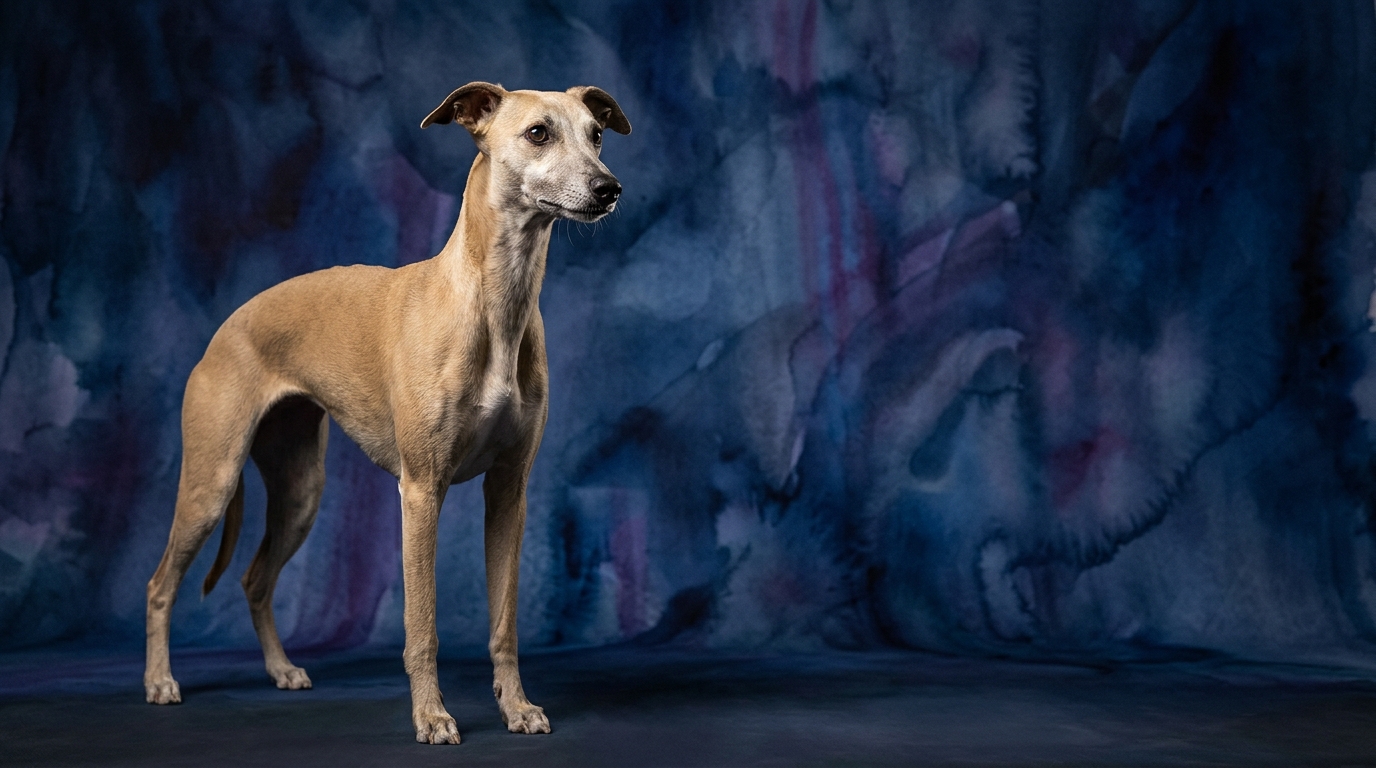
**Whippet (Hound, Coren rank #51):** Whippets approach novel situations with moderate adaptability (Problem Solving 3/5), often favoring established patterns or simple solutions rather than complex, multi-step strategizing. While capable of learning, their selective attention often prioritizes independent sighthound instincts over immediate human directives, resulting in a Training Speed of 2/5. These sighthounds possess a keen sensitivity to human moods and social cues (Social Intelligence 4/5), forming deep, intuitive bonds and excelling at reading body language. Their defining characteristic is a powerful, unyielding urge to chase anything that moves quickly (Instinctive Drive 5/5), which influences much of their behavior and focus. Whippets have a solid memory (3/5) for routines, learned commands, and significant experiences, particularly when associated with positive reinforcement or strong emotional context.
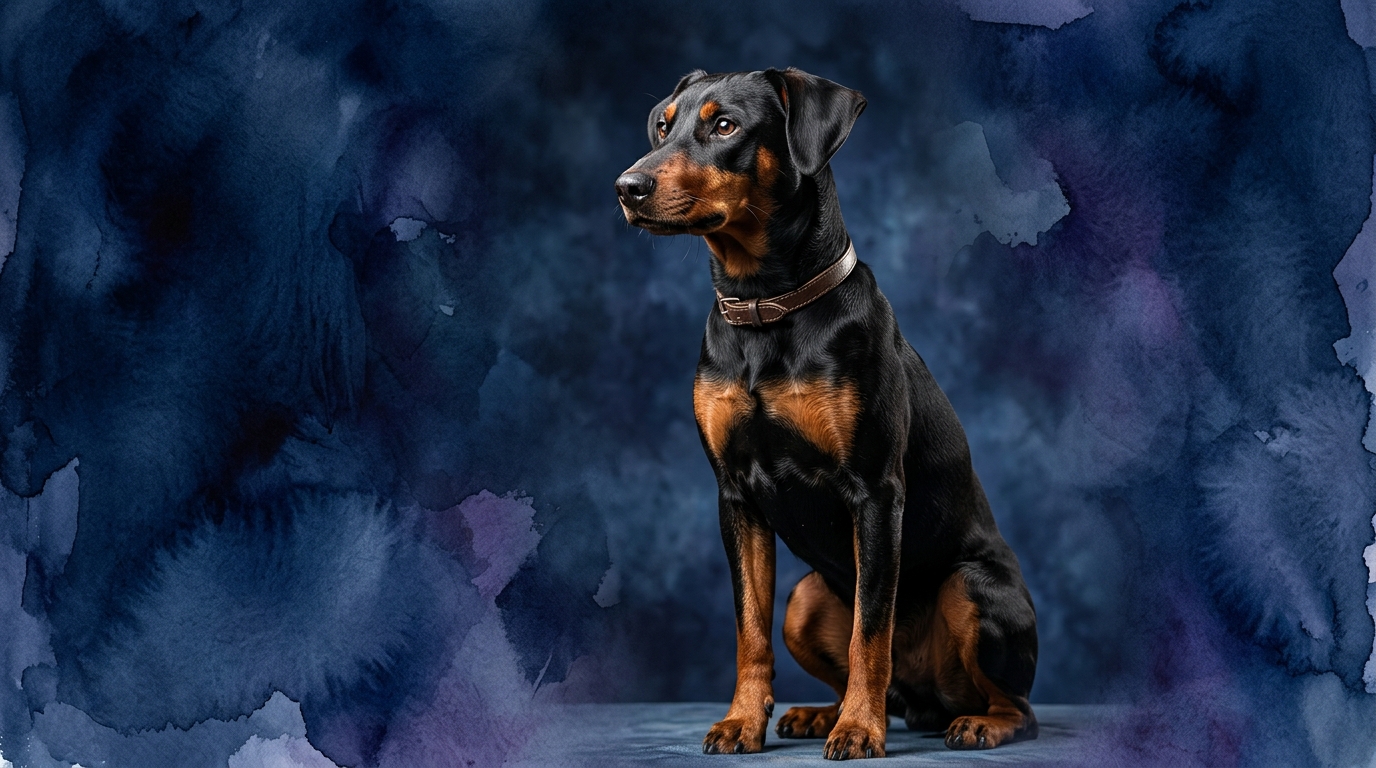
**German Pinscher (Working, Not Coren-ranked):** German Pinschers demonstrate a practical problem-solving ability (3/5), capable of figuring out how to achieve goals, whether it’s opening a gate or retrieving a hidden toy, often with a direct and persistent approach. With a moderate eagerness to please and a focused nature, they generally pick up new commands and routines at a reasonable pace (Training Speed 3/5), responding well to clear, consistent methods. German Pinschers are observant of their human companions and can form strong bonds, but they tend to be more independent and less overtly demonstrative of their social understanding (Social Intelligence 3/5). This breed exhibits a balanced working drive (Instinctive Drive 3/5), encompassing a moderate prey drive alongside an instinct for guarding and companionship, making their drives versatile. German Pinschers possess a reliable memory (3/5), enabling them to recall commands, learn intricate sequences, and remember past experiences, which aids significantly in their training and daily interactions.
Where the Whippet Wins Cognitively
The Whippet's cognitive strengths truly shine in the realm of social intelligence and the purity of their instinctive drive. With a remarkable 4/5 in social intelligence, Whippets are incredibly adept at reading human emotions and subtle cues, often anticipating their owner's needs or moods before any verbal command. This makes them exceptionally empathetic and intuitive companions, fostering a deep, almost telepathic bond that few breeds can match. Their ability to connect on an emotional level allows for nuanced interaction and a profound sense of mutual understanding within the household. Furthermore, their perfect 5/5 instinctive drive, while challenging in some contexts, represents a pinnacle of specialized canine cognition. This intense, unadulterated drive for pursuit means they are unparalleled at tasks requiring explosive speed, sharp visual tracking, and relentless focus on a moving target, making them masters of lure coursing and similar activities where their natural instincts are fully expressed. This singular focus, while not 'intelligent' in a problem-solving sense, is a highly refined cognitive adaptation for their ancestral purpose, allowing for lightning-fast decision-making in pursuit scenarios.
Where the German Pinscher Wins Cognitively
The German Pinscher demonstrates clear cognitive advantages in their more balanced training speed and versatile instinctive drive. Scoring 3/5 in training speed, they generally grasp new commands and routines more readily than the Whippet, responding with focused attention and a desire to engage in structured learning. This moderate pace makes them a gratifying student for owners who enjoy consistent, progressive training sessions, as they are less likely to be distracted by independent impulses. Their instinctive drive, also rated 3/5, is a significant win for versatility. Unlike the Whippet's singular prey focus, the German Pinscher's drives are multifaceted, encompassing moderate prey drive, alertness for guarding, and an inherent desire for purposeful work. This balanced cognitive profile allows them to excel across a wider range of activities, from obedience and agility to tracking and even protection sports, without being overwhelmingly dominated by a single, specialized instinct. Their problem-solving, while similar in score, manifests with a more pragmatic, goal-oriented persistence, making them adept at navigating complex environments or figuring out how to achieve a desired outcome through trial and error.
Which is Easier to Train and Why
When evaluating ease of training, the German Pinscher generally holds an edge over the Whippet, primarily due to their higher training speed (3/5 vs. 2/5) and more balanced instinctive drives. The German Pinscher's moderate eagerness to please, combined with a focused attentiveness, means they are typically more receptive to learning new commands and routines, often requiring fewer repetitions to solidify a behavior. Their instinctive drive, which includes a component of working for their handler, translates into a greater willingness to engage in structured training and a more consistent response to cues. In contrast, the Whippet's lower training speed is often a reflection of their independent sighthound nature and profound instinctive drive (5/5). While capable of learning, their strong prey drive can make them selectively deaf to commands when something captivating moves, and their inherent independence means they often need a compelling reason or reward to comply, rather than simply working for praise. Training a Whippet requires immense patience, consistent positive reinforcement, and a deep understanding of their unique motivations, making it a more nuanced and sometimes slower process than with a German Pinscher who typically thrives on the routine and engagement of training.
Which Suits Active Owners vs. Relaxed Owners
Deciding between a Whippet and a German Pinscher largely depends on an owner's preferred activity level and lifestyle. For owners seeking a more relaxed yet still engaged companion, the Whippet often presents a compelling choice. While they possess an explosive 5/5 instinctive drive for chasing that demands regular opportunities for high-speed sprints in secure areas, Whippets are famously content to spend the rest of their day as calm, quiet house dogs. Their 4/5 social intelligence means they thrive on close companionship and are often described as "45 mph couch potatoes," perfectly happy cuddling on the sofa after a good run. They suit owners who appreciate intense bursts of activity followed by long periods of relaxed intimacy, and who can manage their strong prey drive with responsible leash handling and secure environments. The German Pinscher, conversely, is better suited for active owners who enjoy consistent mental and physical engagement. With a 3/5 instinctive drive that is more versatile and a 3/5 training speed, they require regular, structured activities that challenge both their bodies and minds. They are not content with just a quick run; they need purpose, whether it's obedience training, agility, or engaging puzzle toys. Their energy is more sustained and demanding, making them ideal for individuals or families who can commit to daily training sessions, extended walks, and interactive play, ensuring their cognitive and physical needs are met consistently.
The Verdict
Choose a Whippet if you desire an incredibly sensitive, emotionally attuned companion who enjoys explosive sprints followed by extensive couch time, and you are prepared to manage a strong prey drive.
Opt for a German Pinscher if you seek a versatile, trainable partner for consistent mental and physical challenges, thriving on structured activity and a sense of purpose.
🧠 Find Your Pet's IQ Score
Our Pet IQ Lab assessment covers 25+ tests across 5 cognitive dimensions — personalized to your breed.
Take the Full IQ Test →Frequently Asked Questions
Is a Whippet's high instinctive drive difficult to manage?
Yes, a Whippet's 5/5 instinctive drive means they have an overwhelming urge to chase anything that moves quickly. This requires vigilant leash control outside of secure, fenced areas and consistent training to ensure their safety and prevent them from pursuing perceived prey.
Can German Pinschers be good family dogs despite their working background?
Absolutely, German Pinschers can be excellent family dogs, especially for active families who understand their need for engagement. Their moderate social intelligence and balanced drives mean they thrive with consistent interaction, training, and clear boundaries, becoming loyal and protective companions.
Do Whippets and German Pinschers differ significantly in their problem-solving approaches?
While both score 3/5 in problem-solving, their approaches differ: Whippets often favor simple, efficient solutions linked to their sighthound instincts, while German Pinschers tend to be more persistent and pragmatic, applying their intelligence to figure out how to achieve a desired goal through various means.