Side-by-Side IQ Profile: Whippet vs. Harrier
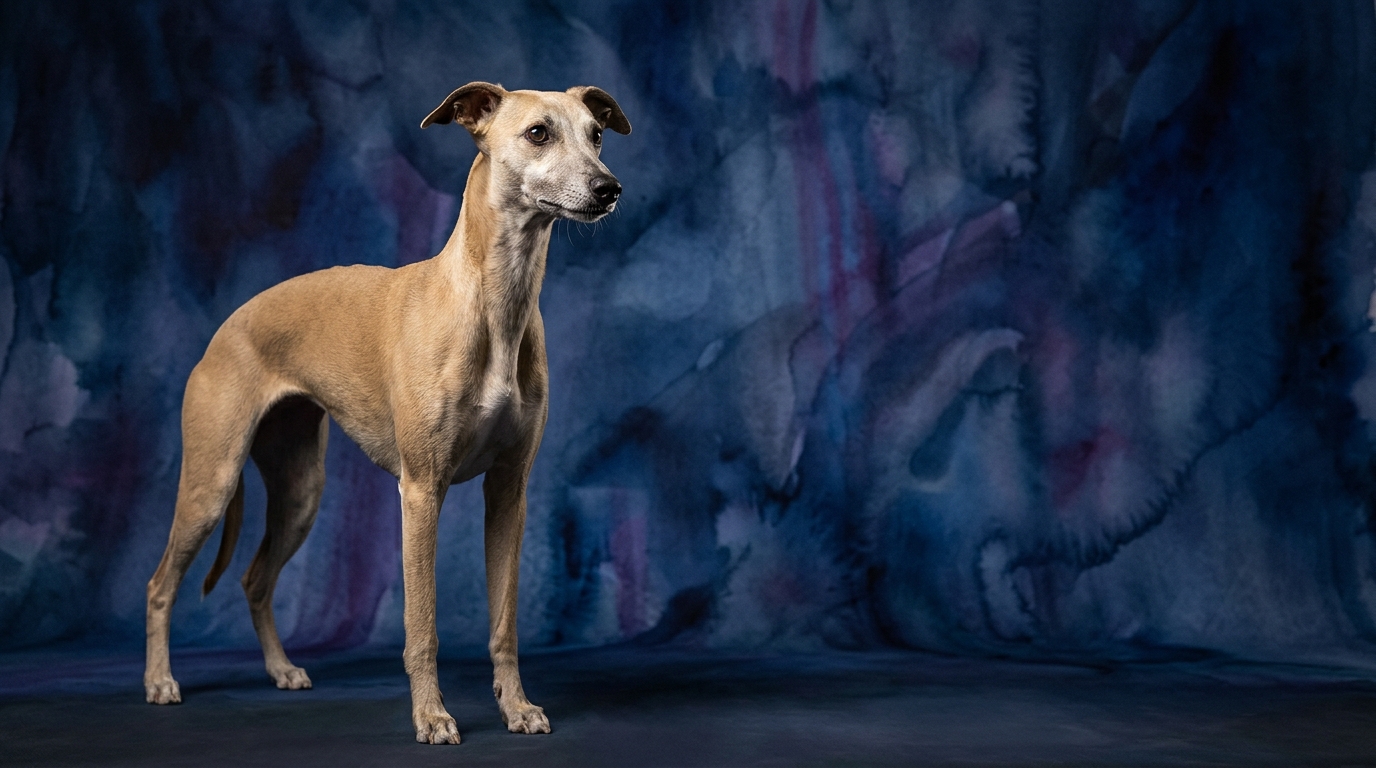
The Whippet, a sighthound known for its graceful speed, holds a Coren rank of #51, indicating a solid capacity for learning and obedience among dog breeds. Our Pet IQ Lab assessment scores the Whippet with a 3/5 for Problem Solving, suggesting a moderate ability to navigate novel situations or figure out minor puzzles. Their Training Speed is rated 2/5, implying they may require more patience and repetition to master new commands, often prioritizing instincts. Where they truly shine is Social Intelligence, scoring 4/5, demonstrating a keen perception of human emotions and subtle social cues, making them deeply empathetic companions. An Instinctive Drive of 5/5 highlights their powerful sighthound chase reflex, a core aspect of their identity, while their Memory stands at 3/5, indicating an average capacity for recall of learned behaviors and experiences.
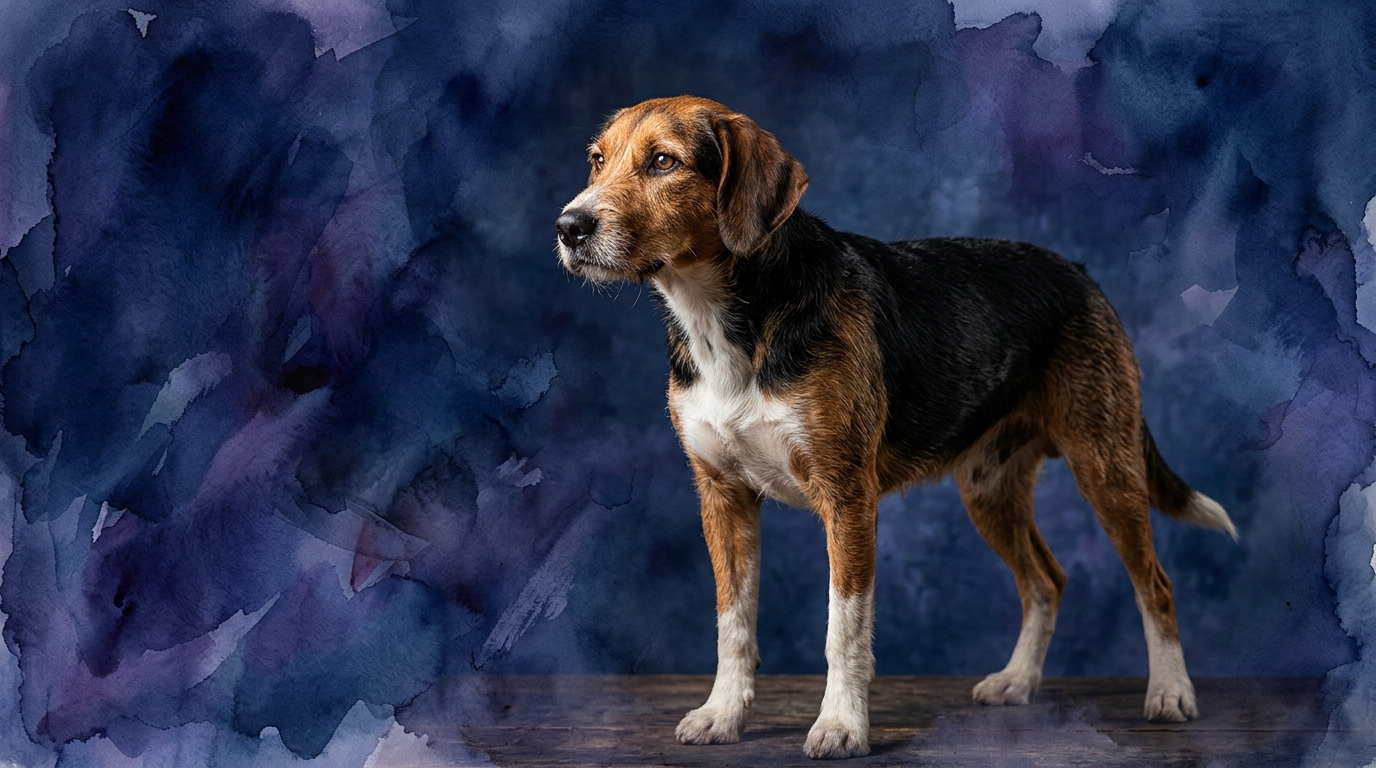
In contrast, the Harrier, a scenthound bred for endurance and pack hunting, does not appear on the Coren ranking, reflecting different cognitive priorities. Our Pet IQ Lab evaluates the Harrier at 3/5 for Problem Solving, indicating a practical intelligence focused on navigating environments and obstacles, particularly on a scent trail. Their Training Speed is rated 3/5, suggesting they are generally receptive to consistent training and can learn new tasks at an average pace, thriving on engagement. The Harrier’s Social Intelligence is 3/5; they are sociable and enjoy companionship but may not possess the same nuanced emotional sensitivity as the Whippet. Their Instinctive Drive is also 3/5, primarily manifesting as a strong, sustained scenting ability rather than an explosive visual chase, and their Memory is 3/5, aiding in recall of complex scent patterns and pack dynamics.
Where the Whippet Wins Cognitively
The Whippet’s standout cognitive strength lies in its Social Intelligence, scoring a notable 4/5 compared to the Harrier’s 3/5. This higher rating signifies an exceptional capacity for reading and responding to human emotional states and social dynamics. A Whippet is more likely to pick up on subtle changes in your mood, offering comfort or space as needed, and tends to be highly attuned to household routines and interpersonal relationships. This makes them remarkably intuitive companions, often anticipating owner's wishes or emotional needs, fostering a profound bond.
Another area where the Whippet shows a distinct cognitive emphasis is its Instinctive Drive, rated a powerful 5/5. While this intense sighthound reflex can present training challenges, it is a testament to their highly specialized cognitive architecture. This drive is not merely physical; it involves rapid visual processing, quick decision-making in pursuit, and an acute awareness of movement in their environment. This cognitive specialization for speed and chase is a hallmark of the breed, demonstrating a unique problem-solving approach centered on swift action and target acquisition.
Where the Harrier Wins Cognitively
The Harrier demonstrates a cognitive advantage in Training Speed, scoring 3/5 compared to the Whippet’s 2/5. This indicates that Harriers generally grasp new commands and routines more readily, often requiring fewer repetitions to solidify a behavior. Their history of working cooperatively in a pack with handlers has likely fostered a predisposition for attentiveness to instruction and a willingness to engage in structured learning, making them more amenable to traditional obedience training and consistent guidance.
While both breeds share a 3/5 in Problem Solving, the Harrier’s cognitive strengths often manifest in a practical, persistent manner, particularly related to their innate scenting abilities. Their problem-solving skills are evident in their capacity to systematically follow complex scent trails, navigating varied terrains and overcoming obstacles through focused determination. This involves sustained cognitive effort to process olfactory information, discriminate scents, and maintain concentration over long periods, showcasing intellectual stamina distinct from the Whippet’s visually-driven quickness.
Furthermore, the Harrier's Instinctive Drive, rated 3/5, while lower than the Whippet’s, can be considered a cognitive 'win' in terms of manageability and applicability to diverse tasks. Their drive is primarily scent-based and enduring, making it channelable into activities like scent work, tracking, or long-distance hiking. This contrasts with the Whippet’s explosive chase drive, which is harder to redirect. The Harrier’s moderate drive allows for a more balanced engagement with their environment and a greater capacity for sustained, focused work without the overwhelming urge to pursue visual stimuli.
Which is Easier to Train and Why
When considering ease of training, the Harrier generally presents a more straightforward experience for most owners. The Harrier’s Training Speed of 3/5, combined with a more moderate Instinctive Drive of 3/5, means they are typically more responsive to consistent instruction. Their historical role as cooperative pack hunters has instilled a desire to work alongside their human companions, making them more inclined to follow commands and engage in structured learning activities, especially those that tap into their robust sense of smell.
The Whippet, on the other hand, with a Training Speed of 2/5 and a potent Instinctive Drive of 5/5, often requires a more patient and nuanced approach. Their sighthound nature means that visual stimuli, such as a squirrel darting across a field, can instantly override any learned command, making off-leash reliability a significant challenge. While they are capable of learning, their independent spirit and powerful chase reflex demand exceptionally consistent positive reinforcement and a deep understanding of their breed-specific motivations to achieve desired behaviors, often prioritizing innate urges over human direction.
Which Suits Active Owners vs. Relaxed Owners
For active owners, both breeds can be excellent matches, but their activity preferences diverge significantly. The Whippet thrives with owners who can provide intense, short bursts of high-speed exercise, such as lure coursing, sprinting in a secure area, or vigorous play, followed by ample rest. Their exercise needs are about intensity and speed, not endurance. For the Harrier, active owners who enjoy sustained, prolonged physical activity like long-distance hiking, trail running, or engaging in scent-based sports will find an eager and tireless companion. Their stamina and preference for consistent engagement make them ideal partners for extensive outdoor exploration.
When it comes to relaxed owners, the Whippet is generally a more suitable fit, provided their brief, intense exercise requirements are consistently met. Indoors, Whippets are often calm, quiet, and content to lounge for extended periods, making them excellent companions for quiet evenings or apartment living. Their high Social Intelligence also means they are adept at simply existing peacefully alongside their human family. The Harrier, however, is less suited for a truly relaxed lifestyle. Their moderate Instinctive Drive and need for both physical and mental stimulation mean that without sufficient structured activity, they can become restless or engage in unwanted behaviors, requiring a proactive approach from owners to keep them content.
The Verdict
If you value a deeply perceptive companion who is calm indoors after intense sprints, and you're prepared for patient, consistent training to manage a strong chase instinct, the Whippet is an excellent choice.
Opt for a Harrier if you seek a resilient, cooperative partner for sustained outdoor adventures and appreciate a dog that responds well to consistent, engaging training methods, especially those involving scent work.
🧠 Find Your Pet's IQ Score
Our Pet IQ Lab assessment covers 25+ tests across 5 cognitive dimensions — personalized to your breed.
Take the Full IQ Test →Frequently Asked Questions
Do Whippets and Harriers learn tricks at the same rate?
No, Harriers generally pick up new tricks and commands faster (training speed 3/5) than Whippets (training speed 2/5), who may require more repetition and patience to solidify new behaviors.
Which breed is more likely to run off if off-leash?
Whippets, with their intense instinctive drive (5/5) and sighthound nature, are more prone to bolting after perceived prey if off-leash. Harriers, while having a strong scent drive, are often more focused on a trail than an immediate visual chase, making them somewhat less likely to disappear in an instant.
How does social intelligence differ between the two?
Whippets (4/5) exhibit higher social intelligence, being more attuned to human emotions and subtle social cues, often showing a deeper empathetic connection. Harriers (3/5) are sociable and friendly but may not pick up on nuanced human expressions as readily.