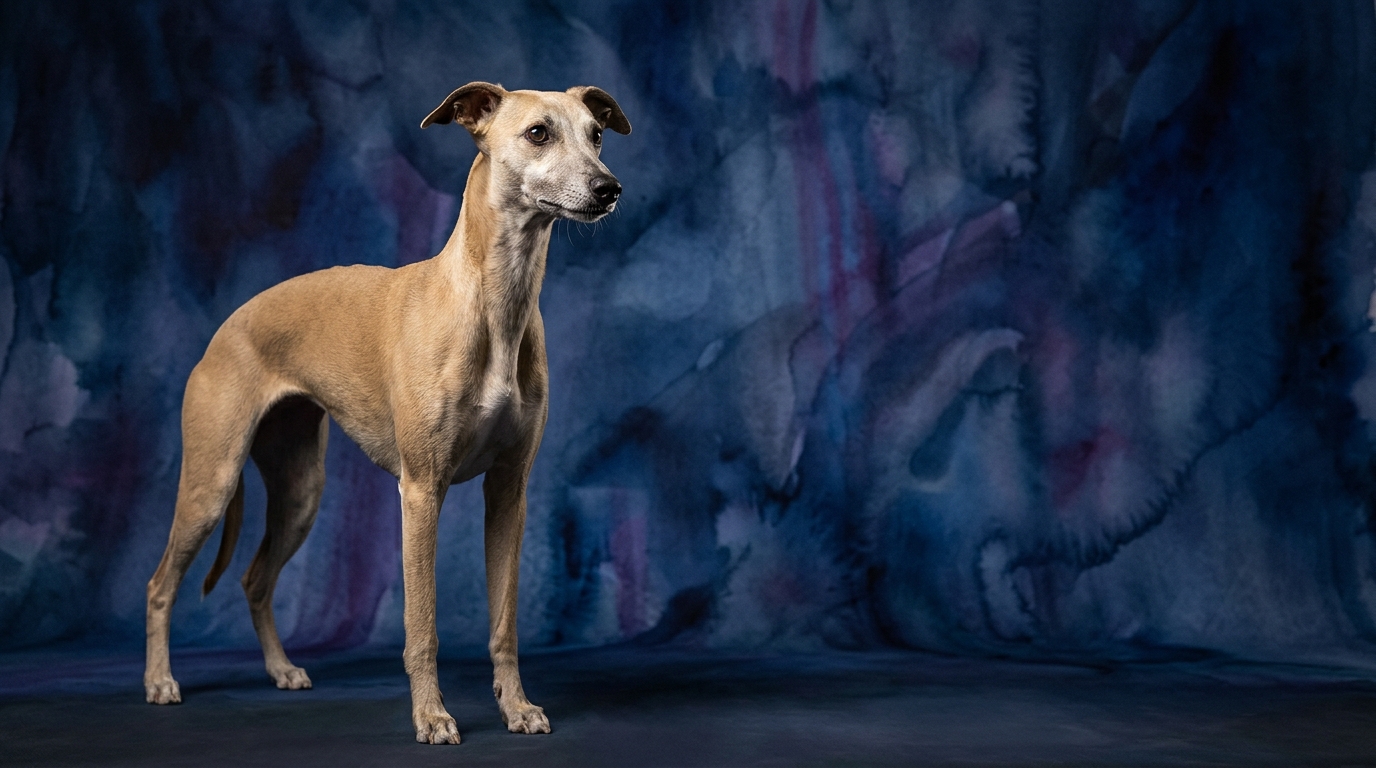
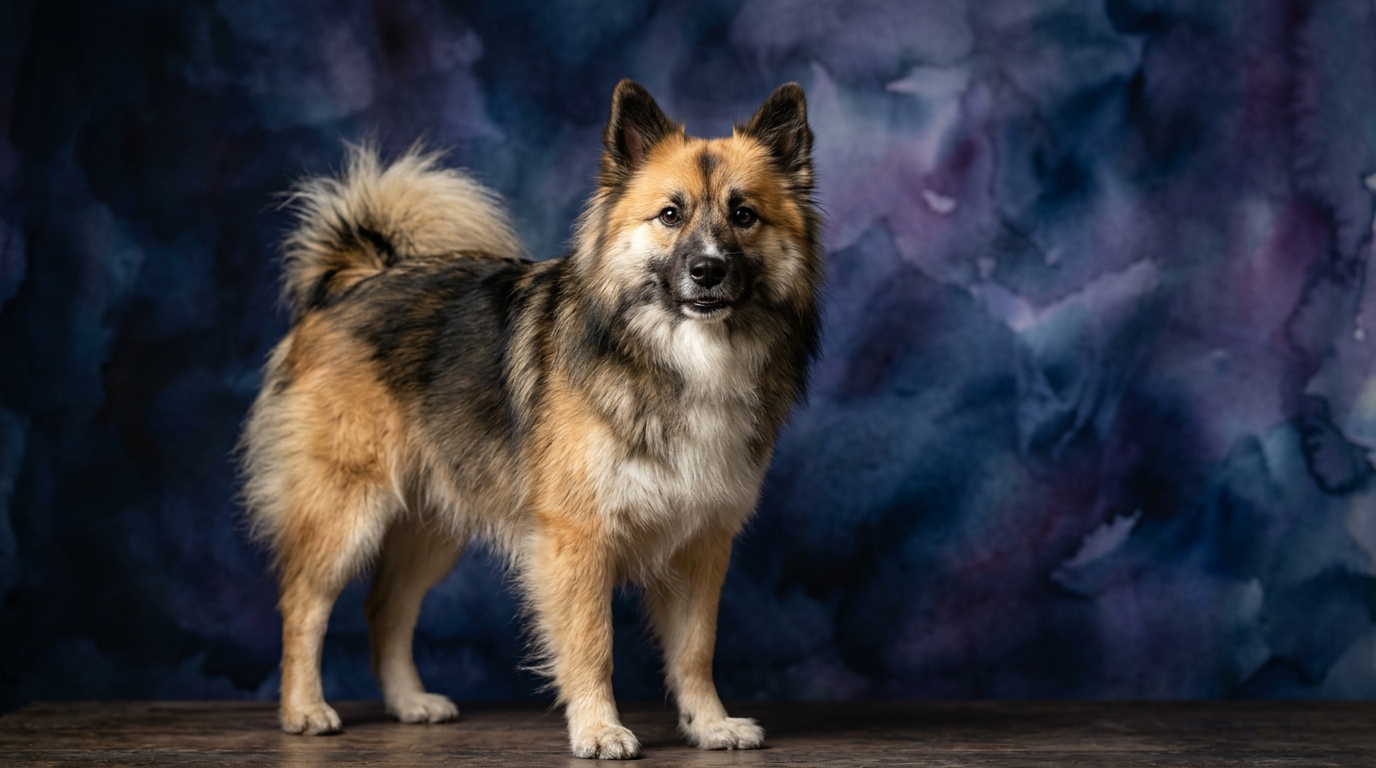
Side-by-Side Cognitive Profile: Whippet vs. Icelandic Sheepdog
The Pet IQ Lab assesses five key cognitive dimensions, and a direct comparison of the Whippet and Icelandic Sheepdog reveals both commonalities and distinct aptitudes. Both breeds register an average 3/5 in **Problem Solving** and **Memory**, suggesting neither is predisposed to exceptional ingenuity or forgetfulness; they are capable of learning and adapting to their environments without consistently demonstrating groundbreaking solutions or flawless recall.
Where differences emerge is in their interactive and drive-based cognition. The Whippet's **Training Speed** is rated at 2/5, indicating a slightly slower uptake of new commands, while the Icelandic Sheepdog scores an average 3/5, suggesting a more consistent rate of learning structured tasks. In **Social Intelligence**, the Whippet stands out with a 4/5, displaying an above-average capacity for understanding human cues, whereas the Icelandic Sheepdog holds an average 3/5.
The most pronounced divergence lies in **Instinctive Drive**. The Whippet scores a perfect 5/5, reflecting its powerful, specialized sighthound prey drive geared towards the chase. The Icelandic Sheepdog, by contrast, has an average 3/5 in instinctive drive, which manifests as a moderate herding impulse, focused more on gathering and managing rather than pure pursuit. These distinct drives are foundational to their cognitive makeup and influence much of their behavior.
Where the Whippet Wins Cognitively
The Whippet's cognitive strengths are particularly evident in its **Social Intelligence (4/5)**. This breed possesses an above-average ability to perceive and respond to human emotions, body language, and social dynamics. This often translates into a dog that is remarkably attuned to its owner’s mood, capable of offering comfort or engaging in playful interaction based on subtle cues. Their capacity for empathy and deep connection makes them exceptionally sensitive and responsive companions within a family setting, often anticipating needs or reacting instinctively to shifts in the household atmosphere.
Another area of distinct cognitive potency for the Whippet is its **Instinctive Drive (5/5)**. While this can present management considerations, it represents a highly specialized and powerful form of intelligence. Their entire physical and mental being is optimized for the chase: rapid visual processing, instantaneous decision-making during pursuit, and an unwavering focus on a moving target. This intense, refined drive is not merely physical prowess but a complex cognitive program, making them masters of their ancestral sighthound purpose and showcasing a peak of specialized mental architecture.
Where the Icelandic Sheepdog Wins Cognitively
The Icelandic Sheepdog's cognitive profile showcases a more consistently balanced and cooperative intelligence, particularly evident in its **Training Speed (3/5)** when compared directly to the Whippet. While both breeds share an average **Problem Solving (3/5)** and **Memory (3/5)**, the Icelandic Sheepdog's average training speed indicates a generally more straightforward and receptive approach to learning new commands and routines. Their historical role as working herding dogs fostered a natural inclination towards responsiveness and collaboration with humans, making them generally attentive and willing students.
Furthermore, the Icelandic Sheepdog’s **Instinctive Drive (3/5)**, while not as singularly intense as the Whippet's, represents a highly functional and versatile form of working intelligence. Their herding instinct involves complex pattern recognition, spatial awareness, and the ability to subtly influence and direct groups of animals. This drive is less about raw, explosive pursuit and more about strategic engagement, patient guidance, and a broader understanding of group dynamics. This cognitive underpinning, though rated average in intensity, allows them to engage in tasks requiring sustained mental focus and cooperative effort.
Which is Easier to Train and Why
When evaluating ease of training, the Icelandic Sheepdog generally holds an advantage over the Whippet, primarily due to their differing **Training Speed** and the nature of their **Instinctive Drives**. The Icelandic Sheepdog's **Training Speed (3/5)** signifies an average aptitude for grasping new commands and routines, meaning they typically pick up on what's expected of them with a reasonable number of repetitions. Their historical role as working companions meant they needed to be responsive to human direction, fostering a cooperative mindset that translates into a dog generally eager to engage in training sessions and learn structured tasks.
In contrast, the Whippet's **Training Speed (2/5)** suggests they may require more patience and consistency to solidify new behaviors. While certainly capable of learning, their disposition can be more independent, and they might not possess the same inherent drive to please through rigorous obedience. A significant factor here is the Whippet's exceptionally high **Instinctive Drive (5/5)**, which is almost entirely focused on chasing. This powerful prey drive can easily override other commands, especially in stimulating environments. While an Icelandic Sheepdog's **Instinctive Drive (3/5)** (herding) is also present, it’s generally more manageable and can often be channeled into constructive activities, whereas a Whippet's chase instinct requires constant management and specific outlets to prevent it from becoming a disruptive force. Therefore, for general obedience and reliability in varied environments, the Icelandic Sheepdog typically proves easier to train.
Which Suits Active Owners vs. Relaxed Owners
The choice between a Whippet and an Icelandic Sheepdog also hinges significantly on an owner's lifestyle, particularly their activity level and willingness to engage with specific cognitive needs. The Whippet, despite its reputation for being a calm indoor presence, is fundamentally engineered for bursts of speed and possesses an extreme **Instinctive Drive (5/5)**. This means they require regular, intense opportunities to run and chase in a safe, enclosed space. While they might be relaxed indoors, their mental and physical well-being depends on satisfying that deep-seated drive. Owners who enjoy short, explosive exercise sessions, or who can provide access to lure coursing or similar activities, would suit a Whippet well. Their high **Social Intelligence (4/5)** means they thrive on close human companionship, making them excellent companions for relaxed evenings, provided their physical needs are met.
The Icelandic Sheepdog, with its balanced **Instinctive Drive (3/5)**, **Problem Solving (3/5)**, and **Training Speed (3/5)**, generally suits owners who are moderately active and enjoy engaging their dogs in various activities. Their herding background means they appreciate having a 'job' or purpose, even if it's just regular walks, learning new tricks, or participating in dog sports like agility or rally. They are less about explosive sprints and more about sustained activity and consistent mental engagement. Owners who enjoy hiking, long walks, or consistent training sessions would find the Icelandic Sheepdog a willing and energetic companion. While adaptable, their cognitive needs lean towards consistent interaction and mental stimulation rather than intense, short bursts of physical activity followed by prolonged rest.
The Verdict
When seeking a deeply empathetic companion who thrives on close social connection and requires outlets for bursts of intense physical activity, the Whippet is an excellent choice.
If you prefer a more consistently engaged, trainable partner for varied activities and a balanced working drive, the Icelandic Sheepdog will likely be a more suitable fit.
🧠 Find Your Pet's IQ Score
Our Pet IQ Lab assessment covers 25+ tests across 5 cognitive dimensions — personalized to your breed.
Take the Full IQ Test →Frequently Asked Questions
Do Whippets need a lot of exercise despite their calm indoor demeanor?
Yes, absolutely. Despite their reputation as '45-mph couch potatoes,' Whippets possess an extreme instinctive drive (5/5) for chasing. They require regular, intense bursts of running in a safe, enclosed area to satisfy this fundamental cognitive and physical need.
Is the Icelandic Sheepdog's herding instinct difficult to manage in a home environment?
The Icelandic Sheepdog's instinctive drive (3/5) is moderate and generally manageable. While they might try to 'herd' family members or other pets, this can often be channeled through training, providing jobs like carrying items, or engaging in dog sports that utilize their natural abilities in a constructive way.
How do their problem-solving abilities compare for everyday tasks?
Both the Whippet and Icelandic Sheepdog rate similarly with a 3/5 in problem-solving. This suggests they are capable of learning routines and navigating common household challenges, but neither breed is likely to consistently devise complex solutions or outsmart their owners with ingenious schemes.