Side-by-Side Cognitive Profiles
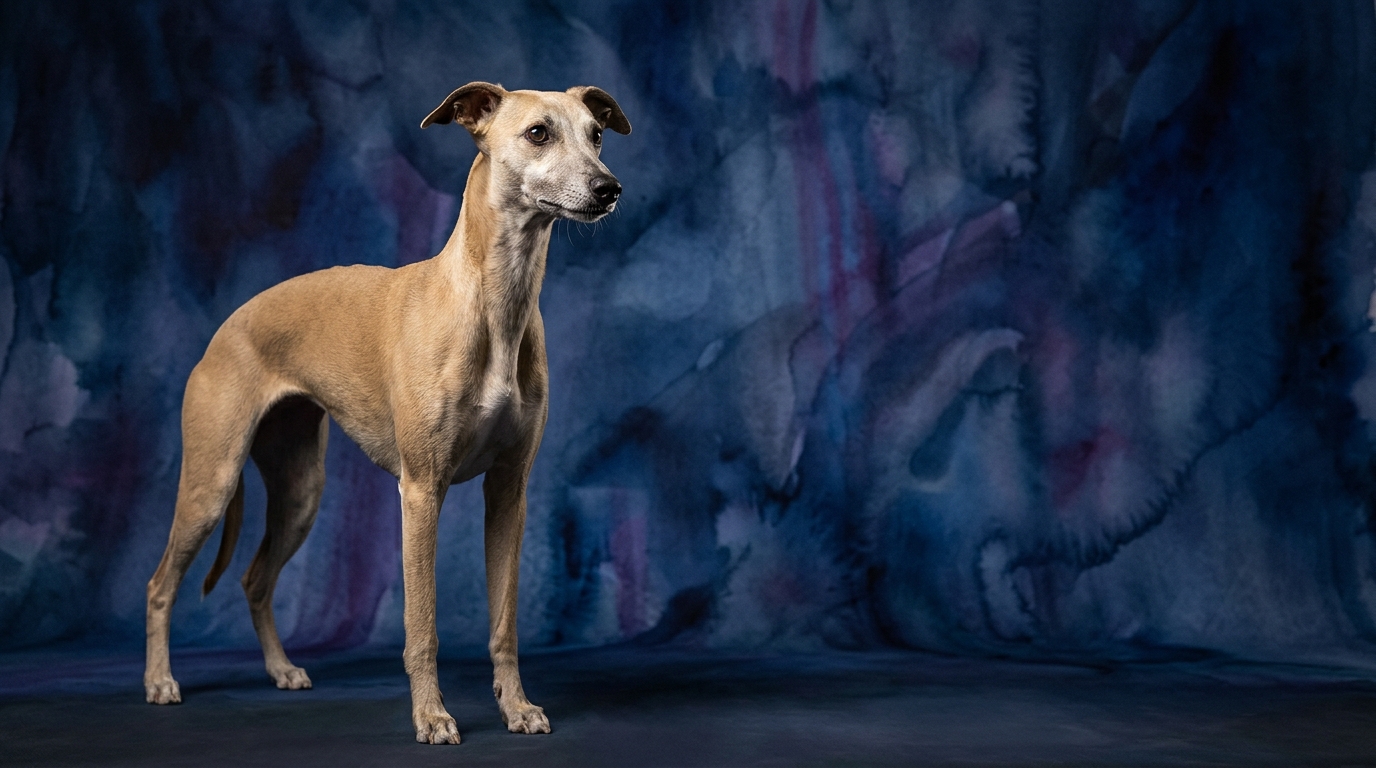
The Cosmic Pet Pet IQ Lab employs a five-dimensional framework to assess canine cognition, offering a granular view of each breed's mental aptitudes. For the Whippet, a breed ranked #51 by Coren for working intelligence, we observe a nuanced profile reflecting its sighthound heritage. Its Problem Solving is rated 3/5, indicating an ability to navigate practical challenges but not necessarily complex, abstract ones. Training Speed scores 2/5, suggesting a degree of independence in learning new commands, which can sometimes be perceived as a less eager-to-please disposition. Where the Whippet truly shines is in Social Intelligence, scoring an impressive 4/5, highlighting its deep connection with human companions and pack dynamics. Its Instinctive Drive is a powerful 5/5, primarily manifesting as an intense chase instinct, while Memory registers at 3/5, capable of retaining routines and commands with consistency.
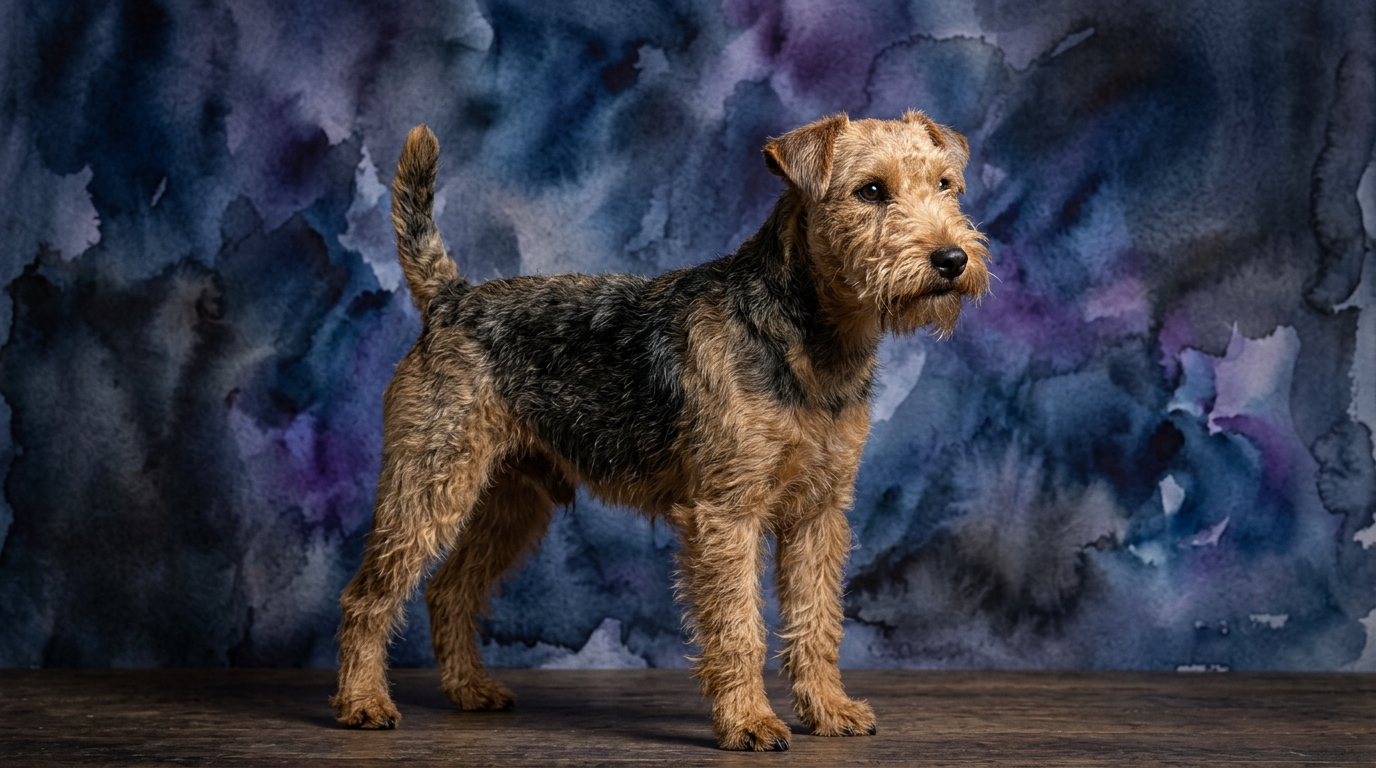
In contrast, the Lakeland Terrier, a breed currently unranked by Coren's traditional metrics, presents a different yet equally compelling cognitive makeup. Its Problem Solving ability also sits at 3/5, reflecting a resourceful nature often applied to overcoming physical obstacles or figuring out how to access desired items. Training Speed is slightly higher at 3/5, indicating a capacity for learning commands that, while sometimes tempered by terrier tenacity, can be quite effective with consistent methods. Social Intelligence for the Lakeland Terrier is 3/5, suggesting loyalty and affection, though often expressed with a more independent streak than a Whippet. Its Instinctive Drive is 3/5, typically geared towards hunting vermin, digging, and exploring its environment. Memory, like the Whippet, is rated 3/5, allowing it to remember learned behaviors and familiar routines.
Where the Whippet Excels Cognitively
The Whippet's cognitive strengths are deeply rooted in its purpose as a sighthound, particularly evident in its superior Social Intelligence and specialized Instinctive Drive. With a Social Intelligence score of 4/5 compared to the Lakeland Terrier's 3/5, Whippets often display a profound attunement to their human family's moods and presence. They frequently seek close physical contact, thriving on companionship and providing a comforting, empathetic presence. This isn't merely affection; it's a sophisticated ability to integrate into and respond to the social fabric of their household, often anticipating needs or reacting to subtle emotional cues.
Furthermore, the Whippet's Instinctive Drive, rated a commanding 5/5, represents a highly refined cognitive specialization. While both breeds possess innate drives, the Whippet's is almost singularly focused on the pursuit of moving objects. This intense, hardwired chase response demonstrates exceptional visual processing speed, target acquisition, and an unwavering commitment to its quarry once spotted. It’s a powerful, almost meditative focus on a specific, ancient task, showcasing a form of cognitive efficiency that, while not broadly applicable, is exceptionally developed within its domain.
Where the Lakeland Terrier Shines Cognitively
The Lakeland Terrier's cognitive advantages are best understood through the lens of its working terrier background, particularly in its Training Speed and the practical application of its Problem Solving. While both breeds score 3/5 in Problem Solving, the Lakeland often demonstrates a highly resourceful and hands-on approach to challenges. This can manifest as cleverly manipulating objects to gain access to a treat, figuring out how to navigate complex terrain, or persistently working to achieve a goal, such as digging under a fence. This type of problem-solving is often tactile and persistent, reflecting a breed bred to independently overcome obstacles in tight spaces.
Crucially, the Lakeland Terrier's Training Speed, at 3/5 compared to the Whippet's 2/5, suggests a slightly quicker uptake of new commands and routines, provided the training is engaging and consistent. This isn't to say they are always compliant; their independent terrier spirit is well-documented. However, their inherent curiosity and drive to engage with their environment, combined with a willingness to work alongside a handler, can lead to more efficient learning of specific tasks and obedience cues. This slightly higher training speed can make initial command acquisition a smoother process, though ongoing consistency is always paramount with terriers.
Training Dynamics: Whippet vs. Lakeland Terrier
When considering ease of training, the differences between the Whippet and Lakeland Terrier become quite apparent, largely due to their disparate instinctive drives and social inclinations. The Whippet's Training Speed score of 2/5 indicates that while they are capable learners, they can be more independent and less driven by a desire to constantly please their handler. Their formidable Instinctive Drive (5/5), primarily the chase instinct, means that outdoor environments with moving stimuli can be incredibly distracting, making consistent recall a significant training challenge. Positive reinforcement, patience, and understanding their sighthound nature – which values bursts of speed followed by calm – are crucial.
The Lakeland Terrier, with a Training Speed of 3/5, often grasps new commands with a bit more alacrity than the Whippet. However, their independent terrier spirit and ingrained resourcefulness (Problem Solving 3/5) can sometimes translate into selective hearing or a preference for their own agenda. They require consistent, firm, and fair training methods that engage their intelligent minds without resorting to harshness. While their Instinctive Drive (3/5) is less singularly focused than the Whippet's chase, it translates into a persistent drive to explore, dig, and hunt, which can be equally challenging to manage without proper training and outlets. Overall, the Lakeland Terrier might be marginally easier for an experienced owner to train specific obedience commands due to its slightly higher training speed and engagement, but both breeds demand dedicated, understanding trainers.
Matching Breeds to Lifestyles: Active vs. Relaxed Owners
The Whippet's lifestyle requirements often surprise prospective owners; despite their incredible speed and high Instinctive Drive (5/5), they are often described as "45 mph couch potatoes." They thrive on short, intense bursts of running in a secure, fenced area, followed by long periods of relaxation and comfort indoors. Their high Social Intelligence (4/5) means they are deeply content being close to their people, often curled up on a sofa. They suit owners who enjoy these brief, vigorous outdoor activities but primarily seek a calm, affectionate, and relatively low-maintenance indoor companion who values quiet companionship over constant stimulation.
The Lakeland Terrier, conversely, while not requiring the same explosive sprints, demands a different kind of engagement. Their Instinctive Drive (3/5) is expressed through a constant curiosity, a need to explore, and a desire for mental stimulation. Their Problem Solving (3/5) and slightly higher Training Speed (3/5) mean they are often looking for a job or a puzzle to solve. They suit owners who are prepared for consistent daily walks, interactive play sessions, and mental enrichment activities to prevent boredom and potential mischief. They are better suited for active owners in the sense of providing regular, varied engagement and structured activities, rather than just bursts of physical exertion.
The Verdict
Choose a Whippet if you seek a deeply affectionate, socially intelligent companion who thrives on brief, exhilarating runs and then transforms into a serene, comforting presence indoors.
Opt for a Lakeland Terrier if you appreciate an independent, resourceful dog that enjoys consistent mental and physical engagement, and you're prepared for a clever, sometimes tenacious companion.
🧠 Find Your Pet's IQ Score
Our Pet IQ Lab assessment covers 25+ tests across 5 cognitive dimensions — personalized to your breed.
Take the Full IQ Test →Frequently Asked Questions
Do Whippets need a lot of exercise?
Whippets require intense, short bursts of exercise, such as sprinting in a securely fenced area, for about 20-30 minutes daily. Beyond that, they are typically quite relaxed indoors, enjoying lounging and quiet companionship with their family.
Are Lakeland Terriers good with other pets?
Lakeland Terriers can coexist with other pets, especially if socialized from a young age, but their strong terrier instincts mean they may not be suitable for homes with small rodents or birds. Supervision and careful introductions are always recommended.
Which breed is better for apartment living?
Both breeds can adapt to apartment living with proper exercise and mental stimulation. Whippets often excel due to their calm indoor nature, while Lakeland Terriers require consistent engagement to prevent boredom in smaller spaces, making them more demanding in terms of owner interaction.