
Side-by-Side IQ Profile: Whippet vs. Pumi
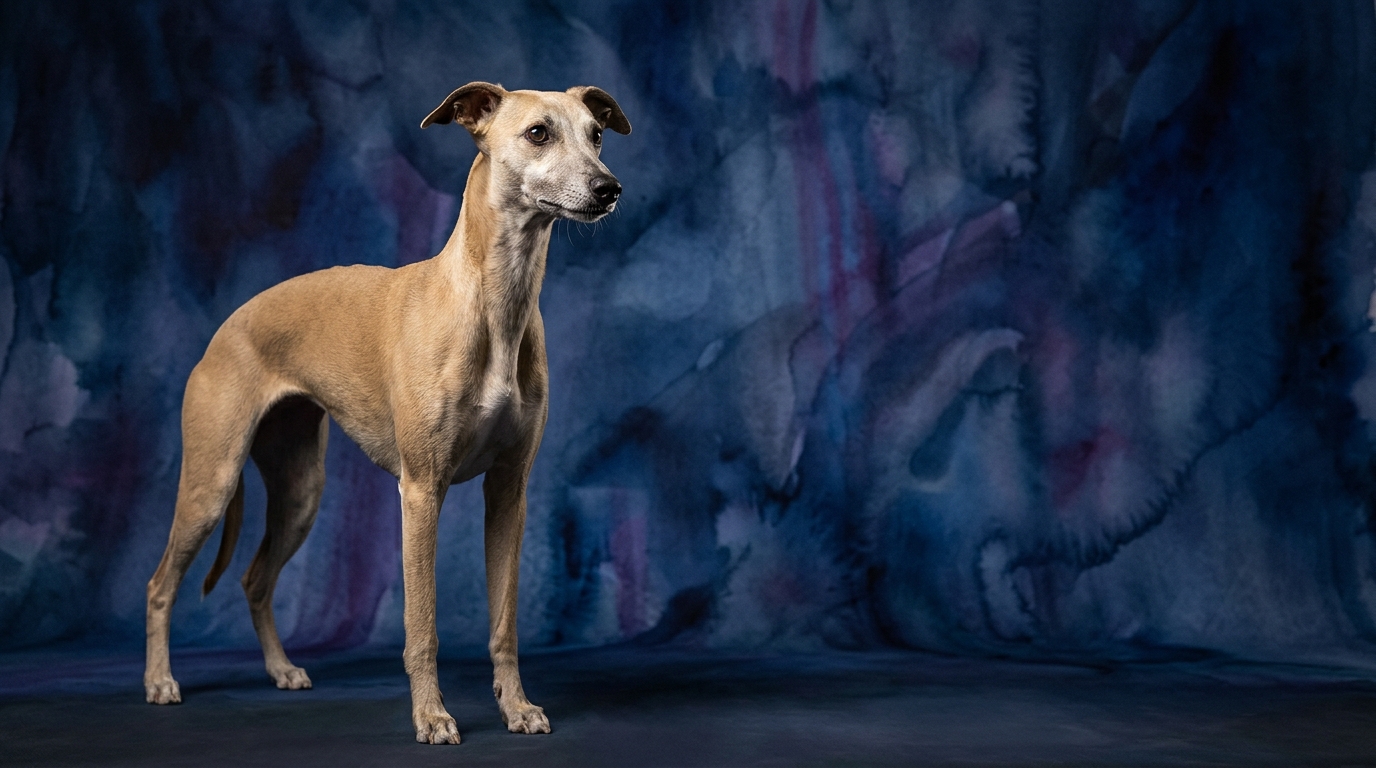
The Whippet, a sighthound refined for speed, presents a unique cognitive profile. Their Problem Solving score of 3/5 suggests a practical intelligence, often focused on efficiency in pursuit rather than complex abstract thought. Training Speed, rated at 2/5, indicates they may require more patient, consistent methods, often motivated by play or high-value rewards, as their independent spirit can sometimes overshadow a desire to please. Social Intelligence, a standout at 4/5, highlights their exceptional ability to read human emotions and subtle cues, forming deep, empathetic bonds with their families. Their Instinctive Drive, a perfect 5/5, is overwhelmingly geared towards chase and capture, a deeply ingrained genetic blueprint that defines much of their behavioral landscape. Finally, their Memory, at 3/5, provides a sufficient capacity for recalling learned behaviors and routines, though not to an exceptional degree.
In contrast, the Pumi, a Hungarian herding dog, showcases a different set of cognitive priorities. Their Problem Solving also scores 3/5, but this often manifests as strategic thinking related to movement and control, inherent to their herding legacy. Training Speed, at 3/5, places them a step above the Whippet, suggesting a quicker grasp of commands and a generally more biddable nature, eager to engage in collaborative tasks. Social Intelligence, rated at 3/5, indicates a good connection with their human companions, though perhaps not with the same nuanced sensitivity as the Whippet, often expressed through an active desire to participate. Their Instinctive Drive, at 3/5, is primarily focused on herding—gathering, guiding, and controlling, a drive that requires channeling rather than suppressing. Their Memory, mirroring the Whippet at 3/5, allows them to retain a reasonable repertoire of commands and experiences, essential for their working roles.
Where the Whippet Wins Cognitively
When comparing specific cognitive strengths, the Whippet demonstrably shines in areas of social understanding and a highly specialized instinctive drive. Their Social Intelligence, scoring 4/5, is a significant advantage, allowing them to excel at reading the subtle nuances of human emotion and body language. This translates into an uncanny ability to offer comfort, anticipate needs, and integrate seamlessly into the emotional fabric of a family, often communicating through quiet observation and gentle presence. They are masters of the unspoken bond, often seeming to 'just know' what their human is feeling, making them exceptionally empathetic companions.
Furthermore, the Whippet's Instinctive Drive, a powerful 5/5, while sometimes challenging to manage, is a remarkable cognitive achievement in itself. This drive represents a highly refined, purpose-built predatory sequence, honed over centuries for speed and efficiency in pursuit. It's not merely a physical attribute, but a complex cognitive program involving rapid target identification, predictive pathfinding, and unparalleled focus. This extreme specialization, while not universally applicable, is a profound cognitive win within their designed function, showcasing a singular dedication to their ancestral task.
Where the Pumi Wins Cognitively
The Pumi, with its herding heritage, brings distinct cognitive advantages to the table, particularly in its adaptability to training and a more versatile application of its problem-solving abilities. Their Training Speed, rated at 3/5 compared to the Whippet's 2/5, stands out as a clear cognitive win. This quicker uptake of new commands and routines makes them generally more responsive to instruction and enthusiastic about learning new tasks. Owners often find Pumis eager to engage in structured training sessions, making progress in obedience, agility, or other dog sports a more fluid and rewarding experience.
While both breeds score 3/5 in Problem Solving, the Pumi's herding background suggests a different *flavor* of this intelligence. A Pumi's problem-solving often involves strategic thinking about movement, spatial awareness, and anticipating the actions of others (be it livestock or family members). This manifests as an ability to navigate complex environments, figure out how to 'organize' people or objects, or find creative solutions to get what they want within a social structure. This proactive, organizational problem-solving, coupled with their quicker training speed, equips them better for varied intellectual challenges and interactive games that require more than just speed or observation.
Which is Easier to Train, and Why?
Based on their cognitive profiles, the Pumi generally presents as the easier breed to train, primarily due to its higher Training Speed and the nature of its Instinctive Drive. The Pumi's 3/5 Training Speed indicates a greater willingness and aptitude for learning and responding to human direction. Bred to work in close partnership with shepherds, they possess an inherent desire to understand and execute commands, making them more biddable partners in formal training settings. Their herding drive, while potent, is often channeled into constructive activities like agility, obedience, or even urban herding games, where they thrive on direction and purpose.
The Whippet, with a Training Speed of 2/5 and a potent 5/5 Instinctive Drive for chase, presents a different training dynamic. Their independence and focus on their natural prey drive can make consistent recall or attention in distracting environments more challenging. While capable of learning, their motivation often needs to be intrinsically linked to play, chase, or high-value rewards, rather than an inherent desire to please. Training a Whippet demands patience, creativity, and a deep understanding of their sighthound nature, focusing on shaping behaviors rather than expecting immediate compliance when a squirrel is in sight. They are not 'difficult,' but they require a trainer who respects their independence and leverages their natural desires effectively.
Cognitive Needs: Active Owners vs. Relaxed Owners
The choice between a Whippet and a Pumi also hinges significantly on an owner's lifestyle, particularly their definition of 'active' and 'relaxed.' A Whippet surprisingly suits owners who appreciate a generally relaxed household, punctuated by intense bursts of activity. While they require regular opportunities for full-speed sprinting in a secure, enclosed space to satisfy their 5/5 instinctive drive, once their energy is expended, they transform into remarkably calm, quiet, and affectionate couch potatoes. They are not typically suited for long, sustained jogs or demanding, continuous mental work, preferring short, explosive exercise sessions followed by extensive napping. Thus, they are ideal for owners who can provide secure off-leash running but enjoy a tranquil home life.
The Pumi, conversely, is an ideal match for consistently active owners who thrive on daily engagement and purposeful activity. Their 3/5 instinctive herding drive and moderate energy levels mean they require consistent mental stimulation and physical exercise beyond just a quick run. They excel in dog sports like agility, flyball, or obedience, and genuinely enjoy having a 'job' to do, even if it's just learning new tricks or solving puzzle toys. An owner who enjoys daily training sessions, long walks, and varied activities will find the Pumi an enthusiastic and tireless partner. They are less suited for owners seeking a purely relaxed companion, as their cognitive and physical needs demand regular interaction and direction to prevent boredom and potential mischievousness.
The Verdict
Choose a Whippet if you seek an elegantly calm, deeply affectionate indoor companion who thrives on intense, short bursts of secure off-leash running and appreciates a quiet, empathetic presence in the home.
Opt for a Pumi if you're an active owner craving an energetic, quick-witted partner for daily mental and physical challenges, enjoying consistent training, dog sports, and a dog with a purposeful drive.
🧠 Find Your Pet's IQ Score
Our Pet IQ Lab assessment covers 25+ tests across 5 cognitive dimensions — personalized to your breed.
Take the Full IQ Test →Frequently Asked Questions
Are Whippets difficult to train due to their lower training speed?
Whippets aren't inherently difficult, but their independent nature and strong prey drive mean training requires consistency, positive reinforcement, and understanding their motivations. They excel when tasks align with their natural tendencies, making recall in open spaces a particular focus for dedicated practice.
Does a Pumi's herding drive make them unsuitable for families with small children or other pets?
A Pumi's herding drive can manifest as nipping at heels or trying to 'gather' family members, but with proper socialization and training from a young age, this can be managed. They are generally good with children and other pets when their instincts are channeled appropriately into activities like fetch or structured games, rather than being allowed to 'herd' household members.
How do their social intelligence scores impact their suitability as family pets?
A Whippet's 4/5 social intelligence means they are often highly attuned to family dynamics, offering sensitive companionship and subtle communication, making them excellent emotional support dogs. A Pumi's 3/5 social intelligence indicates they are still very capable family members, but might be more direct in their interactions and less focused on subtle human emotional cues, prioritizing activity or a 'job' within the family unit.