Side-by-Side Cognitive Profiles
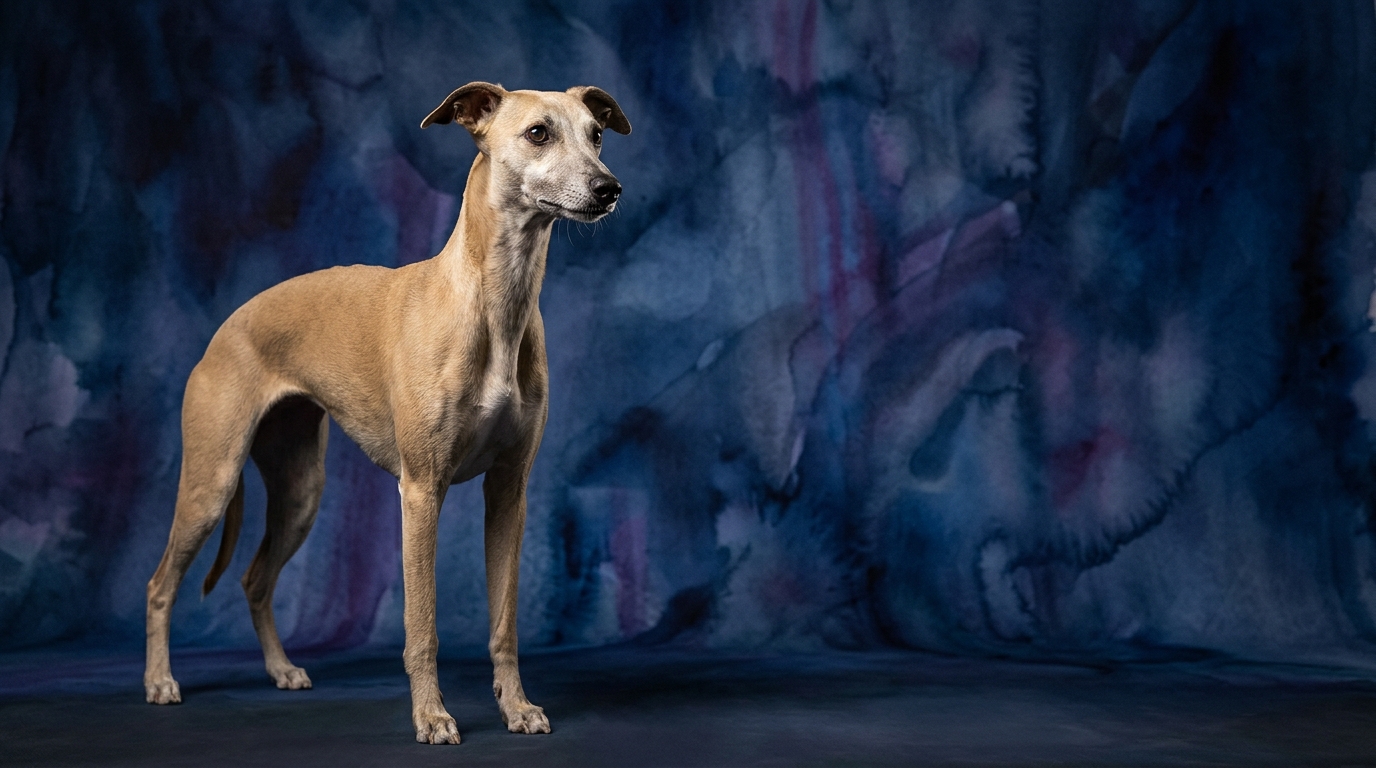
The Cosmic Pet Pet IQ Lab categorizes canine intelligence across five key dimensions, offering a nuanced view of how breeds think and learn. The Whippet, a sighthound, holds a Coren rank of #51, indicating a solid capacity for learning and understanding. Its individual cognitive scores are: Problem Solving 3/5, Training Speed 2/5, Social Intelligence 4/5, Instinctive Drive 5/5, and Memory 3/5. These scores paint a picture of a dog with strong social awareness and an intense, inherent drive.
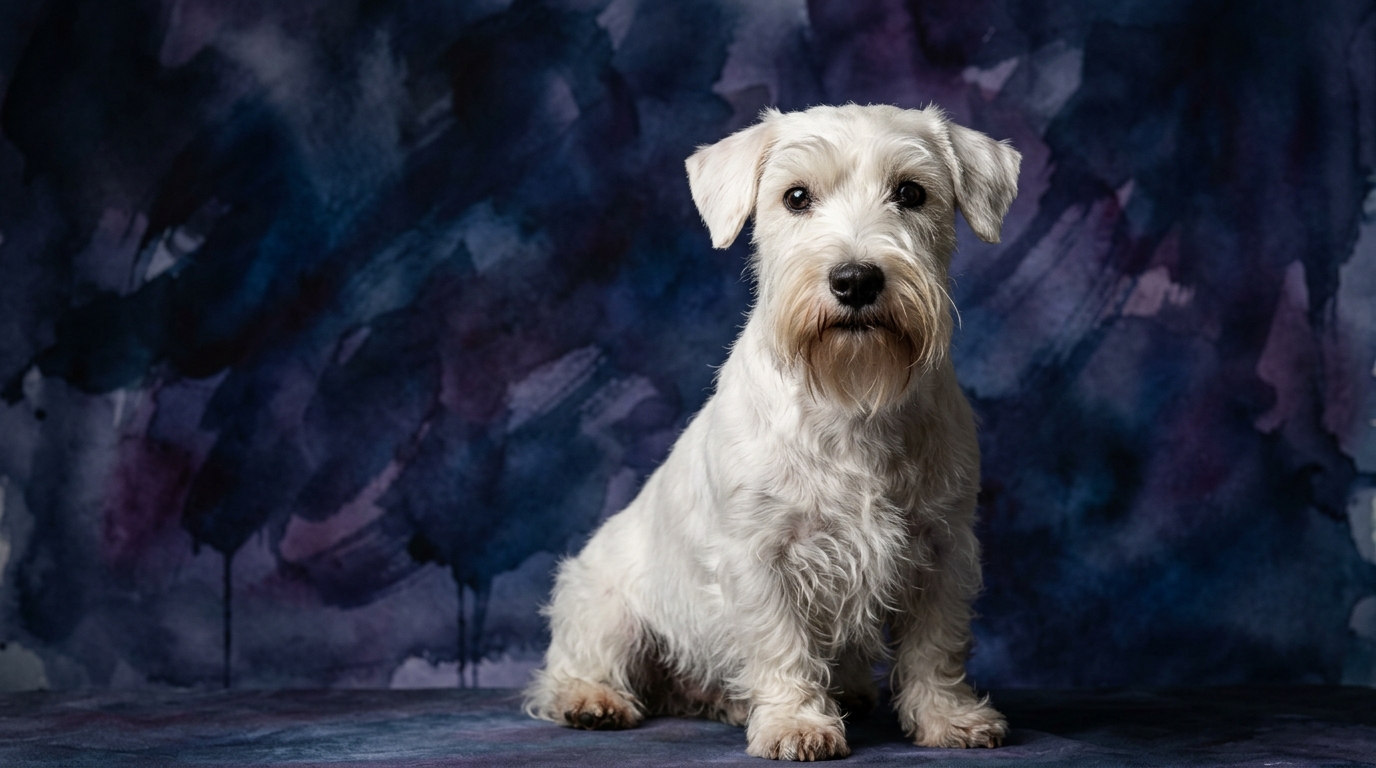
In contrast, the Sealyham Terrier, a feisty earthdog, does not currently hold a Coren rank, but our lab's assessment provides valuable insights into its mental makeup. The Sealyham's cognitive scores are: Problem Solving 3/5, Training Speed 3/5, Social Intelligence 3/5, Instinctive Drive 3/5, and Memory 3/5. This profile suggests a more balanced, all-around cognitive ability, without the extreme highs or lows seen in some specialized breeds, reflecting its versatile terrier heritage.
Where the Whippet's Cognition Shines
The Whippet demonstrates a distinct cognitive advantage in two primary areas: social intelligence and instinctive drive. With a Social Intelligence score of 4/5, the Whippet exhibits a remarkable ability to read human cues, understand social hierarchies within a household, and form deep, perceptive bonds. This translates into a companion animal that is often intuitive to its owner's moods and intentions, making it a responsive and empathetic presence rather than one that requires constant verbal direction. They often anticipate needs or react appropriately to subtle shifts in human body language, showcasing a sophisticated understanding of their social environment.
Furthermore, the Whippet's Instinctive Drive, rated at a perfect 5/5, is a defining feature of its cognitive architecture. This isn't merely a desire to chase, but a highly refined predatory sequence that involves rapid visual processing, immediate decision-making, and an unwavering focus on a moving target. Their minds are wired for the thrill of the pursuit, processing environmental stimuli at high speeds to calculate trajectories and intercept targets, a cognitive feat that demands immense concentration and physical coordination. This drive, while potent, is not uncontrolled; it is a focused mental state directed towards specific, instinctual goals.
Where the Sealyham Terrier's Cognition Excels
The Sealyham Terrier shows its cognitive strengths in its slightly higher Training Speed and a tenacious approach to problem-solving. While its Problem Solving score of 3/5 matches the Whippet, the Sealyham's terrier heritage imbues this with a particular persistence. When faced with a puzzle or an obstacle, a Sealyham is less likely to give up quickly, applying a determined, often trial-and-error approach until a solution is found. This isn't about raw speed of thought, but about the mental stamina to keep trying, a characteristic invaluable for their original purpose of flushing out quarry from dens.
The Sealyham's Training Speed of 3/5, a point higher than the Whippet's 2/5, suggests it may grasp new commands and routines with a touch more readiness. While terriers are often perceived as independent, the Sealyham's moderate scores across the board indicate a trainable nature, provided the training is engaging and consistent. Their equal standing in Memory (3/5) means they retain learned behaviors effectively, allowing for skill accumulation over time. This combination of persistence and moderate trainability makes them receptive to structured learning experiences, often thriving on tasks that require sequential actions or scent work.
Trainability: Whippet vs. Sealyham Terrier
When it comes to ease of training, the Sealyham Terrier generally presents a more straightforward path for the average owner, primarily due to its higher Training Speed score of 3/5 compared to the Whippet's 2/5. Whippets, despite their social intelligence, can be less inclined to perform repetitive obedience tasks if their powerful instinctive drive (5/5) is not adequately managed. A Whippet's mind is often scanning for movement, and a squirrel or a leaf blowing by can instantly divert its attention, making consistency a challenge without significant motivation and environmental control. Their independent nature, stemming from a history of working at a distance from humans, means they often require compelling incentives to engage fully in formal training.
Sealyhams, while not without their terrier stubbornness, tend to be more focused on the task at hand during training sessions, thanks to their balanced instinctive drive (3/5) and persistent problem-solving (3/5). They enjoy mental engagement and derive satisfaction from mastering new commands, especially if these tasks simulate their natural inclination to explore and 'work.' Their slightly higher training speed means they may pick up new concepts faster, and their tenacity ensures they'll apply themselves to the challenge. However, trainers must be aware that a Sealyham's definition of 'solving' a problem might sometimes involve creative, terrier-specific methods, requiring patient guidance to refine their approach.
Matching Canine Cognition to Lifestyle
For active owners seeking a companion to share their dynamic lifestyle, the Whippet, with its unparalleled instinctive drive (5/5) and strong social intelligence (4/5), is an excellent match. These dogs require regular opportunities to run at full speed in a safe, enclosed area, fulfilling their deep-seated need for chase and physical expression. While they are famously calm and affectionate indoors, their mental well-being is intrinsically linked to satisfying their sighthound instincts outdoors. An owner who understands and caters to this innate drive will find a highly adaptable and deeply bonded companion, capable of incredible bursts of speed followed by hours of quiet companionship.
Relaxed owners, or those who prefer more structured activities over raw speed, might find the Sealyham Terrier's cognitive profile more aligning. With its balanced instinctive drive (3/5) and persistent problem-solving (3/5), the Sealyham thrives on moderate, purposeful activity such as scent games, agility training, or extended walks where they can explore their surroundings. While they appreciate a good romp, their energy is less about explosive bursts and more about sustained engagement. Their moderate social intelligence (3/5) ensures they are pleasant companions, and their tenacity means they enjoy tasks that challenge their minds, making them suitable for owners who appreciate a dog with a 'can-do' attitude and a desire to participate in family activities without needing constant high-speed output.
The Verdict
Choose the Whippet if you appreciate a deeply intuitive companion with an intense need for high-speed exercise and are prepared to manage their powerful chase instinct responsibly.
Opt for the Sealyham Terrier if you prefer a persistent, moderately active companion who enjoys mental challenges and thrives on consistent, engaging training.
🧠 Find Your Pet's IQ Score
Our Pet IQ Lab assessment covers 25+ tests across 5 cognitive dimensions — personalized to your breed.
Take the Full IQ Test →Frequently Asked Questions
Are Whippets good apartment dogs despite their speed?
Yes, Whippets can be excellent apartment dwellers because their high instinctive drive for speed is typically satisfied in short, intense bursts of activity. After a good run, their social intelligence makes them content to relax quietly indoors, often preferring to nap near their human companions.
Do Sealyham Terriers require a lot of grooming due to their coat?
Sealyham Terriers do require regular grooming to maintain their distinctive wiry coat, which involves weekly brushing and occasional hand-stripping or professional grooming every few months. This grooming routine is a consistent commitment for owners, ensuring their coat remains healthy and functional.
Which breed is generally better with children?
Both breeds can be good with children, but their approaches differ. Whippets, with their higher social intelligence, are often gentle and tolerant, while Sealyhams, with their balanced temperament, can be playful and robust, requiring supervision to ensure respectful interactions from both dog and child.