Side-by-Side IQ Profile: Whippet vs. Standard Schnauzer
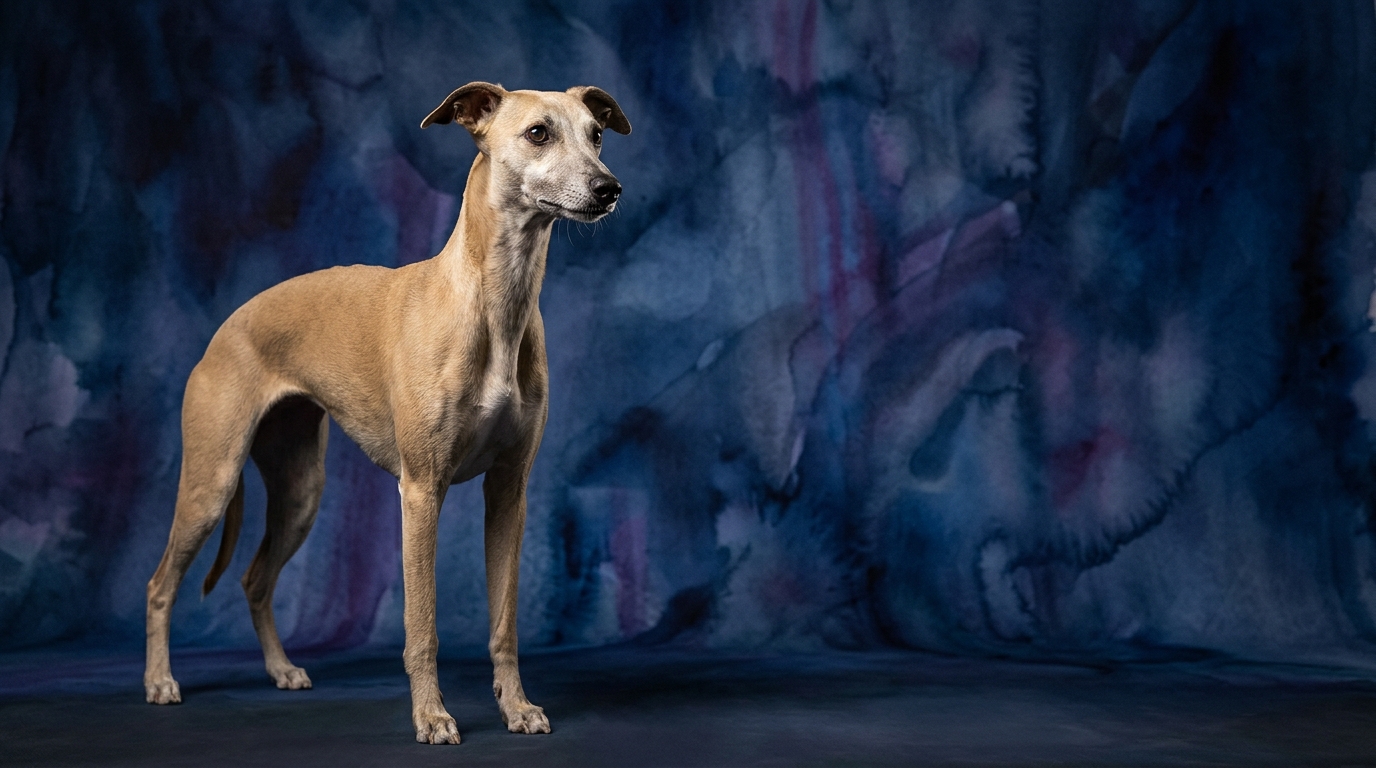
The Whippet, classified as a Hound and ranking #51 on the Coren scale, presents a unique cognitive blueprint. Its Problem Solving is rated 3/5, indicating a moderate ability to independently figure out complex tasks or novel situations. Training Speed is 2/5, suggesting a slower grasp of new commands, often due to an independent nature. Social Intelligence stands at a high 4/5, reflecting a strong capacity for understanding human emotional cues. An exceptionally high Instinctive Drive of 5/5 underscores their profound urge to chase. Lastly, Memory is rated 3/5, representing solid retention of learned commands and experiences.
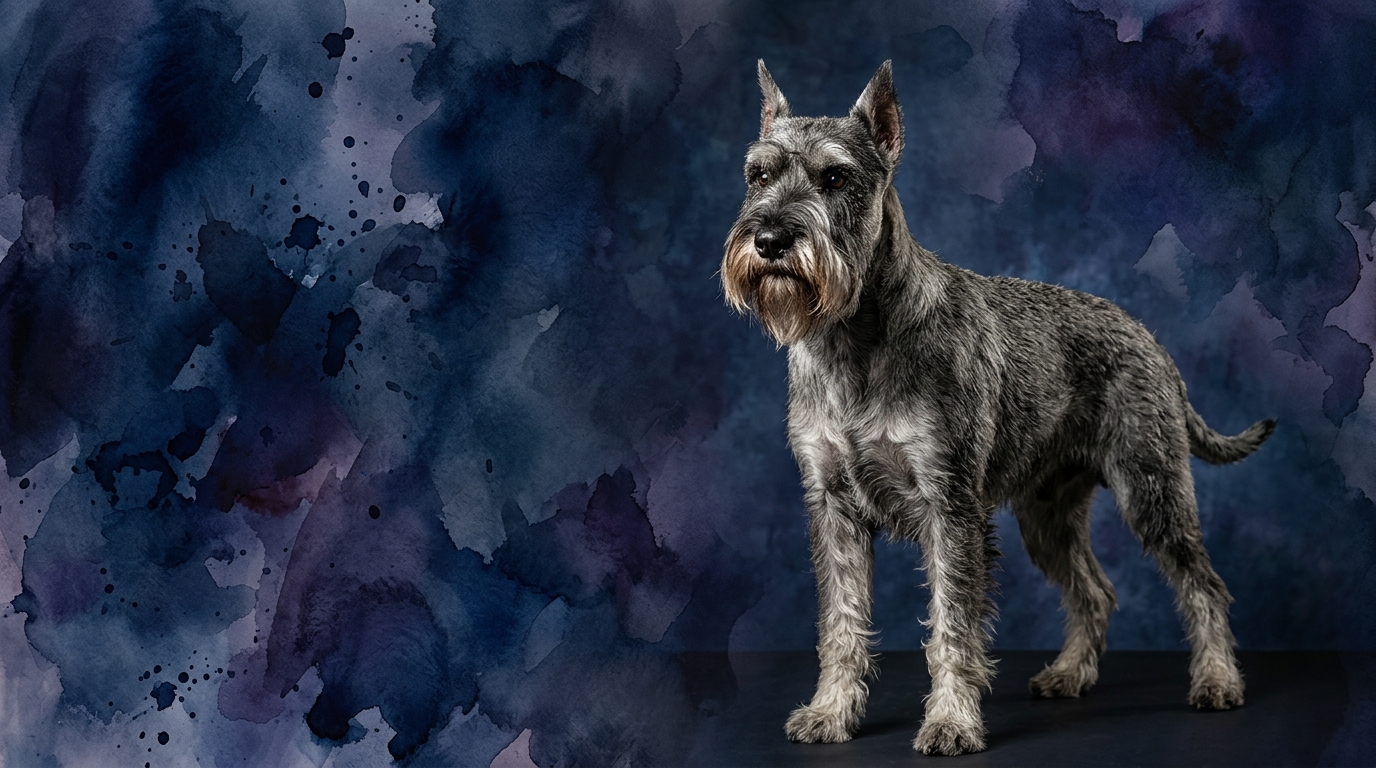
In contrast, the Standard Schnauzer, a Working breed ranking #22 on the Coren scale, offers a different set of cognitive strengths. Its Problem Solving is 4/5, demonstrating a good ability to analyze novel situations and devise solutions. Training Speed is 4/5, indicating a quick grasp of new commands and complex sequences. Social Intelligence is 3/5, showing a decent understanding of human cues but perhaps a more independent disposition. Instinctive Drive is 3/5, a moderate drive historically used for ratting and guarding. An excellent Memory score of 4/5 highlights their strong retention of training and experiences.
Where the Whippet Wins Cognitively
Whippets truly shine with their 4/5 social intelligence, reflecting a profound sensitivity to human emotions and subtle social cues. They possess an almost uncanny ability to gauge their owner's mood, often offering quiet comfort during distress or initiating gentle play when spirits are high. This isn't about performing learned behaviors; it's about an innate, empathetic connection, making them exceptional emotional barometers and deeply intuitive companions who understand the unspoken language of the home.
While their 5/5 instinctive drive can be a management challenge, it transforms into a distinct cognitive strength in specific, appropriate contexts. For activities like lure coursing, where the pursuit of a mechanical lure is the sole objective, their hardwired drive to chase moving targets makes them incredibly focused, agile, and effective. This singular cognitive purpose, unburdened by complex decision-making, allows them to perform with an intensity and precision unmatched by many other breeds, demonstrating a specialized intelligence for pure, unadulterated pursuit.
Where the Standard Schnauzer Wins Cognitively
With a robust 4/5 rating in problem-solving, the Standard Schnauzer excels at independently assessing and navigating novel challenges. Their historical utility as versatile farm dogs demanded a cognitive architecture capable of adaptive thinking, whether it was figuring out how to herd wayward livestock, effectively guard property, or intelligently control vermin. This translates into a dog that isn't just waiting for commands, but actively observing, processing, and devising solutions to environmental puzzles or new situations encountered in daily life.
Scoring an impressive 4/5 in both Training Speed and Memory, the Standard Schnauzer demonstrates superior cognitive efficiency in learning and retention. They process new information rapidly, requiring fewer repetitions to solidify commands, and critically, they retain that knowledge effectively over long periods. This combination means they are quick to pick up complex sequences, are reliable in their learned behaviors, and maintain their skills without constant drilling, making them particularly rewarding for owners interested in structured training and dog sports.
Which is Easier to Train and Why
The Standard Schnauzer undeniably presents as the easier breed to train, largely due to its higher Training Speed (4/5) and Memory (4/5) scores, coupled with a more moderate Instinctive Drive (3/5). They possess an intrinsic eagerness to engage in structured learning and a commendable ability to retain new information, often enjoying the mental stimulation that training provides. Their heritage as working dogs means they generally derive satisfaction from tasks and cooperation, making them highly receptive and responsive to instruction, eager to please and quick to understand what is being asked of them.
In contrast, the Whippet's lower Training Speed (2/5) and profoundly powerful Instinctive Drive (5/5) introduce more significant training complexities. While certainly capable of learning, their independent nature and overwhelming desire to chase moving objects can make sustained focus challenging, particularly in stimulating environments. Training a Whippet often demands a more patient, consistent, and creatively engaging approach to gently override or redirect their innate prey drive, rather than simply teaching new commands. Success often hinges on understanding and working with, rather than against, their deep-seated instincts.
Which Suits Active Owners vs. Relaxed Owners
For active owners seeking a dog for structured engagement and challenge, the Standard Schnauzer is a highly suitable choice. Their moderate instinctive drive means they excel in activities like agility, obedience, rally, and hiking, where their problem-solving skills, training speed, and desire to work can be fully utilized. They thrive on consistent mental and physical engagement, appreciating tasks that tap into their working dog heritage and provide a sense of purpose. They are robust companions for dynamic lifestyles, requiring regular, purposeful activity.
The Whippet, despite its immense speed for short, explosive bursts, can surprisingly suit more relaxed owners due to its remarkable 'off-switch' and preference for lounging after adequate exercise. While their intense instinctive drive necessitates opportunities for safe, off-leash running in securely fenced areas, indoors, their high social intelligence and generally calm, affectionate demeanor make them excellent companions for quiet evenings. They are often content to curl up on the couch for hours, embodying the perfect blend of athletic prowess and serene domesticity, provided their need for a good sprint is met daily.
The Verdict
Choose a Whippet if you value a deeply empathetic, socially attuned companion who enjoys intense bursts of speed followed by serene relaxation, and you're prepared for patient, instinct-aware training.
Opt for a Standard Schnauzer if you seek a highly trainable, problem-solving partner for structured activities and tasks, appreciating a dog that thrives on engagement and consistent mental stimulation.
🧠 Find Your Pet's IQ Score
Our Pet IQ Lab assessment covers 25+ tests across 5 cognitive dimensions — personalized to your breed.
Take the Full IQ Test →Frequently Asked Questions
Do Whippets or Standard Schnauzers make better family pets based on intelligence?
Whippets, with their higher social intelligence (4/5), often integrate seamlessly into family dynamics, intuitively understanding moods and interactions. Standard Schnauzers, while good family dogs, might be more reserved initially, relying on their problem-solving skills to navigate household routines and form strong, loyal bonds over time.
Can a Whippet's high instinctive drive be channeled for productive activities?
Absolutely. A Whippet's 5/5 instinctive drive is perfectly channeled into activities like lure coursing, where they can safely and enthusiastically pursue a moving target in a controlled environment. This provides essential mental and physical enrichment, satisfying their deep-seated chasing instinct without risk to small animals or pedestrians.
How does the Standard Schnauzer's problem-solving ability manifest in daily life?
A Standard Schnauzer's 4/5 problem-solving skill might be seen in their ability to cleverly figure out how to open a gate, retrieve a toy from an awkward spot, or even alert you to an unusual sound with a thoughtful, investigative approach, rather than just reacting. They often observe situations and devise strategies independently.