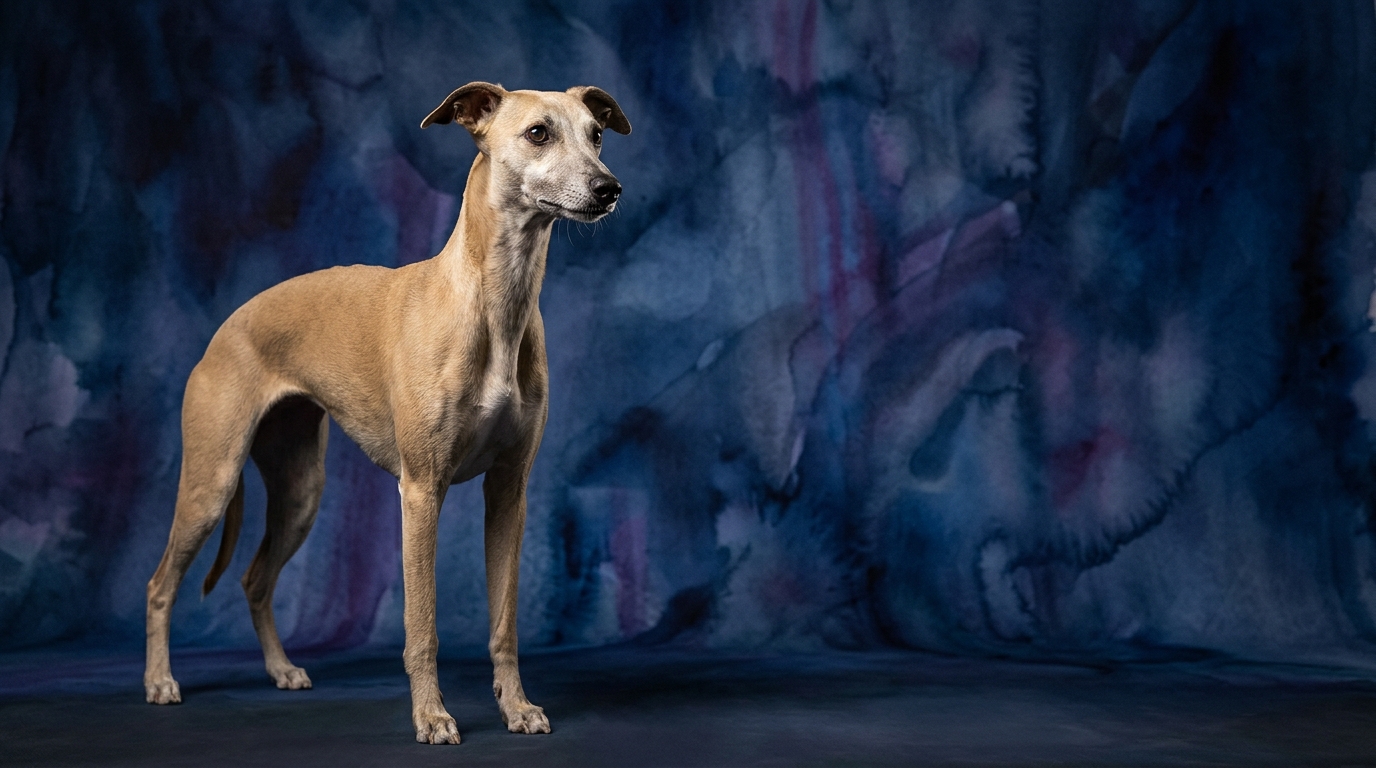
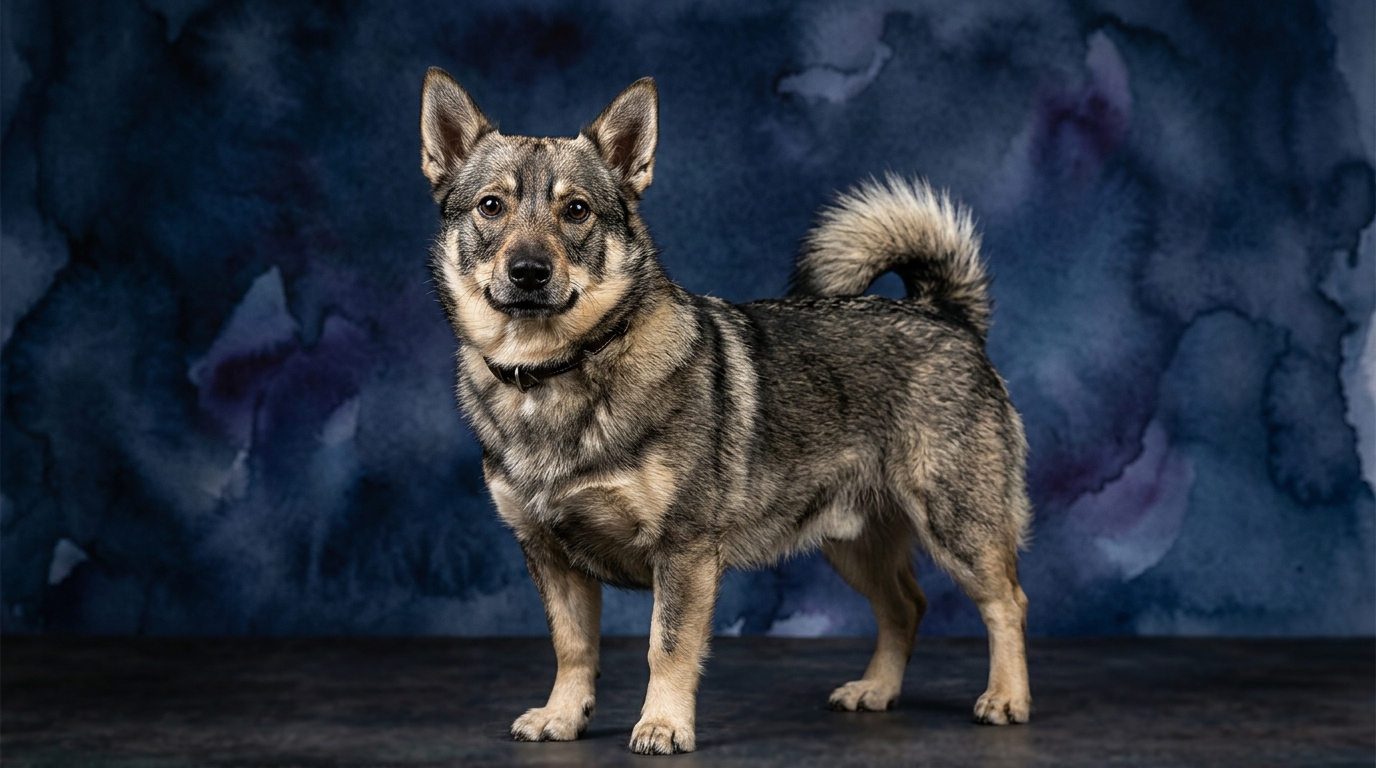
Side-by-Side IQ Profile: Whippet vs. Swedish Vallhund
The Cosmic Pet Pet IQ Lab employs five core dimensions to assess canine intelligence, providing a nuanced understanding beyond simple obedience. For the Whippet, a breed celebrated for its elegant speed and gentle demeanor, we observe a Problem Solving score of 3/5, indicating a moderate ability to navigate novel situations or puzzles. Their Training Speed stands at 2/5, suggesting that while they can learn, it often requires consistent, patient repetition and strong motivation. Where they truly shine is in Social Intelligence, scoring a notable 4/5, reflecting their sensitivity to human emotions and subtle cues. Their Instinctive Drive is exceptionally high at 5/5, primarily manifesting as a powerful prey drive. Finally, their Memory is rated at 3/5, indicating an average capacity for retaining learned behaviors and experiences over time.
In contrast, the Swedish Vallhund, a resilient herding dog with a spirited disposition, presents a slightly different cognitive blueprint. Their Problem Solving ability matches the Whippet at 3/5, demonstrating a similar foundational capacity for figuring things out. However, their Training Speed is a more robust 3/5, implying they generally pick up new commands and routines with greater readiness and fewer repetitions. Their Social Intelligence is rated at 3/5, meaning they are responsive to human interaction but perhaps not with the same nuanced emotional sensitivity as a Whippet. The Vallhund's Instinctive Drive is also rated at 3/5, reflecting a balanced drive that encompasses their herding heritage without being as singularly focused or intense as the Whippet's prey drive. Their Memory, like the Whippet's, is assessed at 3/5, indicating an average retention capability.
Where the Whippet Wins Cognitively
The Whippet's cognitive strengths lie prominently in two areas: their superior Social Intelligence and their unparalleled Instinctive Drive. With a 4/5 in Social Intelligence, Whippets often exhibit a remarkable ability to read and respond to human moods and intentions. This isn't just about recognizing commands; it's about sensing a subtle shift in tone, a quiet moment of sadness, or an invitation for comfort. They can be incredibly attuned companions, often seeking to be near their people and offering gentle, empathetic presence, making them highly responsive to the emotional climate of their homes. This sensitivity contributes to their reputation as wonderfully affectionate and intuitive family members.
Furthermore, the Whippet's 5/5 Instinctive Drive, while often channeled into their explosive speed and chase behaviors, represents a significant cognitive advantage within their evolutionary niche. This isn't merely a physical attribute; it's a deeply ingrained cognitive program for identifying, tracking, and pursuing fast-moving objects. This intense focus and single-minded determination when a target is present highlight a sophisticated predatory intelligence. While it requires careful management in domestic settings, this instinct translates into exceptional performance in activities like lure coursing, where their cognitive processing of speed, trajectory, and pursuit strategy is on full display. Their ability to switch from a relaxed state to peak athletic and mental engagement in an instant is a hallmark of this powerful drive.
Where the Swedish Vallhund Wins Cognitively
The Swedish Vallhund's cognitive advantage, when directly compared to the Whippet, lies primarily in their Training Speed. A score of 3/5 suggests they are generally more eager to engage in structured learning and pick up new commands with greater alacrity than their sighthound counterparts. This doesn't mean they are robotic learners, but rather that their cognitive wiring makes them more receptive to human direction and task-oriented work. This difference is often rooted in their herding heritage, where responsiveness to a handler's cues was paramount for effective flock management. They possess a natural inclination to work collaboratively and seek purpose, making them generally more straightforward to guide through training exercises.
Beyond just speed, the Vallhund's more balanced Instinctive Drive (3/5) also represents a cognitive win for owners seeking a versatile companion. While they possess a drive to herd, it is typically more controllable and less singular in its focus than the Whippet's prey drive. This moderate drive allows them to transition between different types of tasks and environments more readily, making them adaptable to a wider array of dog sports and activities that require varied cognitive engagement. Their problem-solving abilities, while similar in raw score to the Whippet, are often applied in a more cooperative, task-oriented manner during training, reflecting a cognitive profile that values partnership and purpose.
Which is Easier to Train and Why
When considering ease of training, the Swedish Vallhund generally holds an advantage over the Whippet. The Vallhund's Training Speed of 3/5 indicates a quicker uptake of new commands and a more consistent willingness to participate in training sessions. Their herding background has imbued them with a cognitive predisposition for partnership and task completion. This means they often thrive on having a job to do and respond well to clear instructions, making them highly biddable. They are typically motivated by praise, treats, and the opportunity to engage with their handler, translating into a more straightforward training experience where they are eager to learn and please.
The Whippet, with a Training Speed of 2/5, can be more challenging to train, primarily due to their independent nature and profound Instinctive Drive (5/5). While they are affectionate, their primary cognitive motivation can often be self-serving, particularly when a chase is involved. Their high prey drive means that even a distant squirrel or a blowing leaf can instantly override any command, leading to selective deafness. Training a Whippet often requires significant creativity, high-value rewards, and a deep understanding of their sighthound mentality. They learn best when training is fun, short, and appeals to their desire for comfort or a quick burst of activity, rather than prolonged, repetitive drills. Real behavioral differences include a Vallhund's natural desire to gather and control, making them attentive in an obedience class, versus a Whippet's instinct to bolt and pursue, which demands meticulous recall training and secure environments.
Which Suits Active Owners vs. Relaxed Owners
The choice between a Whippet and a Swedish Vallhund significantly depends on an owner's lifestyle and their definition of 'active' or 'relaxed.' A Whippet, despite their reputation as couch potatoes, is suited for owners who understand and can accommodate their unique activity needs. While they are content to lounge for much of the day, their 5/5 Instinctive Drive means they require intense, short bursts of exercise – think sprints in a securely fenced area, lure coursing, or long walks where they can stretch their legs. An owner who enjoys these specific, high-intensity activities for 20-30 minutes daily, followed by extended periods of quiet companionship, would find a Whippet a perfect fit. Their social intelligence also means they thrive on close human interaction, making them excellent companions for relaxed evenings at home, as long as their physical needs are met.
The Swedish Vallhund, with its herding lineage and more balanced cognitive profile, is better suited for owners who define 'active' as consistent, varied engagement rather than explosive sprints. Their 3/5 Instinctive Drive and 3/5 Training Speed mean they benefit from regular, moderate exercise that includes mental stimulation. This could involve daily walks, hiking, agility training, obedience work, or even herding games. They thrive on having a 'job' and interacting with their owners in purposeful activities. A relaxed owner who prefers minimal engagement beyond basic walks might find a Vallhund restless or prone to finding their own entertainment. They are ideal for owners who enjoy consistent training, dog sports, or simply spending regular, interactive time with their canine companion, fostering a strong working partnership.
The Verdict: When to Choose Each Breed
The Verdict
Choose a Whippet if you appreciate a deeply sensitive, affectionate companion who thrives on intense, short bursts of activity and long periods of calm companionship, valuing their independent spirit and profound chase instinct.
Opt for a Swedish Vallhund if you seek a consistently engaged, versatile partner who thrives on purposeful interaction, enjoys learning new tasks, and requires regular mental and physical stimulation through varied activities.
🧠 Find Your Pet's IQ Score
Our Pet IQ Lab assessment covers 25+ tests across 5 cognitive dimensions — personalized to your breed.
Take the Full IQ Test →Frequently Asked Questions
Do Whippets make good family dogs?
Yes, Whippets often excel as family dogs due to their high social intelligence (4/5) and gentle nature. They are typically patient with children and enjoy being part of family activities, especially if their need for bursts of exercise is met.
Are Swedish Vallhunds prone to excessive barking?
Swedish Vallhunds can be prone to barking, a trait rooted in their herding background where vocalization was used to manage livestock. Consistent training and providing them with adequate mental and physical stimulation can help manage this natural tendency.
Which breed is better for apartment living?
Both breeds can adapt to apartment living with proper exercise, but a Whippet might be slightly better suited due to their 'sprint then sleep' lifestyle. As long as they get their intense daily run, they are typically quiet and calm indoors, while a Vallhund generally requires more consistent, varied engagement.